Est. 1901 · Coal Mining Disasters · Ghost Town · Immigrant Labor History · National Register of Historic Places
Dawson, sometimes recorded as Mountview, was a coal company town established in 1901 in Colfax County, New Mexico, about seventeen miles northeast of Cimarron. The Phelps Dodge Corporation acquired the town's mines in 1906 and operated them through the company-town model that characterized much of the western coal industry: company housing, company store, company-owned schools, churches, and recreational facilities. At its peak, Dawson had several thousand residents, drawn predominantly from immigrant labor pools in Italy, Greece, Poland, Czechoslovakia, Mexico, and other source countries.
The town's history is defined by two catastrophic mining disasters separated by a decade. On October 22, 1913, an explosion at Stag Canyon Mine No. 2 killed 263 miners plus two rescue workers. The shock wave was felt two miles away in the town. Subsequent investigation determined the explosion was caused by a dynamite charge set off while the mine was in normal operation, igniting suspended coal dust — a violation of contemporary mine safety law. The 1913 Dawson explosion was among the worst coal mining disasters in U.S. history.
On February 8, 1923, a second explosion at Stag Canyon Mine No. 1 killed 123 miners. A derailed mine car knocked down timbers and the electric trolley cable, producing sparks that ignited coal dust. The double catastrophe defines the town's historical identity.
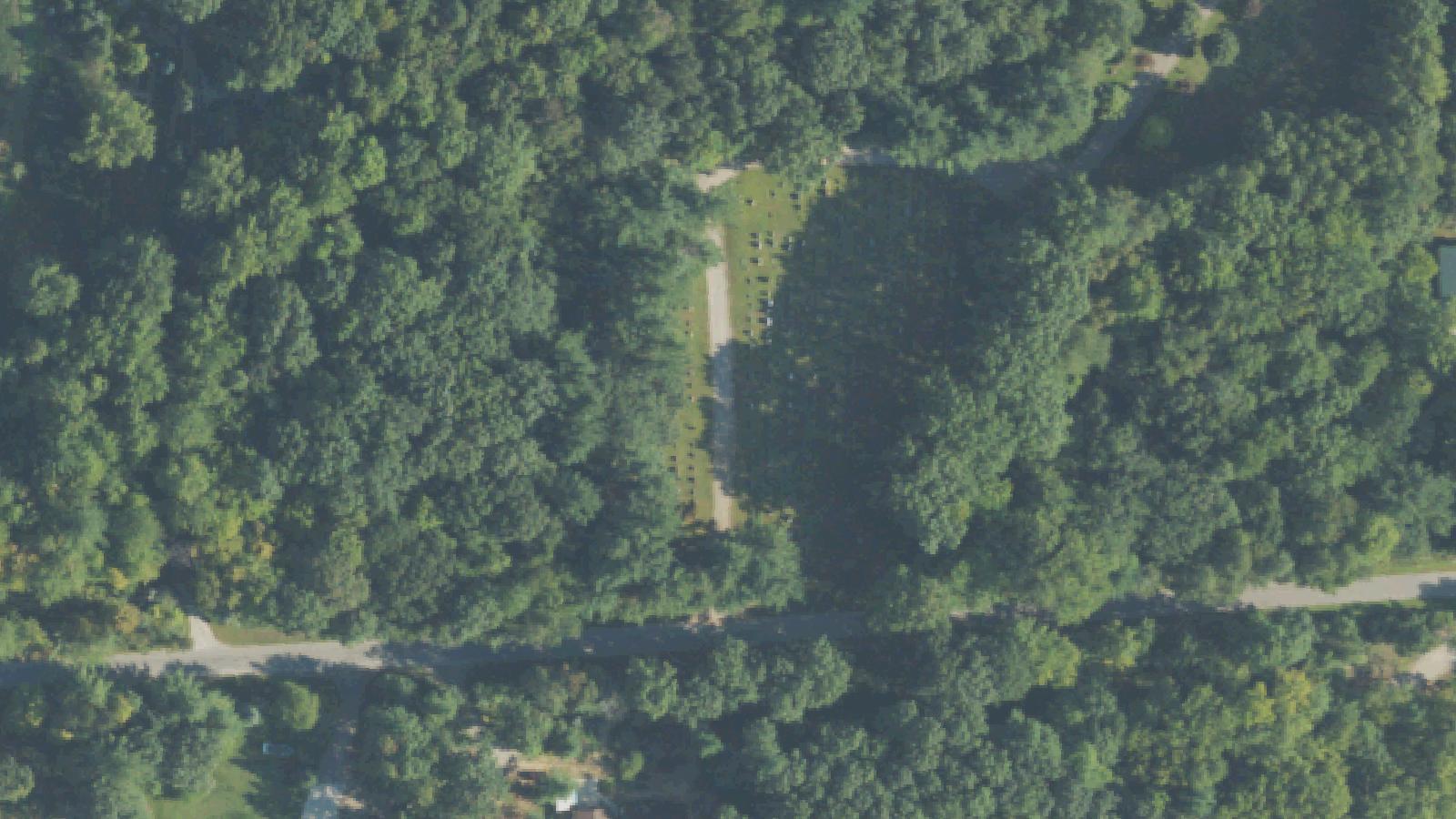
Phelps Dodge closed the Dawson mines in 1950. By 1954 the last residents had departed and the post office closed. The townsite was bulldozed in the 1960s; little of Dawson itself remains. The cemetery, on a low rise outside the former town, was placed on the National Register of Historic Places. Iron crosses identify the graves of the 383 men killed in the two disasters, most marked with their nationality of origin and many inscribed in their native languages.
The Phelps Dodge company holds biennial reunions for descendants of the Dawson community, which continue into the current period.
Sources
- https://en.wikipedia.org/wiki/Dawson,_New_Mexico
- https://www.newmexico.org/places-to-visit/ghost-towns/dawson/
- https://www.newmexicomagazine.org/blog/post/dawson-new-mexico-history/
- https://www.legendsofamerica.com/nm-dawson/
- https://www.onlyinyourstate.com/experiences/new-mexico/dawson-cemetery-nm
- https://www.codypolston.com/dawson-cemetery-is-it-haunted-2/
Lights flickeringCold spotsOrbs
Dawson Cemetery's folklore is overwhelmingly grounded in its documented history of mass industrial death. Regional accounts describe unexplained lights drifting low over the rows of iron crosses on dark nights, attributed in local tradition to the headlamps of miners still searching for survivors after the 1913 and 1923 explosions. The accounts are most commonly reported around the October and February anniversaries of the two disasters.
Visitors describe the cemetery as carrying an unusual weight: the quiet of the high northeast New Mexico grassland combined with the visual force of 383 nearly identical iron crosses produces an effect that doesn't require paranormal interpretation to feel substantive. Photographers describe orbs and unexplained features in long-exposure images. Atlas Obscura and Legends of America include the cemetery as an essential ghost-town destination in the Southwest.
The surrounding former townsite is largely on private ranch land and is not accessible to general visitors. The cemetery itself remains accessible by a county road, and descendants of the Dawson community continue to visit and maintain individual graves.
Media Appearances
- Atlas Obscura features
- Legends of America