Est. 1854 · Largest U.S. military post on the Rio Grande frontier, 1854-1885 · February 21, 1862 — Battle of Valverde, opening engagement of Confederate New Mexico Campaign · Kit Carson's 1st New Mexico Volunteers fought here · 9th Cavalry Buffalo Soldiers stationed here during Apache Wars · National Register of Historic Places; BLM Special Management Area
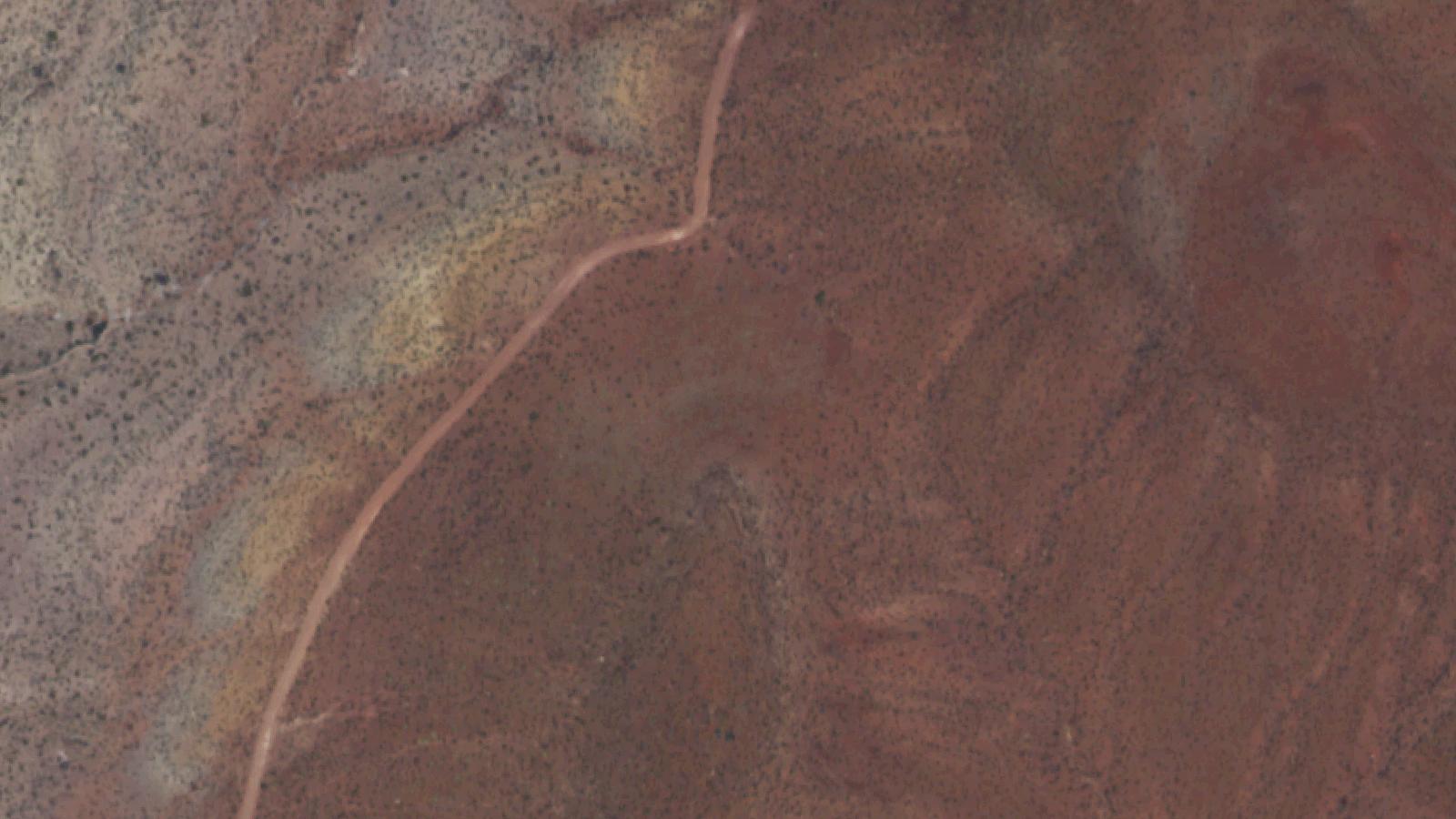
Fort Craig was built in 1854 on the west bank of the Rio Grande in what is now Socorro County, replacing the older Fort Conrad downstream. At its peak it was the largest military installation in the New Mexico Territory, designed to protect the Camino Real trade route and respond to Apache and Navajo raiding. The post housed several hundred soldiers and their families in adobe structures spread across a substantial footprint.
When the Civil War began, Confederate General Henry Sibley launched the New Mexico Campaign to capture the territory and its route to California and its resources. Sibley's force of roughly 3,500 men moved north from El Paso and encountered the Union garrison near Fort Craig in February 1862. The engagement on February 21 took place at Valverde Ford, six miles north of the fort, where the Confederates attempted to secure a crossing of the Rio Grande.
The battle lasted most of the day. Kit Carson's 1st New Mexico Volunteers fought alongside regular Union infantry and artillery. Confederate forces ultimately drove the Union troops back to the fort with approximately 500 combined casualties — roughly equal losses on each side. Sibley bypassed Fort Craig rather than assault it directly and continued north toward Albuquerque and Santa Fe. The Confederates eventually retreated back to Texas after being defeated at Glorieta Pass in late March 1862, ending the New Mexico Campaign.
After the war, Fort Craig became a posting for the 9th Cavalry — the Buffalo Soldiers, Black regiments established under the Army Reorganization Act of 1866 — who conducted operations against Apache raiders in the region through the 1870s and early 1880s. The fort was abandoned in 1885 as the Apache Wars wound down.
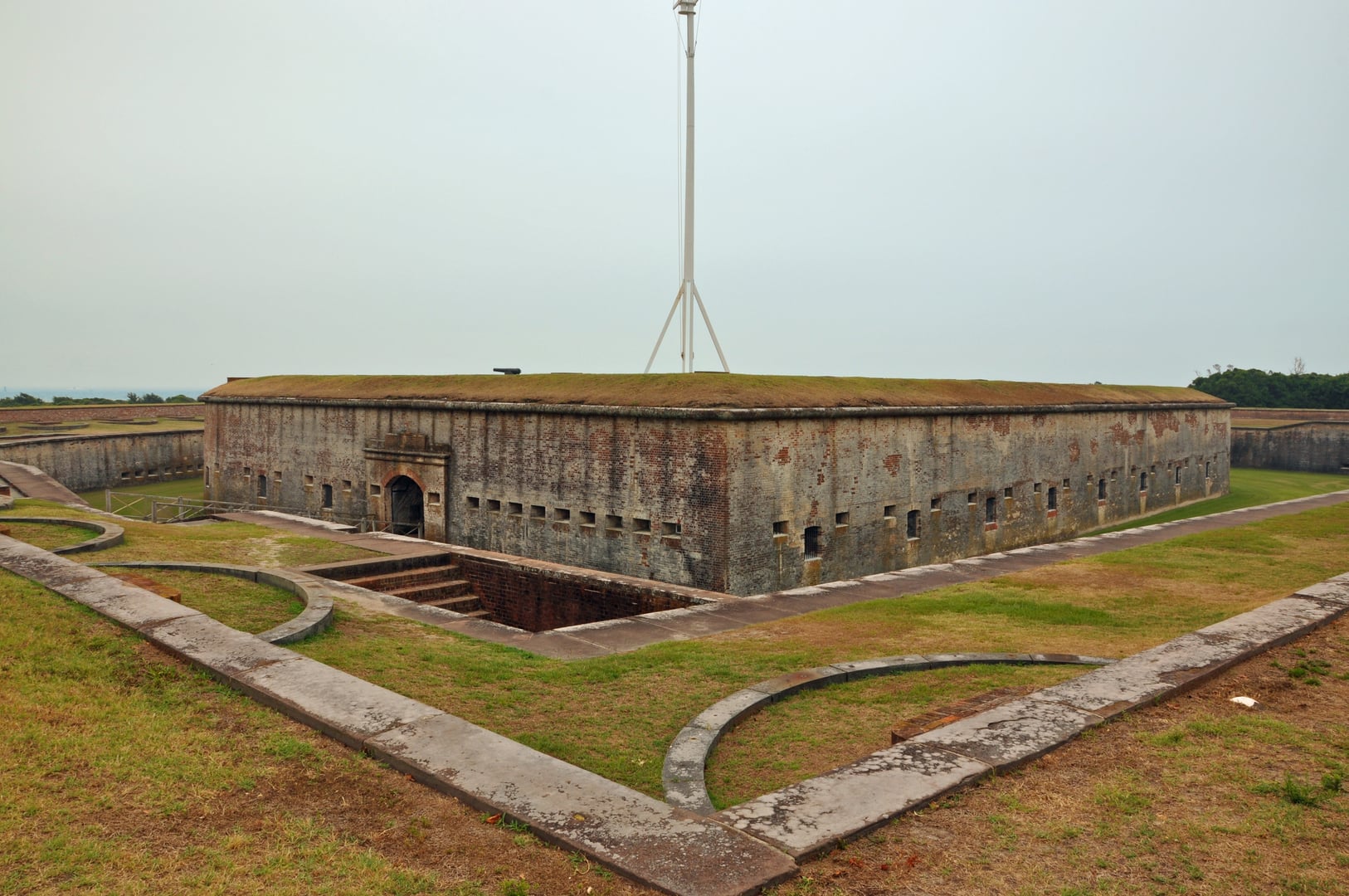
The BLM Socorro Field Office manages the ruins today as a Special Management Area. The site is listed on the National Register of Historic Places. A self-guided trail with interpretive signs passes through the surviving adobe structures, which include officer quarters, barracks, and the parade ground outline.
Sources
- https://www.blm.gov/blog/2021-04-02/fort-craig-new-mexico-and-battle-valverde
- https://en.wikipedia.org/wiki/Fort_Craig
- https://www.battlefields.org/learn/articles/fort-craig
Apparition in Civil War-era clothing in the ruinsDisembodied voices in unoccupied sections of the fort
Fort Craig's paranormal reputation is modest and specific. Haunted Places documents accounts from BLM caretakers and visitors describing a figure in Civil War-era clothing seen moving through sections of the fort ruins — seen and then absent when the observer looked more closely. Separately, voices have been reported in parts of the ruins with no other visitors present, described as conversational in tone rather than dramatic.
The site's isolation is a factor in how these accounts should be read. Fort Craig sits in remote high desert with no cell service and no facilities; the only people who visit are those who sought it out intentionally. The handful of documented accounts come from rangers, researchers, and dedicated history tourists rather than a broad visitor base. Whether the reports represent a genuine accumulating tradition or isolated individual experiences is not determinable from the available documentation.
The fort's history — a post housing Kit Carson's volunteers, Union regulars, and Buffalo Soldiers, site of a daylong battle with 500 casualties, and operating continuously through the Apache Wars — provides enough documented violent and consequential history that the site's atmospheric weight requires no embellishment.
Where this legend is told