Est. 1824 · Trail of Tears Endpoint · U.S. Army Frontier History · Civil War Occupation · Cherokee Nation History · Fort Gibson National Cemetery
Fort Gibson was established in 1824 by Colonel Matthew Arbuckle of the U.S. Army, positioned at the confluence of the Neosho (Grand) and Arkansas rivers as the nation's westernmost military installation. Its location placed it at the center of federal Indian policy for the following decades — a gateway through which military authority and forced relocations both passed.
The fort's connection to the Cherokee Trail of Tears is documented and direct. During the winters of 1838–1839, the U.S. government enforced the removal of the Cherokee Nation from their eastern homelands under the Indian Removal Act of 1830. Fort Gibson served as a receiving point for Cherokee families who survived the journey west; estimates of deaths during removal range widely, but the fort's records document the arrivals of surviving parties in conditions of severe deprivation.
The fort was abandoned in 1857, then reactivated during the Civil War, renamed Fort Blunt and used as the Union headquarters in Indian Territory. During the Civil War, Fort Gibson was contested and occupied by both sides. The Cherokee Nation was itself divided by the conflict, with Principal Chief John Ross initially attempting neutrality before Confederate forces occupied the fort and many Cherokee aligned with the Confederacy. Union forces recaptured the post in 1863 and held it for much of the war. The fort was decommissioned in 1890. The Oklahoma Historical Society now operates the site as a museum, and the Fort Gibson National Cemetery — one of the oldest national cemeteries in the country — is maintained by the Veterans Administration adjacent to the historic site.
Sources
- https://en.wikipedia.org/wiki/Fort_Gibson_National_Cemetery
- https://www.okhistory.org/sites/fortgibson
- https://en.wikipedia.org/wiki/Vivia_Thomas
- https://www.greencountryok.com/plan-your-trip/travel-ideas-inspiration/9-ways-to-explore-haunted-green-country/
- https://klaw.com/muskogee-oklahoma-haunted/
- https://www.kjrh.com/news/positively-oklahoma/musical-gives-vivia-thomas-ghost-story-new-twist-for-fort-gibsons-bicentennial
Civil War soldier apparitions near captain's quartersUnexplained sounds on fort grounds
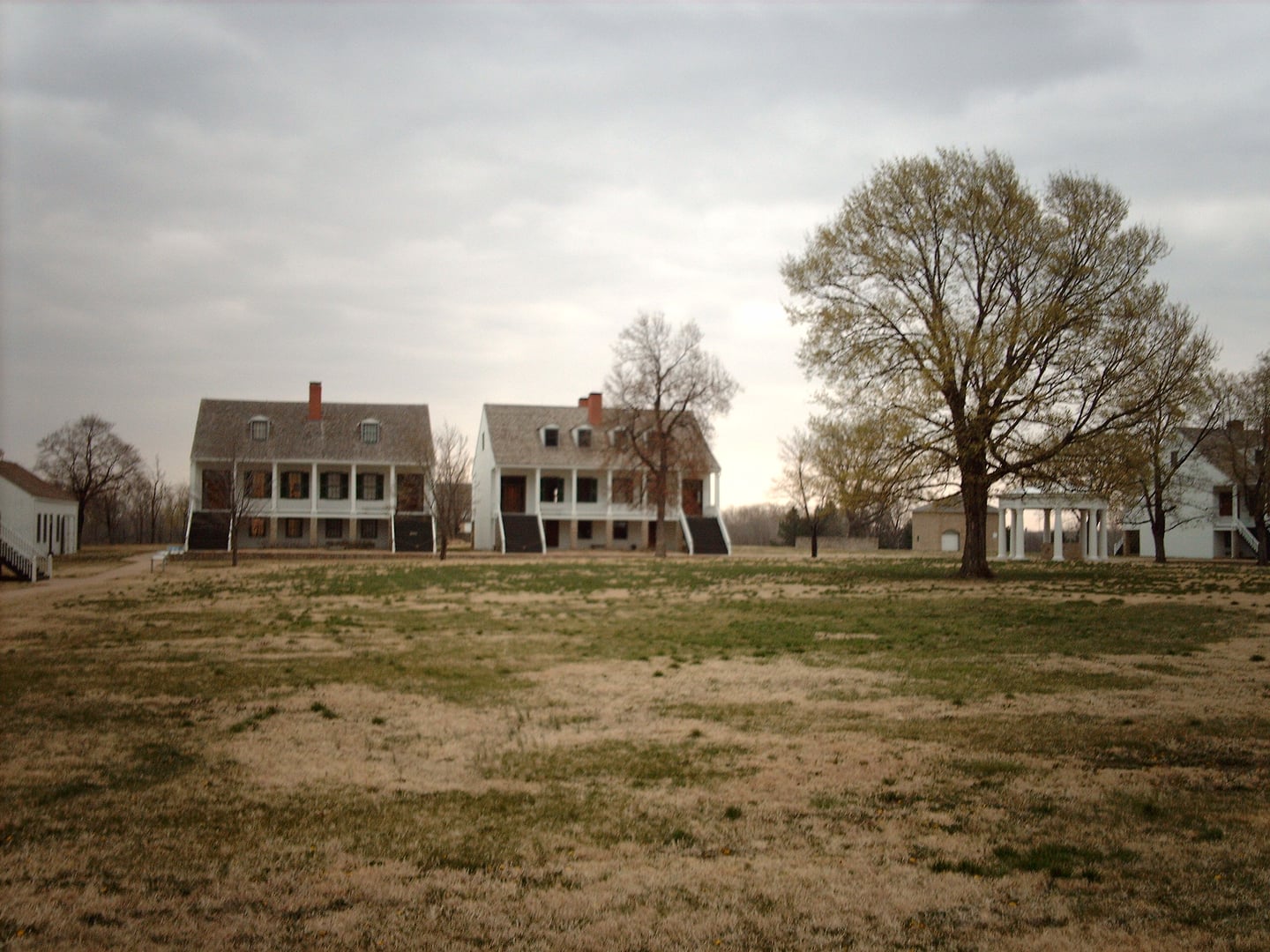
The paranormal claims attached to Fort Gibson tend to be reported by visitors to the grounds rather than by documented investigations. Civil War-era soldier apparitions described as wearing Union blue have been noted by local tour accounts near the officers' quarters — the kind of report common to any Civil War site with intact historic structures.
Vivia Thomas occupies a more grounded place in the fort's historical record. Wikipedia documents her story: Thomas arrived at Fort Gibson around 1870 disguised as a soldier, reportedly to be near an army officer with whom she had a romantic history. She died at the fort and was buried in the fort's Circle of Honor cemetery. The Wikipedia article draws on period accounts and has been cited in regional histories of the fort. Her grave at the Fort Gibson National Cemetery is a documented feature of the site.
The fort's most significant historical weight comes not from paranormal accounts but from its documented role as a Trail of Tears endpoint. The grounds and cemetery hold history that requires no dramatization.
Notable Entities
Vivia Thomas