Est. 1842 · Permanent Indian Frontier · Bleeding Kansas · Civil War Supply Depot · National Historic Site · Frontier Army Post
Fort Scott was established in 1842 as one of a chain of forts along the so-called Permanent Indian Frontier - the western edge of organized U.S. territory. Its initial garrison consisted of dragoon and infantry units charged with maintaining peace between the displaced eastern tribes resettled to Indian Territory and the Plains tribes already in residence, and with policing white intrusion onto reservation land. The post was decommissioned in 1853 as the frontier line moved further west.
The 1850s brought a new and more violent phase. With the Kansas-Nebraska Act of 1854 and the rise of the Bleeding Kansas border conflict between pro- and anti-slavery settlers, Fort Scott became a focal point of armed civilian violence. During the Civil War, the federal government reoccupied the post and used it as a supply depot for Union operations on the western border, a hospital, and a refugee camp for displaced Native peoples and freed people. After the war the post served briefly as a federal court venue for the prosecution of border raiders.
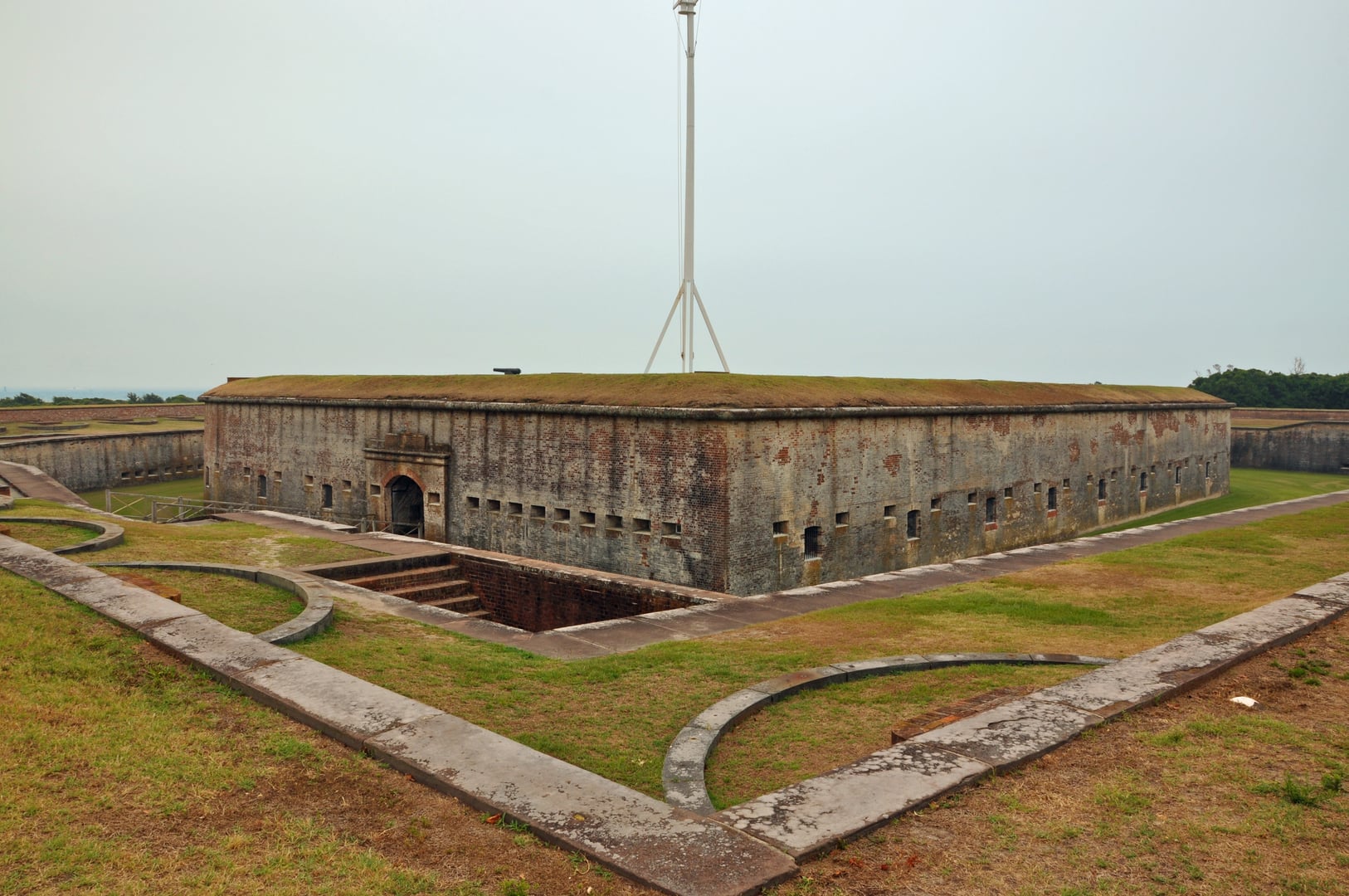
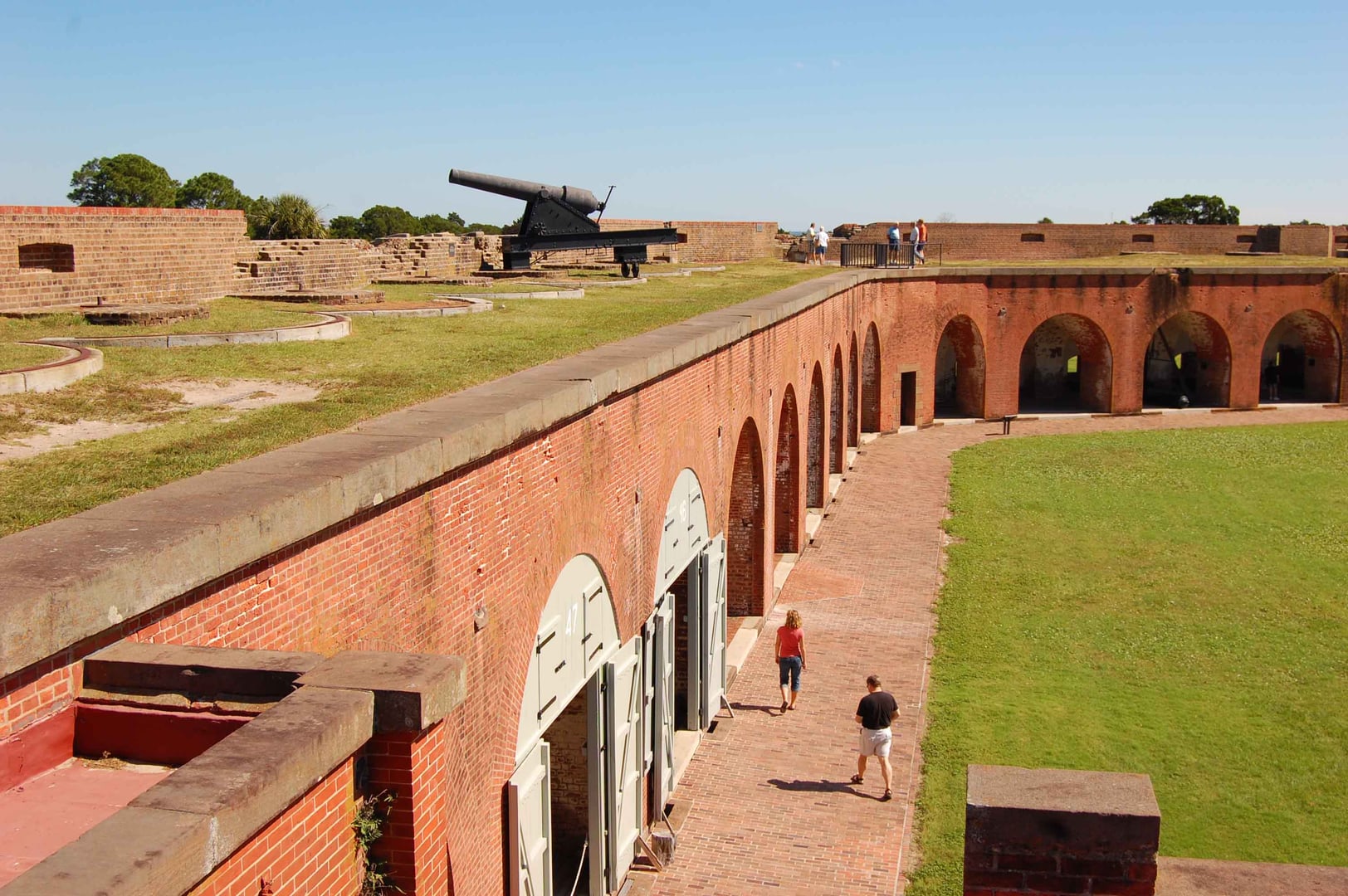
The Army permanently closed the post in 1873. Most of the buildings were sold and adapted to civilian use, and a substantial preservation campaign in the 20th century restored or reconstructed the fort's principal structures. Fort Scott was designated a National Historic Site by Congress in 1965 and is now administered by the National Park Service. The post includes the parade ground, officers' quarters, dragoon stables, hospital, infantry barracks, guardhouse, and powder magazine, along with a visitor center and museum.
Sources
- https://www.nps.gov/fosc/
- https://en.wikipedia.org/wiki/Fort_Scott_National_Historic_Site
- https://www.legendsofamerica.com/ks-fortscott/
- https://www.nps.gov/fosc/index.htm
ApparitionsPhantom voicesPhantom soundsCold spotsResidual haunting
The reported phenomena at Fort Scott are organized by building. The officers' quarters carry the most consistent reports: visitors describe fog-like apparitions rising up through the fireplaces in the upper rooms, and several accounts attribute these to the documented accidental death of an officer who shot himself while showing off a pistol to his wife. The wife, in turn, has been reported as a distressed female figure at a second-story window, particularly in the building that briefly served as the Free State Hotel.
The parade ground and stables have produced repeated reports of Civil War-era soldiers - both Union enlisted men and officers - in period dress. Multiple visitors have described attempting to ask these figures questions, mistaking them for living costumed interpreters, before realizing the figures had vanished. The cell block of the guardhouse has also produced apparition reports.
A distinct strand of the lore concerns the post's brief use as an orphanage facility in the late 19th century. Staff and visitors describe the sound of children playing in the two buildings that housed the orphans, particularly in the late afternoon and at the edge of the visitor day. The National Park Service does not market the site as haunted but acknowledges the long folkloric tradition; reports are catalogued primarily through Legends of America and regional ghost-tour writeups.