Est. 1864 · Civil War Siege Site (June 1864-April 1865) · Battle of the Crater (July 30, 1864) · National Battlefield (Established 1926) · National Register of Historic Places · Substantial United States Colored Troops Engagement
Petersburg, Virginia, was the railroad hub through which most Confederate supplies entered Richmond. After failing to take Richmond directly through the Overland Campaign in May and June 1864, Union General Ulysses S. Grant directed the Army of the Potomac under Major General George G. Meade to cross the James River and attack Petersburg from the south. Initial assaults from June 15 to 18, 1864 failed to break the Confederate lines, and the operation settled into trench warfare that anticipated the Western Front of World War I.
The siege lines eventually stretched approximately 30 miles around Petersburg's eastern, southern, and western flanks. The siege lasted 292 days, from June 1864 to April 1865, and produced approximately 70,000 combined Union and Confederate casualties.
The siege's most-discussed action is the Battle of the Crater on July 30, 1864. Pennsylvania coal miners in the 48th Pennsylvania Infantry, under Lieutenant Colonel Henry Pleasants, tunneled a mine shaft 511 feet under Confederate Elliott's Salient and packed it with 8,000 pounds of black powder. The explosion at dawn created a crater 170 feet long, 80 feet wide, and 30 feet deep, and instantly killed approximately 300 Confederate soldiers. The follow-on Union assault was badly organized; Federal troops, including a division of United States Colored Troops, became trapped in the crater under Confederate counter-attack. The battle ended in Union defeat with approximately 4,000 Union casualties to 1,500 Confederate. Surrendering USCT soldiers were documented to have been killed in the aftermath.
General Lee's forces evacuated Petersburg on April 2, 1865. Richmond fell the same day; Lee surrendered at Appomattox Court House on April 9.
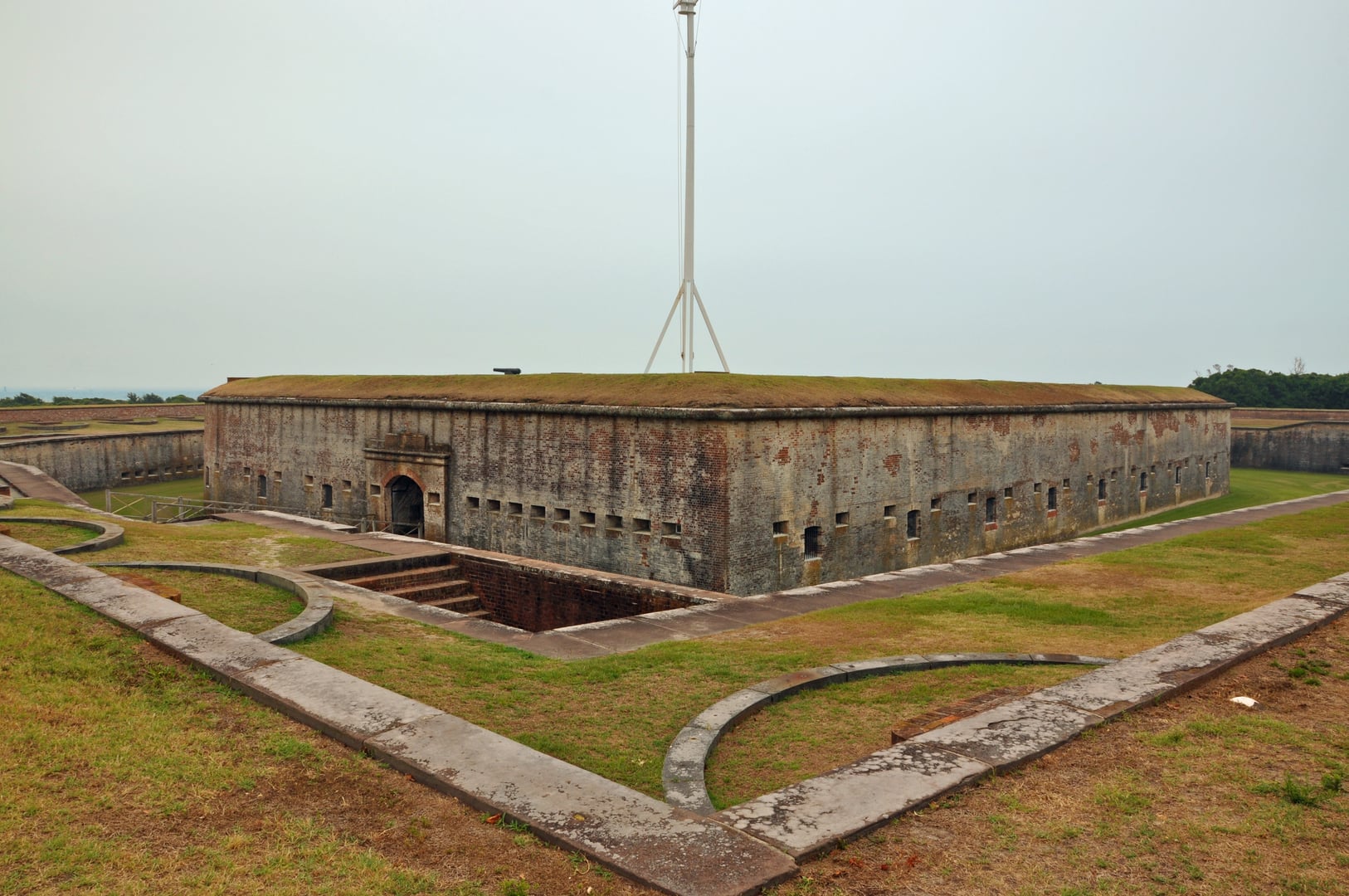
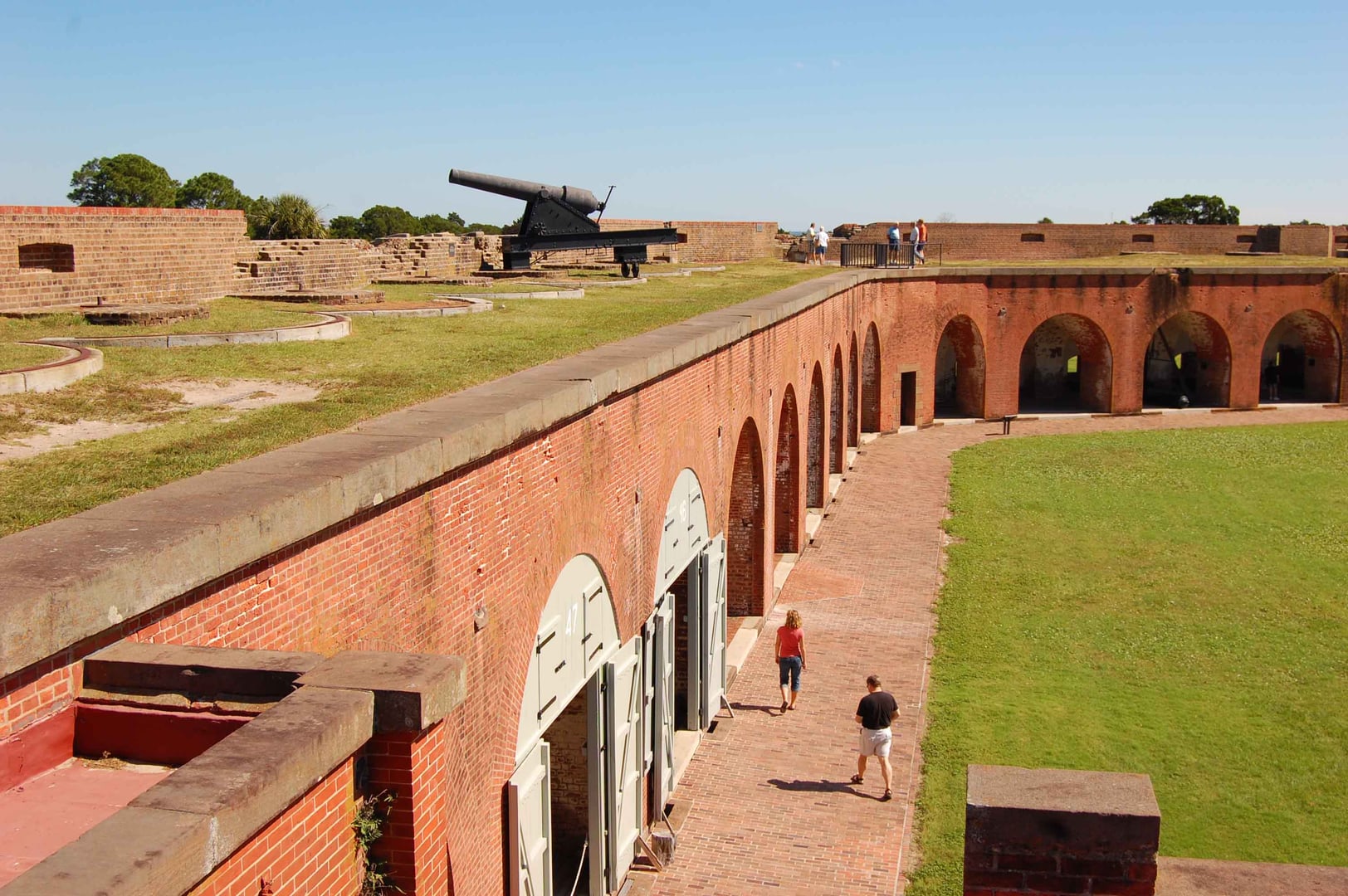
Petersburg National Battlefield was established in 1926 as a national military park and transferred to the National Park Service in 1933. The park preserves approximately 2,700 acres of the siege ground, including the Crater, Fort Stedman, the Confederate Fort Mahone, and the Eastern Front earthworks. The park is on the National Register of Historic Places.
Sources
- https://www.nps.gov/pete/index.htm
- https://en.wikipedia.org/wiki/Petersburg_National_Battlefield
- https://en.wikipedia.org/wiki/Siege_of_Petersburg
- https://en.wikipedia.org/wiki/Battle_of_the_Crater
- https://www.battlefields.org/learn/civil-war/battles/crater
ApparitionsPhantom voicesCold spotsPhantom sounds
The NPS interpretive program at Petersburg National Battlefield does not feature paranormal claims in its official material. Reports of unexplained activity at the site come primarily from visitor accounts collected by regional Virginia ghost-tour writing and Civil War paranormal-interest publications.
The most-discussed reports concentrate at the Crater, where the July 30, 1864 mine explosion killed approximately 300 Confederate soldiers in the initial blast and where roughly 5,500 Union and Confederate casualties were taken in the subsequent eight-hour battle. Visitor accounts describe glimpsed figures in period uniform at the edge of the depression, the faint impression of voices reading as commands or pleas, and accounts of cold pockets in the otherwise still summer air. The atmosphere is most often associated with the early morning around the July 30 anniversary, when the original explosion occurred.
Reports along the Eastern Front earthworks include the sense of presence near Fort Stedman and along the preserved Union approach lines, with occasional accounts of figures glimpsed at the periphery of vision among the trees.
The paranormal reports are folk-collected rather than documented in primary historical record. Petersburg's dark-tourism value rests overwhelmingly on the documentary weight of the siege itself - the casualty count, the mining operation, the participation of United States Colored Troops, and the campaign's role in ending the war - rather than on a distinct paranormal narrative.