State guide · 34 documented locations
Haunted Washington, D.C.
Washington, D.C. has 34 documented haunted locations in the HauntBound index. 26 are rated family-friendly, 10 take bookings, and 4 ghost-tour operators work the state.
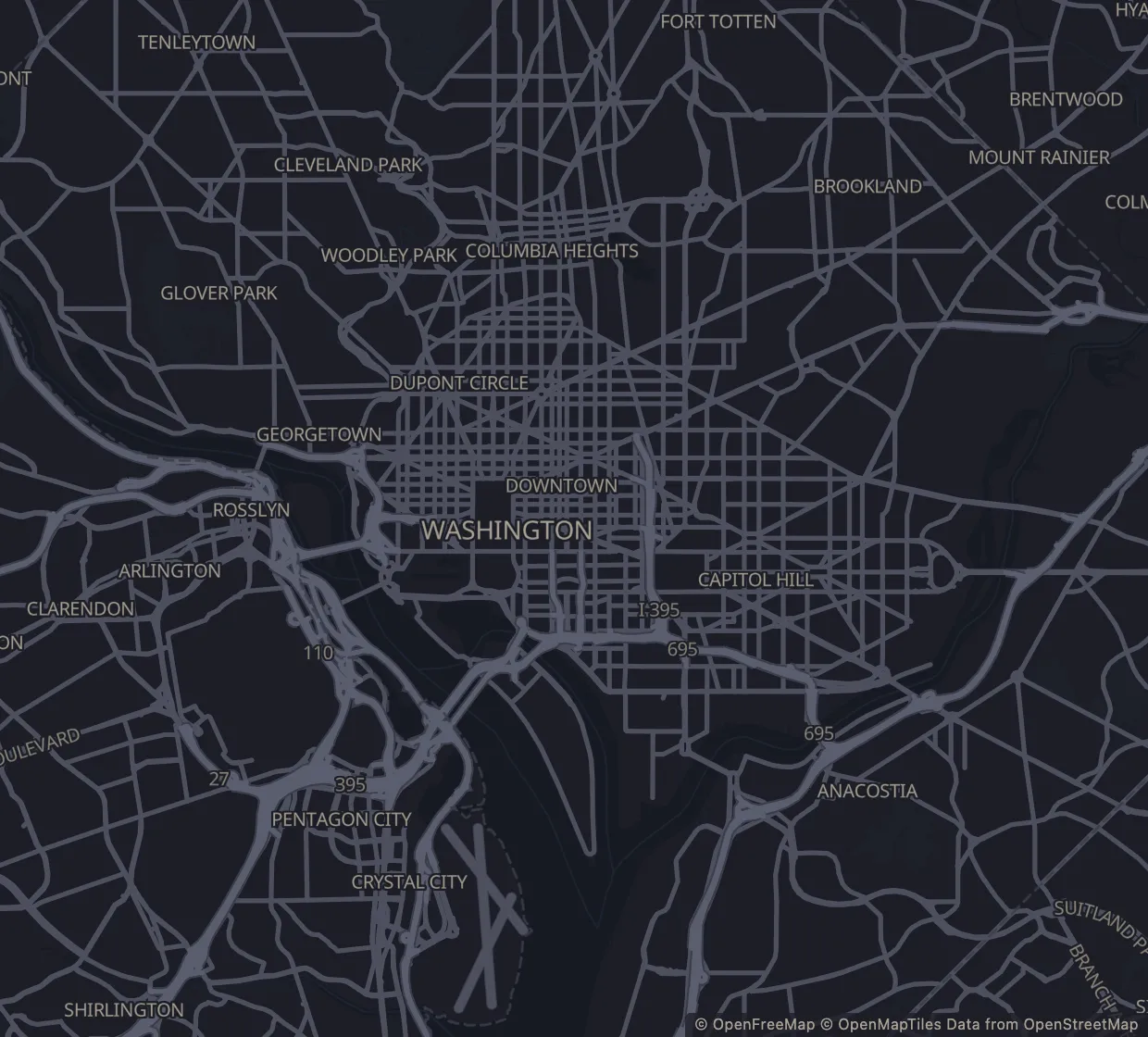
Washington's haunted map is compact and walkable. Nearly every stop sits within a few blocks of the White House, from Lafayette Square mansions to the Capitol grounds and old federal cemeteries further out. Two centuries of presidential history and a handful of unsolved deaths have settled into buildings that still do federal work every day, giving the city's hauntings an unusually well-documented paper trail. About thirty venues make up the network. Washington doesn't have its own curated loop yet, so the national trail guide is the place to start planning a haunted stop, with venue pages carrying the deeper history behind each address.
Ranked by depth of evidence
The most haunted places in Washington, D.C.
Independent sources, documented history, how far back the reports go. Not legend, and never a commission.
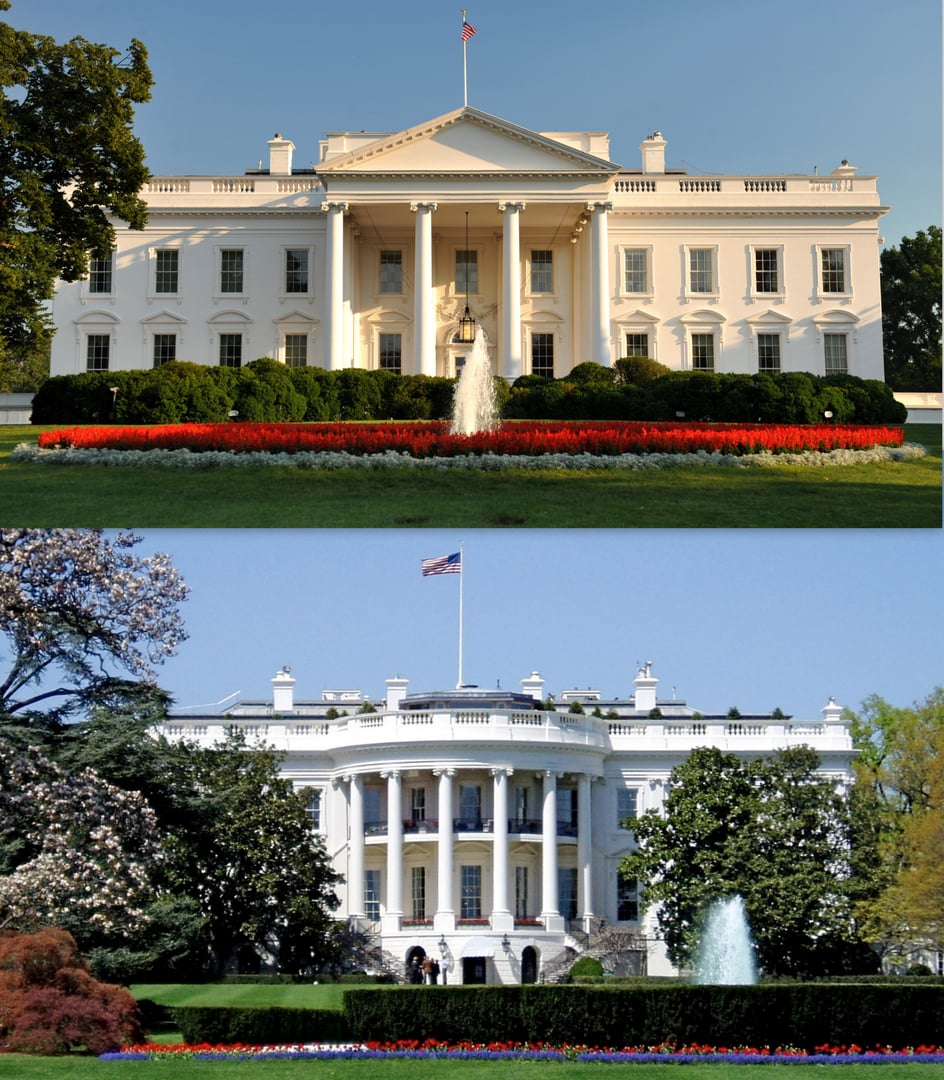
- The White House Washington · Museum / Historical Site
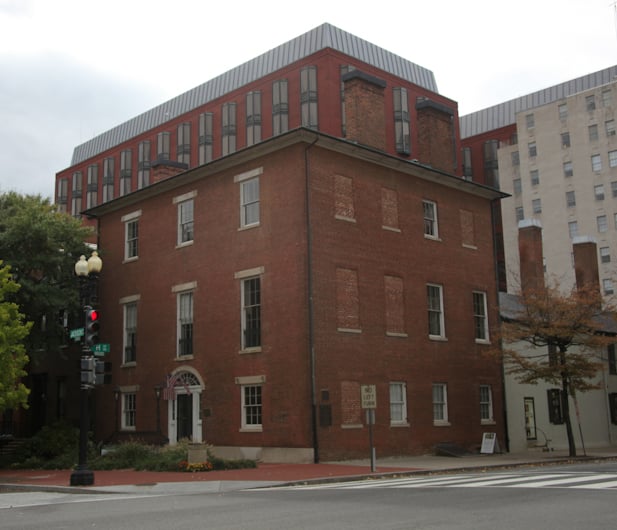
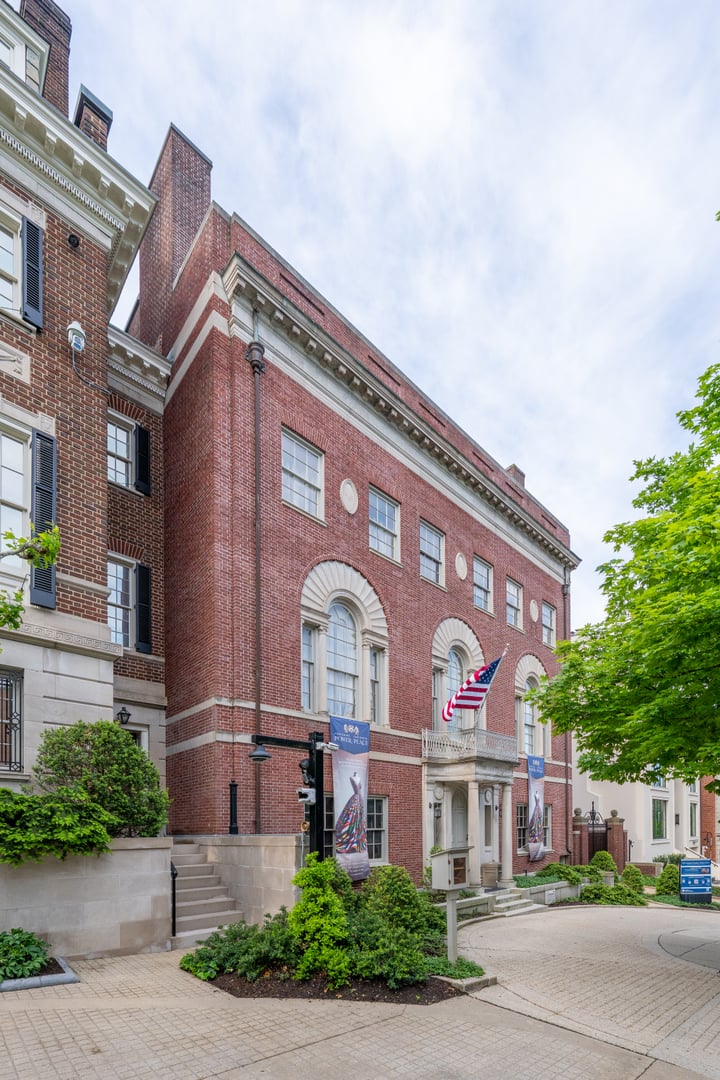
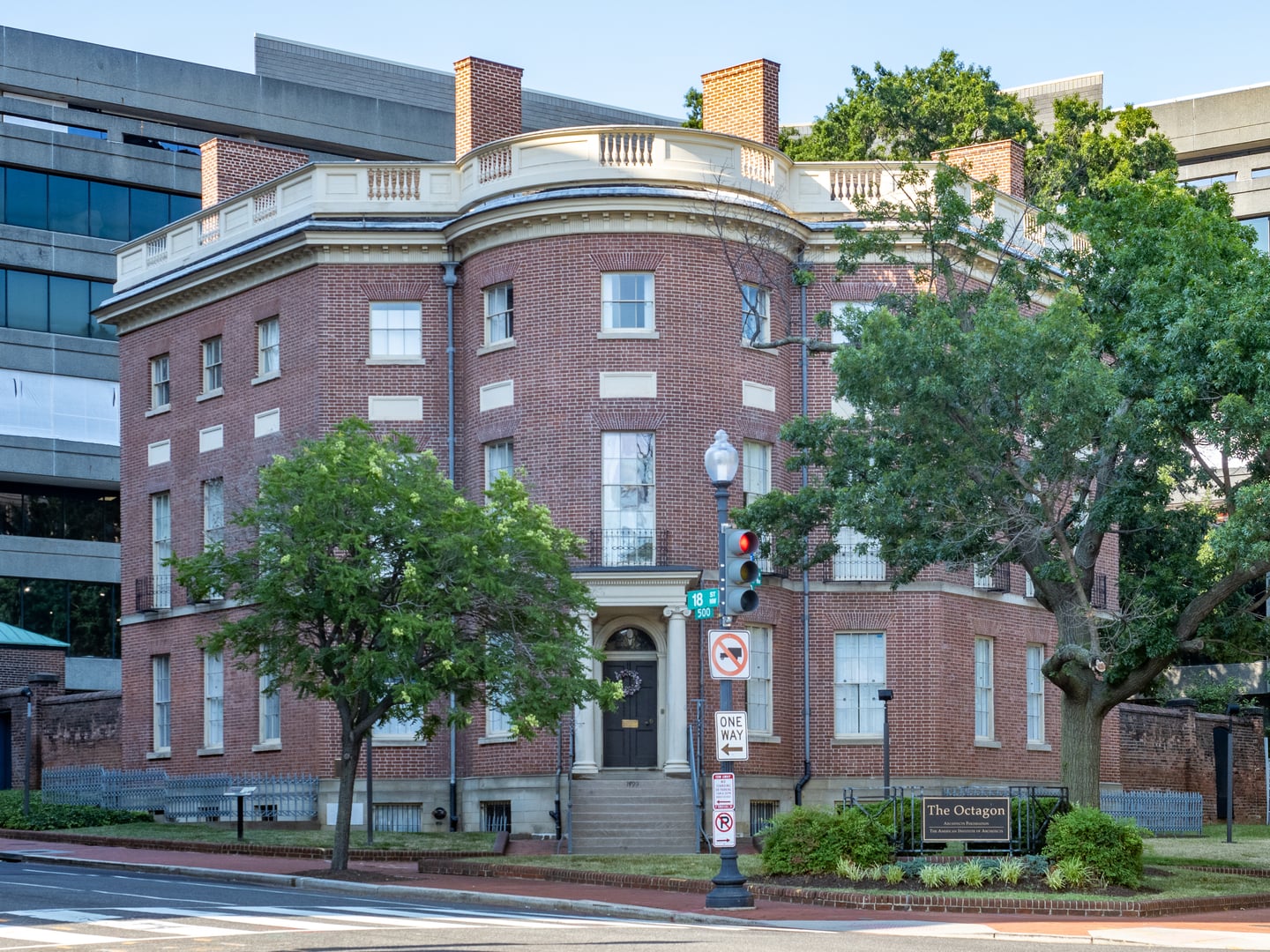
- The Octagon (Octagon Museum) Washington · Museum / Historical Site
- Omni Shoreham Hotel Washington · Haunted Hotel / Inn
- The Hay-Adams Washington · Haunted Hotel / Inn
- Lafayette Square Washington · Outdoor / Natural Site
All 34, in one place
Browse Washington, D.C. by region
Pick a region, city or type and the list and the map narrow together.
Dc Metro
22Collapse
- Benjamin Ogle Tayloe HouseWashington · Haunted House / Historic HomeModerate
- Cutts-Madison House (Dolley Madison House)Washington · Haunted House / Historic HomeHigh
- Decatur HouseWashington · Haunted House / Historic HomeHigh
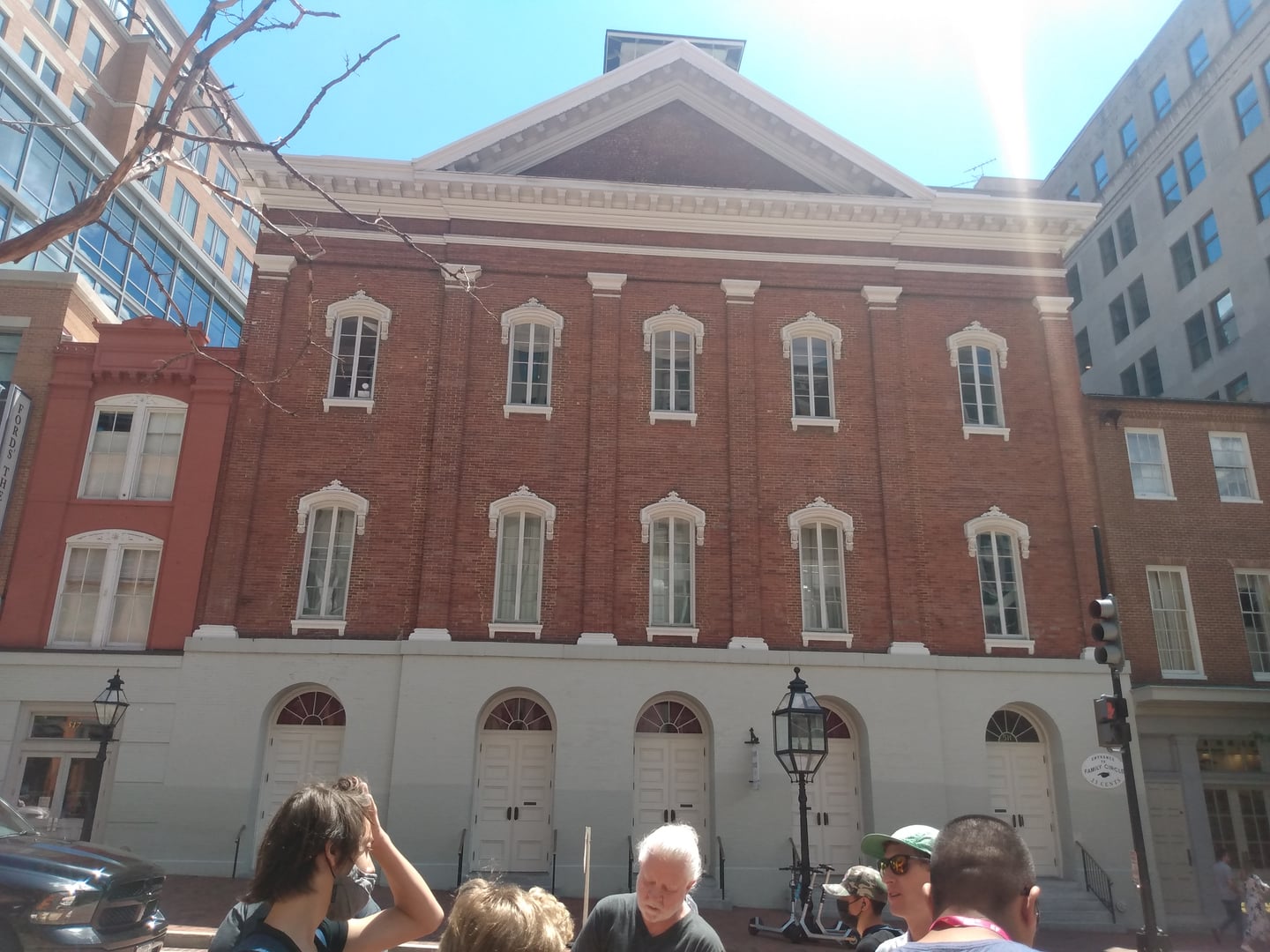
- Ford's TheatreWashington · Theater / Performance VenueModerate
- Georgetown Ghost ToursWashington · Ghost Tour / Walking TourModerate
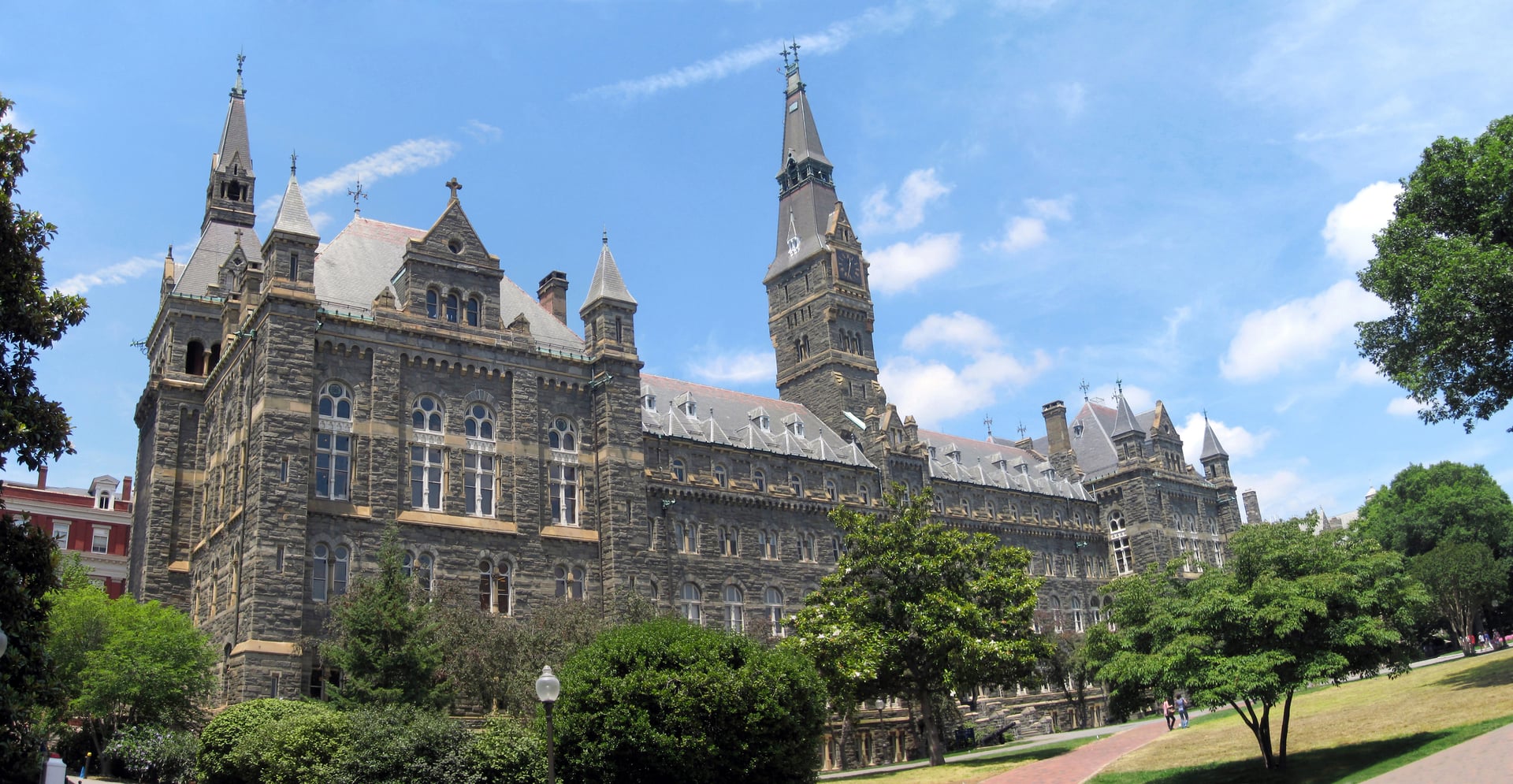
- Georgetown University (Healy Hall)Washington · Museum / Historical SiteModerate
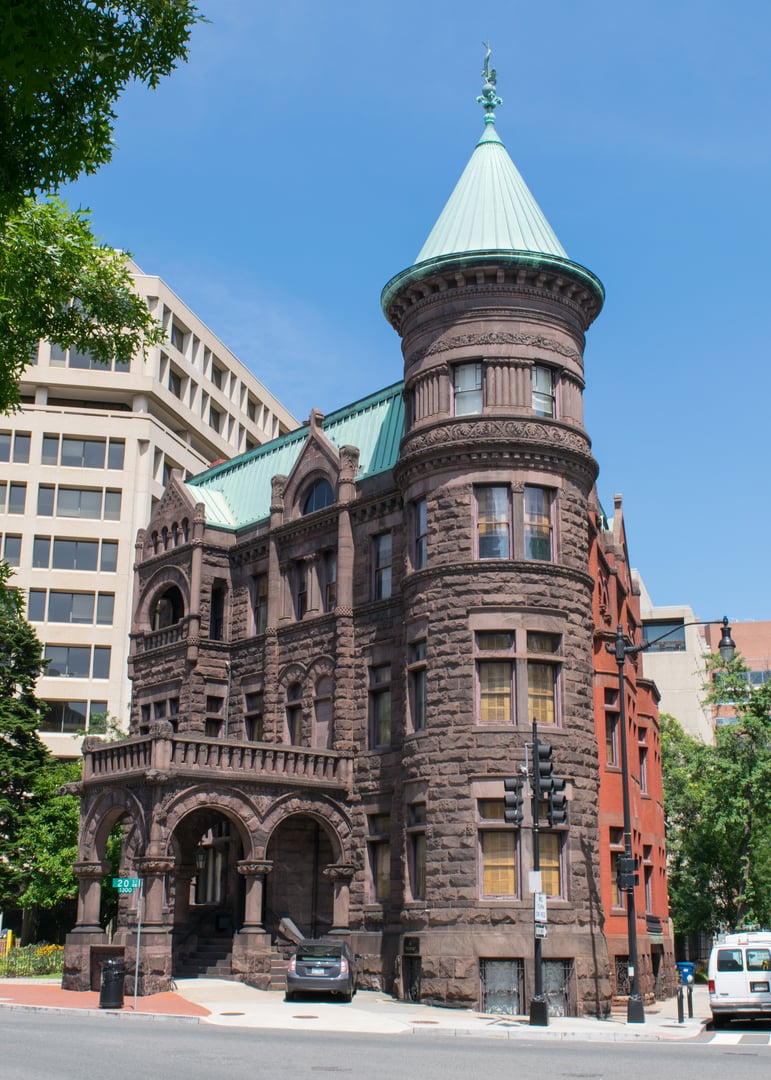
- Heurich House Museum (Brewmaster's Castle)Washington · Haunted House / Historic HomeModerate
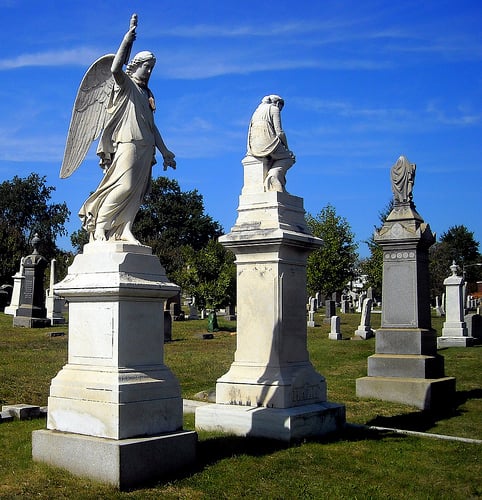
- Historic Congressional CemeteryWashington · Cemetery / Burial GroundModerate
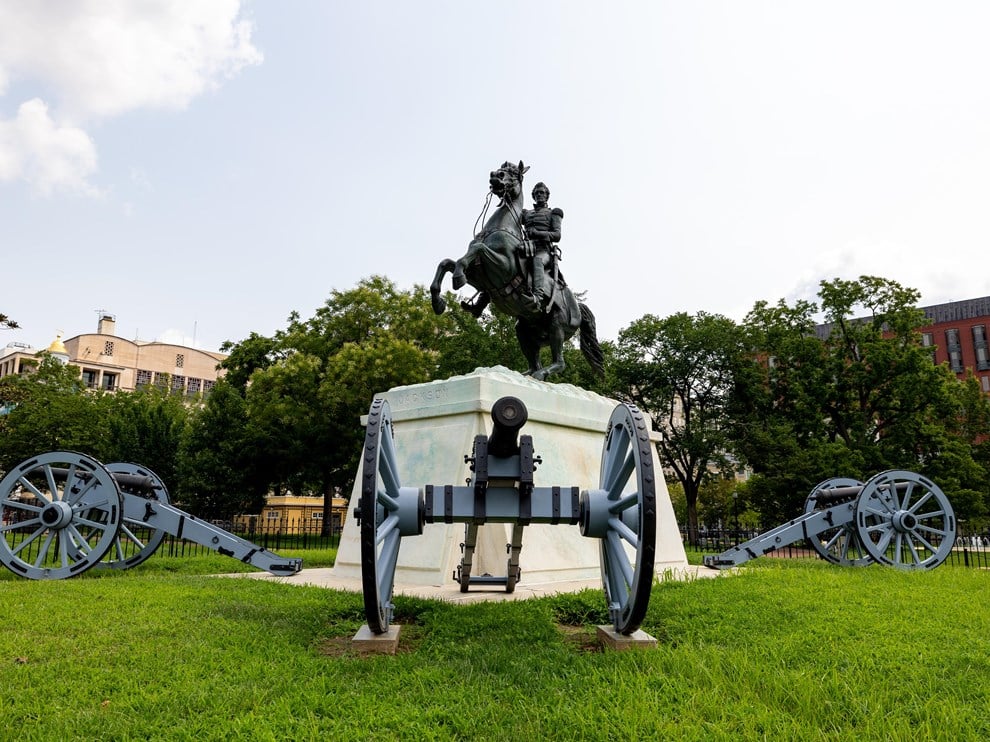
- Lafayette SquareWashington · Outdoor / Natural SiteHigh
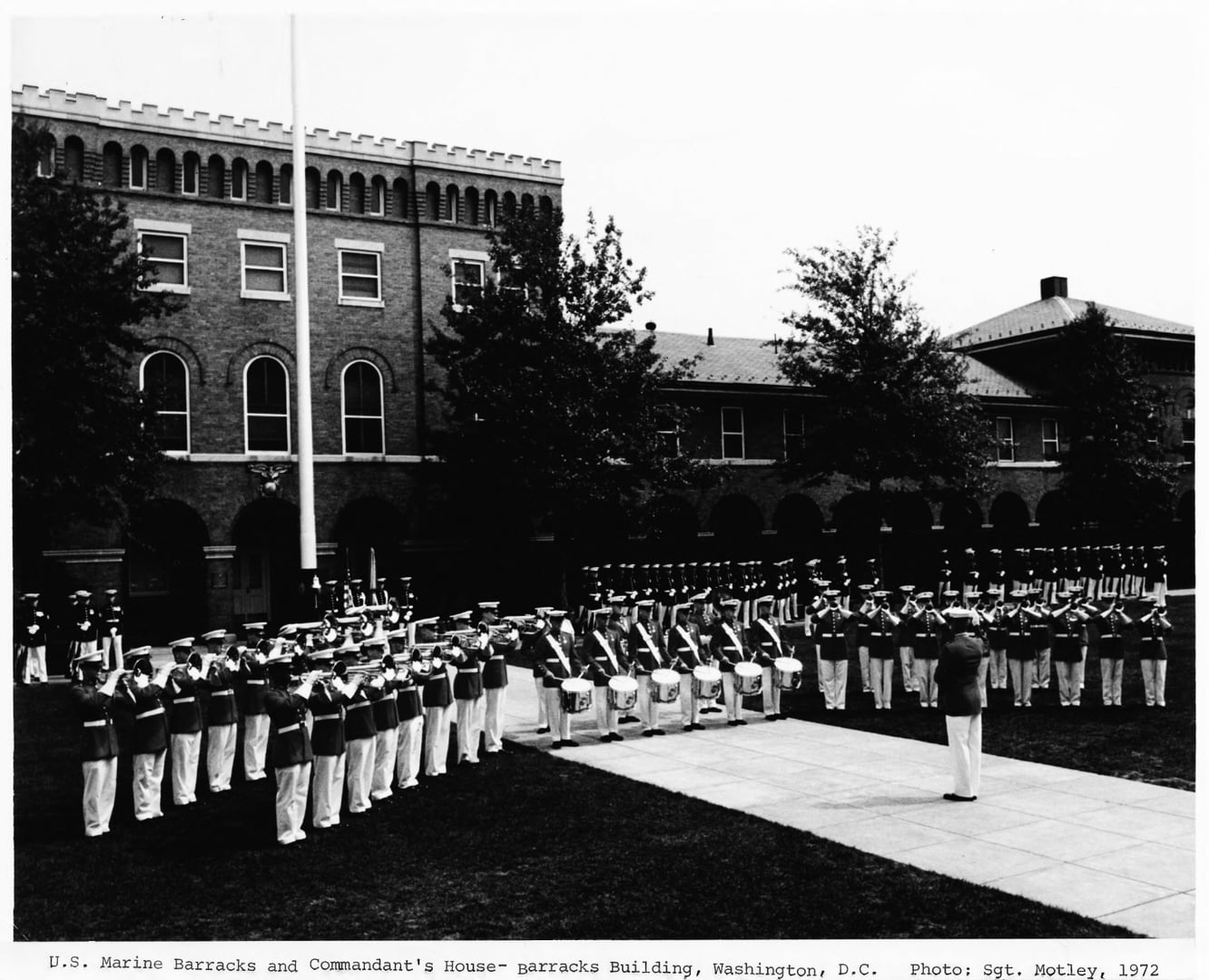
- Marine Barracks Commandant's HouseWashington · Museum / Historical SiteHigh
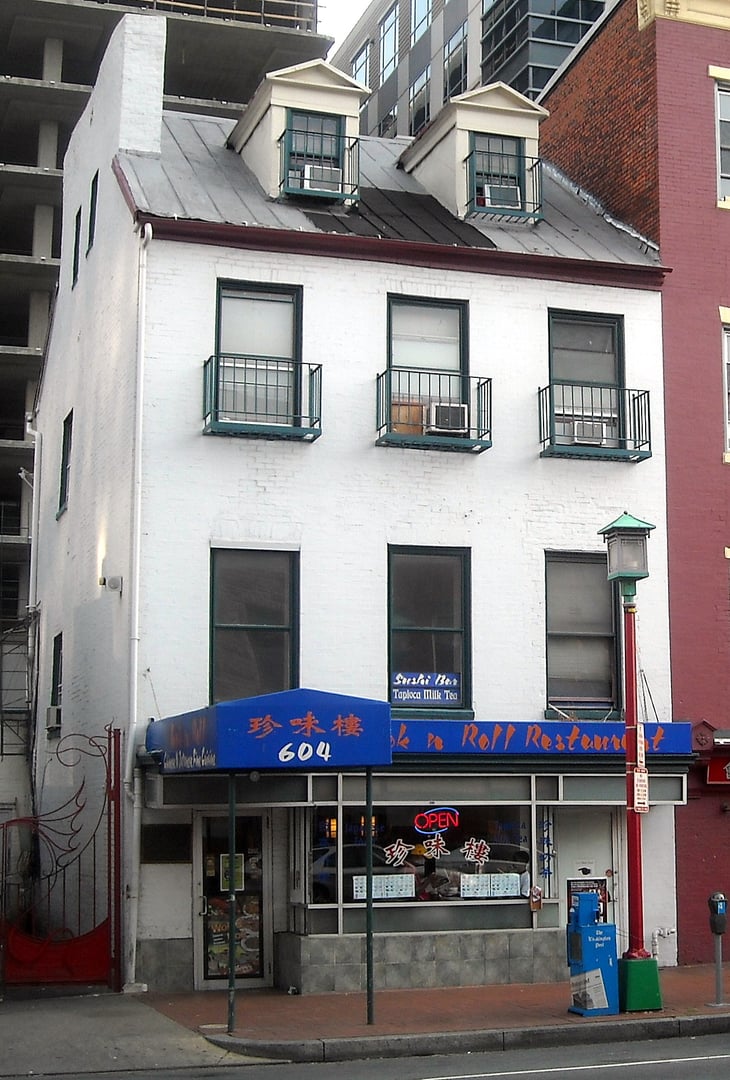
- Mary Surratt Boarding House (Wok and Roll)Washington · Haunted Dining / BarModerate
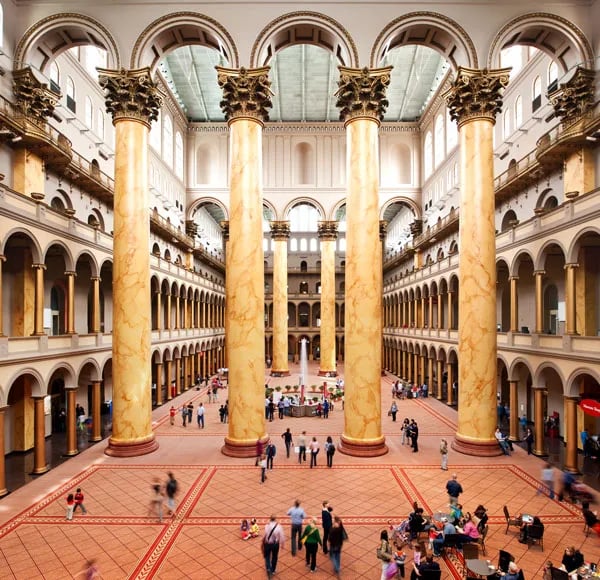
- National Building Museum (Pension Building)Washington · Museum / Historical SiteHigh
- Nightly Spirits Washington D.C.Washington · Ghost Tour / Walking TourN/R
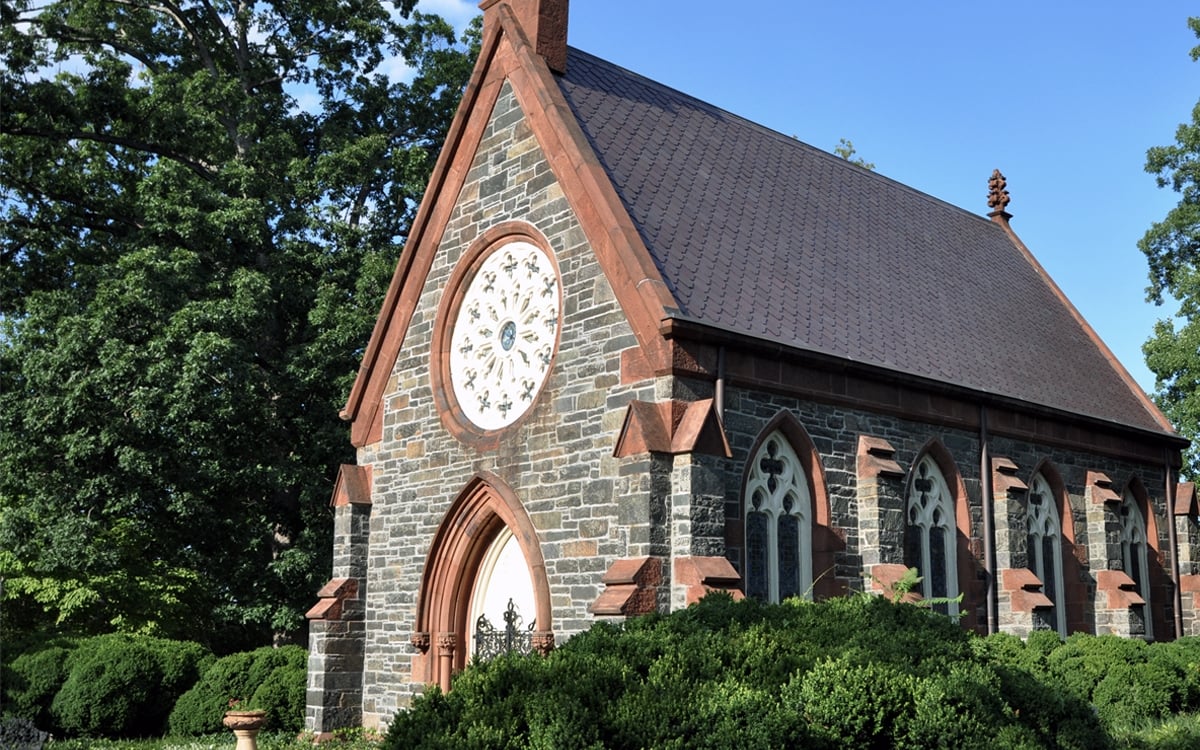
- Oak Hill CemeteryWashington · Cemetery / Burial GroundLow
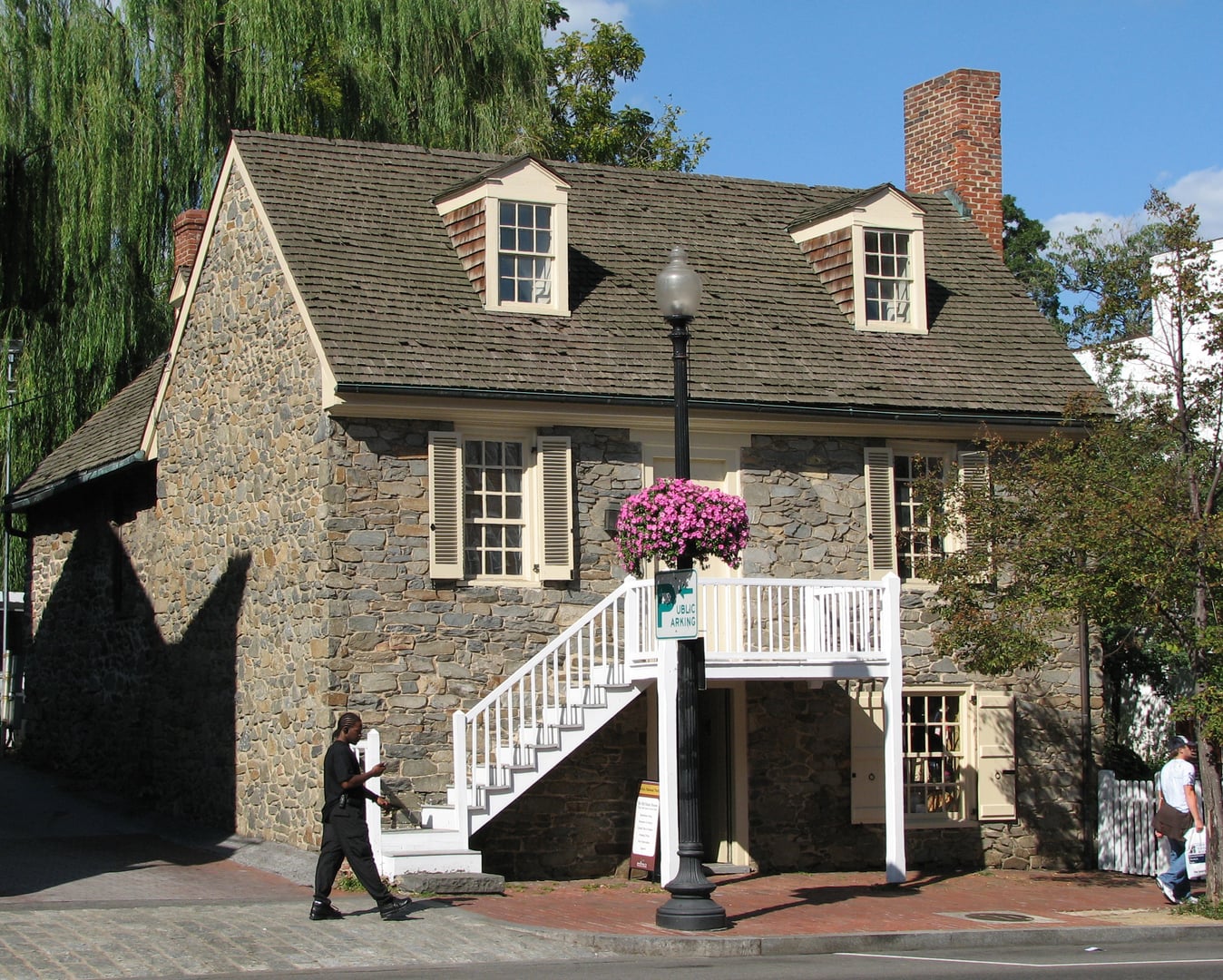
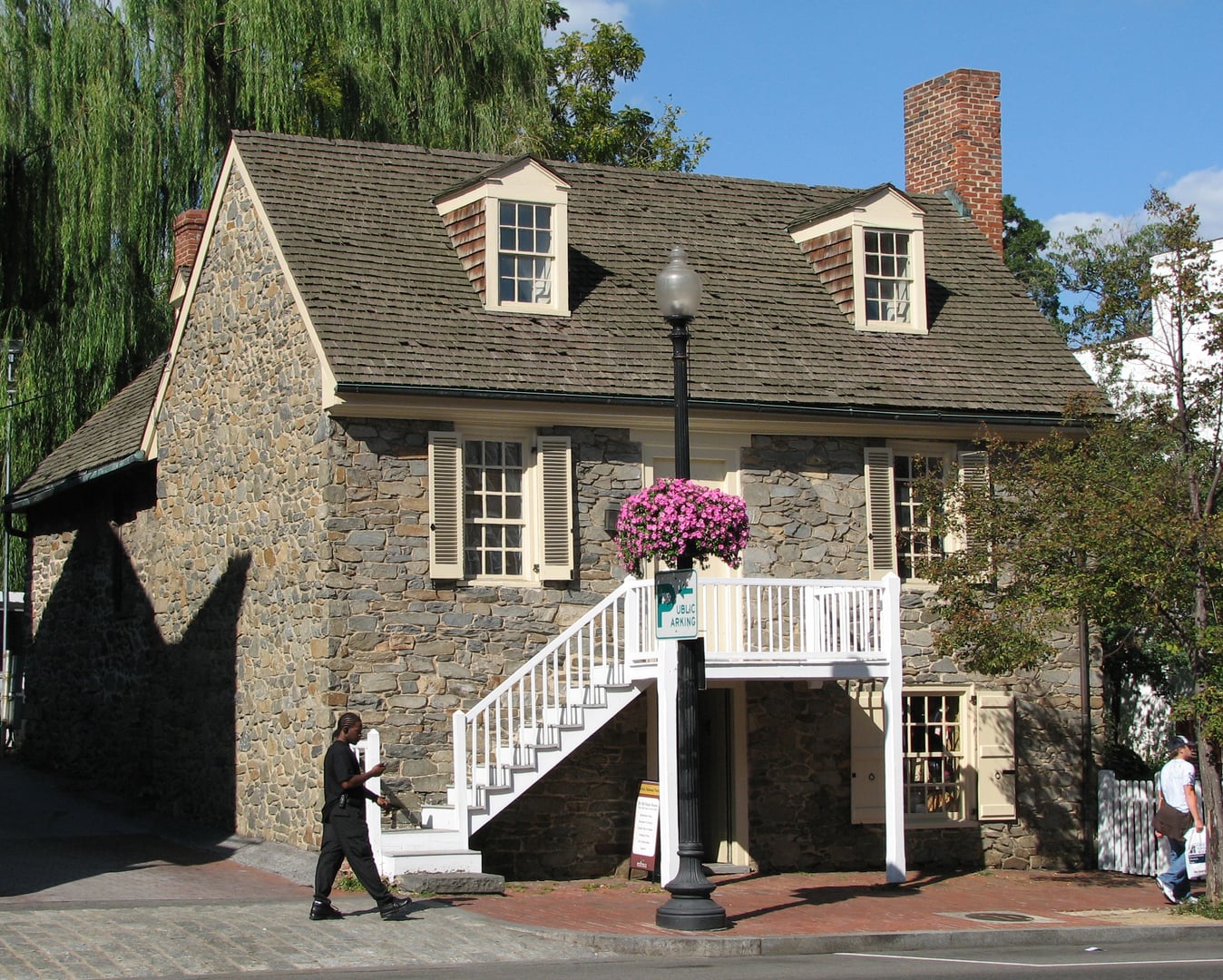
- Old Stone HouseWashington · Haunted House / Historic HomeModerate
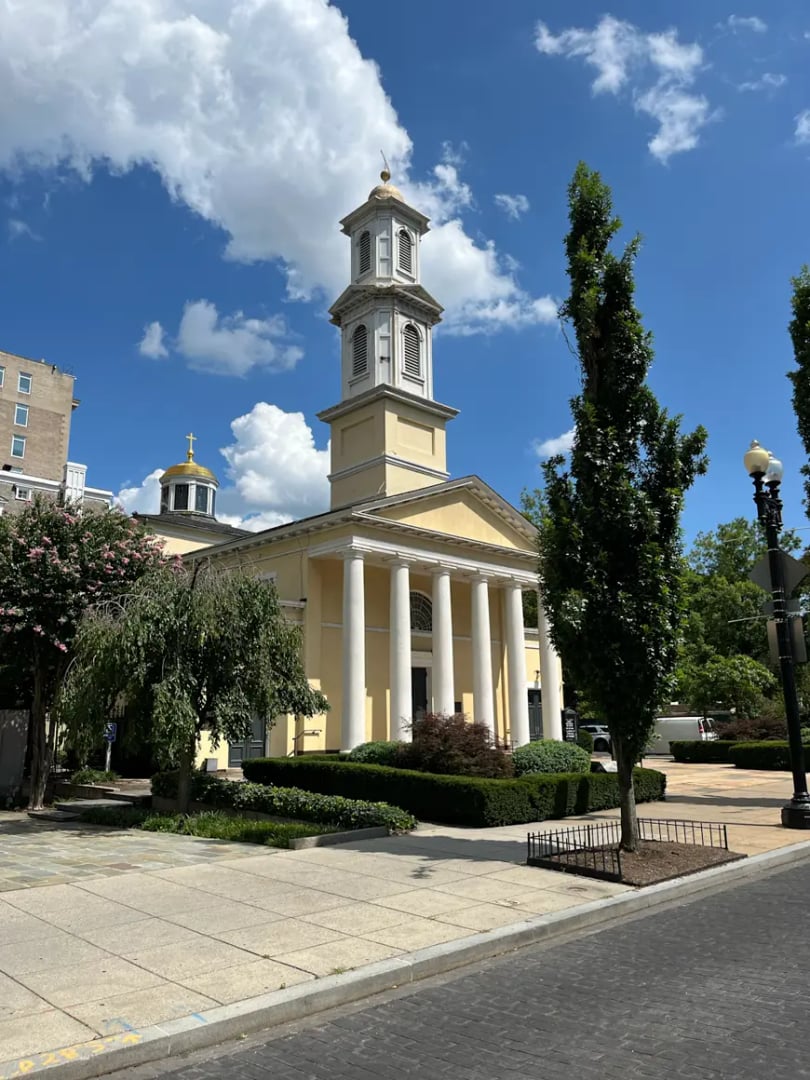
- St. John's Episcopal Church (Lafayette Square)Washington · Museum / Historical SiteHigh
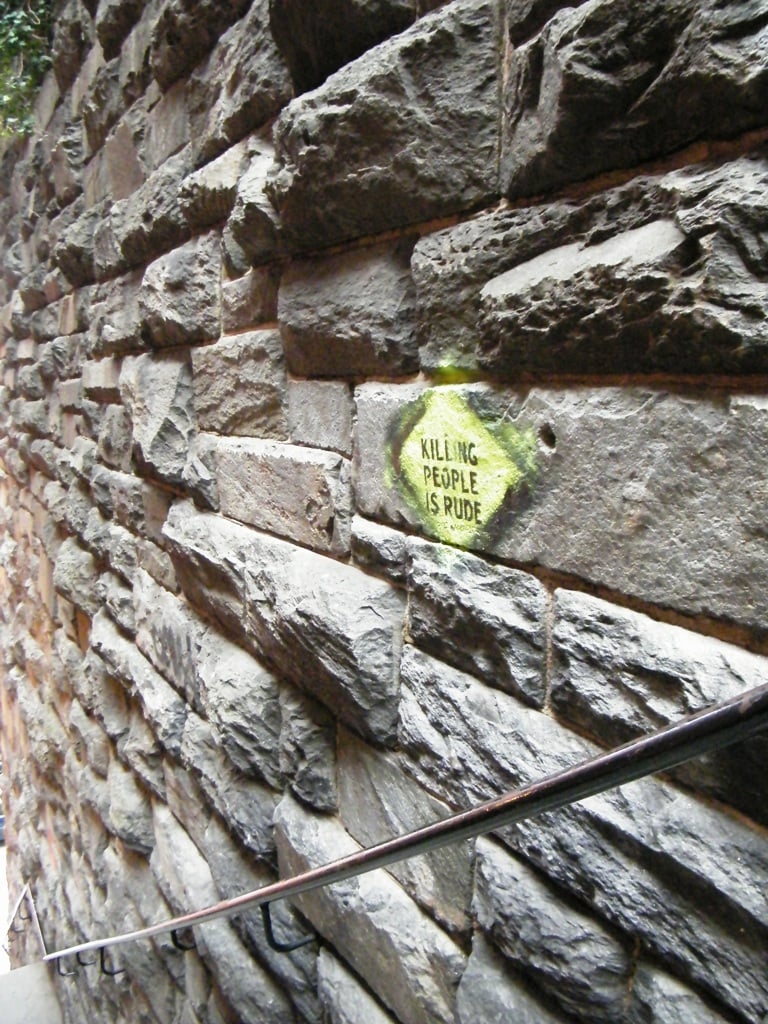
- The Exorcist StepsWashington · Other Dark Tourism SiteLow
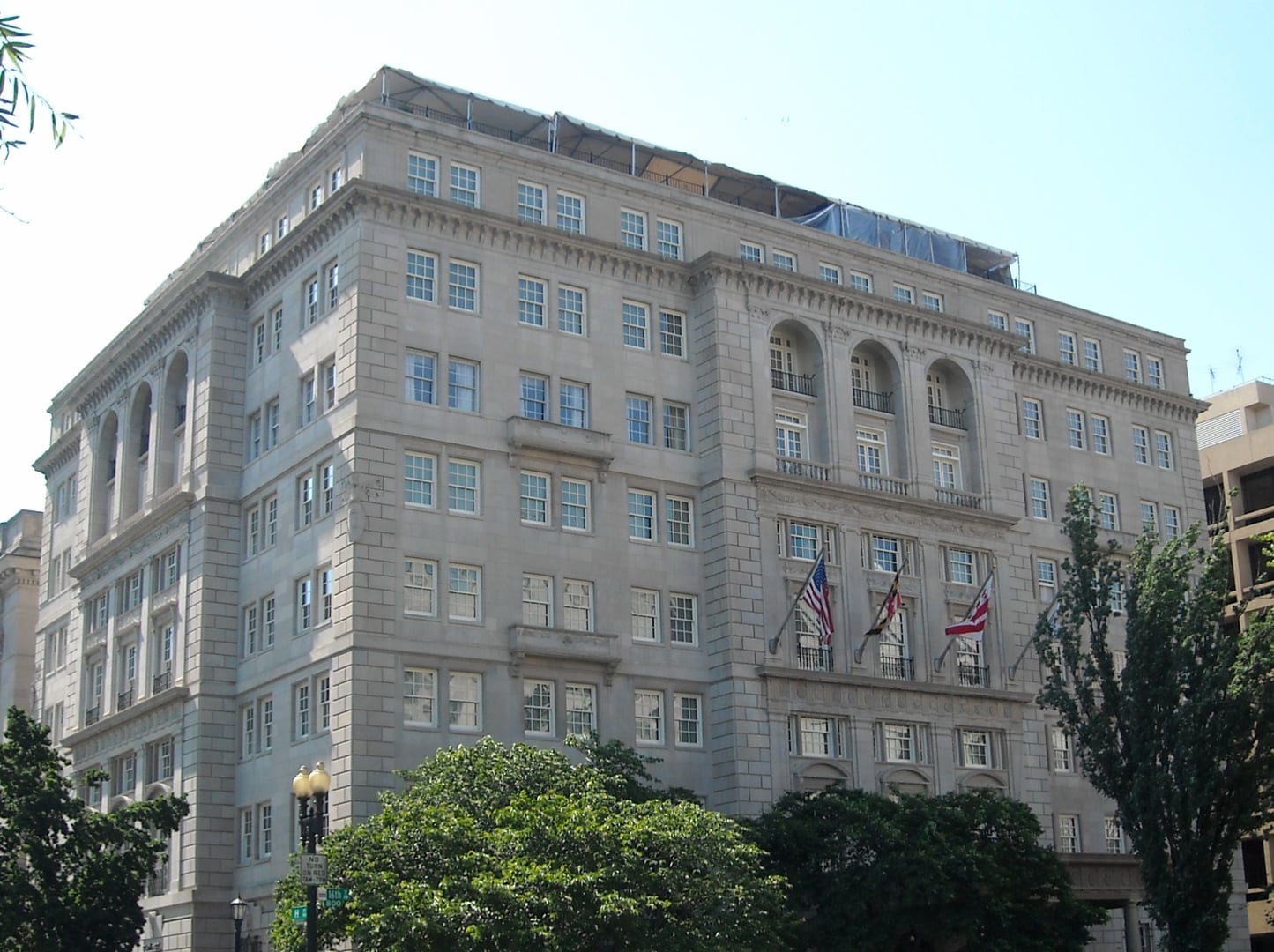
- The Hay-AdamsWashington · Haunted Hotel / InnHigh
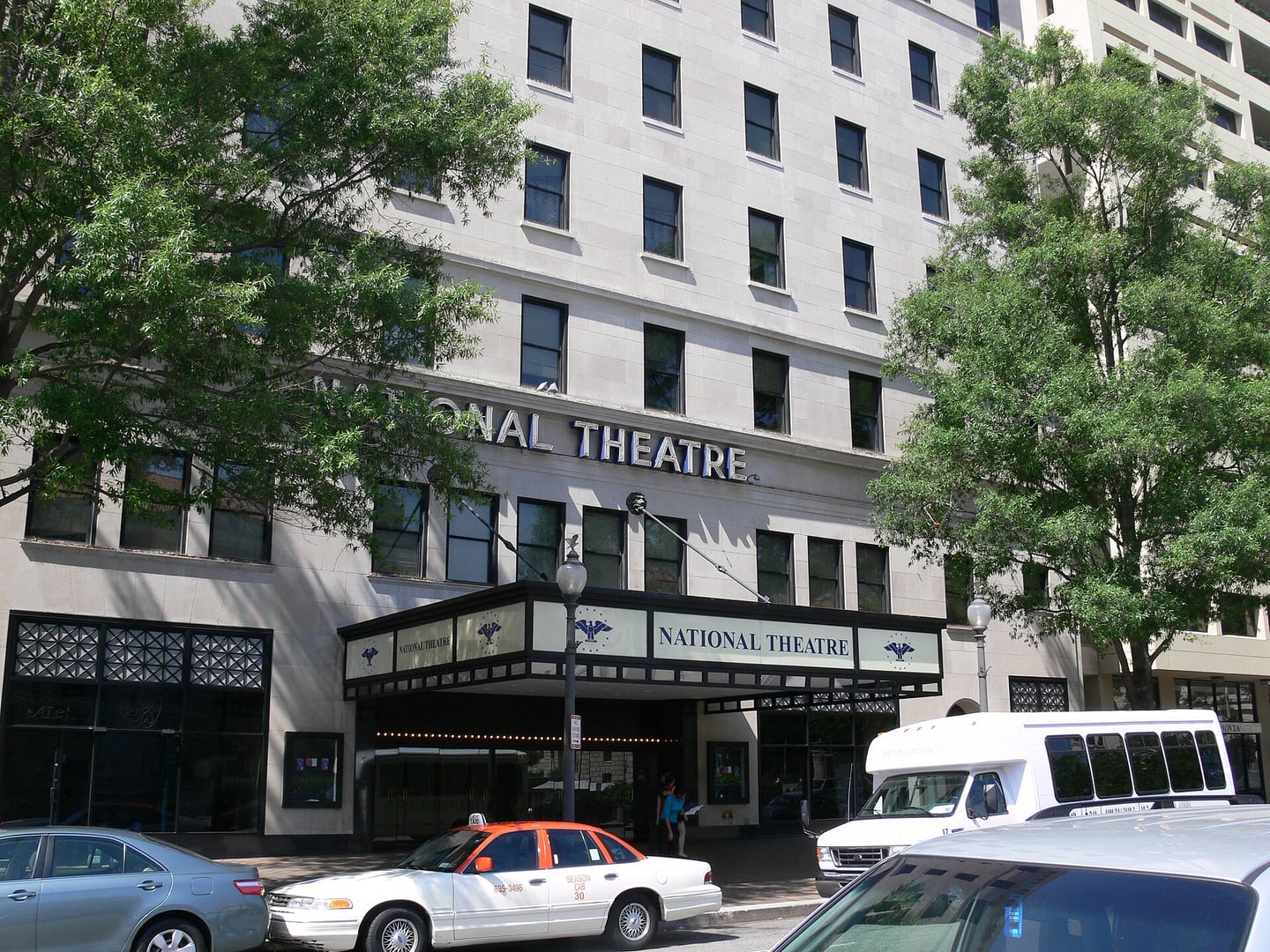
- The National TheatreWashington · Theater / Performance VenueHigh
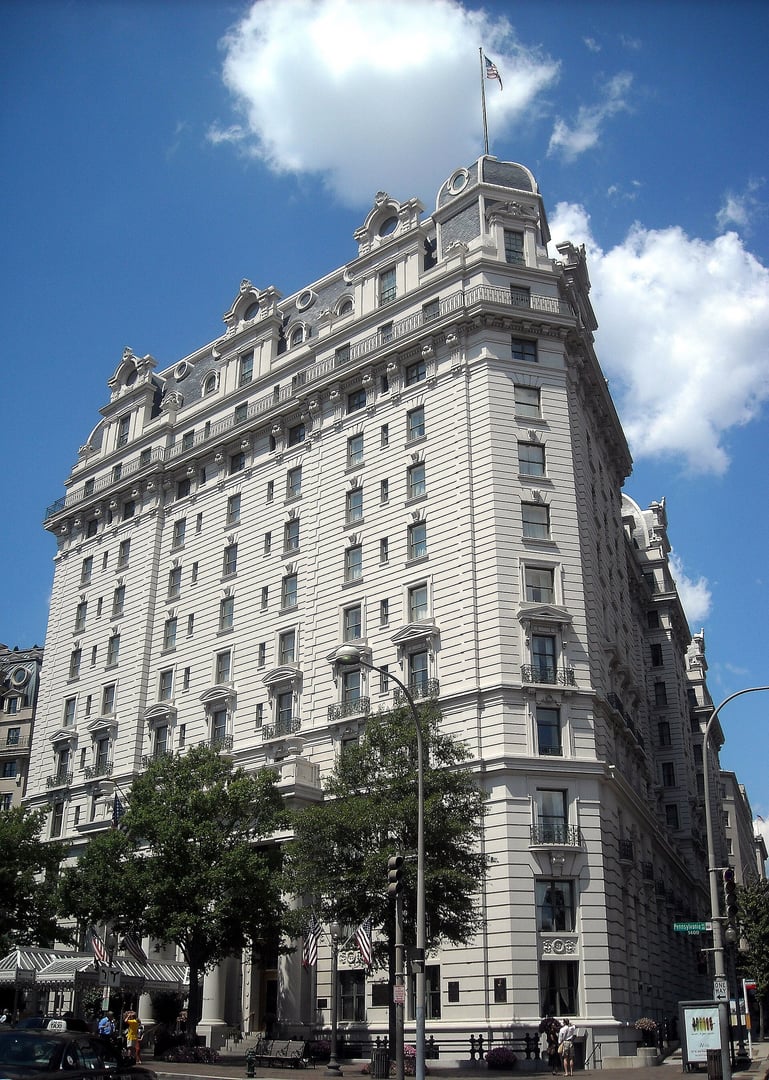
- The Willard InterContinentalWashington · Haunted Hotel / InnHigh
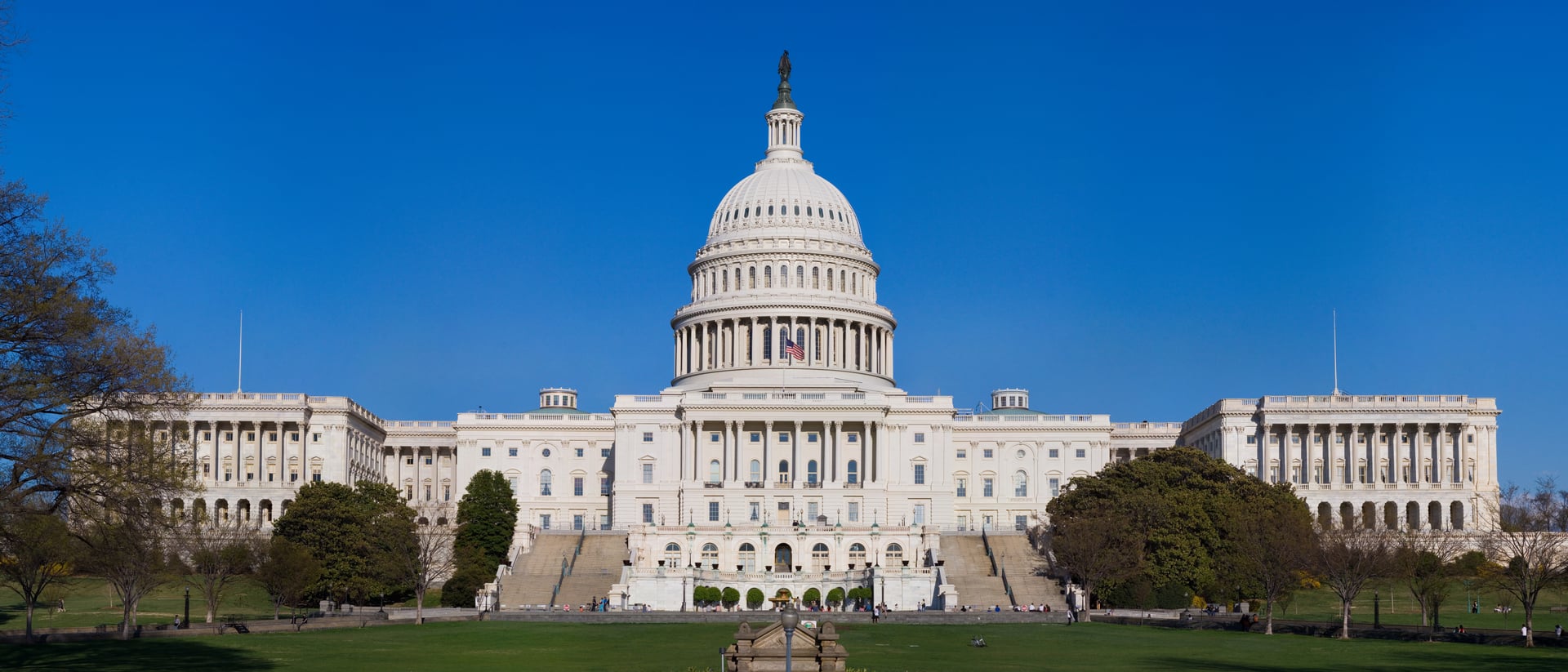
- United States Capitol BuildingWashington · Museum / Historical SiteHigh
- Woodrow Wilson HouseWashington · Museum / Historical SiteHigh
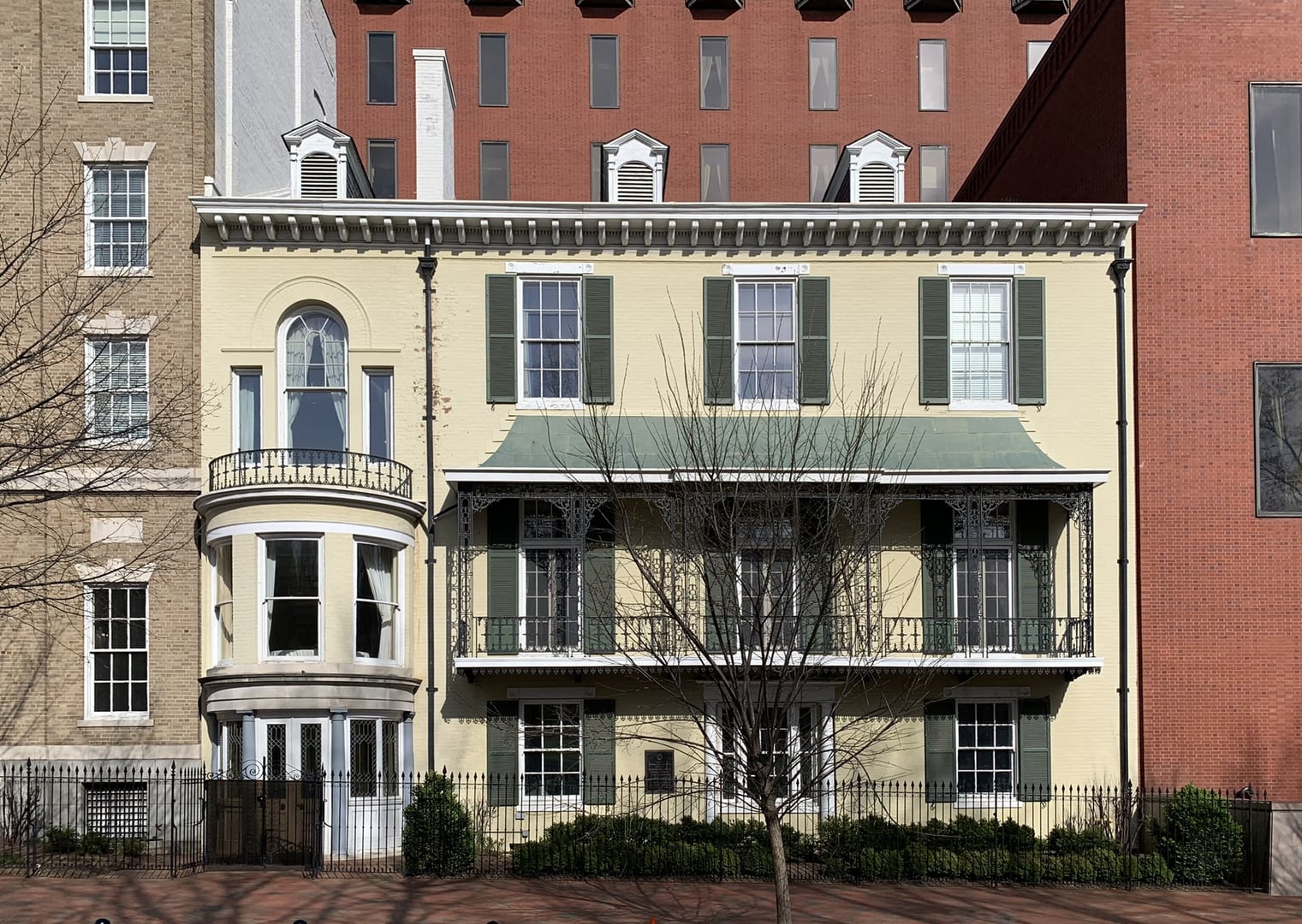
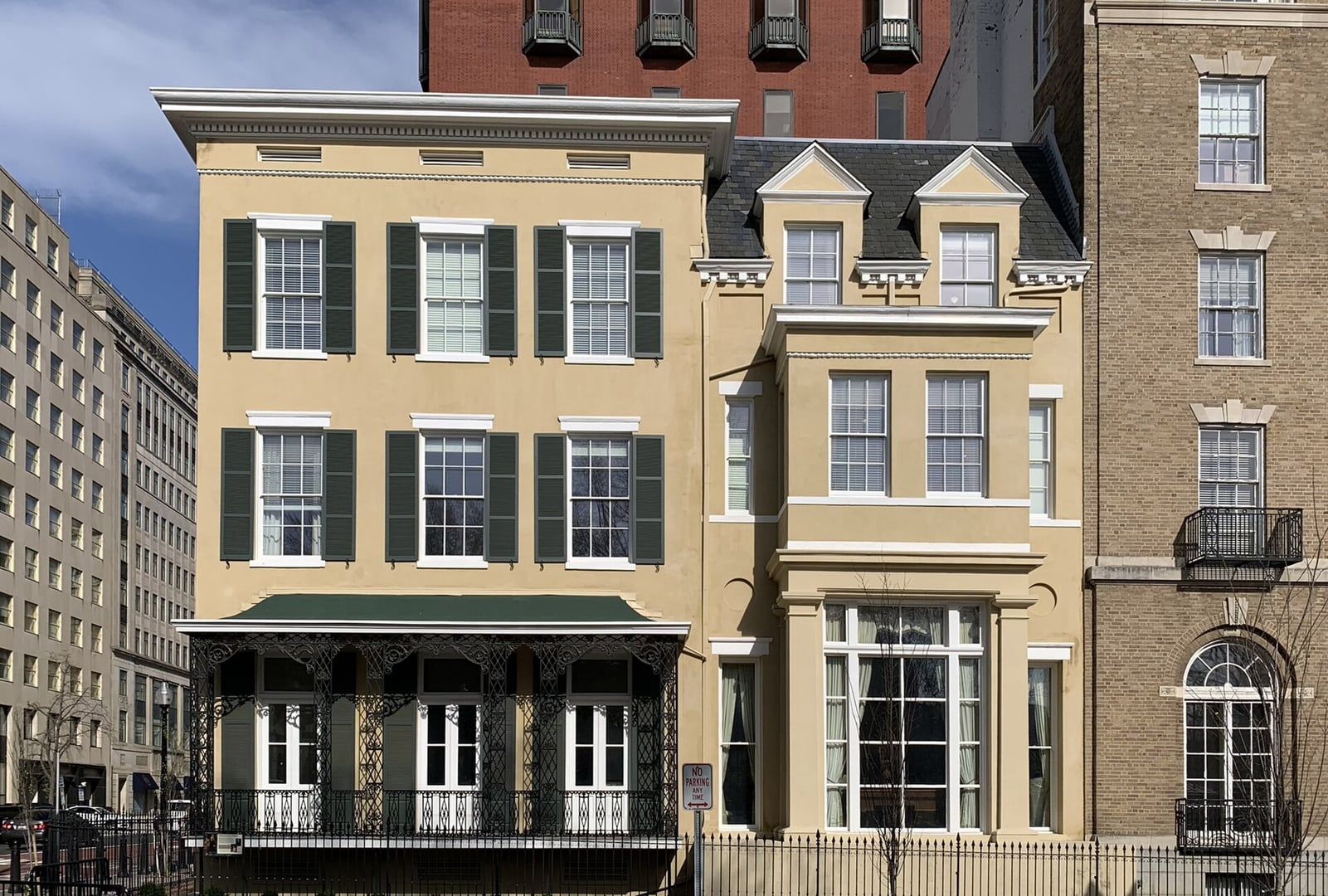
Washington Dc
9Collapse
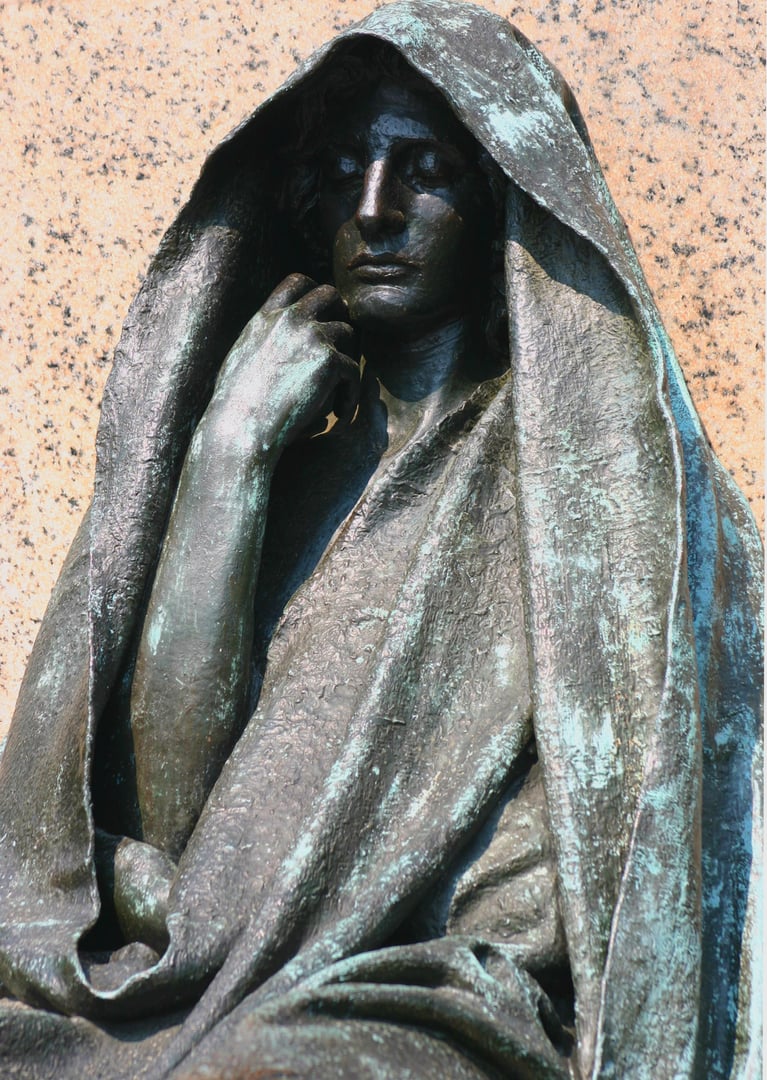
- Adams Memorial at Rock Creek CemeteryWashington · Cemetery / Burial GroundModerate
- AmeriGhost Tours Washington DCWashington · Ghost Tour / Walking TourModerate
- Fort McNair (Grant Hall)Washington · Battlefield / Military SiteModerate
- National Nightmares: Hill of HauntsWashington · Ghost Tour / Walking TourHigh
- Omni Shoreham HotelWashington · Haunted Hotel / InnHigh
- St. Elizabeths HospitalWashington · Asylum / HospitalLow
- The Octagon (Octagon Museum)Washington · Museum / Historical SiteHigh
- The White HouseWashington · Museum / Historical SiteHigh
- Walsh-McLean House (Embassy of Indonesia)Washington · Haunted House / Historic HomeHigh
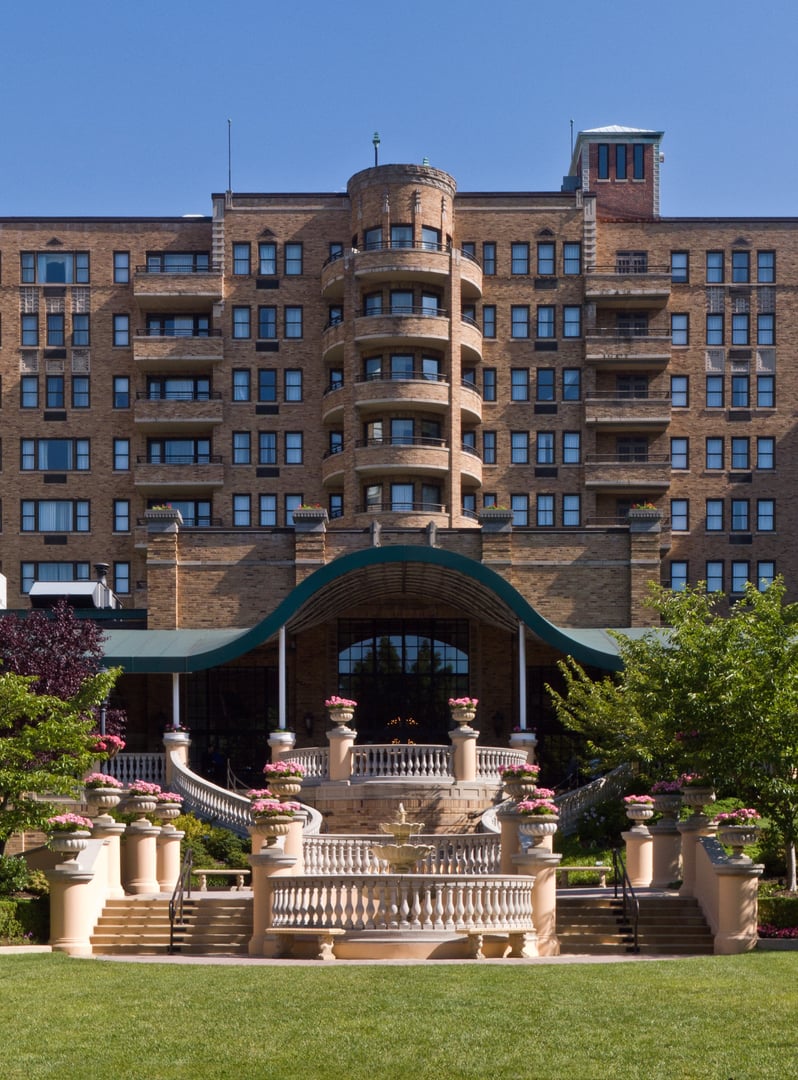
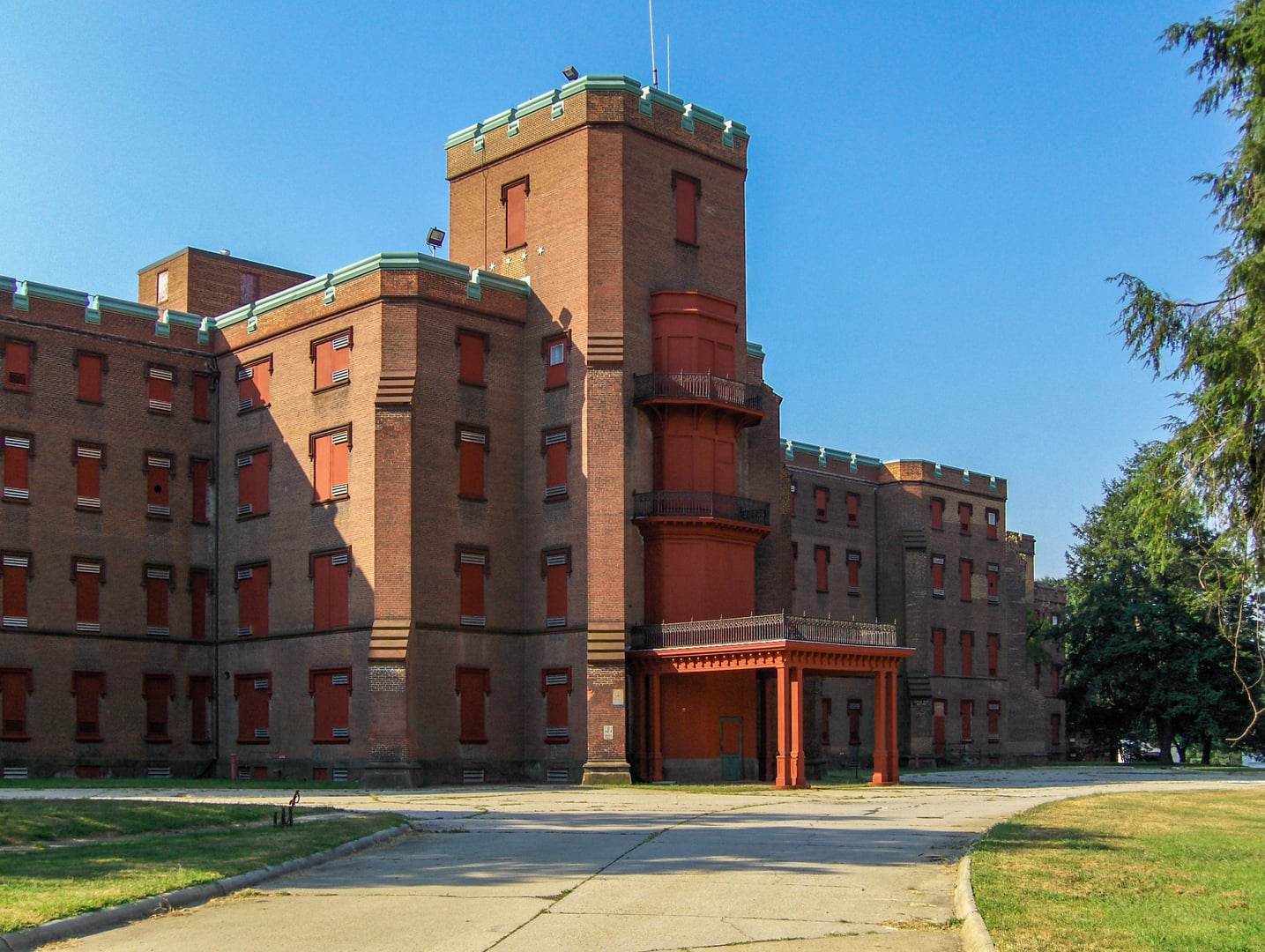
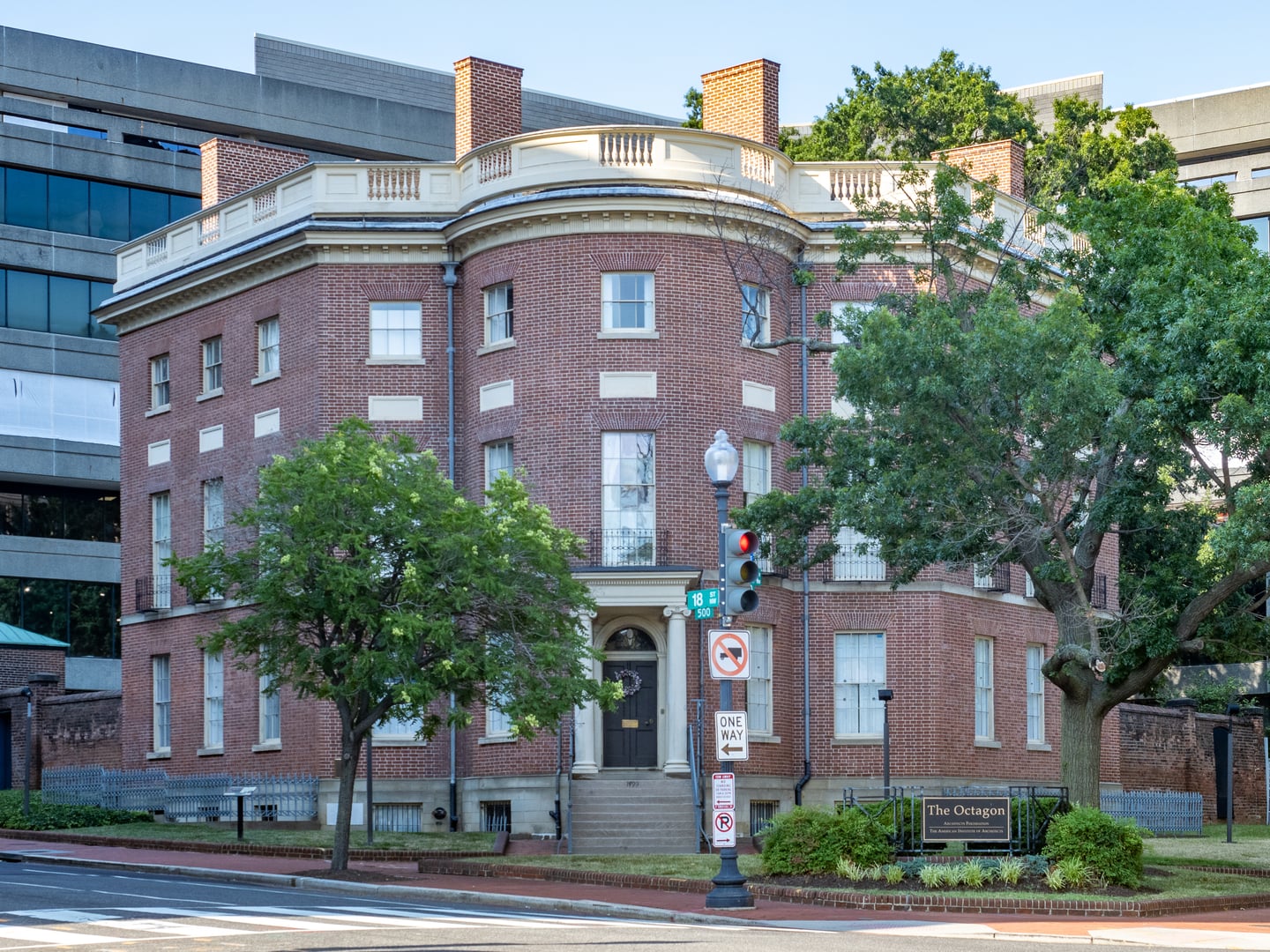
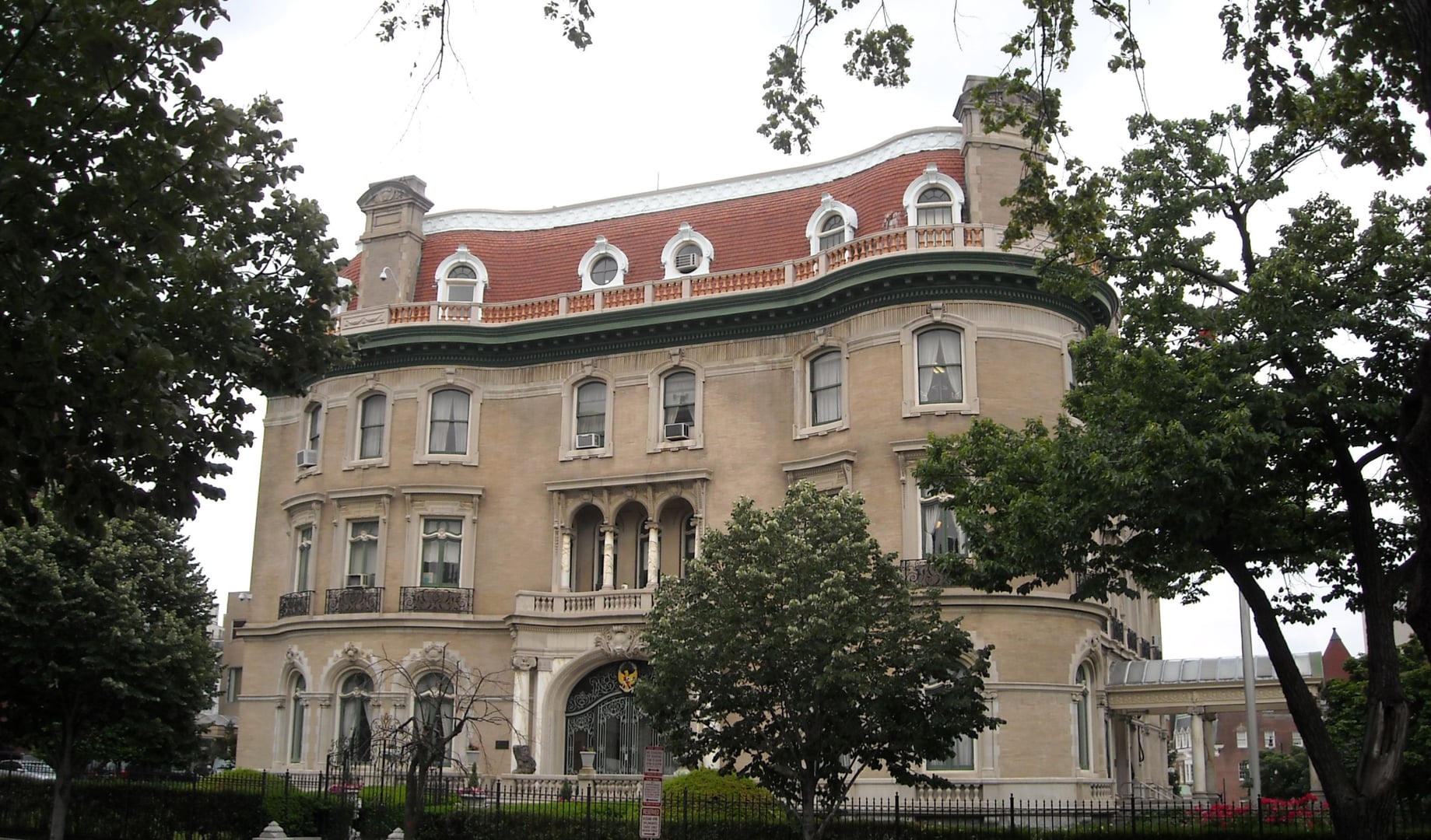
Washington Dc Metro
2Expand
- The Octagon HouseWashington · Museum / Historical SiteHigh
- US Ghost Adventures Washington DCWashington · Ghost Tour / Walking TourModerate
National Capital
1Expand
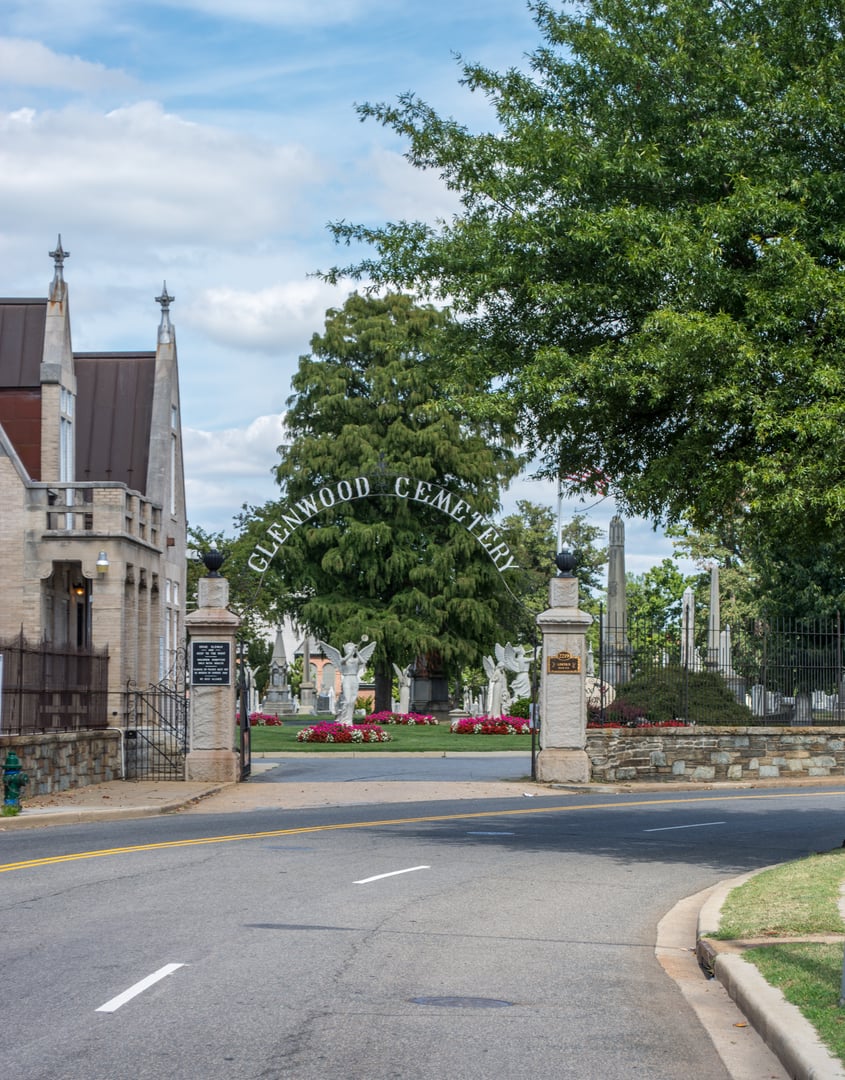
- Glenwood CemeteryWashington · Cemetery / Burial GroundHigh
By city
By type
Plan the trip
Stay the night, eat well, investigate
Kept separate from the ranking: Washington, D.C.'s best-documented stays, dinners and overnight investigations, each with a booking path.
Those pages carry booking links, and some pay HauntBound a commission. Rankings never do. How the firewall works.
The Washington, D.C. Haunted Trail
Every trail-eligible stop on one regional map. See the network first, then take the route.
Open the trail map →The weekend field guide
Drive order, drive times, the full stories, printable. One email; unsubscribe any time.
Neighbouring states
Also for Washington, D.C.
34 published locations; counts refresh with every build.