The Most Haunted Places in Wisconsin
132 documented locations, ranked by depth of evidence. Updated September 2026.
What makes this ranking different
- Evidence-ranked. Ranked by independent sources, documentation depth, and how far back reports go, not by legend. See methodology.
- Family-rated. The only haunted-places index with a family-suitability rating on every site.
- Logistics-verified. Every entry checked for what you can actually visit, book, or stay in.
Wisconsin has 132 documented haunted locations in the HauntBound index.
- Total documented
- 132
- Museum / Historical Site
- 23
- Haunted Dining / Bar
- 21
- Cemetery / Burial Ground
- 18
- Family-friendly
- 123
- Bookable
- 43
- Oldest documented site
- Heritage Hill State Historical Park — Fort Howard Hospital (1830)
- Most-reported phenomenon
- apparitions
- Stays
- Top 10 you can sleep in
- Tours
- Top 8 ghost tours
- Investigations
- Top 6 overnight investigations
- Eat & Drink
- Top 10 bars & restaurants
- This October
- 17 experiences running this October
Confirmed by the evidence
Wisconsin's most famous haunt, The Pfister Hotel, is also its evidence winner.
Ranked
-
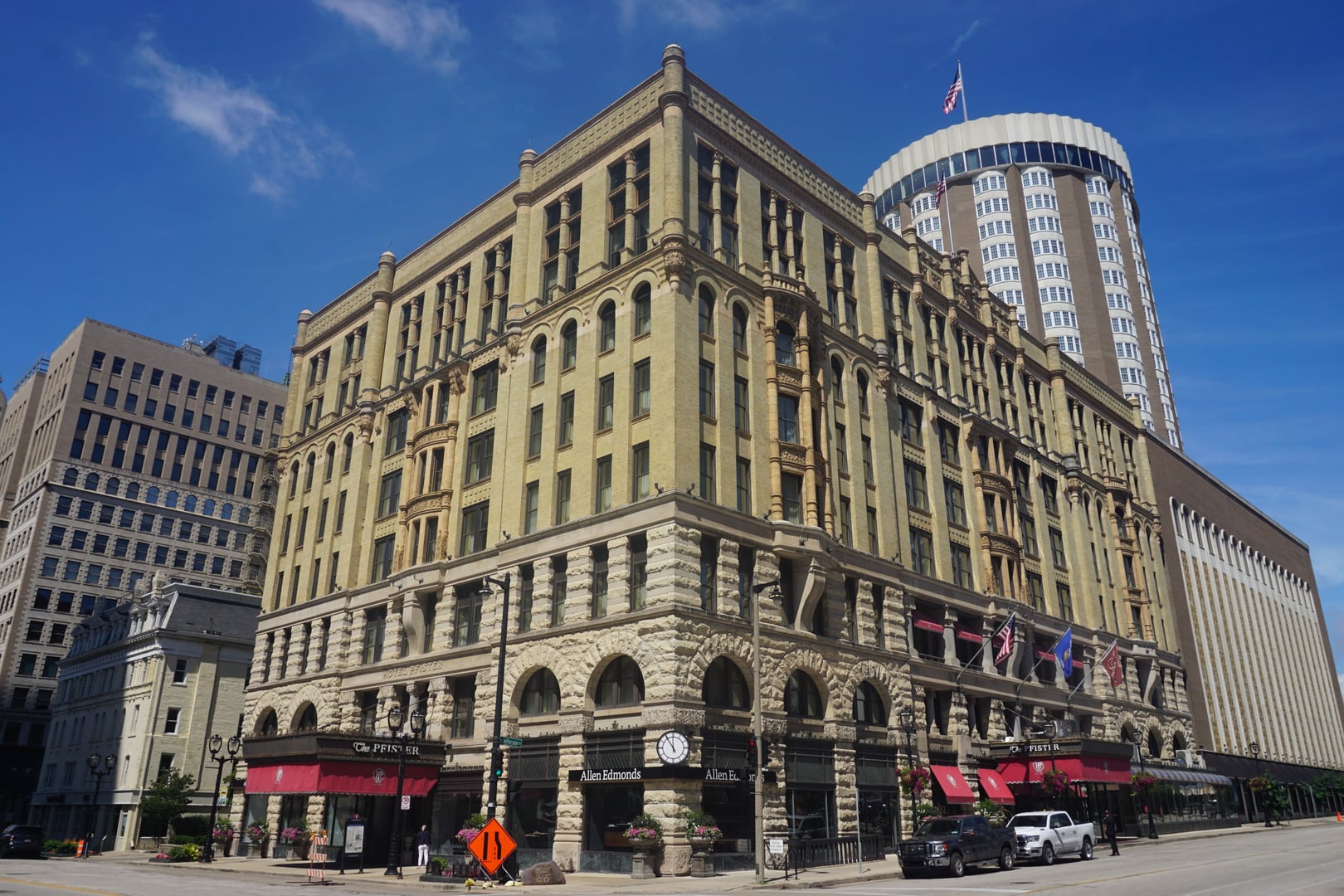
Guido Pfister planned Milwaukee's finest hotel before his 1889 death, and his son Charles completed it in 1893; it now holds the largest Victorian art collection in any American hotel. Charles died in 1927, and staff call him the hotel's spokes-ghost. As the required stay for visiting MLB teams, the Pfister has collected decades of player accounts, including a pitcher who reported being touched at night and another who documented footsteps turning into stomps.
11 original accounts · documented across 3 decades, 2001-2021 · retold in 6 later publications
-
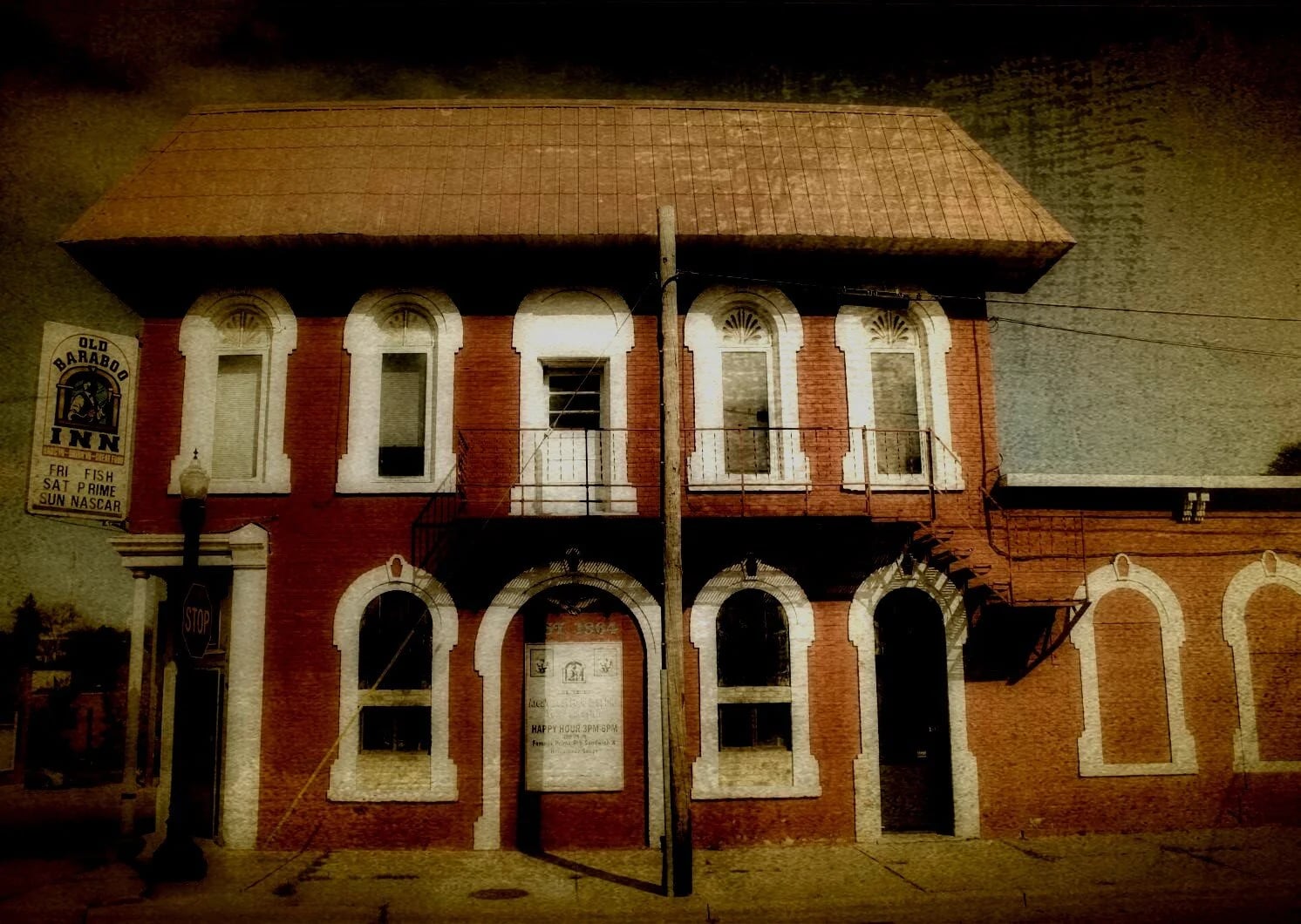
Built in 1864 across from the Baraboo depot, the building spent decades as a saloon and brothel before becoming today's bar and grill. Local accounts describe several women and two former owners dying there, and investigators have logged dozens of reported presences, among them a brothel-era woman named Mary and a saloon dancer on the upstairs landing. Visitors report moved objects, taps to the head and shoulder, and doors opening on their own.
7 original accounts · documented across 2 decades, 1998-2005 · retold in 8 later publications
-
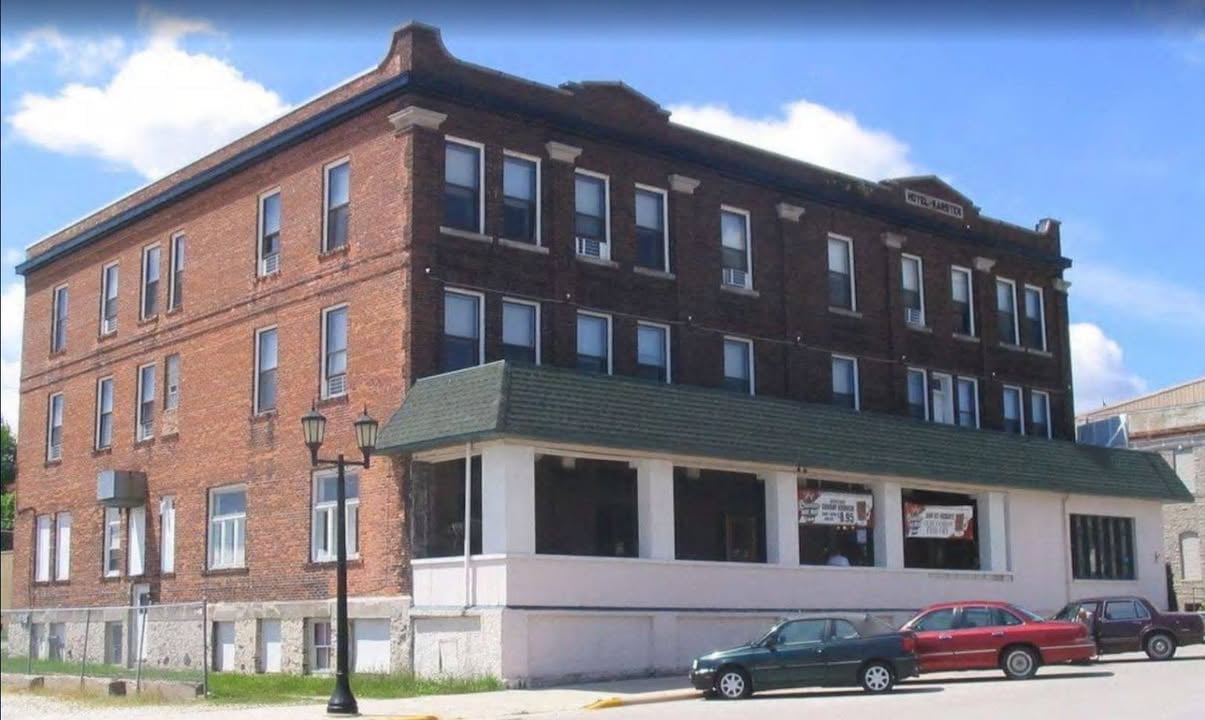
HauntBound identified three distinct published accounts at this working hotel, across four kinds of published source. Two later publications retell those accounts. Reported phenomena include apparitions and cold spots.
3 original accounts · documented across 2 decades, 1966-2024 · retold in 2 later publications
-
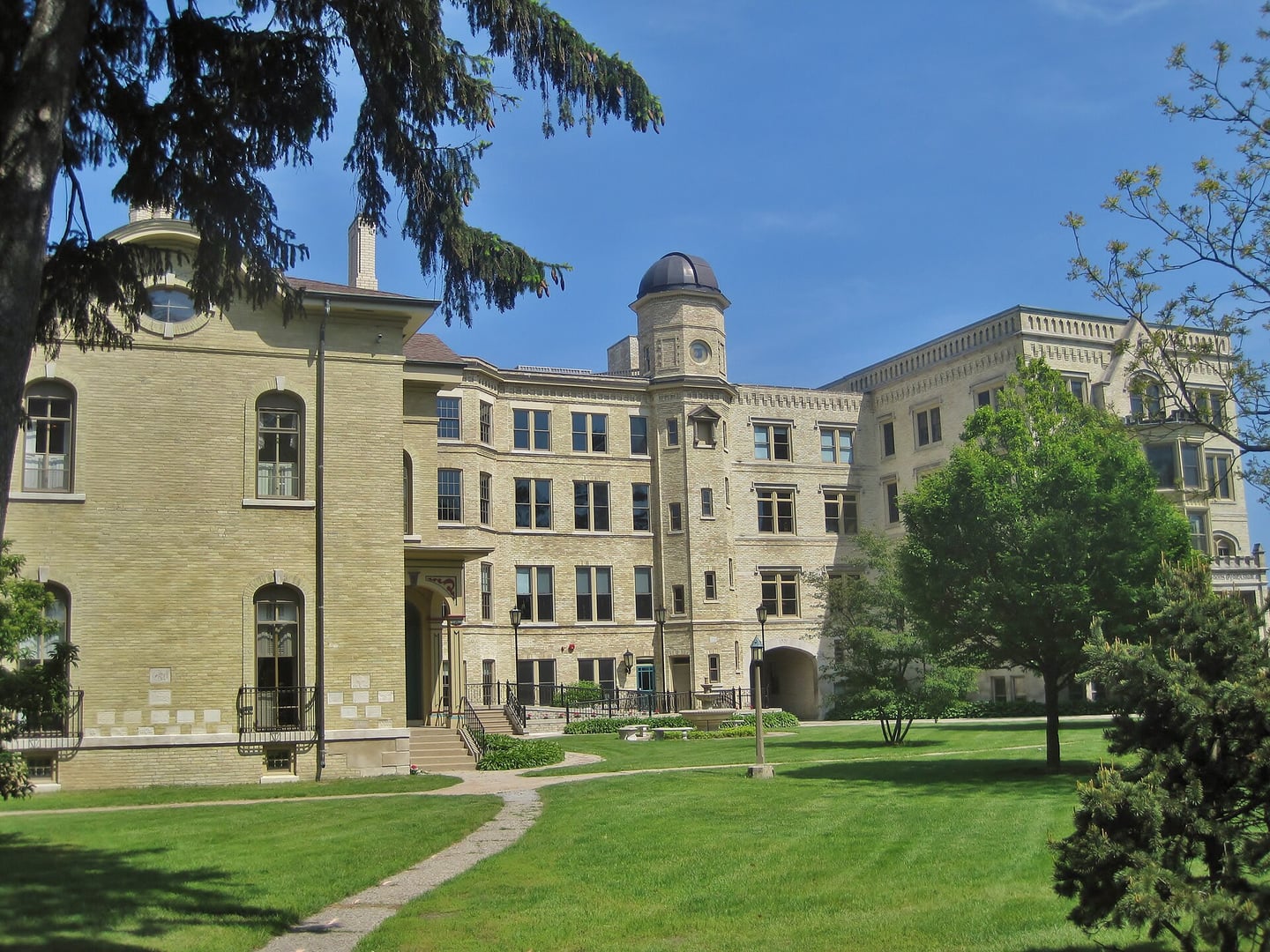
The Durkee Mansion was built in 1861 as the home of U.S. Senator Charles Durkee and was converted in 1865 into Kemper Hall, an Episcopal boarding school for girls that ran for 105 years until its 1975 closure. A local legend, which the magazine account that recorded it explicitly calls unconfirmed, holds that a young Sister's mental state declined after she arrived at the school in 1899 and that she drowned in Lake Michigan; two children found a body washed ashore in January 1900. Visitors report cloaked figures glimpsed in the hallways, creaking footsteps with no clear source, and apparitions passing the windows.
4 original accounts · documented in 1996 · retold in 3 later publications
-
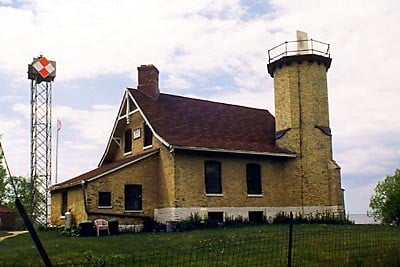
Chambers Island Lighthouse was built in 1868 on a remote island in northern Green Bay; its first keeper, Lewis Williams, served 21 years and raised 11 children on the island before retiring in 1889. In the spring of 1976 a caretaker reported footsteps descending the tower stairs and crossing through the living room and kitchen before a door clicked shut on its own, and during a 1979 renovation tools began disappearing and turning up in unlikely places; overnight visitors have also reported beds shaking on their own. A Door County Maritime Museum curator has called the accounts historically accurate, and local tradition attributes the activity to keeper Williams.
3 original accounts · documented across 1 decade, 1976-1979 · retold in 5 later publications
-
Built in 1836 over a Cornish miners' cave in Mineral Point, Walker House grew into a three-story inn by the 1850s. On November 1, 1842, William Caffee was hanged in the inn's yard after a murder conviction, and staff attribute mischief to him, such as locking employees in a freezer and turning doorknobs without opening doors. Investigators and psychics have identified 22 distinct presences, along with reports of floating heads and voices from empty rooms.
1 original account · documented across 2 decades, 1842-1981 · retold in 6 later publications
Disputed by the venue The inn's own website treats its ghost stories as tongue-in-cheek marketing humor, stating outright, 'We haven't seen any ghosts, but you might entice one to float by the campfire.'
- 7. Sheboygan County Health Care Center (Sheboygan Haunted Asylum) Sheboygan Falls · Asylum / Hospital · Family Comfort: Low
Built in 1939 as a psychiatric and developmental-disability facility, the center was commandeered from 1944 to 1945 to house German and Italian prisoners of war as Camp Sheboygan, before closing as a care facility in 2002. The building now operates as a weekly paranormal investigation venue billed as Wisconsin's only real asylum ghost hunt. Visitors report slamming doors, disembodied screams, footsteps overhead, and shadow figures, with the basement and surgical ward the most active areas.
3 original accounts · documented in 2020 · retold in 1 later publication
-
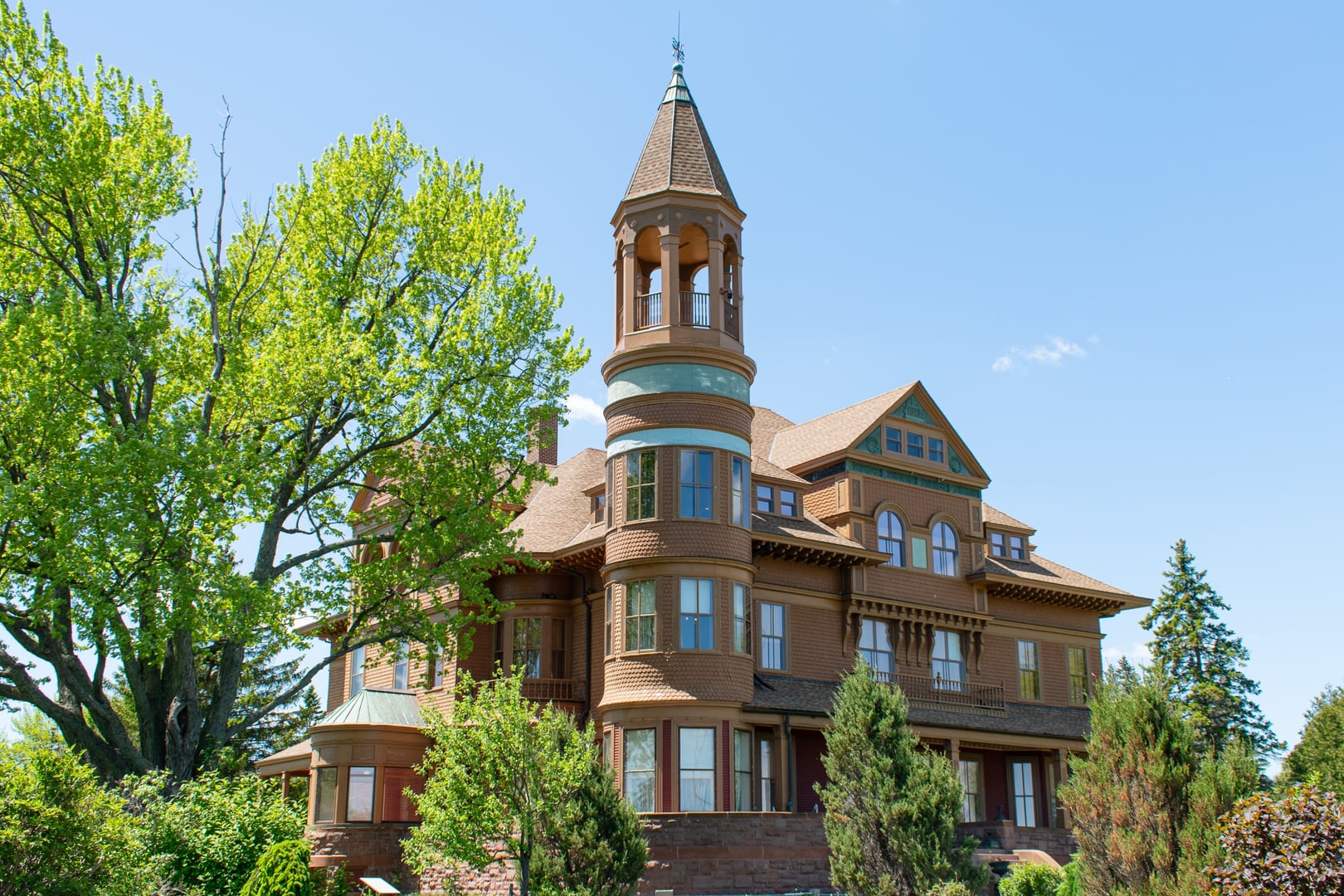
Lumber baron Martin Pattison completed his 42-room Fairlawn Mansion in 1891 and lived there until his 1918 death; his widow Grace donated it to become the Superior Children's Home, which housed 2,000 children before closing in 1962. Staff report cigar smoke in Pattison's old rooms and a grandfather clock that swings open its case door by itself. Visitors also describe children's laughter in the basement and a young servant said to guide lost guests upstairs.
2 original accounts · documented across 1 decade, 2022-2025 · retold in 5 later publications
-
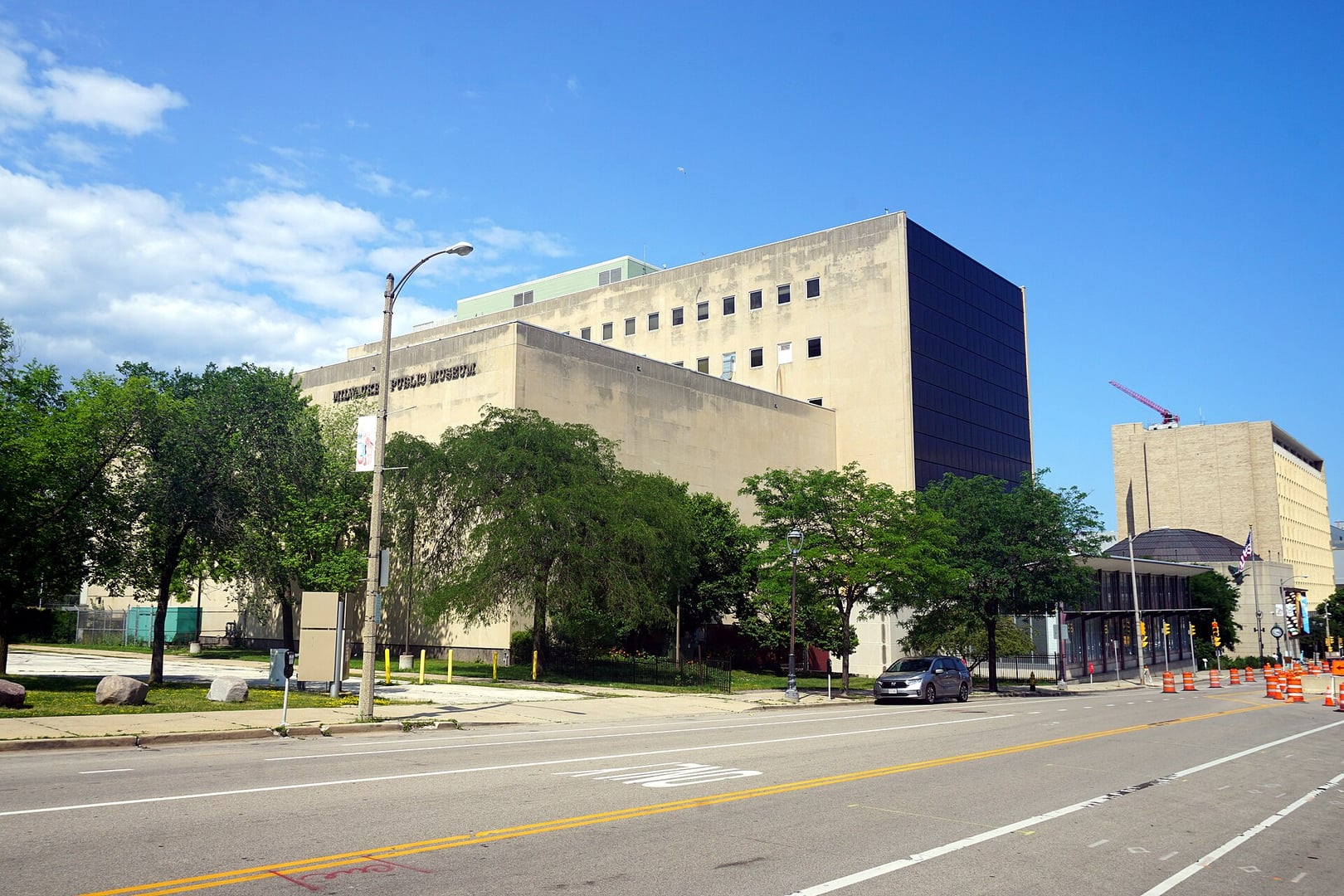
The Milwaukee Public Museum's current building at 800 West Wells Street opened in 1963, continuing a collection the city had acquired from the German-English Academy in 1882. Dr. Stephan F. de Borhegyi, a Hungarian-born Mesoamerica scholar known for his cape and courtly manner, directed the museum from 1959 until he died in a car accident blocks away on September 26, 1969. Staff report glimpsing a caped figure out of the corner of the eye on the third floor near his old exhibits, along with an elevator that opens there with no rider, self-triggering motion sensors, and cold spots near his portrait.
1 original account · documented in 1969 · retold in 6 later publications
-
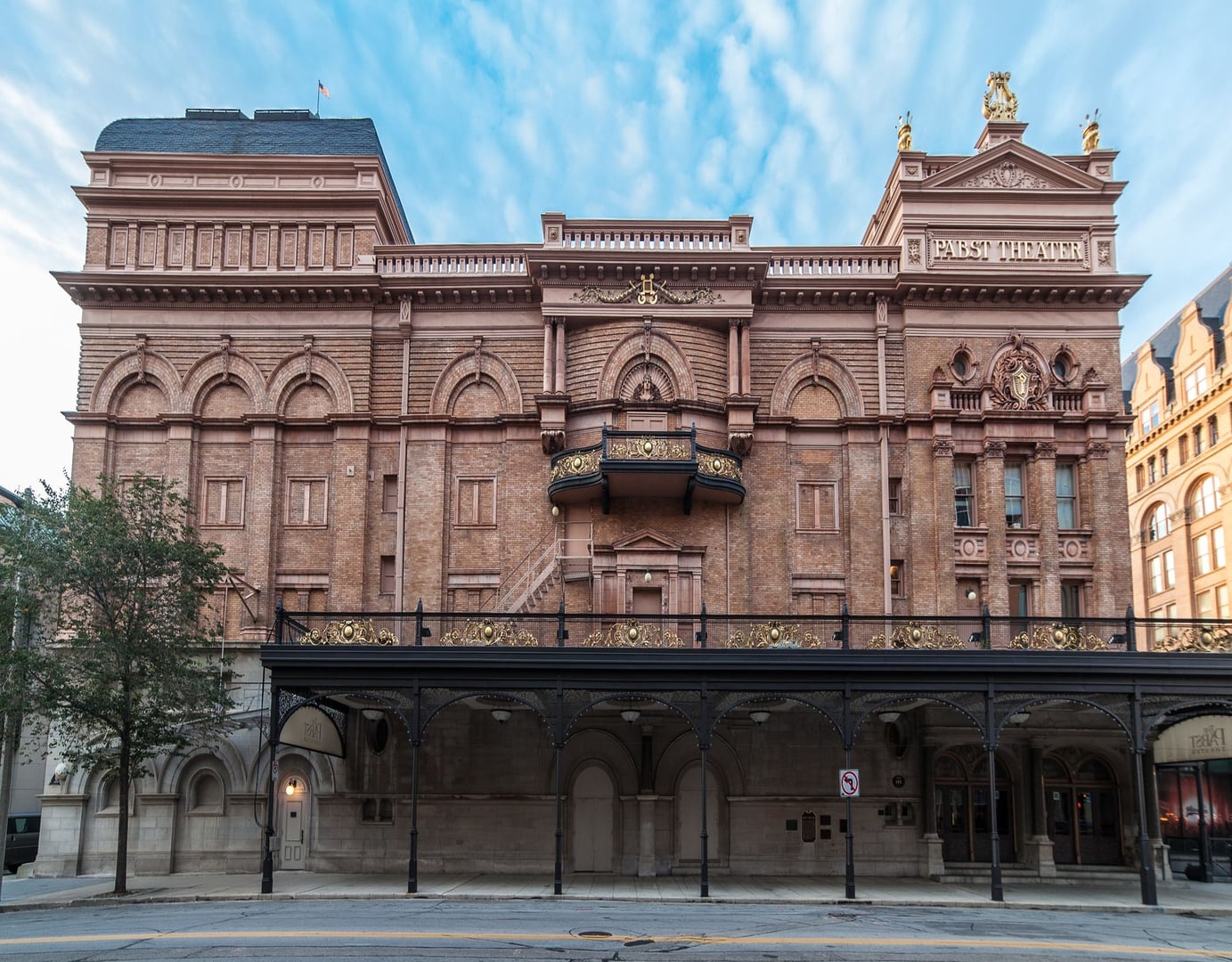
Captain Frederick Pabst commissioned architect Otto Strack to replace the fire-destroyed Stadt Theater, and the Pabst Theater opened November 9, 1895. Pabst died in 1904, and staff say his spirit still lingers as a wispy outline in the upper balconies, accompanied by cold breezes through the seating bowl. Guides also describe a second presence nicknamed Frank, heard on EVP recordings, and disembodied whispers from the orchestra section after the house goes dark.
1 original account · documented in 2015 · retold in 1 later publication
Superlatives
Documented since 1830.
Methodology
For purposes of the HauntBound Index, "most haunted" means the location with the strongest documented record of reported haunting phenomena. We evaluate the quantity, independence, persistence, and documentary quality of published reports. We do not attempt to determine whether paranormal phenomena are real, and we never count a source that only establishes a building's history as evidence of haunting claims. Repetitive coverage is subject to diminishing returns, so a story retold many times does not outrank a story independently documented. Rankings never consider commercial relationships.
The 2026 Index reflects sources identified and classified as of September 15, 2026.
This is a documentation ranking, not a visitation guide; sites not open to visitors are marked on their entries.