Est. 1740 · Georgetown Historic District · Colonial Huguenot Settlement · Georgetown County Architecture
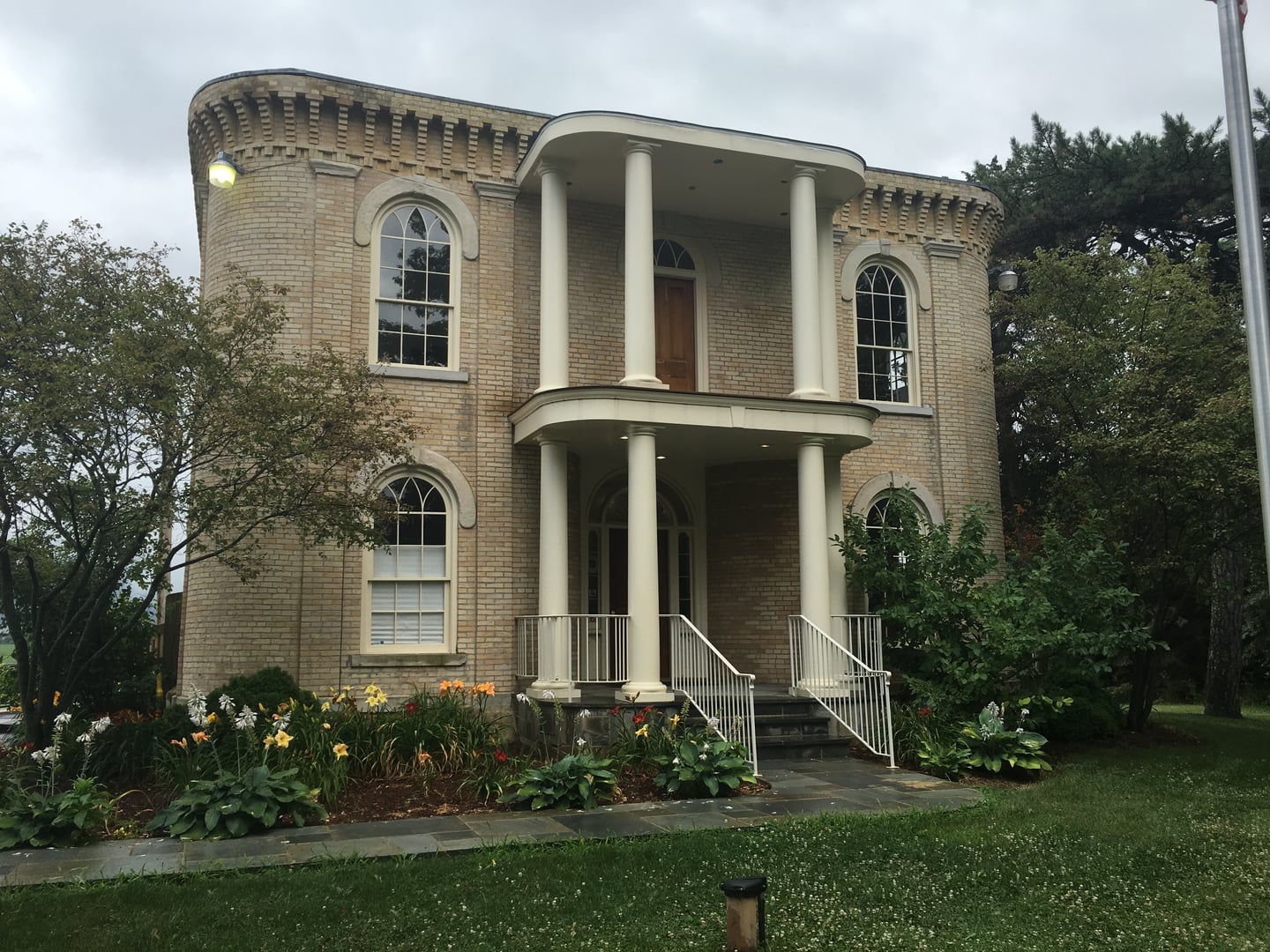
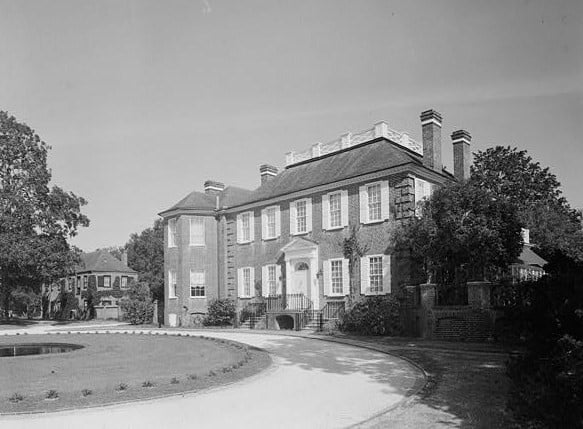
The DuPre House at 921 Prince Street is one of the earlier surviving structures in Georgetown's residential historic district, constructed around 1740. The name reflects a prominent Huguenot family line in the Georgetown area; the DuPre family was among the Huguenot settlers who shaped the Waccamaw Neck and surrounding rice-country economy during the colonial period.
The property operated for a period as a bed-and-breakfast, giving it unusual public exposure for a private Georgetown home. It was this period of use that generated the documented paranormal accounts: guests described encounters with what they understood to be two spirits, a woman and a small child. The house has since returned to private residential use and is no longer accessible to the public.
The fire that local tradition associates with the two figures has not been independently corroborated in Georgetown county records or local newspaper archives reviewed for this entry. The account holds that both figures died in a 19th-century fire at or near the property; Elizabeth Robertson Huntsinger's collected Georgetown ghost accounts are cited as the primary written source for the tradition.
Sources
- https://www.southernspiritguide.org/ghosts-of-georgetown-south-carolina/
- https://www.southcarolinahauntedhouses.com/real-haunt/dupre-house.html
- https://discoversouthcarolina.com/articles/hunting-for-ghosts-in-georgetown
ApparitionsPhantom soundsPhantom smell (smoke)Small footprints in carpet
The haunting accounts for the DuPre House are drawn primarily from the bed-and-breakfast period, when paying guests had overnight access to the interior. Multiple guests independently reported similar experiences: the smell of smoke without any identifiable source, childish giggling and singing from apparently empty rooms, and small footprints appearing in carpet after vacuuming.
The most dramatic accounts describe direct apparition encounters — guests who found themselves face-to-face with two figures identified as a woman and a small child. The description of the encounter in Southern Spirit Guide, based on Huntsinger's collected accounts, emphasizes the clarity and proximity of the experience rather than a peripheral or atmospheric impression.
The tradition attributes both figures to a Civil War-era or 19th-century fire at the property. The specific fire event has not been independently confirmed in contemporary newspaper records. The figures are consistently described as non-threatening; no accounts of distress, pursuit, or threatening behavior appear in any source reviewed.
The house is now a private residence. Visitors interested in Georgetown's ghost history are best served by a guided walking tour of the historic district rather than approaching this specific address.