Drive-By
Exterior View from Maybank Highway
View the Colonial-era Fenwick Hall from Maybank Highway on Johns Island. The property is a private residence; do not approach the house or enter the grounds.
- Duration:
- 20 min
HauntBound archive · catalog record
Reported phenomena — as catalogued
1730 Johns Island Plantation House with Revolutionary War History
3055 Maybank Highway, Johns Island, SC 29455
Research updated May 2026
Age
All Ages
Cost
Free
Private property. View from Maybank Highway only; no public tours.
Access
Limited Access
Roadside view from a state highway
Equipment
Photos OK
Est. 1730 · Georgian Architecture · Revolutionary War Site · Civil War Hospital · Charleston County Plantation History
Fenwick Hall was built around 1730 by the Fenwick family on land acquired by John Fenwick on the Stono River by 1721. Edward Fenwick inherited the property around 1750 and added to the estate, importing English thoroughbred horses and constructing a three-mile racing track on the grounds. The main house is one of the older surviving examples of Georgian plantation architecture in the South Carolina Lowcountry.
During the British occupation of Charleston in 1780, Sir Henry Clinton used Fenwick Hall as his base of operations, giving the estate the local nickname Head Quarters. Edward Fenwick Jr. publicly welcomed the British but provided intelligence to American General Nathanael Greene in 1782, operating as a double agent during the final phase of the Revolutionary War.
The house served as a hospital for both Confederate and Union forces during the Civil War. In 1980, new owners converted the property into Fenwick Hall Hospital, a private alcohol and drug rehabilitation facility serving wealthy clients at rates reaching $14,000 per month. The hospital closed in 1995, and the property sat largely empty until 2000, when new owners purchased it as a private residence and renamed it Fenwick Hall Plantation.
The estate's history is inseparable from the labor of enslaved people who built and worked the plantation through its colonial and antebellum decades. Their work made the Fenwick wealth and the surviving architecture possible. The property is privately owned and not open to the public.
Sources
Local tradition holds that Ann Fenwick, daughter of an early Fenwick owner, married Tony, a young man variously described in different versions as a stable hand or an enslaved person. When her father learned of the marriage, he reportedly forced his men to place Tony on a horse with a rope around his neck and ordered Ann to strike the horse. The folklore version told on Johns Island holds that Ann obeyed, then collapsed in grief as Tony was killed.
The story is offered without primary-source documentation in court records or family papers. It circulates as oral tradition tied to the property and surfaces in regional ghost-tour literature and on the property owner's own legend pages. Tradition holds that footsteps and a spectral voice crying 'Tony! Tony!' have been heard in the hallways of the main house for over two hundred years, and that a headless horseman is sometimes seen on the grounds during moonlit nights.
The overlap with antebellum plantation lore requires care: the violence described in the Tony narrative reflects the real, documented violence of slavery in the Lowcountry, even where the specific personal account cannot be verified. Visitors should treat the property's folklore as one entry in a larger and far better-documented record of enslaved labor and forced violence on South Carolina plantations.
Notable Entities
View the Colonial-era Fenwick Hall from Maybank Highway on Johns Island. The property is a private residence; do not approach the house or enter the grounds.
Some links on this page may earn HauntBound a small commission when you book, at no extra cost to you. Our editorial picks are independent. Full disclosure
Every HauntBound history is researched from documented sources. We clearly separate verified historical fact from paranormal folklore.
Free Guide
Verified stops across all fifty states, rated for families. Free.
One email to confirm, then the guide link. Unsubscribe anytime.
Bull Valley, IL
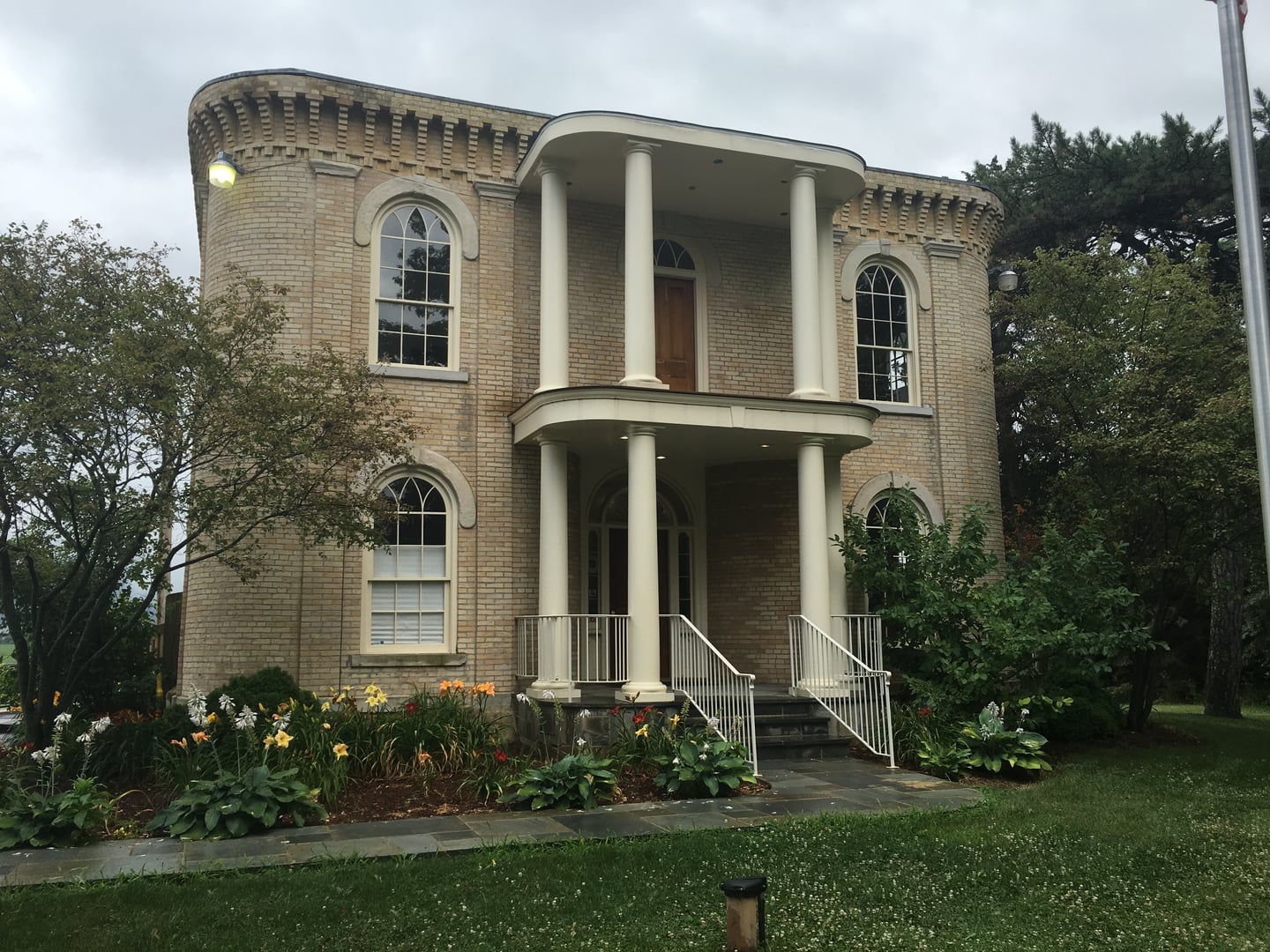
The George Stickney House is an 1865 stucco-over-frame mansion in Bull Valley, Illinois, built for spiritualists George and Sylvia Stickney. The Stickneys, both practicing mediums, are said to have designed the interior without right angles to ease the movement of spirits during seances. The building has served as the Bull Valley Police Department since 1985 and has been listed on the National Register of Historic Places since 1979.
Georgetown, SC
Built around 1740, the DuPre House is one of Georgetown's older surviving colonial structures in the residential historic district. It operated as a bed-and-breakfast in recent decades before returning to private residential use. The fire-death legend attached to the property associates two figures — a woman and small child — with a 19th-century fire event, though the specific incident is not independently documented in local newspaper archives reviewed.
Beaufort, SC
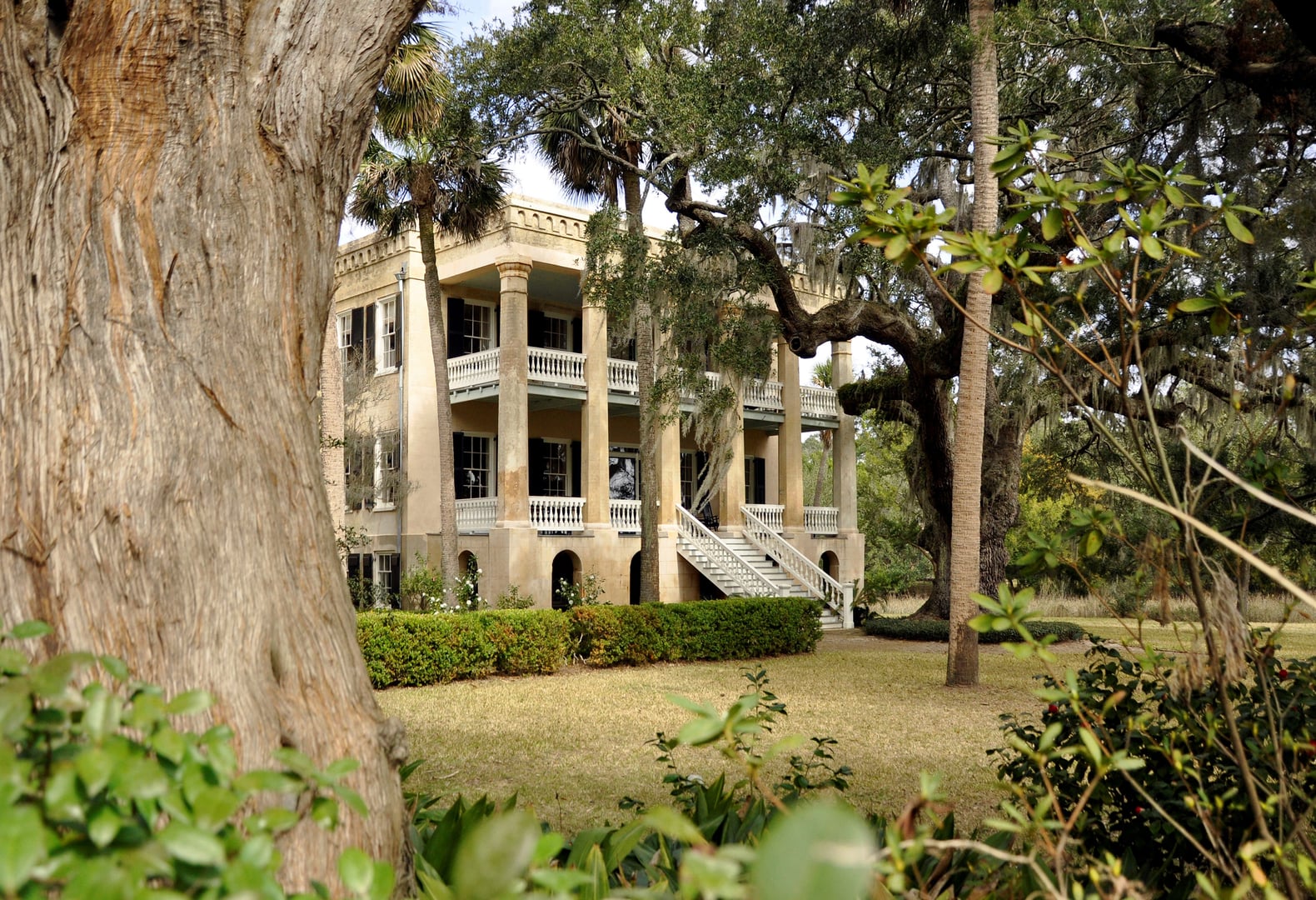
The Castle, also known as the Joseph Johnson House, is a Greek Revival mansion in Beaufort's Point neighborhood. Construction was substantially complete in 1861 when Union troops occupied the city; the unfinished building served as a Union military hospital before the Johnson family reclaimed it after the war. The Verdier-Marshall House name in the discovery context appears to conflate The Castle with the separate John Mark Verdier House on Bay Street.