Est. 1861 · Beaufort Historic District · Civil War Military Hospital · South Carolina Lowcountry Greek Revival
Joseph Johnson, a Beaufort physician, began construction of his Craven Street residence in the late 1850s on a parcel in the Point neighborhood. Construction was still underway in 1861 when Union forces occupied Beaufort following the Battle of Port Royal. Like several other Point properties, the unfinished Johnson house was requisitioned and used as a Union military hospital throughout the war.
The Johnson family did not return to the property until after Beaufort's Reconstruction-era land reorganization, during which large numbers of antebellum residences were sold for back taxes. Dr. Johnson repurchased his own house from federal tax authorities for a reported $2,000. Subsequent generations of the Johnson family retained ownership until 1981.
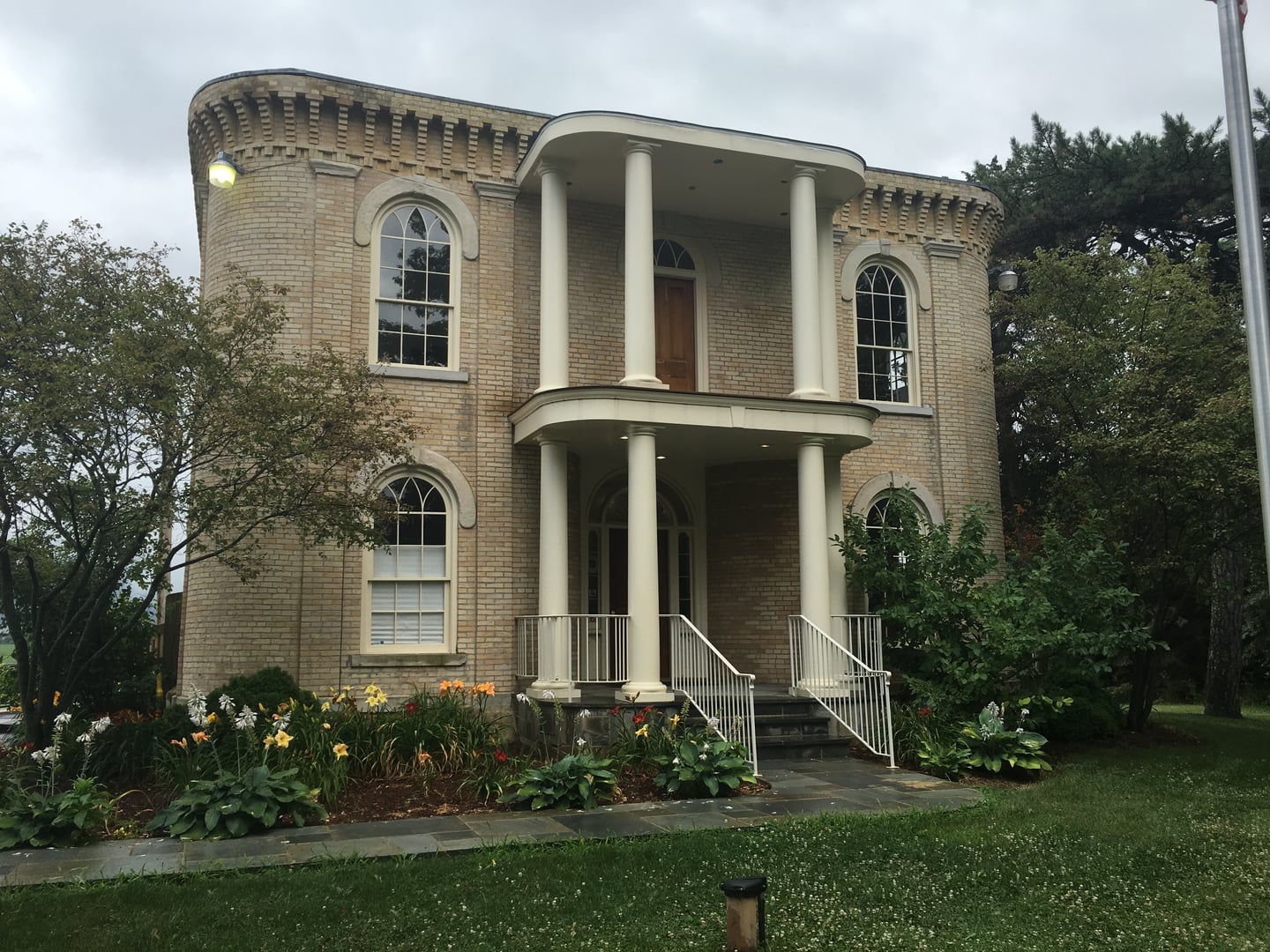
The building's popular name The Castle reflects its Greek Revival massing and its prominent corner siting along the Beaufort waterfront. The exterior brickwork, columned porch, and tabby foundation are visible from the Craven Street sidewalk and from the adjacent Henry C. Chambers Waterfront Park.
The Verdier-Marshall House name supplied in the original Hauntbound discovery context appears to conflate this property with the separate John Mark Verdier House at 801 Bay Street, an 1804 Federal mansion built by Huguenot merchant John Mark Verdier and now operated as a museum by the Historic Beaufort Foundation. The two properties are unrelated. This Hauntbound entry covers the Joseph Johnson House on Craven Street, the property to which the Gauche jester legend attaches.
Sources
- https://explorebeaufortsc.com/beauforts-castle-the-joseph-johnson-house/
- https://www.eatstayplaybeaufort.com/beauforts-haunted-history-the-castles-jester/
- https://bdcbcl.wordpress.com/2016/10/26/ghost-stories-of-beaufort-county-sc-part-1-gauche-the-huguenot-ghost/
ApparitionsPhantom soundsObject movement
The Gauche legend predates the Joseph Johnson House. Local tradition attaches the figure to the brief 1562 French settlement attempt at Charlesfort, on present-day Parris Island, led by Jean Ribaut. The tradition holds that Ribaut's company included a court jester named Gauche, a person of short stature, whose death in the Lowcountry was never satisfactorily documented. The historical record of the Charlesfort expedition is thin and does not independently corroborate Gauche's presence.
According to family tradition recorded by Johnson descendants, Dr. Joseph Johnson reported seeing a small figure walking past the house during his residence there, identified by the ringing of bells sewn into a jester's costume. Subsequent Johnson-family generations reported similar encounters. One frequently-cited account holds that Gauche identified himself to a Johnson resident and explained that he remained because the property reminded him of a previous home in Europe.
Later occupants and guests have reported intermittent bell sounds in interior rooms, the figure of a child-sized person observed at the periphery of vision in the central hallway, and rocking chairs found moved between sittings. Beaufort ghost-tour operators include the property among their standard stops and the Gauche story is widely known in the surrounding Point neighborhood.
The Castle remains a private residence and is not open for interior visits. Visitors should engage only at the sidewalk and waterfront level and should respect the current owners' privacy. The most reliable engagement is a Beaufort historic-district walking tour with an established Lowcountry operator.
Notable Entities
Gauche the jester