Est. 1849 · Murrells Inlet Historic District · National Register of Historic Places · Low Country Plantation Architecture
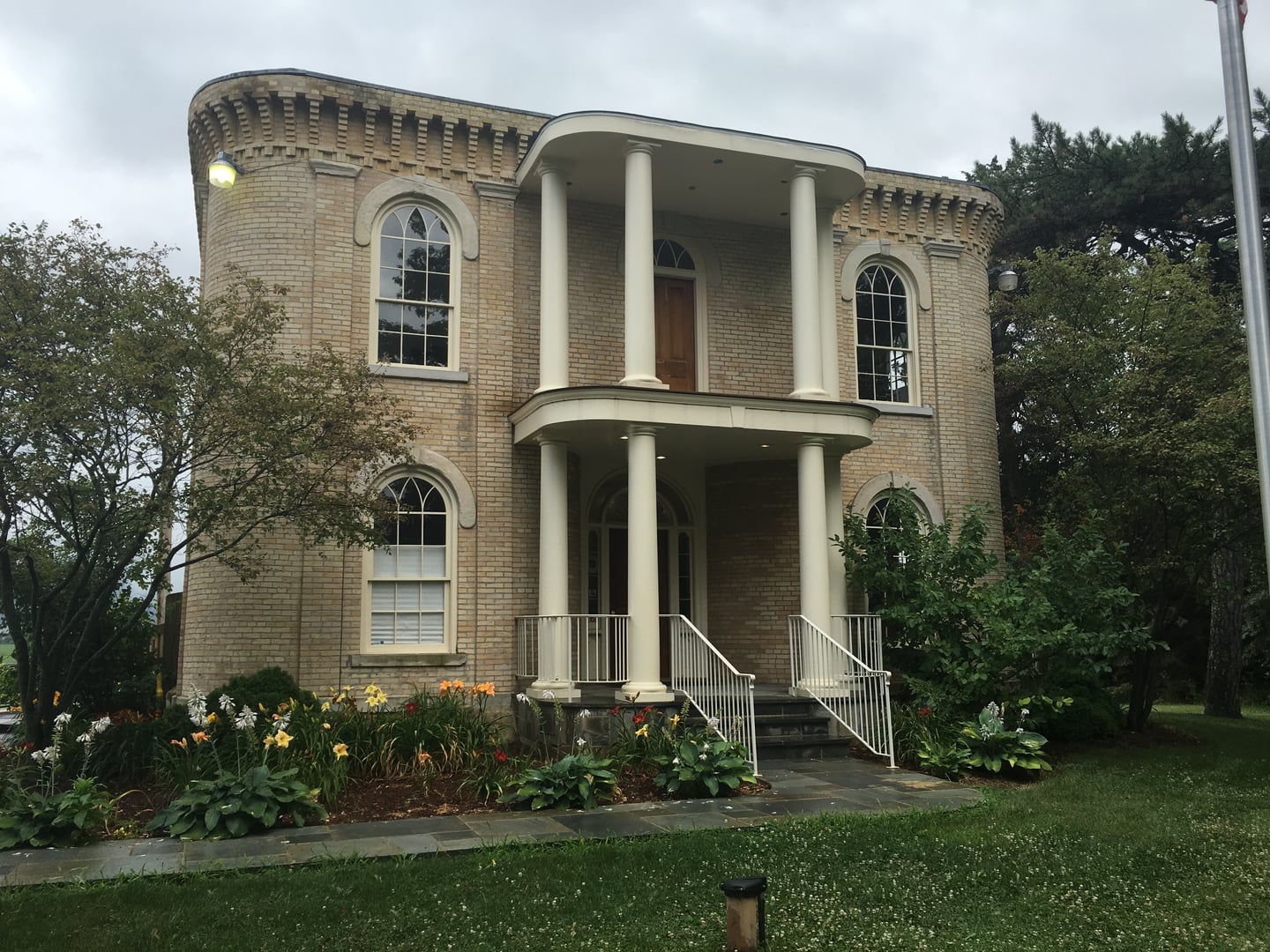
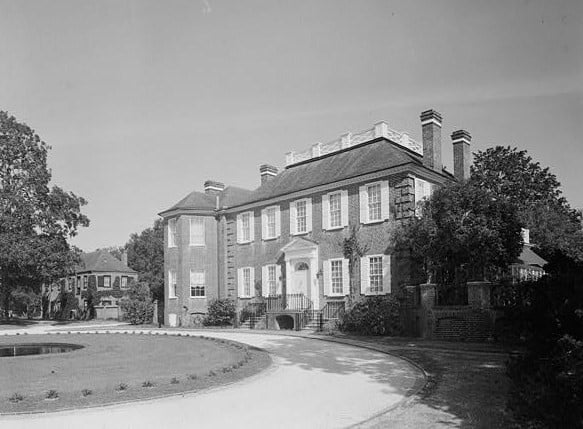
The Hermitage was built in 1849 as the summer home for James Lynch Belin, a rice planter and Methodist minister from the Wachesaw Plantation system along the Waccamaw River. The property subsequently passed to Dr. Allard Belin Flagg, a physician who maintained the house as a retreat from the Low Country's inland plantations. His sister Alice Belin Flagg spent time at the house during the period documented in the legend.
The Murrells Inlet Historic District, in which The Hermitage is a contributing property, was listed on the National Register of Historic Places. The South Carolina Picture Project documents the building's architectural character and its association with the Flagg family.
The Hermitage is a private residence today. No tours are conducted, and visitors are not permitted on the property. The house can be seen from across the pond at the end of Chandler Avenue. Real estate records show the address as 565 Chandler Avenue, Murrells Inlet, SC 29576.
Sources
- https://www.scpictureproject.org/georgetown-county/the-hermitage.html
- https://crazysistermarina.com/blog/the-haunting-legend-of-alice-flagg-a-murrells-inlet-tale/
- https://www.themoonlitroad.com/ghost-alice-flagg-pawleys-island-south-carolina/
ApparitionsResidual haunting
The legend of Alice Flagg is among the most documented ghost stories on South Carolina's Grand Strand. Alice Belin Flagg lived with her brother, Dr. Allard Flagg, at The Hermitage. In the mid-19th century, she fell in love with a man — a lumberman, in most versions — whom her class-conscious family found unsuitable. Her brother, who served as the family's patriarch after their father's death, disapproved and sent Alice to a boarding school in Charleston to separate her from the relationship.
Alice secretly wore an engagement ring on a ribbon around her neck, concealing it from her family. While at school, she contracted a severe fever — attributed in most accounts to malaria or typhoid, both endemic in the Low Country. Her condition deteriorated rapidly, and arrangements were made to bring her home. She was too ill to survive the journey and died before recovering.
Before or at the time of her death, Dr. Flagg discovered the ring and removed it — in some versions of the account, discarding it immediately. Alice's last conscious moments were reportedly spent searching for it. She was buried in the churchyard at All Saints Episcopal Church in Pawleys Island without the ring; her gravestone reads simply 'Alice.'
Accounts of her appearance at The Hermitage describe a young woman in a long white dress, typically near the front entrance or in what was her bedroom, with her hands moving as if searching for something at her neck. SCETV produced in-depth features on the Alice Flagg legend in 2017 and 2018. The legend is part of the Hammock Coast ghost tour circuit and is featured by multiple tour operators in the Myrtle Beach–Pawleys Island area.
Notable Entities
Alice Belin Flagg