Est. 1931 · World's Largest Psychiatric Hospital at Opening (1931) · Peak Population 13,875 Patients (1954) · Lobotomy Program in Building 23 (1940s–1970s) · Long Island Psychiatric Museum (Building 45)
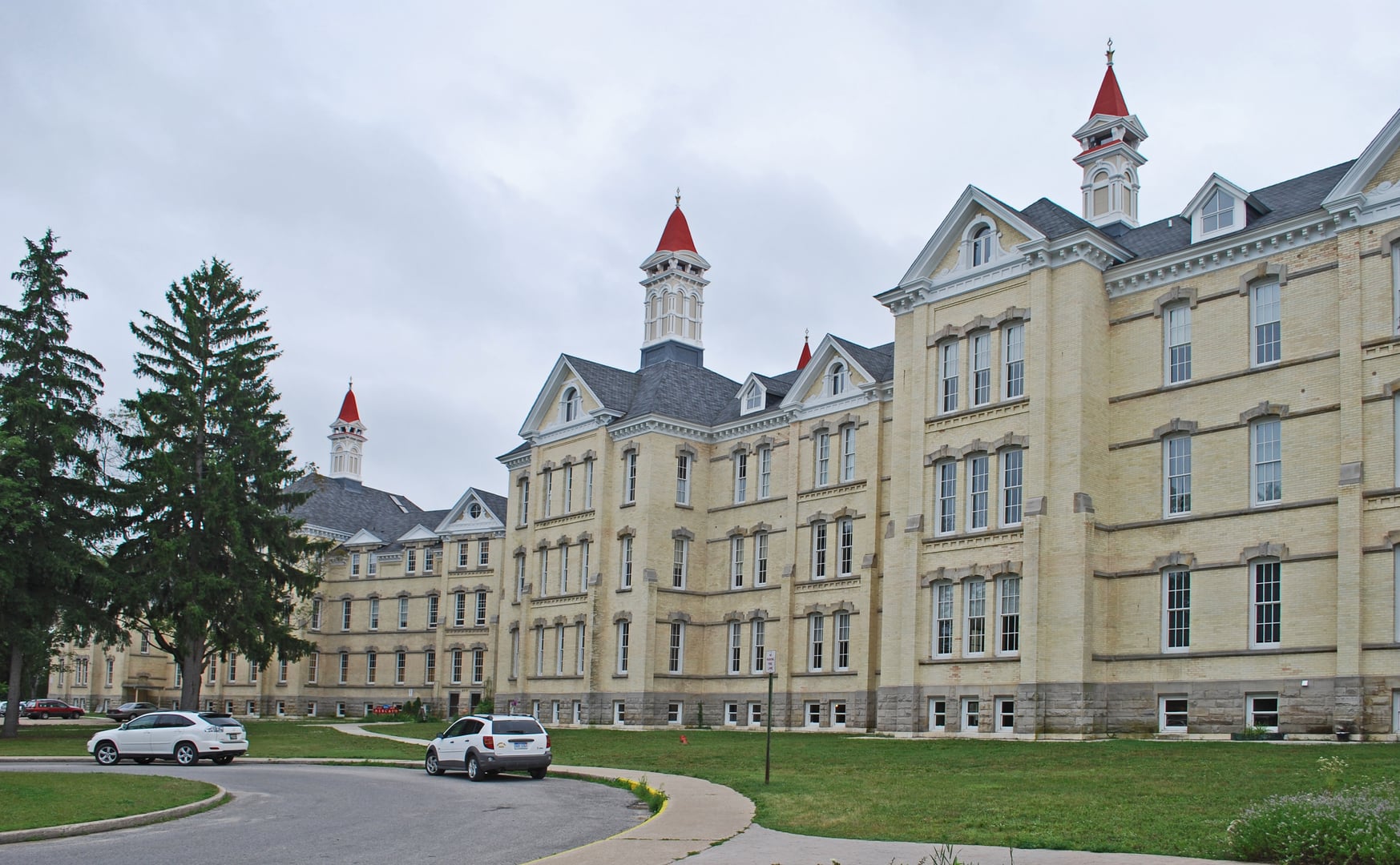
Construction of Pilgrim State Hospital began in 1929 on 1,000 acres in Brentwood, and the hospital opened October 1, 1931. The facility was named for Charles W. Pilgrim, a former New York State Commissioner of Mental Health. The scale of the campus reflected the ambitions of early 20th-century institutional psychiatry: Pilgrim operated as a self-contained community with its own police department, fire department, courts, post office, Long Island Rail Road station, power plant, and farm. By 1934 the patient population had reached 6,000; by the early 1950s it exceeded 13,875, making Pilgrim the largest mental hospital in the United States and, by some accounts, the world.
The postwar period brought more aggressive treatment modalities. Beginning in the 1940s, lobotomies were performed at Pilgrim — transorbital and prefrontal procedures, with Building 23 documented as a primary surgery site. Electroconvulsive therapy was introduced alongside lobotomy. The best-documented controversy involves Beulah Jones, a patient between 1952 and 1972 who received both lobotomy and ECT and was left with lasting impairment.
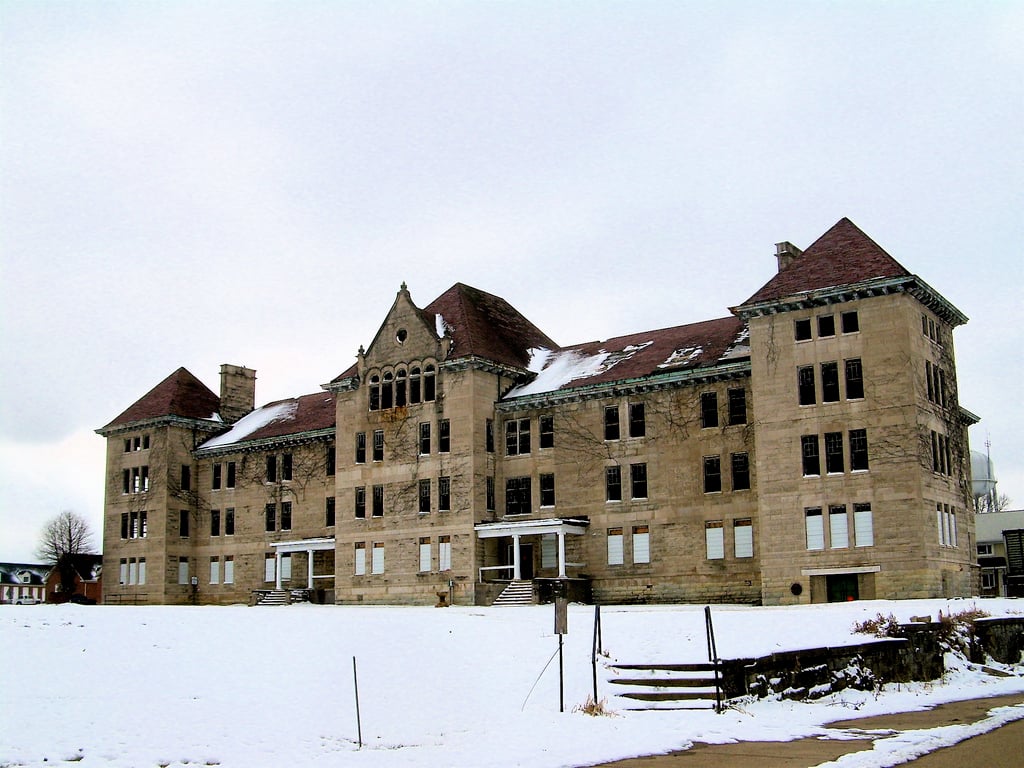
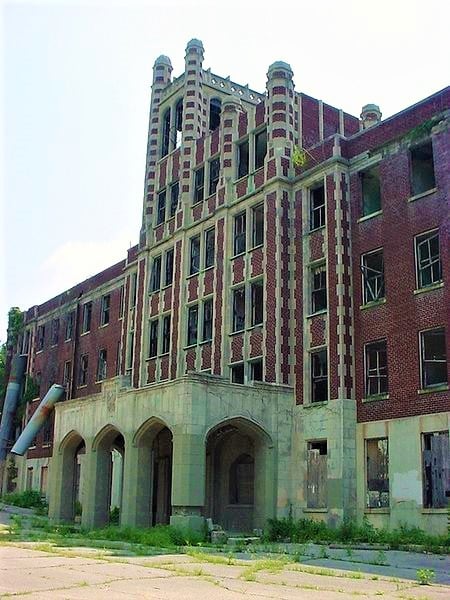
Deinstitutionalization policies beginning in the 1960s and accelerating through the 1970s and 1980s sharply reduced the patient population. Many of the campus's original buildings fell into disuse and ruin. The hospital transitioned to a much smaller operation under the New York State Office of Mental Health, now carrying 14 active beds.
Building 45 houses the Long Island Psychiatric Museum, which documents the history of Pilgrim alongside Kings Park, Central Islip, and Edgewood institutions through artifacts, photographs, newsletters, and relics from demolished buildings. On November 5, 2020, Building 45 flooded and destroyed most of the museum's collection; restoration was described as ongoing as of the most recent available reporting.
Sources
- https://en.wikipedia.org/wiki/Pilgrim_Psychiatric_Center
- https://www.atlasobscura.com/places/pilgrim-psychiatric-center
- https://untappedcities.com/2015/06/12/exploring-the-ruins-of-the-still-operational-pilgrim-psychiatric-center-on-long-island/
Figure in straitjacket seen near campus roadFeeling of being followed after visiting groundsGeneral oppressive atmosphere in abandoned buildings
Pilgrim Psychiatric Center's reputation as a haunted site is inseparable from its institutional history. The combination of its former scale — a campus built for nearly 14,000 patients, now mostly abandoned — and the documented use of lobotomy and ECT produces the kind of setting that paranormal investigators and dark tourism visitors consistently seek out.
The most specific circulating account involves a figure in a straitjacket seen standing on the roadside adjacent to the campus at approximately 11 PM; in the account, the figure disappeared as the driver approached. The story is described in regional haunted-place compilations and the New York Haunted Houses directory. A second pattern in visitor accounts involves feelings of being followed or watched after leaving the campus — the sense that something attached itself during the visit.
Building 23 draws specific attention as the documented site of lobotomy procedures. Regional coverage describes thousands of 45-minute surgeries conducted there beginning in the 1940s and continuing into the 1970s. The building is among the abandoned structures on the campus that are no longer accessible to visitors.
The Long Island Psychiatric Museum in Building 45 — when fully operational — documented this history through physical artifacts from Pilgrim and three other closed Long Island institutions. The museum's November 2020 flood and ongoing restoration mean that visitors planning a museum visit should confirm current access before arriving.
Where this legend is told