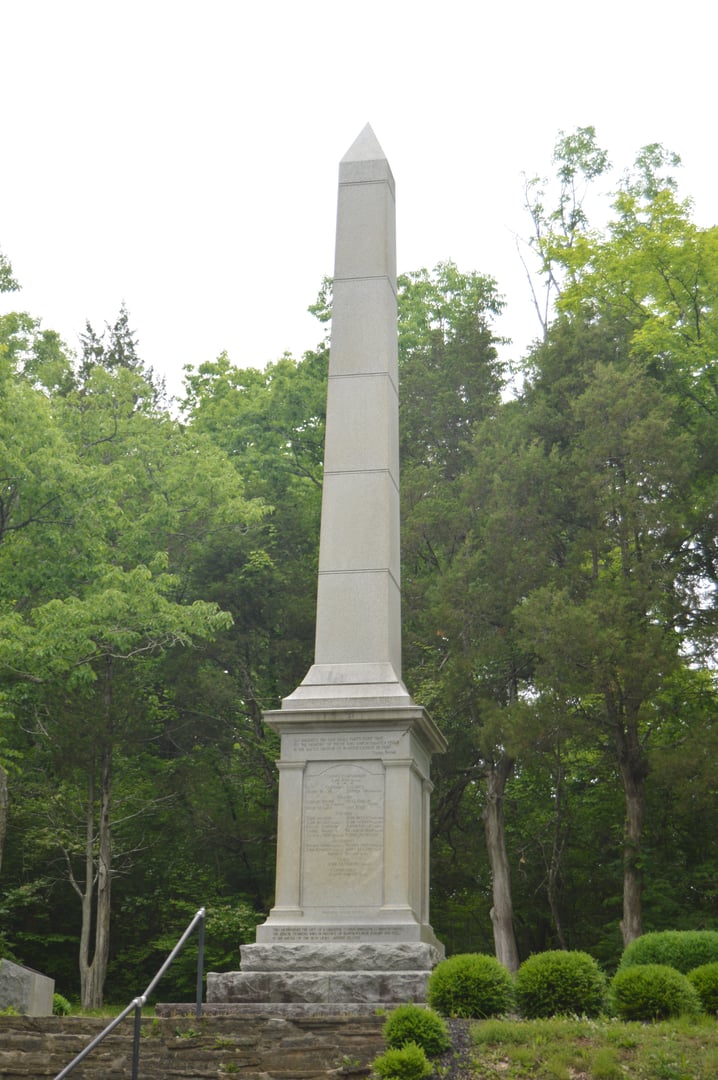
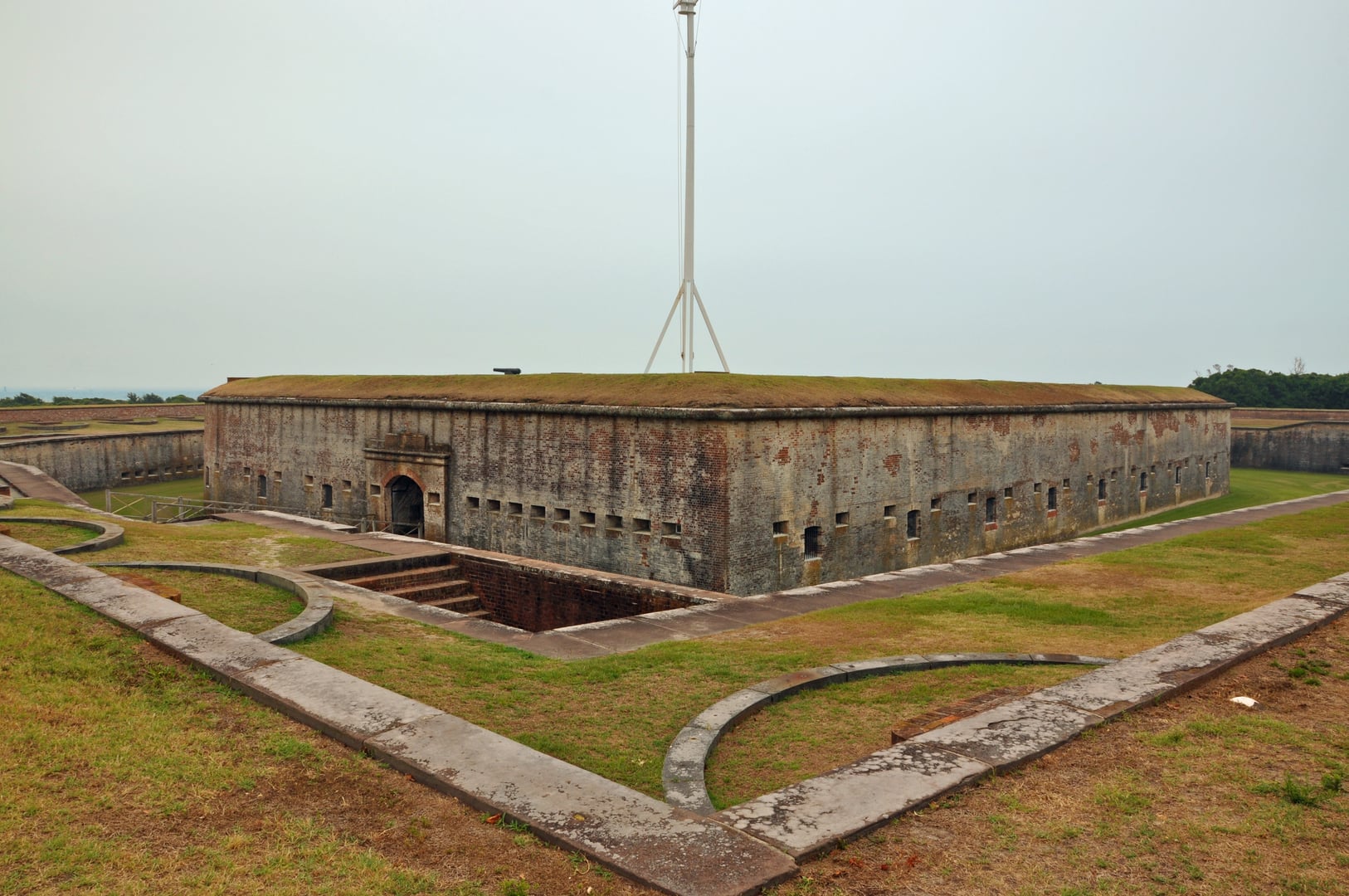
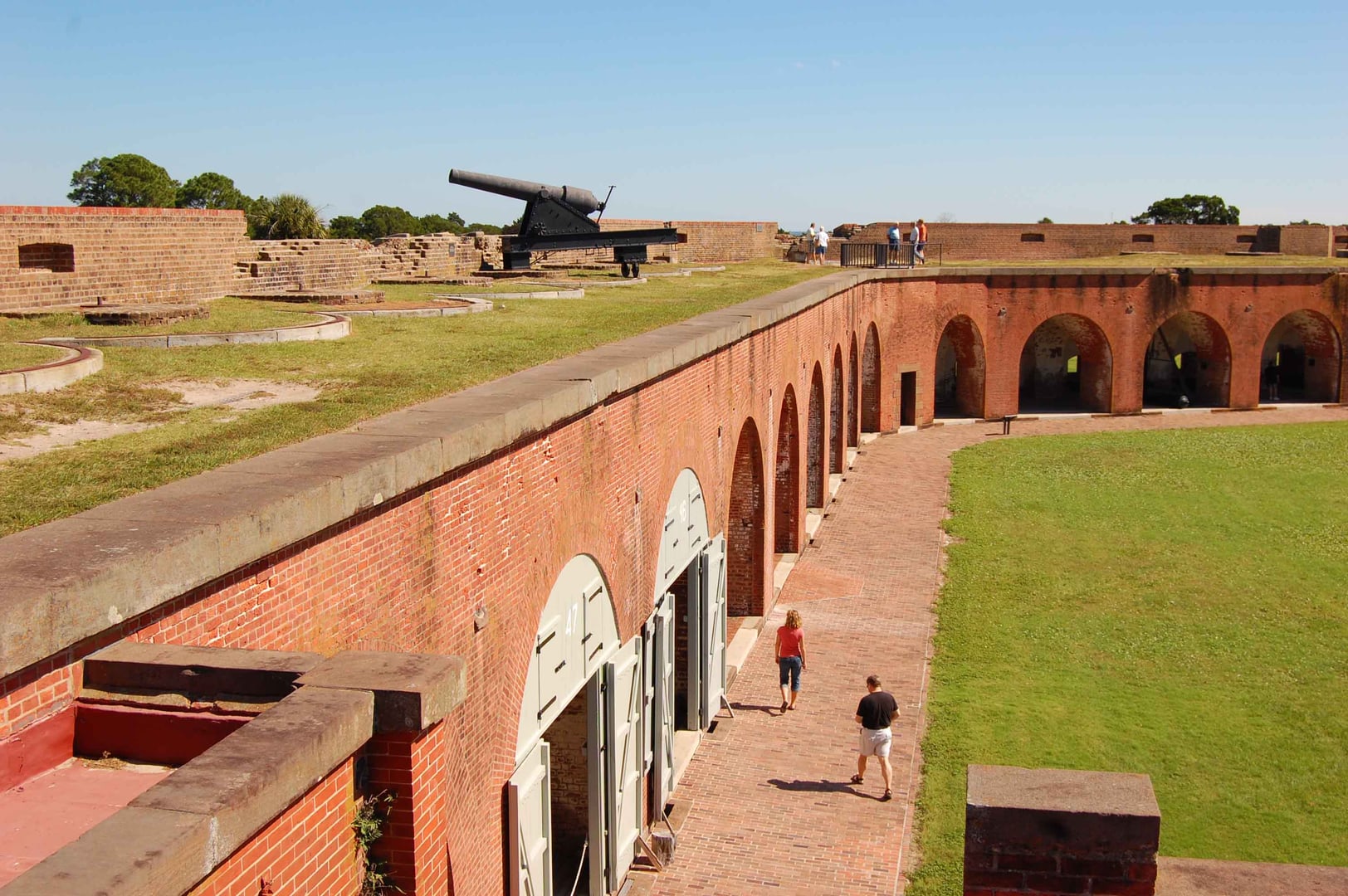
Est. 1874 · Death of Crazy Horse, 1877 · Cheyenne Outbreak, 1879 · Buffalo Soldiers and WWII K-9 and POW camp · Nebraska state park since 1956
Fort Robinson began in 1874 as a military camp on the White River near the Red Cloud Agency, in the northwest corner of Nebraska. It was renamed Fort Robinson in 1878 and served as a base for army operations across the northern Plains during the conflicts of the late nineteenth century.
In May 1877 the Oglala Lakota leader Crazy Horse surrendered at the fort. On September 5, 1877, he was fatally wounded with a bayonet while resisting being placed in the guardhouse, and died of his wounds that night in the adjutant's office. In January 1879 the post was the scene of the Cheyenne Outbreak: a band of Northern Cheyenne led by Morning Star, also known as Dull Knife, who had been confined in barracks and denied food, fuel, and the right to return north, broke out on the night of January 9. In the pursuit across the frozen country that followed, many of the Cheyenne, including women and children, were killed. These events are interpreted at the fort today with care for the people who died there.
The army kept the post active into the twentieth century. It housed the 9th Cavalry Buffalo Soldiers, became a major remount and quartermaster depot, and during World War II served as a K-9 Corps training center and a German prisoner-of-war camp. The army left in 1947, and Fort Robinson became a Nebraska state park in 1956. It now offers museums, lodging in the historic buildings, and tours across the High Plains landscape.
Sources
- https://en.wikipedia.org/wiki/Fort_Robinson
- https://history.nebraska.gov/visit_section/fort-robinson-timeline
- https://outdoornebraska.gov/location/fort-robinson-state-park/
- https://trailswestmag.com/fort-robinson-state-park
Phantom hoofbeatsApparitions
Given what happened at Fort Robinson, it is unsurprising that it has accumulated ghost stories over the years, and regional travel features collect them. Visitors and staff have described the sound of hoofbeats with no horses in sight, figures in period dress near the old quarters and parade ground, and one presence connected to a particular building that staff have given a nickname.
These accounts belong to the folklore that attaches to any old army post, and they are recorded here as folklore rather than as fact. They are kept separate from, and subordinate to, the documented history of the site. The death of Crazy Horse and the deaths of the Northern Cheyenne during the 1879 outbreak are matters of historical record and of real grief for the Lakota and Cheyenne peoples; this entry does not invent paranormal claims about those individuals or convert their deaths into entertainment. Visitors interested in Fort Robinson are pointed first to its history and to the museums that interpret it, with the ghost stories noted only as part of how later generations have talked about the place.