Revolutionary War Battlefield · Battle of Blue Licks · Frontier History · Daniel Boone Connection
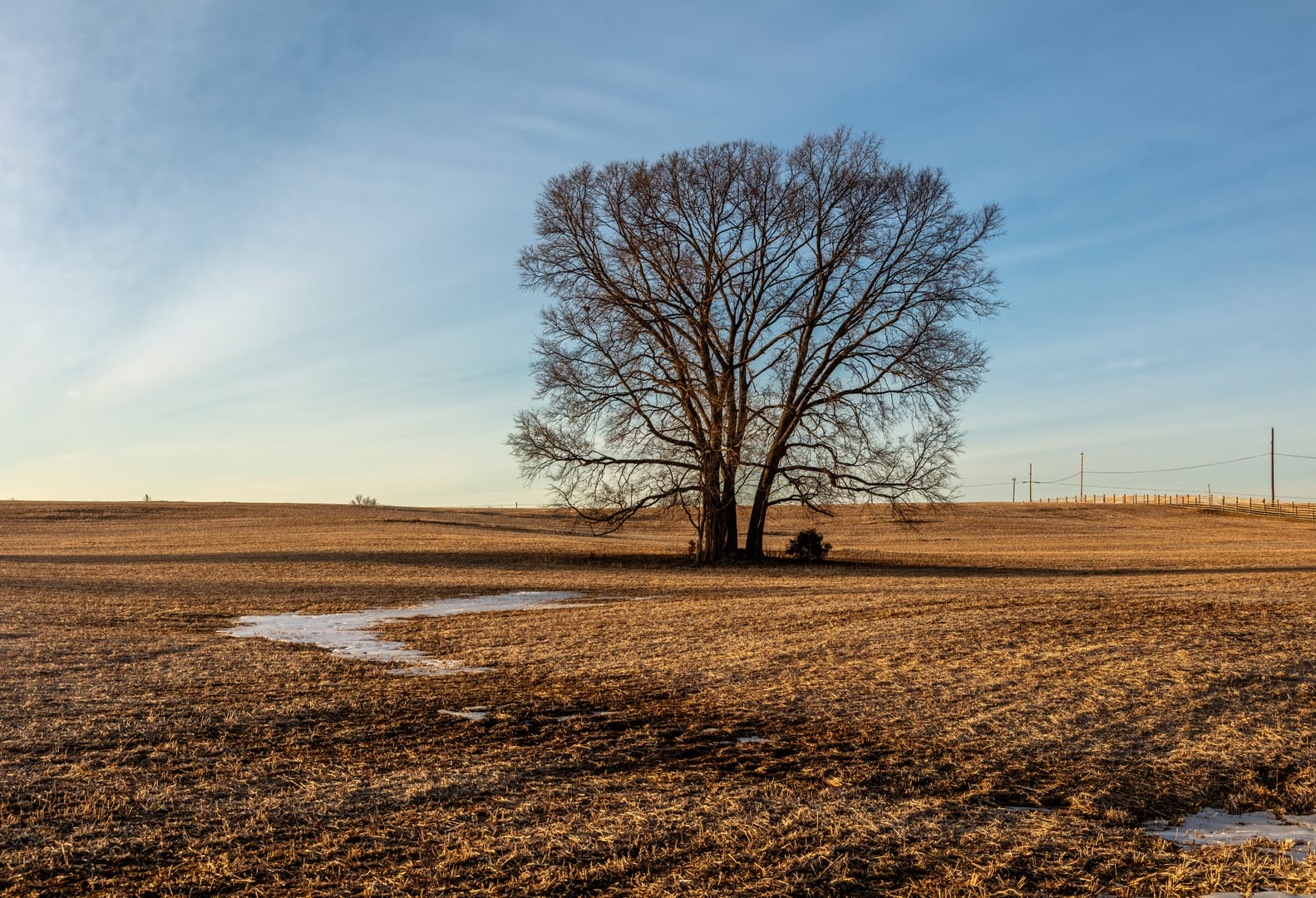
Blue Licks holds dual significance as both a natural landmark and a Revolutionary War battlefield. The site's limestone springs and mineral deposits attracted humans for millennia before European settlement. By the 1770s, it had become a crucial gathering point for frontier settlers in the Kentucky Bluegrass region.
On August 19, 1782, months after the British surrender at Yorktown, a combined force of British regulars, Canadian militia, and allied Native Americans—primarily Shawnee and Wyandot warriors—raided American settlements in the region. A hastily organized militia response under Daniel Boone, Major Hugh McGary, and Colonel Stephen Trigg pursued the attackers toward Blue Licks. Despite Boone's tactical warnings to flank through the ravines rather than directly pursuing the enemy, Major McGary led his contingent directly into an ambush.
The battle lasted only minutes but proved devastating. About 64 Kentucky militiamen died in the engagement, including Colonel John Todd and Stephen Trigg. Daniel Boone's son Israel was killed during the skirmish. The tactical failure marked one of the bloodiest American Revolutionary War engagements per capita in the western theater.
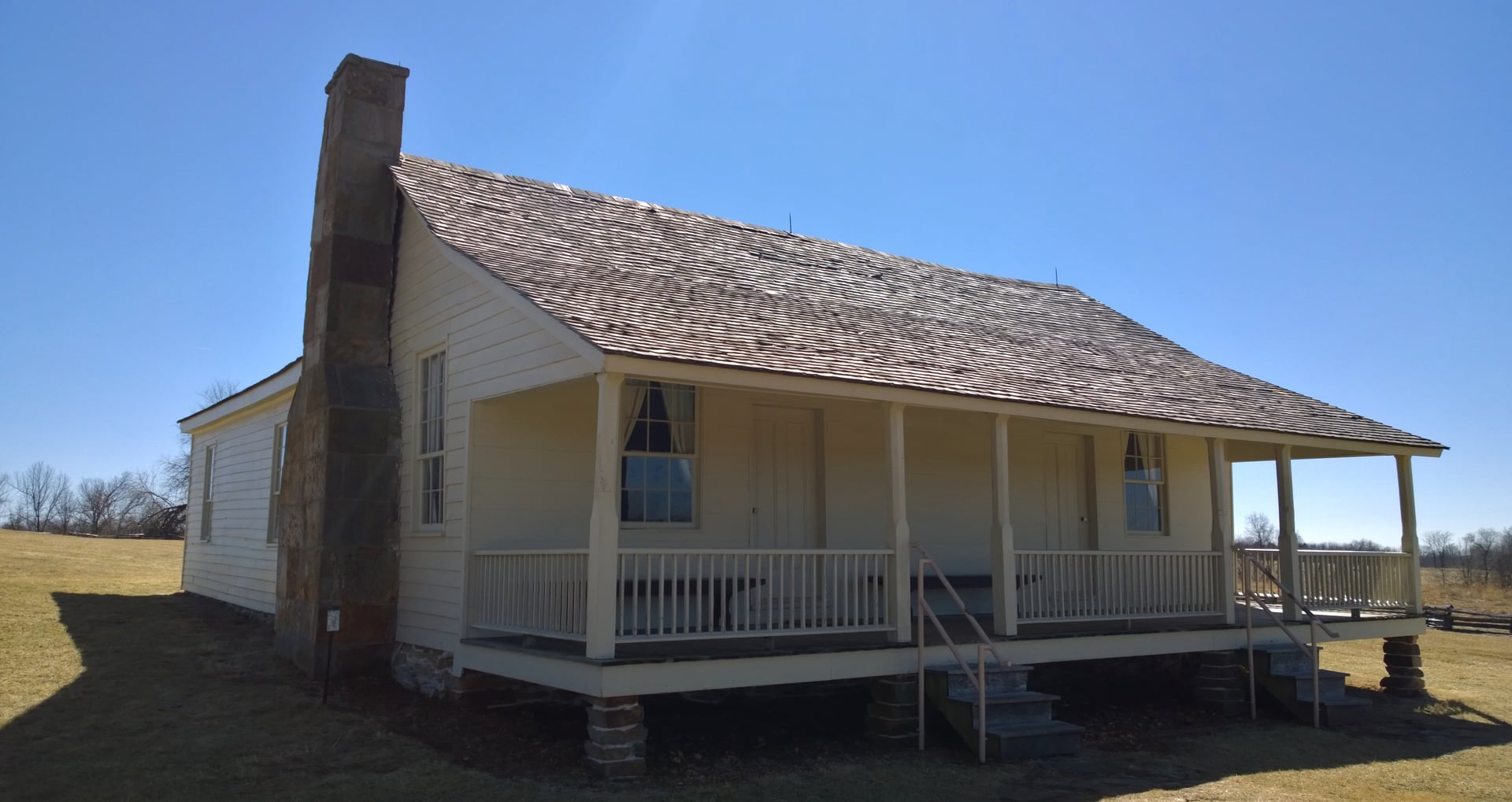
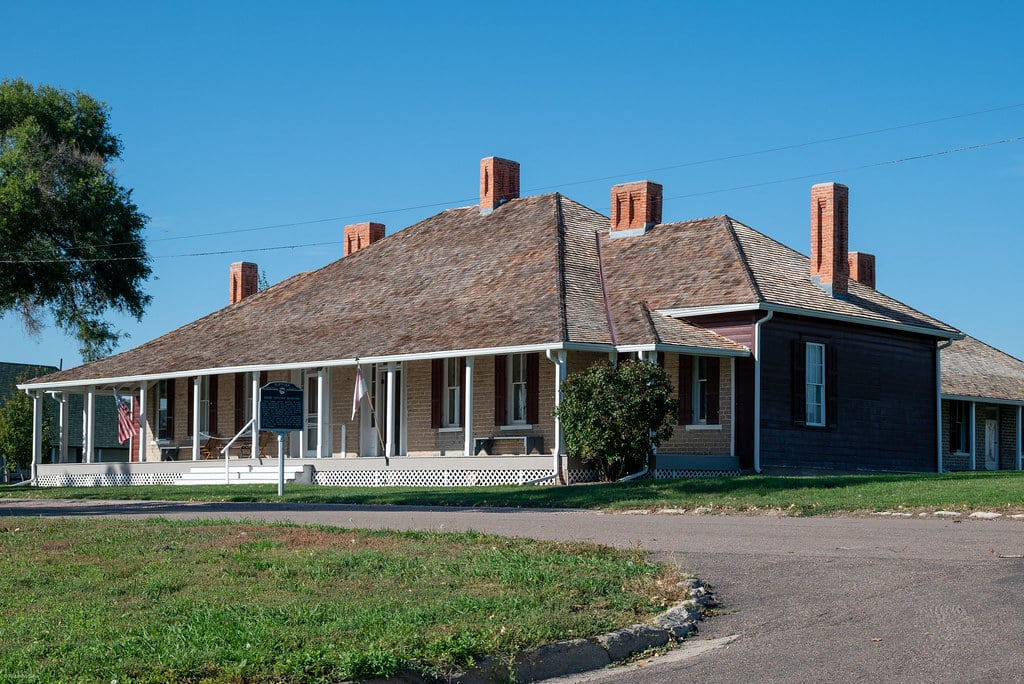
Following the battle, the mineral springs remained significant to the region. In the 20th century, the site was developed into a state resort park, preserving both the historical battlefield and natural features. The park's Pioneer Museum, established to commemorate the area's layered history, stands as the centerpiece of heritage interpretation.
Sources
- https://www.southernspiritguide.org/battlefield-ghosts-of-blue-licks-kentucky/
- https://explorekyhistory.ky.gov/items/show/590
- https://www.battlefields.org/learn/revolutionary-war/battles/blue-licks
- https://parks.ky.gov/explore/blue-licks-battlefield-state-resort-park-7782
ApparitionsPhantom voicesDisembodied voicesEVPDoors opening/closing
The paranormal activity at Blue Licks manifests across multiple locations and time periods, reflecting the site's traumatic Revolutionary War history and long human occupation. The lodge itself serves as a focus for activity, particularly the dining room, where doors reportedly open and close without mechanical explanation or visible cause. Staff have documented these movements across multiple seasons without identifying a mechanical cause.
Guests and campers have encountered a mysterious woman in black-clad attire who appears near campfires during evening hours. Witnesses describe her approaching to warm her hands by the flames, then vanishing when addressed. The appearance reportedly correlates with cold weather months, suggesting a residual manifestation tied to a specific historical trauma or need.
Within the lodge itself, the disembodied voice of a woman has been reported on multiple occasions. Staff members arriving before dawn have independently documented hearing her speaking, though no visible source is present. The voice is described as conversational and benevolent rather than distressed—consistent with the Shadowlands account of "a friendly woman."
The Pioneer Museum's founder, buried adjacent to the building he created, is rumored to continue his role as host and welcomer. Visitors and staff have reported sensing an unseen presence in the museum—a quality of acknowledgment and attention that older staff members attribute to the founder's lingering attachment to his work.
Native American and British soldier spectres have been reported on the battlefield grounds, though accounts are less specific. These manifestations align with the site's dual heritage as both indigenous gathering space and Revolutionary War ambush site, suggesting that historical trauma and cultural significance may create conditions for paranormal persistence.
Notable Entities
The Black-Clad WomanThe Friendly Lodge WomanThe Museum Founder