Est. 1886 · Oldest continuously operating show cave in Missouri · National Natural Landmark · Setting for McDougal's Cave in The Adventures of Tom Sawyer (1876) · Documented site of Dr. Joseph McDowell's 19th-century anatomical research
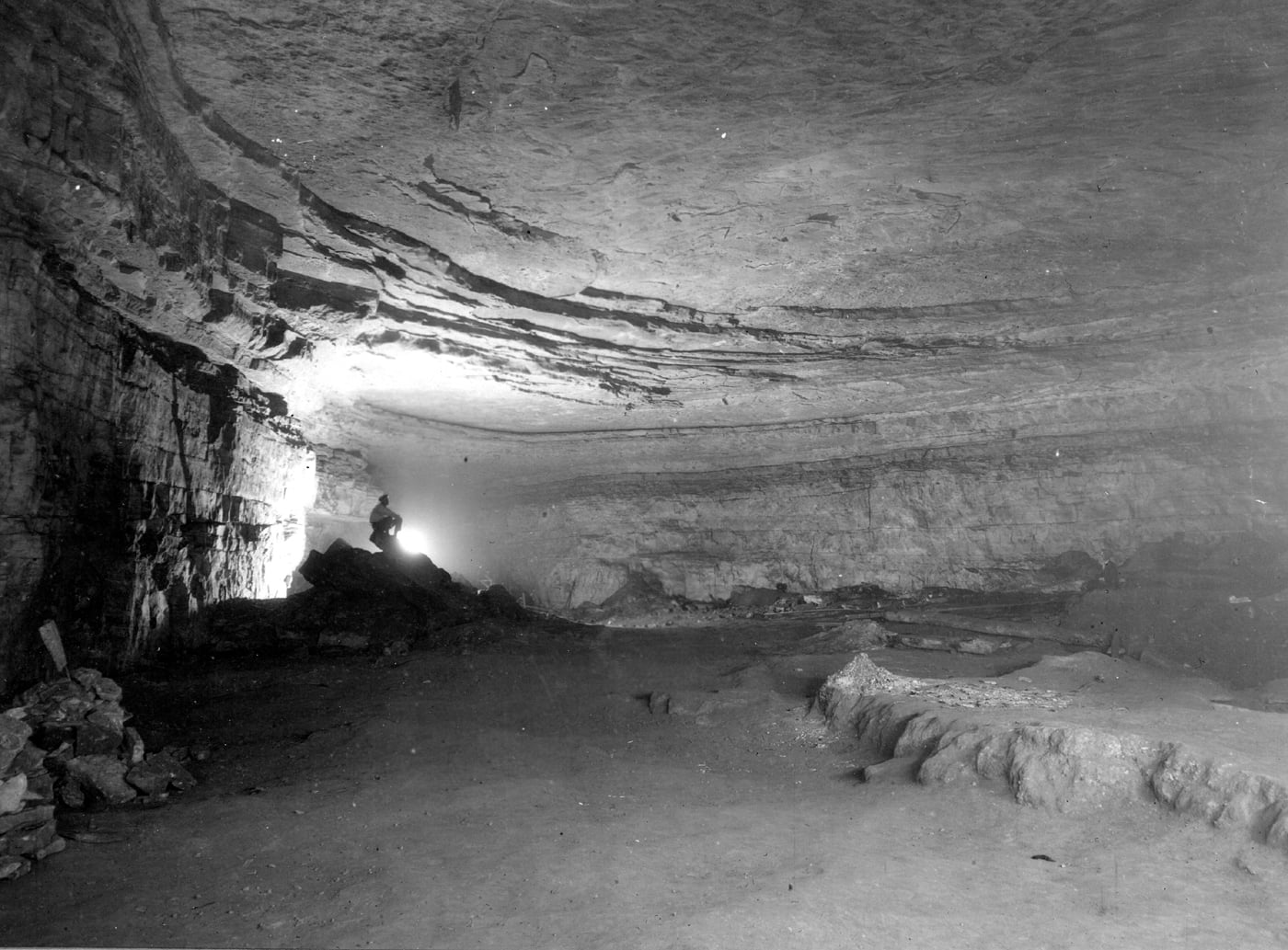
Mark Twain Cave was first explored by settler Jack Sims around 1819–1820. The cave's commercial story begins in the late 1840s when Dr. Joseph Nash McDowell, founder of the medical department at Kemper College in St. Louis (later Missouri Medical College), acquired it. McDowell used the cave's stable 52F temperature as a private laboratory for anatomical research, an undertaking made controversial by his documented practice of acquiring cadavers through grave-digging — a recurring source of conflict in his St. Louis career.
McDowell's most lurid use of the cave concerned his 14-year-old daughter Amanda, who died of pneumonia. Per the Wikipedia article on Joseph Nash McDowell and the Cock & Bull historical blog, McDowell rejected conventional burial as a practice that 'stifled the soul' and instead suspended Amanda's body in a copper cylinder filled with preserving alcohol, kept secured in a chamber of the Hannibal cave. The arrangement became locally famous; teenagers began daring each other to break in and view the cylinder. In 1849, McDowell removed his daughter's remains for a more traditional burial in the family vault behind the Missouri Medical College in St. Louis.
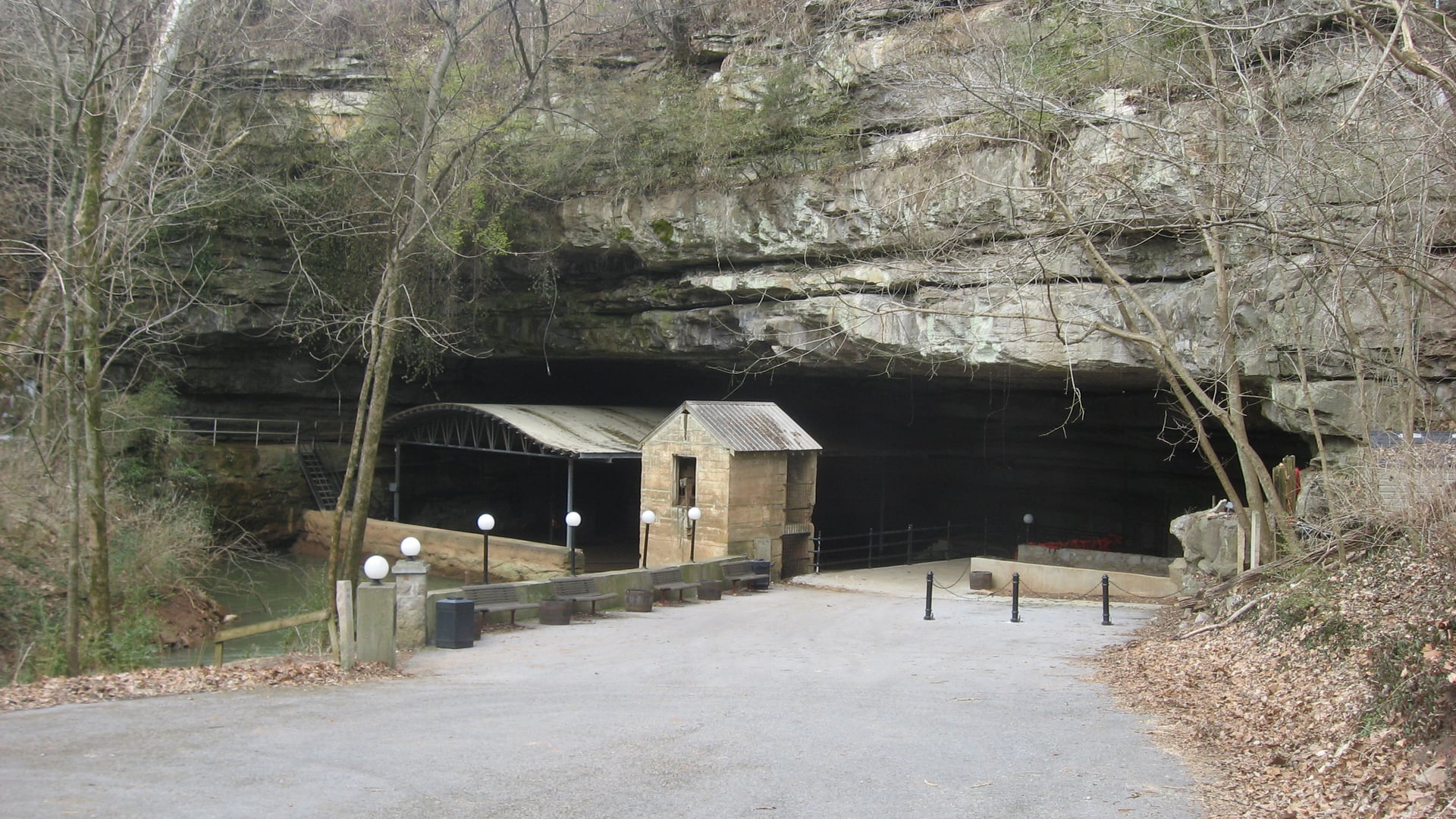
Samuel Clemens grew up roaming the cave as a boy. He fictionalized it as McDougal's Cave in The Adventures of Tom Sawyer, published in 1876. The cave was formally renamed Mark Twain Cave in 1880 in recognition of Clemens's growing fame. In 1886, farmer John East opened the cave to paying visitors at admission, beginning the continuous commercial operation that makes Mark Twain Cave the oldest operating show cave in Missouri.
The cave is a National Natural Landmark and the centerpiece of the Mark Twain Cave Complex, which also includes Cameron Cave, a campground, and a small winery. Hour-long lighted tours operate year-round through the original Tom Sawyer passages.
Sources
- https://en.wikipedia.org/wiki/Mark_Twain_Cave
- https://en.wikipedia.org/wiki/Joseph_Nash_McDowell
- https://www.marktwaincave.com/
- https://www.horrorbound.net/blog/mark-twain-cave
Apparition of a young girl in period dressCold spotsSensed presence
The dominant ghost narrative attached to Mark Twain Cave centers on Amanda McDowell — the documented 14-year-old daughter whom Dr. Joseph Nash McDowell suspended in a copper cylinder of alcohol in the cave in the 1840s. Per the Anomalien feature 'The Lonely Ghost of Mark Twain Cave' and the Horror Bound profile, local tradition holds that the disturbance of Amanda's body, and the public spectacle that turned her preserved remains into a local curiosity, left a residual presence even after her 1849 reburial in St. Louis.
The most-cited witness report, recounted in both the Anomalien and Horror Bound articles, comes from a former cave tour guide who reported, in the late 1990s, seeing a young girl in an old-fashioned dress and cape standing in a side passage off the main route. The girl reportedly faded when approached. Cave staff have continued to report cold spots and the sensation of being watched in the same area.
Mark Twain Cave itself does not heavily market the ghost stories; the Mark Twain literary connection dominates commercial branding. The folklore lives mostly in the regional ghost-feature ecosystem and in tour-guide storytelling. The historical underpinning — McDowell's documented preservation of his daughter and his anatomical practice — is supported by Wikipedia and the Cock & Bull historical blog, but the apparitional reports themselves are single-tradition and not independently documented by paranormal investigators.
Notable Entities
Amanda McDowell (14)Dr. Joseph Nash McDowell (historical figure)