Est. 1957 · Missouri Conservation History · Little Dixie Region Cultural Heritage
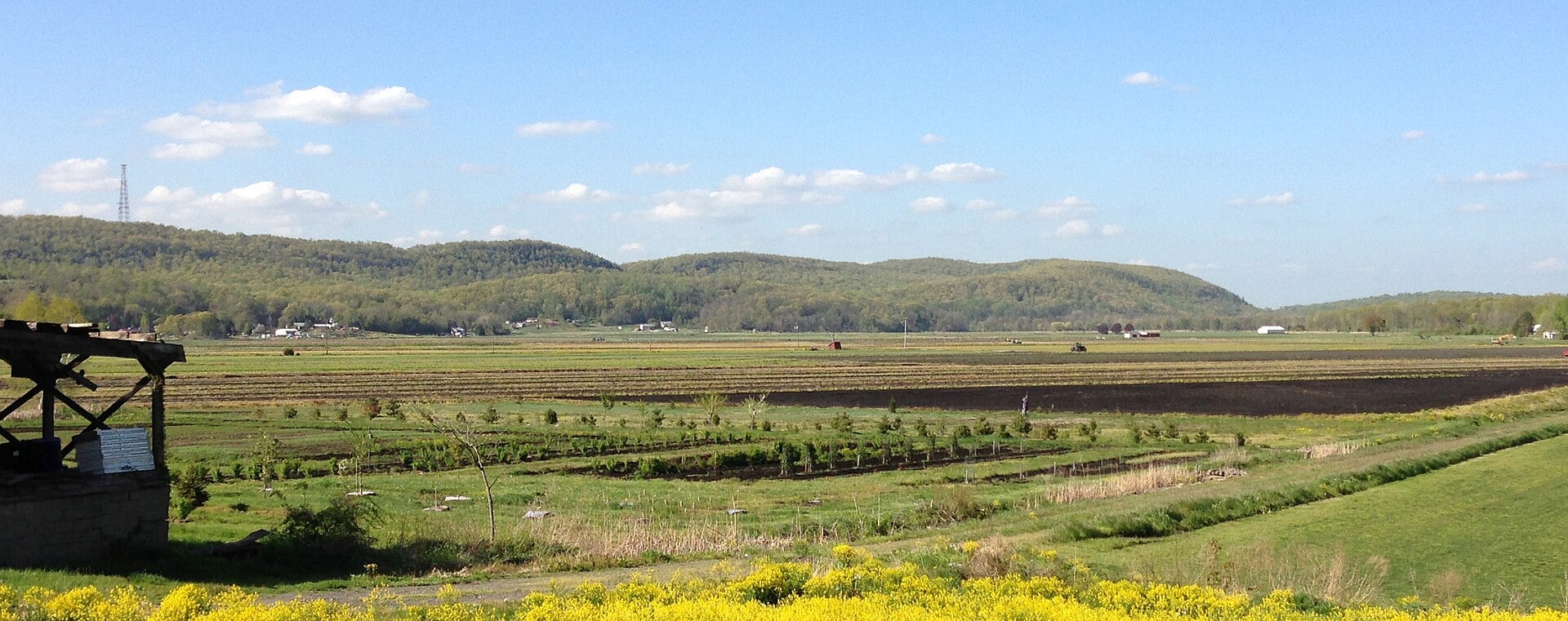
The Missouri Department of Conservation acquired the original 467 acres of the Little Dixie Lake area in 1957. The name reflects the strong cultural and political ties to the antebellum South that characterized early settlement in this part of central Missouri's Callaway County.
Creating the lake required damming Owl Creek and flooding the low-lying land, which had been grazed for generations before Conservation Department ownership. The flooding obliterated the old field patterns and creek corridors of the pre-dam landscape, while leaving the upland features — including established oaks — intact.
Through subsequent land purchases, the conservation area has grown to 733 acres. The Department constructed 22 research ponds for fisheries work, and University of Missouri graduate students use the site for ongoing research. Trail improvements have been conducted in phases since 2021, with the goal of optimizing the hiking and multi-use trail system.
The main parking area is at the intersection of Routes RA and J in Millersburg, approximately 10 miles west of Kingdom City via I-70.
Sources
- https://mdc.mo.gov/discover-nature/places/little-dixie-lake-conservation-area
ApparitionsBattery drainEquipment malfunction
The tree on the Shoreline Trail north of the parking area is the oldest living object at Little Dixie Lake — it was already standing when the land was grazed, when the creek was dammed, when the trails were marked. The Conservation Department left it intact when the lake was created.
A witness account, collected in the Shadowlands Haunted Places Index, describes a single encounter near this tree. The witness's dog became agitated as they approached from the parking area. Their flashlight stopped working at the tree. They saw a figure suspended from one of the long, high limbs — described as a man in dark slacks and a dirty white shirt, barefooted, hanging from a rope.
When the witness left the area of the tree, the flashlight began working again.
The account is a single-witness report with no corroborating documentation. No historical record of a hanging at this location has been found — neither in property records, newspaper archives, nor in Callaway County criminal history. The account belongs to a category of Missouri folklore that clusters around old trees and bodies of water, both of which are associated with concealment and isolation in pre-highway rural landscapes.
Equipment malfunction near natural features is common enough to be unremarkable. Battery performance degrades in temperature shifts, and the microclimate near water and heavy canopy can produce sudden cold pockets.
The tree is real. The pond is real. The age of the landscape surrounding them is real. Whether the figure is more than a legend is a question the conservation area does not address.