Est. 1692 · 1696 Siege of Pemaquid · National Historic Landmark (1993) · 17th-Century Maine Frontier Archaeology
English fishermen established a station at Pemaquid in the early 1610s, and by 1628 the settlement had grown into one of the earliest and most significant English footholds on the Maine coast -- more than 40 houses and 150 to 200 residents by 1673, built on fishing, fur trading with the Wabanaki, timber, and farming. The English government never gave Pemaquid strong enough defenses to match its exposure, and the settlement was abandoned twice during the colonial wars that began in 1676. Fort Charles, built in 1677 with seven cannons and wooden pickets, fell in 1689 when Wabanaki forces, encouraged by their French allies, overran its undermanned garrison.
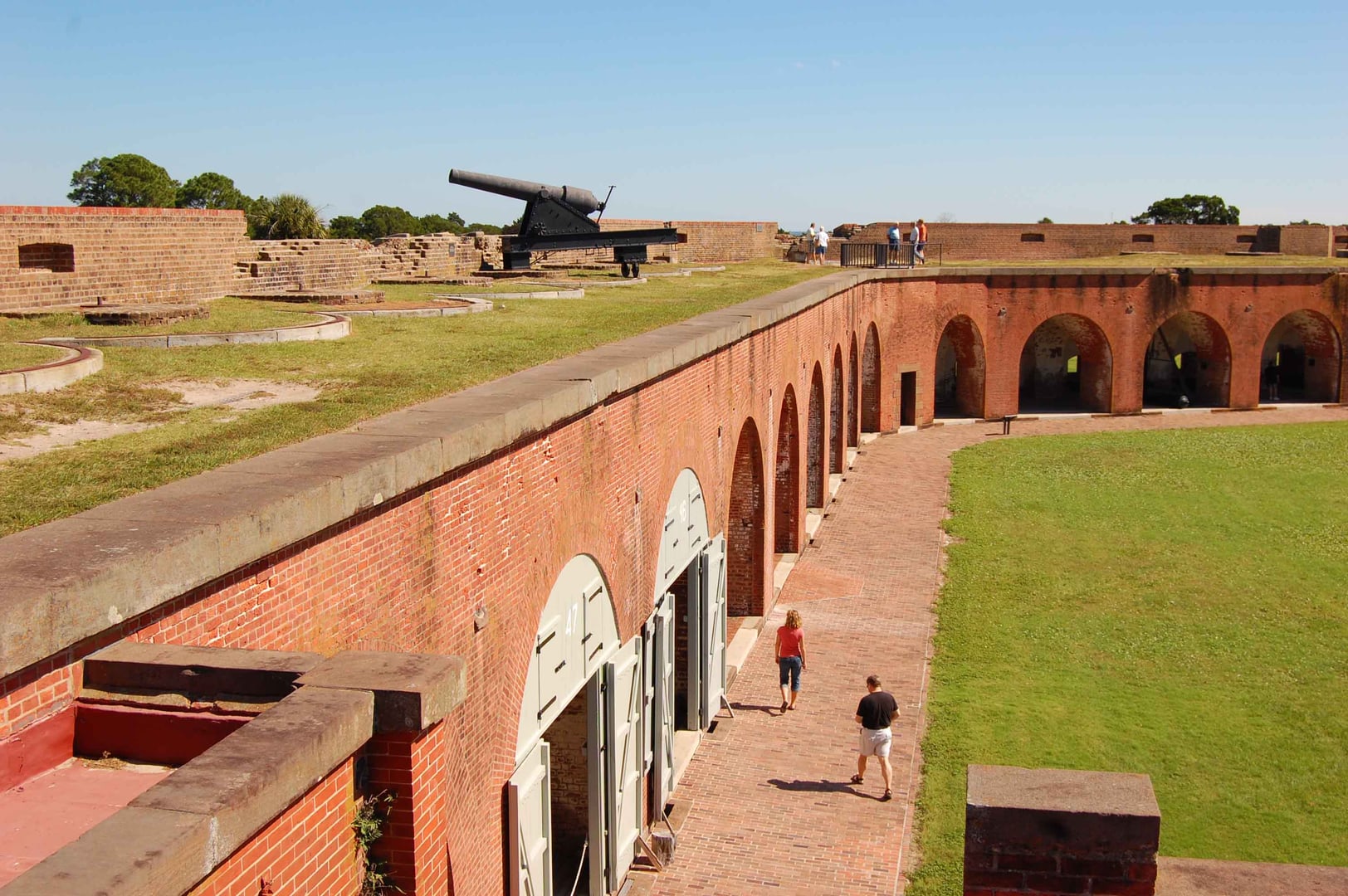
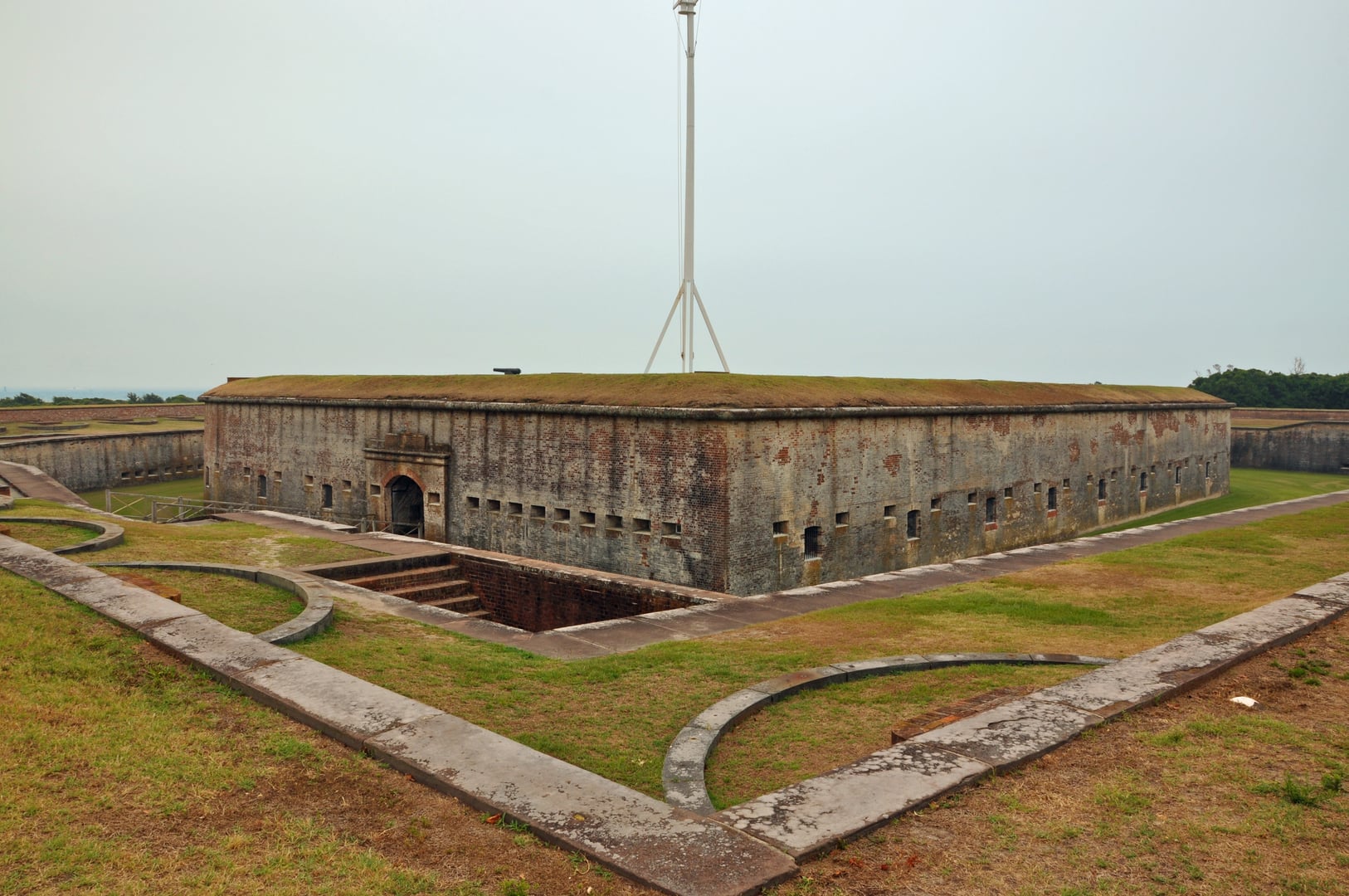
Massachusetts rebuilt on a far larger scale in 1692. Fort William Henry cost roughly two-thirds of the colony's budget: stone walls 10 to 22 feet high, a 29-foot bastion, nearly 20 cannon, 60 soldiers. It held for four years. In August 1696, Captain Pasco Chubb called an assembly of Wabanaki leaders under a flag of truce, then had his men kill several of the chiefs present. Within weeks, a combined French and Wabanaki force returned; poor-quality mortar in the fort's walls gave way under their guns, and Chubb surrendered. He was tracked down and killed two years later at his home in Andover, Massachusetts.
Fort Frederick followed in 1729, built by Colonel David Dunbar to re-establish a settlement without Massachusetts's backing. It was demolished by local vote in 1775 to keep the British from using it during the Revolution. The state acquired the site in 1903; the stone bastion standing today is a partial 1908 reconstruction. Colonial Pemaquid was named a National Historic Landmark in 1993, and more than 100,000 artifacts recovered in decades of excavation are on display in its museum.
Sources
- https://en.wikipedia.org/wiki/Siege_of_Pemaquid_(1696)
- https://en.wikipedia.org/wiki/Colonial_Pemaquid_State_Historic_Site
- https://www.maine.gov/dacf/parks/discover_history_explore_nature/history/colonialpemaquid/fortwh.shtml
- https://www.maine.gov/dacf/parksearch/PropertyGuides/PDF_GUIDE/colonialpemaquidbrochure.pdf
- https://wjbq.com/the-tale-of-maines-beautiful-and-haunted-fort-william-henry/
- https://www.onlyinyourstate.com/experiences/maine/fort-haunted-ghost-me
Balls of lightCold spotsApparitions
Ghost-tour and roundup sites describe Colonial Pemaquid as haunted since the 1696 betrayal, with visitors reporting glowing balls of light, cold spots, and glimpses of Native American figures on the grounds. The New England Legends podcast devoted a full 2019 episode to the site and noted, without settling the question itself, that many retellings misidentify the ghost.
That caution is warranted. Wikipedia's own cited history of the siege names "Chief Aspinquid" as one of the leaders killed under the flag of truce. Other retellings name "Sagamore Edgeremet and his two sons," and still others name "Chief Taukolexis." No two ghost-story sources agree, and none of the three names is corroborated across the group researched for this entry.
What is certain is the underlying event: Pasco Chubb violated a truce and Wabanaki leaders were killed for it, a documented 1696 atrocity that predates every ghost story built on top of it. Rather than assert a name, the fair account is that Colonial Pemaquid's haunting reputation is real as folklore -- persistent, decades old, tied to a real crime -- while the specific identity attached to it remains an unresolved local legend, not an established fact.
Media Appearances
- Podcast 97: The Ghosts of Fort William Henry (podcast, 2019)