Est. 1892 · Pauly Jail Building Company Construction · Troup County Criminal Justice History · Chattahoochee Valley Art Association
The Troup County Jail was built in 1892 under a contract awarded in January of that year to the Pauly Jail Building Company of St. Louis, Missouri, for $13,500. The Pauly Company was one of the leading jail construction firms of the late nineteenth century, specializing in steel cell systems designed to resist escape attempts. The steel cells installed in LaGrange proved their durability when, during a test by Georgia Tech machinists, two hours of drilling, sawing, and chiseling produced no appreciable impression.
The structure contained three sections: a jailer's residence at the front, a cellblock divided by race according to the practices of the era, and an execution area at the rear. Five men were hanged inside the building between 1901 and 1918: Edmund Scott (1901), Ingram Canady Jr. (1908), Lucius Truitt (1909), Walter Thomas (1910), and John Marvin Thompson (1918). Thompson was the only white man executed there.
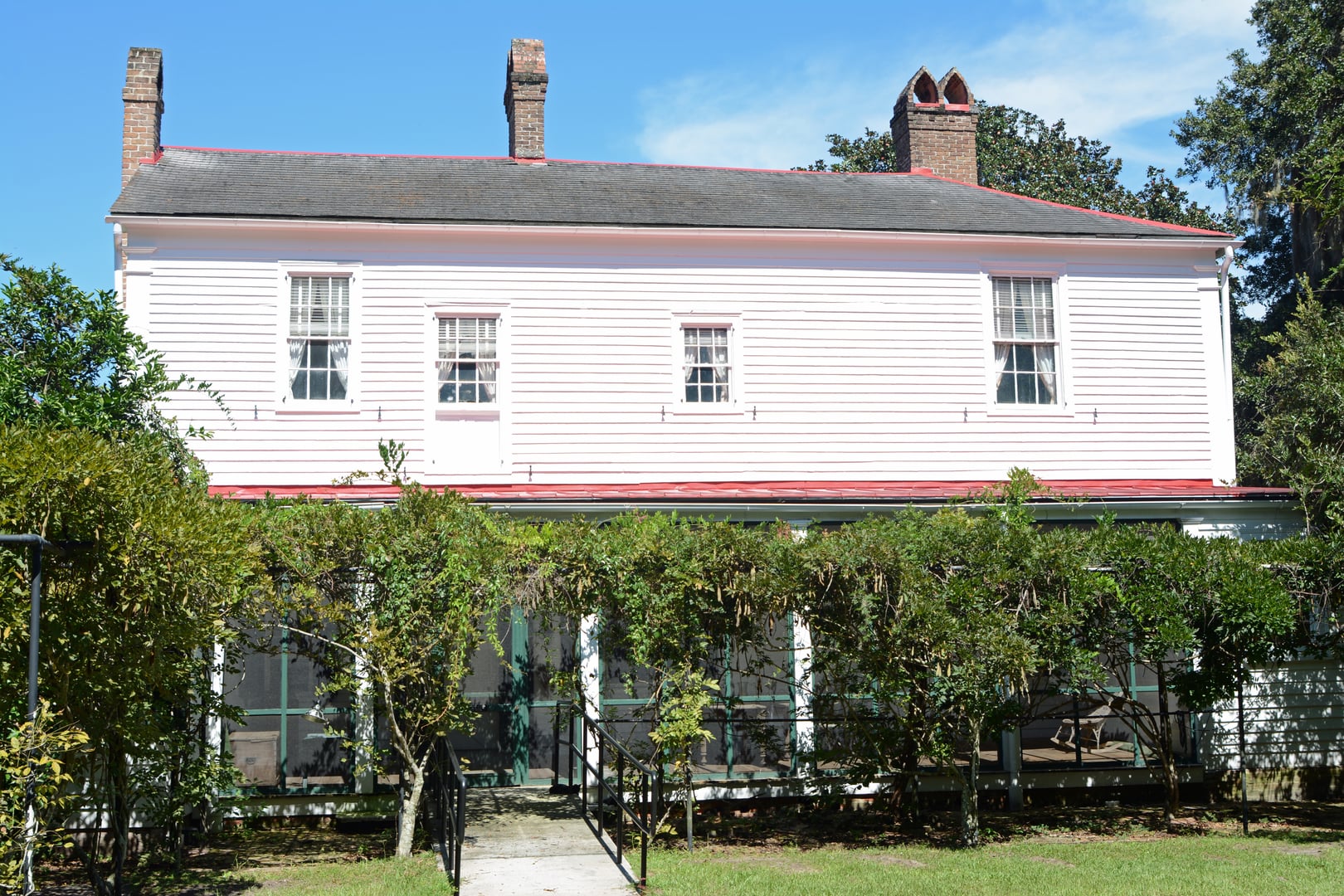
The building was decommissioned as a jail in 1939 and converted to house the LaGrange Daily News. It subsequently served as a furniture store. In 1978, the Callaway Foundation donated the structure to the Chattahoochee Valley Art Association, which established the LaGrange Art Museum in the building. The museum continues to operate galleries across the Victorian structure at 112 Lafayette Parkway.
Sources
- https://www.southernspiritguide.org/its-hideous-use-lagrange-georgia/
- https://lagrangeartmuseum.org/history/
- https://visitlagrange.com/unexplained-lagrange-spooky-haunts-paranormal-activity/
Phantom smells (tobacco smoke)FootstepsFaces at upper windowsApparitions (psychic account)
The paranormal accounts from the LaGrange Art Museum come primarily from staff rather than visitors, accumulated over the building's decades as a cultural institution following its time as the county jail.
The current director reports a recurring phenomenon: the smell of tobacco smoke in the entrance hall of a building that has operated under a strict no-smoking policy for years. No source has been identified. The maintenance worker describes hearing footsteps inside the building when he is alone at night — sounds that stop when he investigates, with no one else present.
A co-worker reported seeing faces peering out of the tower windows at night — a location accessible only by ladder from an interior room, making casual occupation of the space unlikely.
A psychic visitor to the building described detecting three presences: an African American man who communicated that he had acted in self-defense, positioned near the back cellblock; a hunched figure; and a feminine presence connected to one of the incarcerated individuals. The building's history of housing a racially segregated cellblock and conducting five executions between 1901 and 1918 gives the accounts a specific historical context, though no documented individual has been matched to any of the reported phenomena.
The building is a stop on the Strange LaGrange Walking Tour.
Where this legend is told