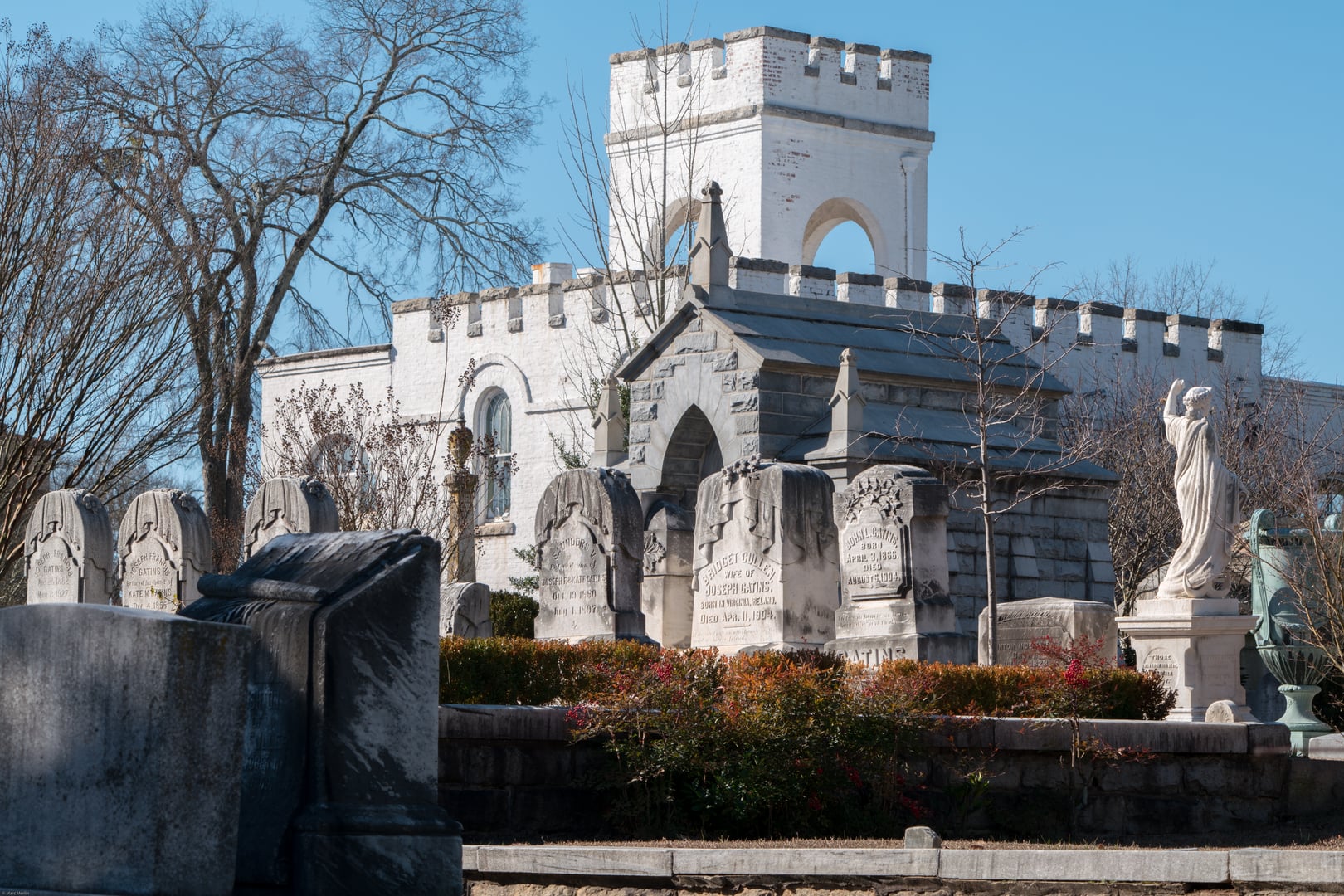
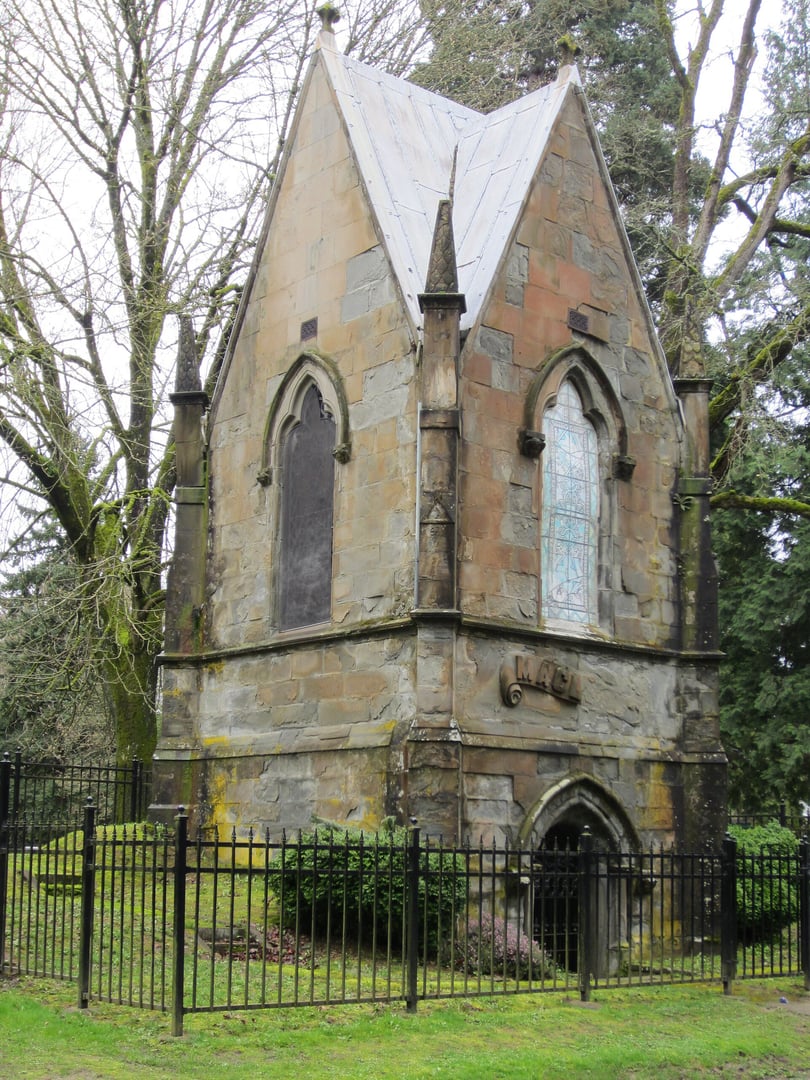
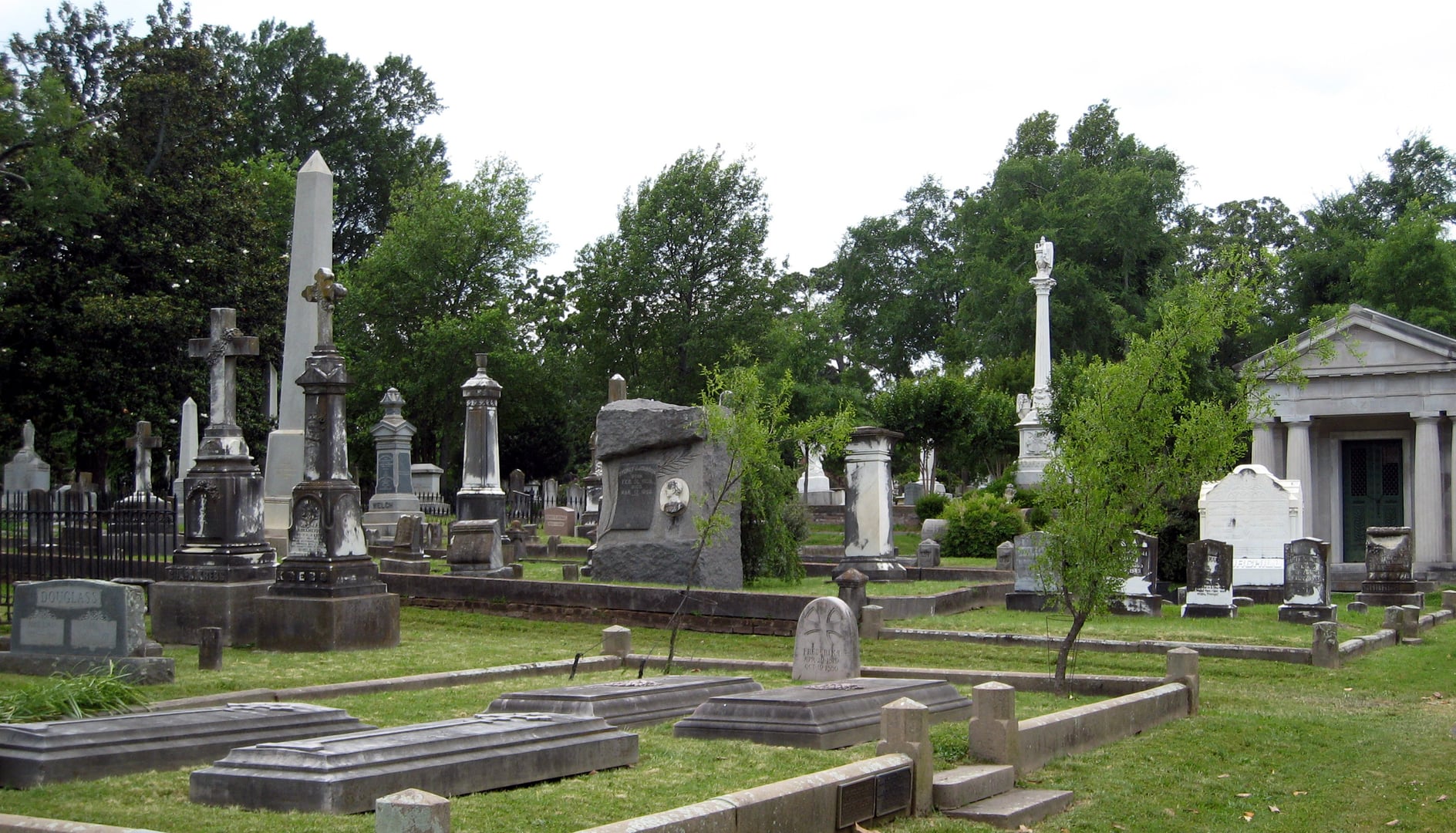
Bonaventure Cemetery occupies a significant place in both Savannah's cultural landscape and American paranormal folklore. The cemetery itself dates to the 19th century and represents Victorian attitudes toward death, mourning, and memorialization. Its landscaping, including live oaks draped in Spanish moss and ornamental plantings, creates an atmospheric environment that has influenced literary and cultural references.
The cemetery became internationally known through the burial of Gracie Watson, whose story represents a convergence of Victorian death culture, parental grief, and subsequent folkloric elaboration. Gracie was born on July 10, 1882, to W.J. Watson and his wife Frances. The family had relocated to Savannah from Boston, Massachusetts, where W.J. took employment managing the Pulaski Hotel.
On April 22, 1889, two days before Easter, Gracie succumbed to pneumonia—then a common childhood killer with high mortality rates. She was buried in the Watson family plot at Bonaventure Cemetery. Her father, devastated by the loss, commissioned local sculptor John Walz to create a monument of unprecedented personal intimacy: a life-sized marble statue depicting his daughter with extraordinary realistic detail, completed in 1890.
The statue became a focal point for visitors to the cemetery. Over subsequent decades, visitors began leaving small gifts and tributes at the site—coins, toys, flowers, and trinkets. The practice persists to the present day, with visitors particularly intensifying gift-leaving during holidays. The Bonaventure Historical Society eventually constructed a wrought-iron protective fence around the Watson plot to preserve the grave site.
Today, Gracie Watson's grave ranks among the most visited burial sites in Georgia, attracting visitors from across North America and internationally. The cemetery itself has become a destination for historical tourism, paranormal investigation, and literary interest due to its atmospheric qualities and association with Southern Gothic aesthetics.