Est. 1838 · Antebellum Greek Revival and Federal-style architecture with original heart-pine floors and New York-made finish woodwork · Home of Thomas Orman, a leading figure in Apalachicola's 19th-century cotton export trade · Hosted notable visitors including Robert E. Lee and Dr. John Gorrie · Continuously occupied by the Orman family for 165 years before becoming a state park in 2001
Thomas Orman arrived in Apalachicola in 1834, having previously tried to establish himself in Webbville, Jackson County, before that community lost out to Marianna. He found better footing on the Apalachicola waterfront, where the cotton trade was accelerating fast.
The inland counties of Georgia, Alabama, and northern Florida were planting cotton at a scale that required port infrastructure, and Apalachicola had the geography: the river ran straight to the Gulf. Orman positioned himself as a factor, buying cotton that came downriver on steamboats and reselling it to ocean-going ships headed to mills in New England and Europe. The arrangement paid well. By the late 1830s, Apalachicola had become the third busiest Gulf Coast port, handling more cotton than any other Florida city.
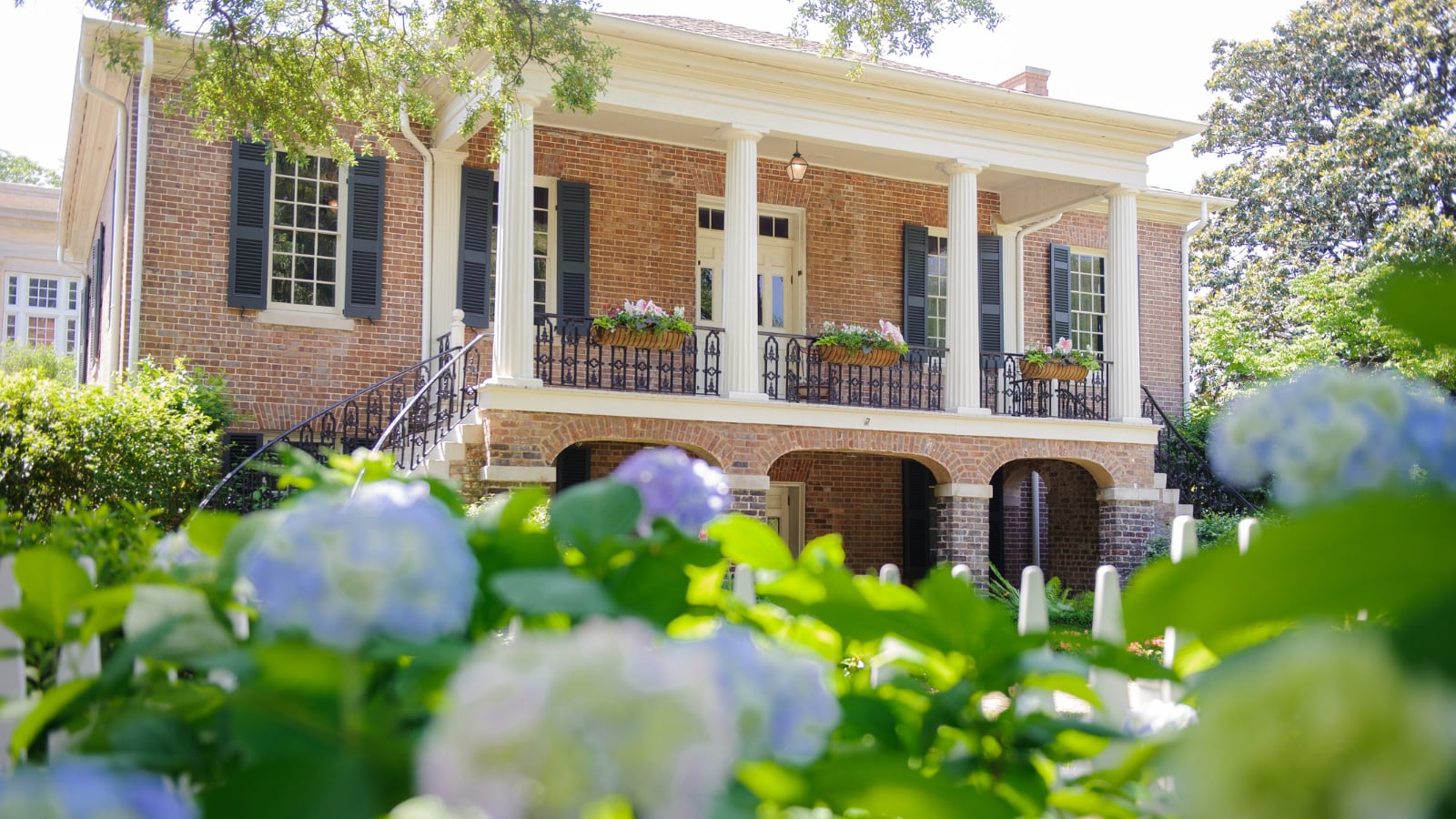
In 1838, at the height of this prosperity, Orman commissioned the house at 177 5th Street. The architecture blends Greek Revival and Federal styles: wooden mantelpieces, molded plaster cornices, and wide heart-pine floorboards. The windows, doors, and finish woodwork were manufactured in New York and shipped down, the detail work a statement of wealth on a Gulf Coast frontier. Notable guests over the years included Robert E. Lee, botanist Dr. Alvin Wentworth Chapman, and Dr. John Gorrie, the Apalachicola physician who developed early refrigeration technology.
The Orman family occupied the house continuously for 165 years. When the last descendant sold it in 1994, the state of Florida acquired it in 2001 and converted it to a historic state park. A Veterans Memorial Plaza with a bronze partial replica of the Vietnam Veterans Memorial's Three Soldiers statue now stands on the grounds.
Sources
- https://www.exploresouthernhistory.com/ormanhouse.html
- https://www.floridastateparks.org/parks-and-trails/orman-house-historic-state-park
- https://en.wikipedia.org/wiki/Orman_House
- https://www.floridasforgottencoast.com/2020/10/7-historical-haunts-of-the-forgotten-coast/
Unexplained footsteps and sounds after hoursLights turning on and off without explanationAlphabet blocks rearranging into messagesApparition of a woman in a white nightgown near the rear of the house
The Orman House has been called one of the best-known haunted houses in Apalachicola, a reputation built almost entirely on staff accounts rather than staged events. Employees describe unexplained footsteps and sounds in the house at night, with lights turning on or off in rooms no one has entered. The alphabet blocks — a detail specific enough to have appeared in multiple independent tellings — reportedly rearrange themselves into what witnesses have characterized as cryptic messages.
A 2017 investigation by a group called KnightEyes was conducted with K-2 meters, a device used by paranormal investigators to detect electromagnetic fluctuations. The team approached a well on the property and posed questions, recording what they described as responsive meter readings. Interactive ghost-hunting tours were later offered for a period, allowing small groups to carry K-2 meters and video recorders through the house.
The prevailing impression from those investigations, as reported by Florida's Forgotten Coast and regional paranormal sources, was that the spirits present were benign. One visitor described seeing a woman in a white nightgown near the back of the house late in the evening, an account consistent with family-member apparition reports from similar historic properties.
The house's 165-year continuous family occupation, the wealth and social complexity of the antebellum cotton economy it represents, and the relative isolation of Apalachicola from the tourist mainstream have kept this location's reputation largely local rather than nationally promoted.
Notable Entities
Apparition described as a woman in white