Est. 1829 · Oldest Surviving House in South Florida · Key West Wrecking Trade History · 19th-Century Ship Carpentry Techniques · Yellow Fever Epidemic History
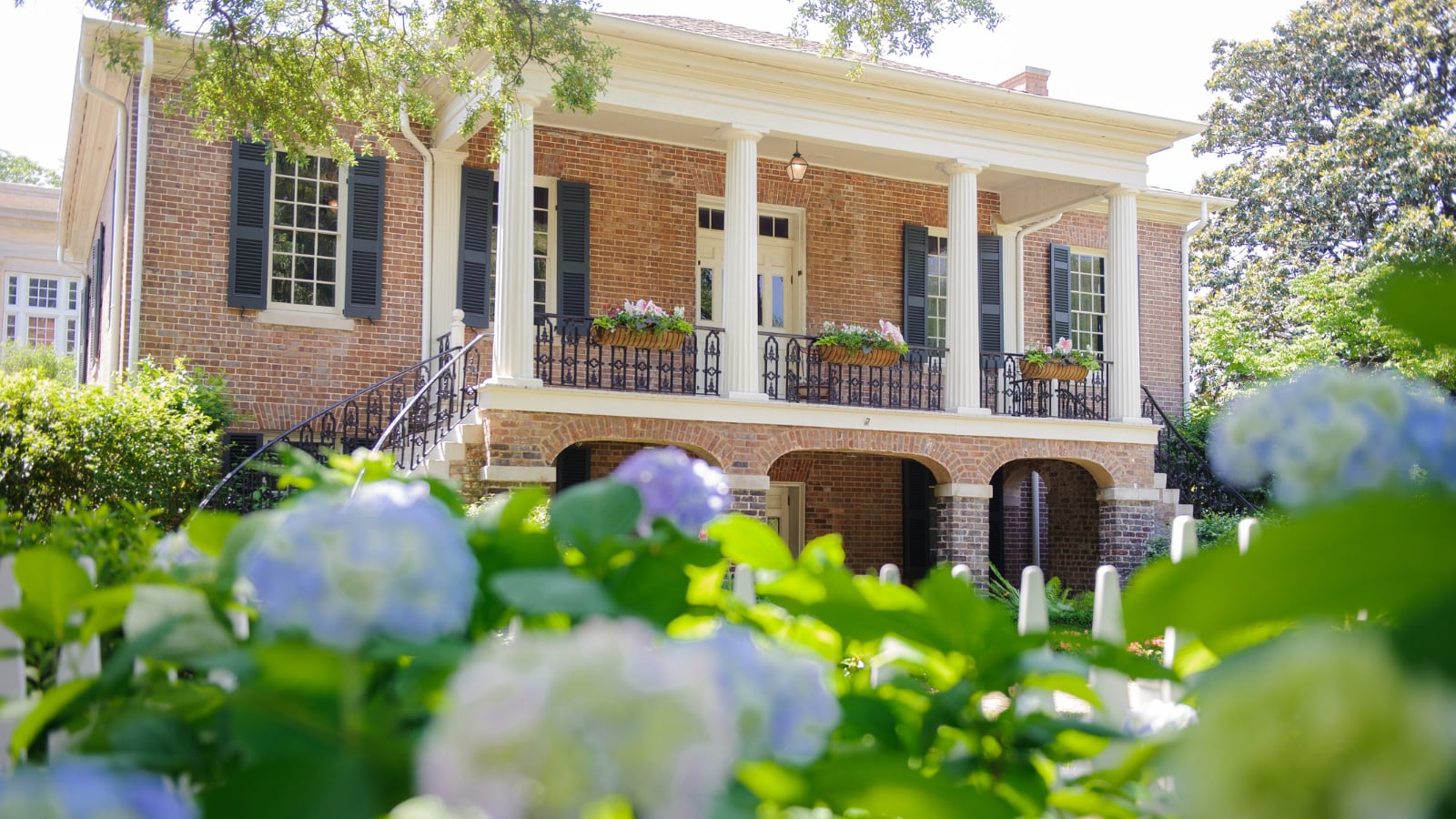
Richard Cussans arrived on the Florida coast in 1828 and built this house the following year, using ship carpentry techniques in its construction — mortise and tenon joinery, horizontal wallboards, and ventilation hatches (scuttles) in the ceilings that function like a ship's portholes. These features gave the structure a resilience against storms and heat that helped it survive nearly two centuries of Florida Keys weather.
The house was first sited on a lot near Whitehead and Caroline Streets. Around 1835, it was moved — a common practice in 19th-century Key West — to its current location on Duval Street. Captain Francis Watlington, a licensed wrecker who built his livelihood from salvaging cargo off the Florida reef, subsequently acquired the property. He expanded the house with additional rooms and a center hall to accommodate his family of nine daughters and his wife Emeline.
Key West was devastated by recurring yellow fever epidemics in the 19th century. The Watlington household suffered the disease directly: three of Watlington's daughters died in the house. The rocking chair that remains in the upstairs room is associated in caretaker accounts with Emeline's vigil during her daughters' illnesses.
The Watlington family held the property until the early 1970s, at which point the Old Island Restoration Foundation — a preservation nonprofit founded in 1960 — took stewardship and converted the house into a public museum. It is the oldest surviving house in South Florida and contains artifacts from the wrecking industry, period Watlington family furnishings, and exhibits on 19th-century Key West domestic life.
Sources
- https://ghostcitytours.com/key-west/haunted-key-west/captain-watlington-house/
- https://oirf.org/
- https://www.florida-keys-vacation.com/Oldest-House-Key-West.html
Rocking chair movement (auditory)Apparitions (child figure)Luminescent figuresResidual haunting
The Oldest House's paranormal history is anchored to specific, documented caretaker accounts rather than the diffuse tourist-facing narratives common to Key West haunted sites.
Two caretakers who lived in the house documented a consistent phenomenon: nightly creaking and thumping sounds coming from a rocking chair in an upstairs room. The room was locked, with no open windows that could account for air movement. The sounds were regular enough to become a predictable part of their evenings in the house. A psychic consulted about the activity identified the presence as Emeline Watlington, rocking a dying daughter — consistent with the documented yellow fever deaths of three Watlington children in the house.
A different caretaker, working the property at a later period, reported seeing a luminescent figure of a child on the second floor, apparently playing marbles. When the caretaker approached, the figure disappeared. The child figure has been interpreted as the spirit of one of the daughters who died young.
The rocking chair itself remains in the room. Ghost tour operators and paranormal investigators note that the chair's association with documented child deaths and the independent corroboration by two separate caretakers makes this one of the more substantiated accounts in Key West's paranormal catalog.
Notable Entities
Emeline WatlingtonWatlington daughters (three died of yellow fever)