Est. 1909 · National Register of Historic Places · Jim Crow-Era Incarceration · Masonry Vernacular Architecture · County Jail History
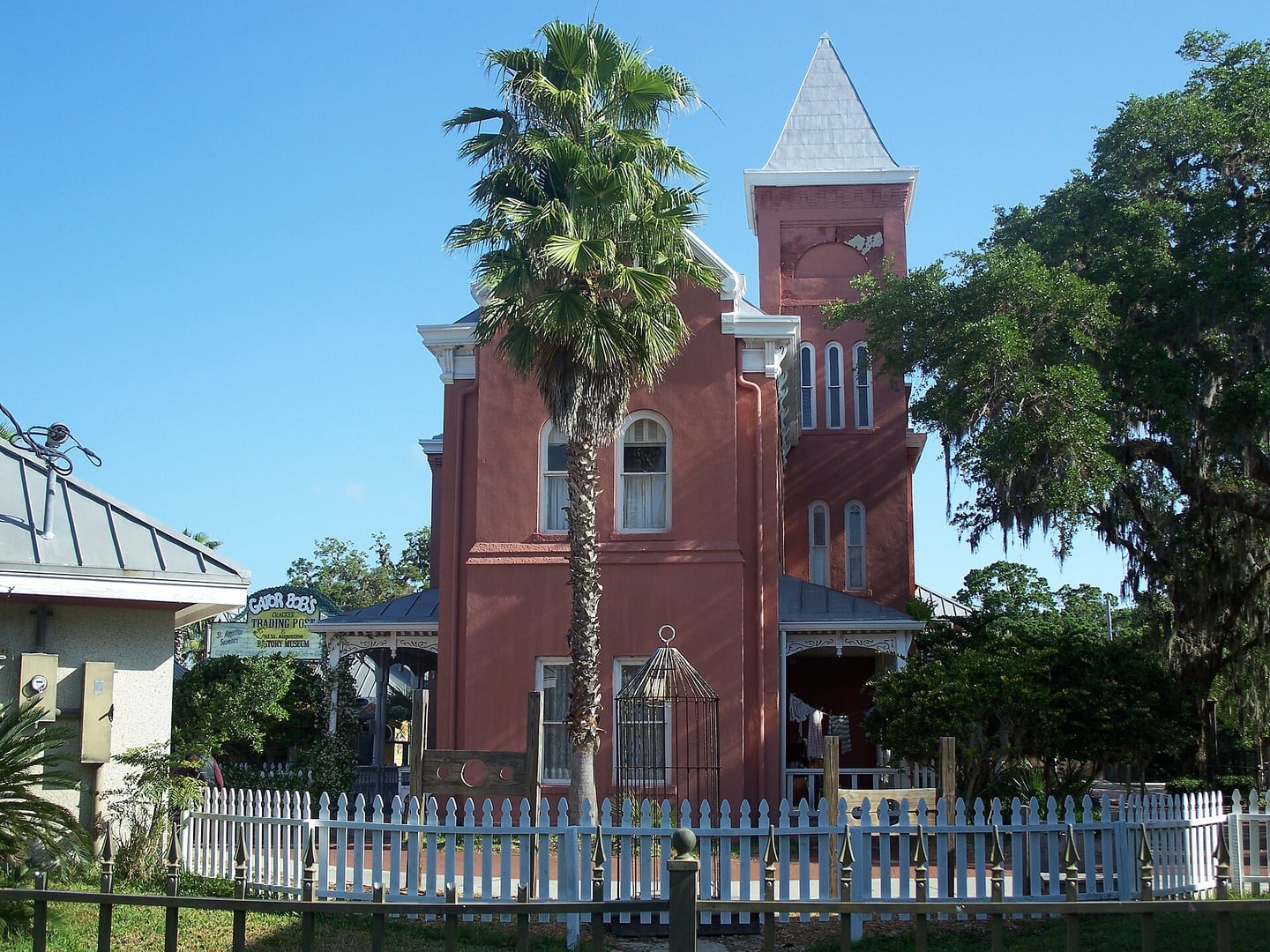
Construction on the Jefferson County Jail began in spring 1909, months after its predecessor burned down. The new brick building followed the standard design for small Southern jails of the Progressive Era: a ground-floor residence for the jailer and family — three bedrooms, living room, dining room, kitchen, and bath — with steel-caged holding cells occupying the upper floor.
The building enforced the racial segregation of its time. African American inmates were confined to the larger main cellblock, the "bullpen," while white inmates occupied a separate, smaller area. Both populations left records of their time on the walls. Inmates scratched and painted their thoughts into the painted brick as they waited — phrases that historians and visitors have described as poignant glimpses into incarceration under county justice. One inscription, widely cited, reads: "I need someone to talk to me about my soul." Another simply: "Disturbed."
The facility operated until 1971 and then served county departments as office space for decades. Community leaders moved to preserve it in 2013. It was listed on the National Register of Historic Places on January 15, 2014, under NRHP reference No. 13001072. Main Street of Monticello, Florida, Inc. now operates the restored building as a local history museum. Restoration work has continued since the listing.
Sources
- https://en.wikipedia.org/wiki/Jefferson_County_Jail_(Monticello,_Florida)
- https://jeffersonmemory.omeka.net/exhibits/show/old_jail_museum/history/the_jail
- https://www.wtxl.com/news/wtxl-road-trip-exploring-monticello-s-haunted-history/article_5aa285ca-54f7-11e7-bf3c-6b83ad0c5b6a.html
Phantom footstepsUnexplained bangingDisembodied voicesAnomalous EMF readingsFlashing lights
The Old Jefferson County Jail has been a stop on Monticello's ghost tour circuit for years, and its paranormal reputation rests on consistency rather than dramatic incidents. Visitors and investigators report the sound of running footsteps when no one else is in the building. Paranormal investigation groups working the site have captured what they describe as flashing lights, loud clattering and banging on the cell walls, and whispered voices, along with anomalous electromagnetic field readings in the cellblock area.
The atmosphere of the building amplifies these reports. The prisoner graffiti — phrases about souls and disturbance, written in a penmanship style no longer taught — is visible in the exercise area and cell spaces, and local historian Anne Holt has observed that you can "feel the weight of the years" in the structure. The building spent more than six decades as a working jail under Jim Crow conditions before conversion.
The Historic Monticello Ghost Tour, which runs monthly and uses the jail as one of fourteen stops, frames the paranormal activity in terms of the building's documented history rather than invented legend. Access to the interior depends on restoration progress and tour availability.
Where this legend is told