Est. 1905 · National Register of Historic Places (1972) · One of Fort Lauderdale's first hotels · Concrete-block construction that set regional building standards · Commissioned by U.S. Senator Nathan Philemon Bryan
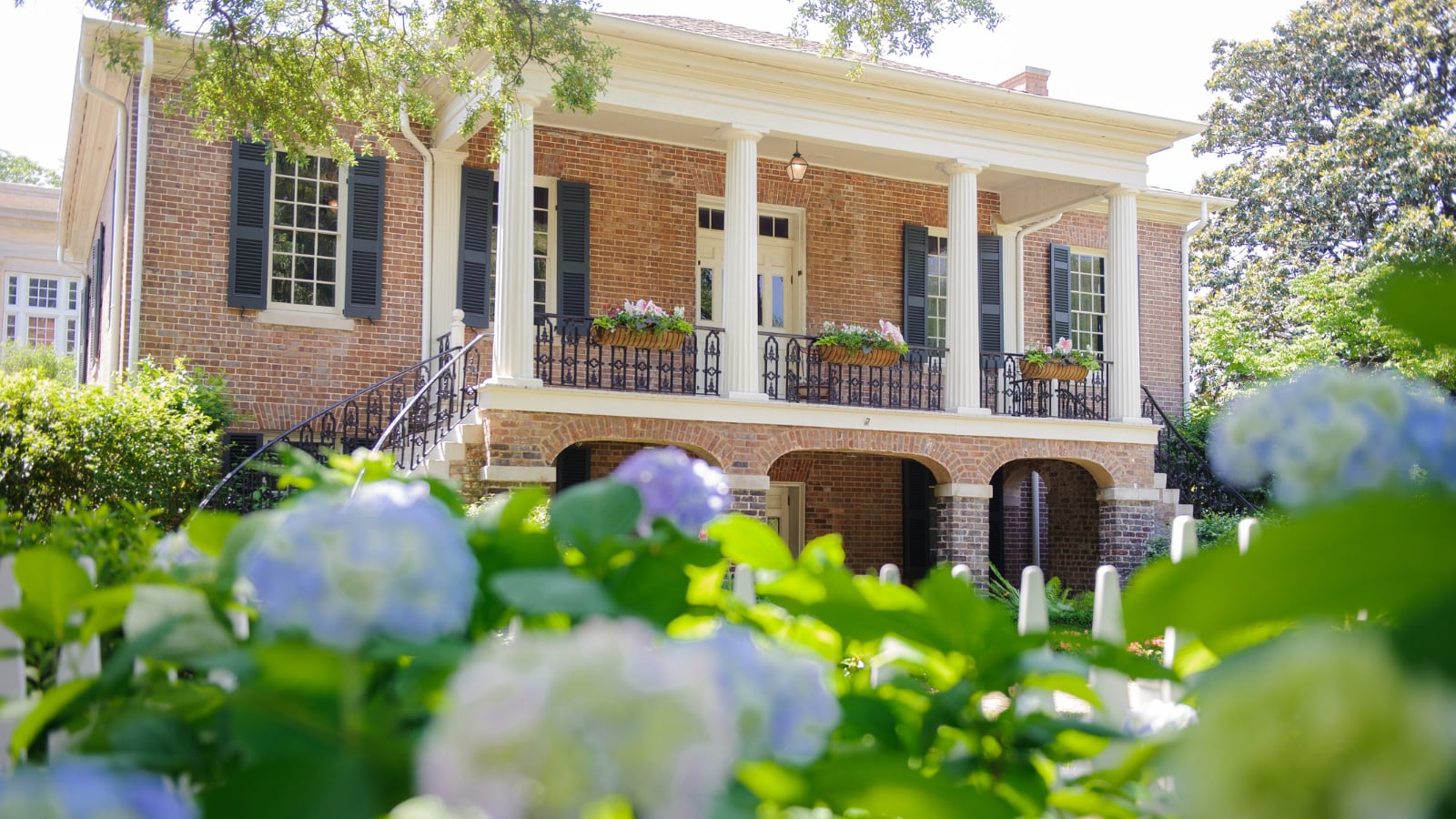
The New River Inn opened in 1905 at 231 Southwest 2nd Avenue, commissioned by Nathan Philemon Bryan, a Jacksonville native who later served as a United States senator. Bryan hired Edwin T. King — Fort Lauderdale's first contractor — who built the structure from hollow concrete blocks with sand dredged from the nearby coast. The construction methods were innovative for South Florida at the time and helped establish building practices for subsequent development in the region.
The inn opened as a 24-room hotel with modern amenities considered exceptional for the frontier settlement: sewer and irrigation systems, running ice water, and carbide lamp lighting. It operated as a hotel from 1905 to 1955, serving travelers arriving by rail and by water along the New River, and witnessed Fort Lauderdale's transformation from a small trading post community to a regional city.
The building was added to the National Register of Historic Places on June 19, 1972. Beginning in 1976, the Museum of Discovery and Science operated from the inn as the 'Discovery Center' until the museum relocated to a larger facility in 1992. The Fort Lauderdale Historical Society then assumed management of the property as a history museum, part of the Old Fort Lauderdale Village campus that also includes the 1907 King-Cromartie House. Exhibits cover early Fort Lauderdale history and include a recreated 1908 hotel room.
Sources
- https://en.wikipedia.org/wiki/New_River_Inn
- https://commons.wikimedia.org/wiki/File:New_River_Inn_(Fort_Lauderdale,_Florida).jpg
- https://www.visitlauderdale.com/articles/post/exploring-greater-fort-lauderdales-historic-and-haunted-sites/
ApparitionsChild's presenceSecond-floor veranda activity
The ghost narrative most consistently attached to the New River Inn involves LuLu Marshall, described in regional ghost tour accounts as a child who attended Ivy Stranahan's informal school class in 1899 — the first class taught in the settlement — and who later drowned in the adjacent New River. The apparition is said to appear on the second-floor veranda, characterized by guides as playful rather than distressing.
The LuLu Marshall story is specific enough to carry the features of a genuine local history account — a named person, a connection to a documented event (Ivy Stranahan's school class), and a specific location within the building. No documentary record of a LuLu Marshall drowning in the New River during that period has been identified in available historical sources, however, and the Fort Lauderdale Historical Society, which manages the museum and maintains records of the region's early history, does not include the story in its official interpretation of the inn.
The account travels primarily through paranormal tour operators and aggregator sites. Visit Lauderdale, the county tourism board, has included the Marshall story in feature coverage of Fort Lauderdale's haunted sites, which has amplified its reach without adding evidentiary weight. The ghost narrative thus sits in a well-documented building with a factually verifiable history, attached by a name that cannot currently be confirmed.
Notable Entities
LuLu Marshall