Est. 1890 · Presidential Winter Retreat (Truman, 11 Visits, 1946-1953) · Key West Agreement — DoD Organizational Founding · Cold War Decision-Making Site · Cuban Missile Crisis Aftermath (Kennedy) · WWI Naval Weapons Development (Edison)
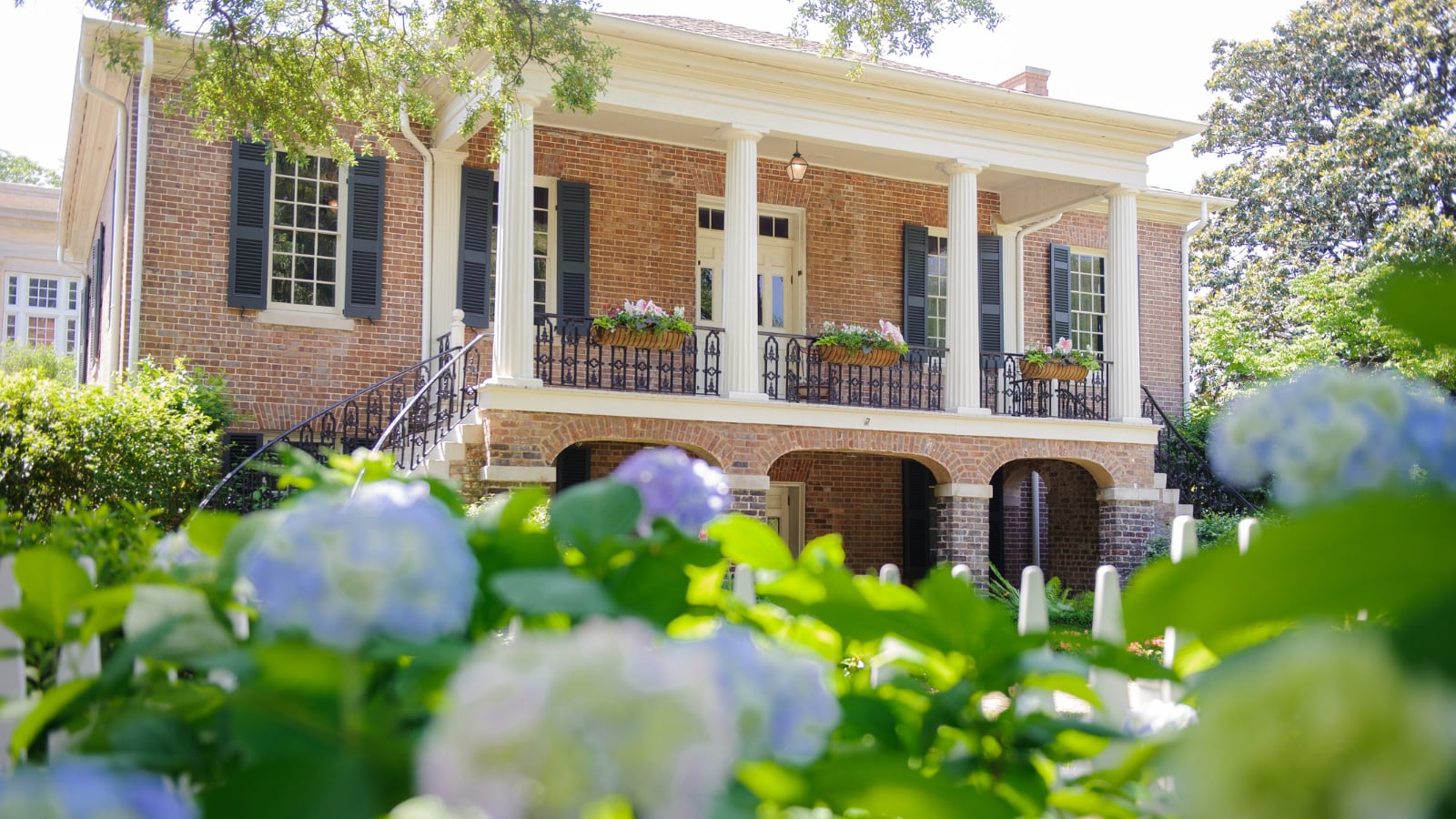
The building at 111 Front Street was completed in 1890 as the first officer's quarters at the U.S. Naval Station in Key West. The architects were Scott, McDermott & Higgs. The house was originally positioned on the waterfront; filling operations in 1911 placed land between the building and the harbor.
The naval station played a continuous strategic role through both world wars. Thomas Edison used the station during World War I to develop underwater weapons, completing 41 designs on the premises. The building's history as a site of consequential decision-making predates Truman by decades.
Harry S. Truman arrived in November 1946 at his doctor's recommendation — he had been working without significant rest since becoming president in April 1945 following Roosevelt's death. Key West offered warm weather and relative privacy. He returned 10 more times through 1953, spending 175 days of his presidency at what staff began calling the Little White House. He treated it as a functional extension of the executive office: where the president was, the White House was.
The Key West Agreement of March 1948 formalized the organizational structure of the Department of Defense — a foundational document for how the United States military services would relate to each other and to civilian authority. Eisenhower later visited during his 1955-1956 recovery from a heart attack. Kennedy used the building in March 1961 for a summit with British Prime Minister Harold Macmillan, and again in 1962 following the Cuban Missile Crisis.
The Naval Station closed in March 1974. The building became a Florida state historic site in 1987 and opened as a public museum, now identified as Florida's only presidential museum.
Sources
- https://en.wikipedia.org/wiki/Harry_S._Truman_Little_White_House
- https://www.trumanlittlewhitehouse.org/
- https://www.whitehousehistory.org/harry-s-trumans-little-white-house
Temperature anomaliesFull-bodied apparitionsResidual haunting
The paranormal accounts attached to the Truman Little White House are notably specific about what they do not claim: Harry Truman is not reported as a presence in the building. The accounts instead describe a former employee — not a president, not a historical figure of record, but a member of the domestic or service staff.
Employees have reported sudden temperature drops in areas of the building that show no mechanical explanation — specific rooms and hallways where the temperature falls noticeably without air conditioning activity. These anomalies have been reported repeatedly by staff working the museum.
Full-bodied apparitions have been reported by multiple staff members in the house. The accounts describe a figure consistent in form with a person in period-appropriate dress, moving through the interior spaces in ways that suggest purposeful activity — the posture and movement of someone at work rather than wandering.
Ghost tour operators framing the accounts note that individuals deeply attached to their work sometimes appear to remain in places they served, and the Little White House draws this interpretation: someone who kept the house running for a president, who took that function seriously enough that they have not, in the accounts, entirely left. The identity of this individual is not documented in available sources.
Notable Entities
Unnamed former staff member