Drive-By
Night Visit to Refuge Bridge
Drive out to the remote one-lane bridge over Walnut Creek in the Refuge community of Chilton County. The adjacent Refuge Cemetery adds historical context to the site.
- Duration:
- 30 min
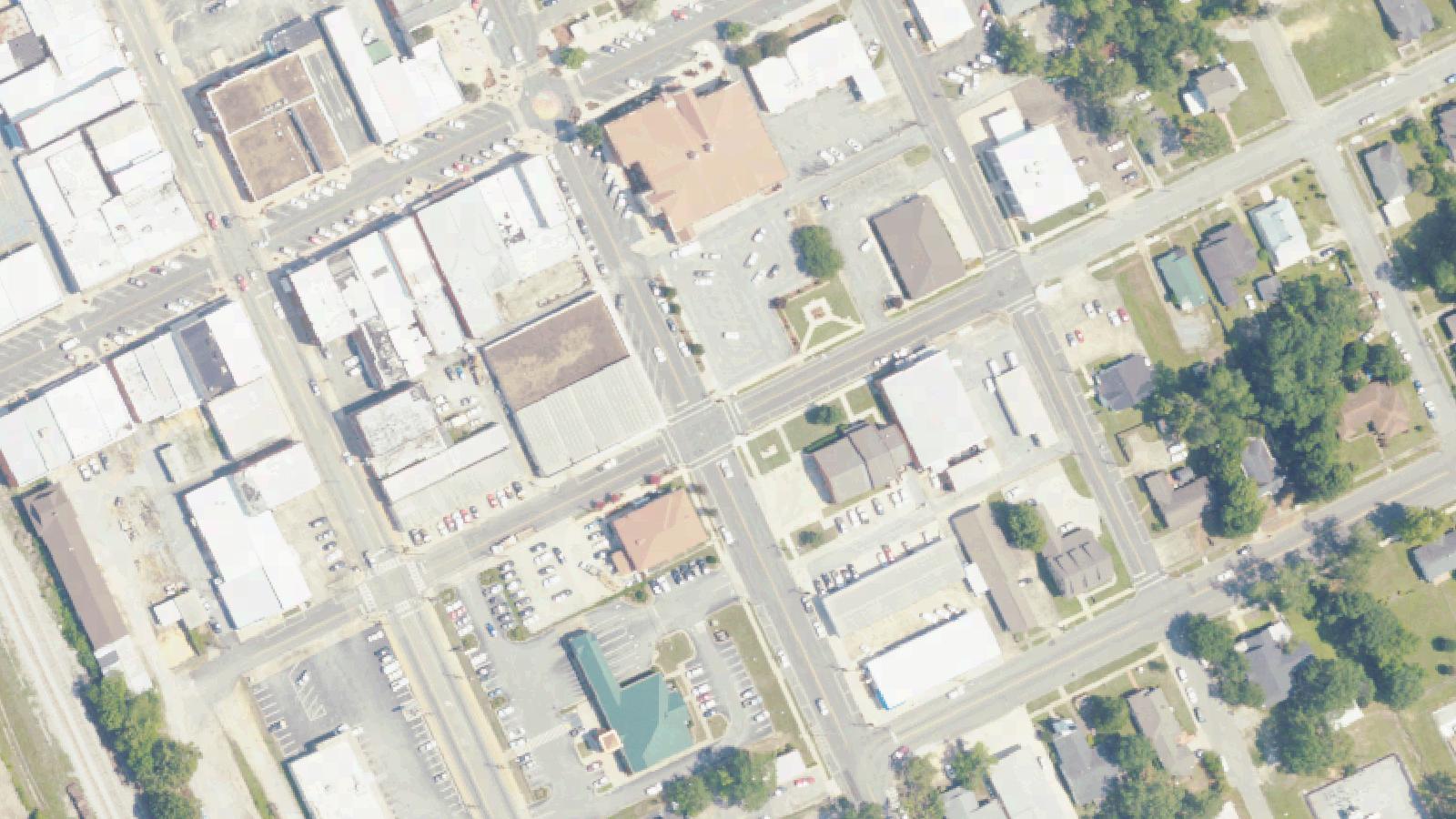 Aerial survey · USDA NAIP · public domain
A small one-lane bridge on Chilton County Road 32 over Walnut Creek near Clanton, Alabama, associated with reports of a malevolent presence, orbs, and car disturbances investigated by local paranormal groups.
Chilton County Road 32, Clanton, AL 35045
Research updated May 2026
Age
All Ages
Cost
Free
Public road; no entry fee.
Access
Limited Access
Rural one-lane bridge; dirt/gravel road approach, unlit at night.
Equipment
Photos OK
Adjacent to Refuge Cemetery and Refuge Baptist Church — longstanding community anchors · Bridge on Chilton County Road 32 over Walnut Creek
The Refuge community sits in a rural stretch of Chilton County southeast of Clanton, Alabama, anchored by the Refuge Baptist Church whose founding family has maintained a connection to the land spanning multiple generations. The one-lane bridge on Chilton County Road 32 spans Walnut Creek as it passes through the community, near the small Refuge Cemetery.
The bridge structure itself has been replaced at least once due to flood damage, meaning the current span is not the original structure. The surrounding area is characterized by dense woodland and creek bottomland typical of central Alabama's piedmont terrain. The Refuge community has historically been thinly populated, with the church and cemetery serving as the primary social anchors.
The Central Alabama Paranormal Research Society has visited the Refuge Bridge as one of several Chilton County sites of interest, and the Clanton Advertiser has reported on paranormal investigation activity in the area, suggesting the site has a documented local reputation beyond internet aggregators.
Sources
According to accounts aggregated from multiple sources, the Refuge Bridge in Chilton County is associated with an intense malevolent presence that distinguishes it from typical rural ghost-bridge lore. Reports describe strange sounds and orbs of light visible on the bridge and in the surrounding woods at night. Visitors have reported that when standing outside their cars on the bridge, they can feel an unseen presence walking beside them and sense a menacing force.
Other accounts describe fog that appears and pursues visitors, an area of dead vegetation where no trees grow nearby, and cars rocking spontaneously while parked on the bridge. Some witnesses report being chased back to their vehicles by an unseen entity. One recurring claim involves a dark vehicle or unidentified form pursuing people who drive the road at night.
The Central Alabama Paranormal Research Society (CAPRS) has conducted documented investigations at the site, with their work at Refuge Bridge and other Chilton County locations covered in a feature article by the Clanton Advertiser (October 29, 2020). The Clanton Advertiser article names Refuge Bridge as one of several Chilton County locations investigated by the group, providing independent local-newspaper documentation that the bridge's paranormal reputation has been formally investigated. The bridge is additionally catalogued in Rich Newman's 2016 book Haunted Bridges (Llewellyn), which covers over 300 American haunted crossings.
Drive out to the remote one-lane bridge over Walnut Creek in the Refuge community of Chilton County. The adjacent Refuge Cemetery adds historical context to the site.
Some links on this page may earn HauntBound a small commission when you book, at no extra cost to you. Our editorial picks are independent. Full disclosure
Every HauntBound history is researched from documented sources. We clearly separate verified historical fact from paranormal folklore.
Free Guide
11 verified stops, rated for families, mapped in order. Free.
One email to confirm, then the guide link. Unsubscribe anytime.
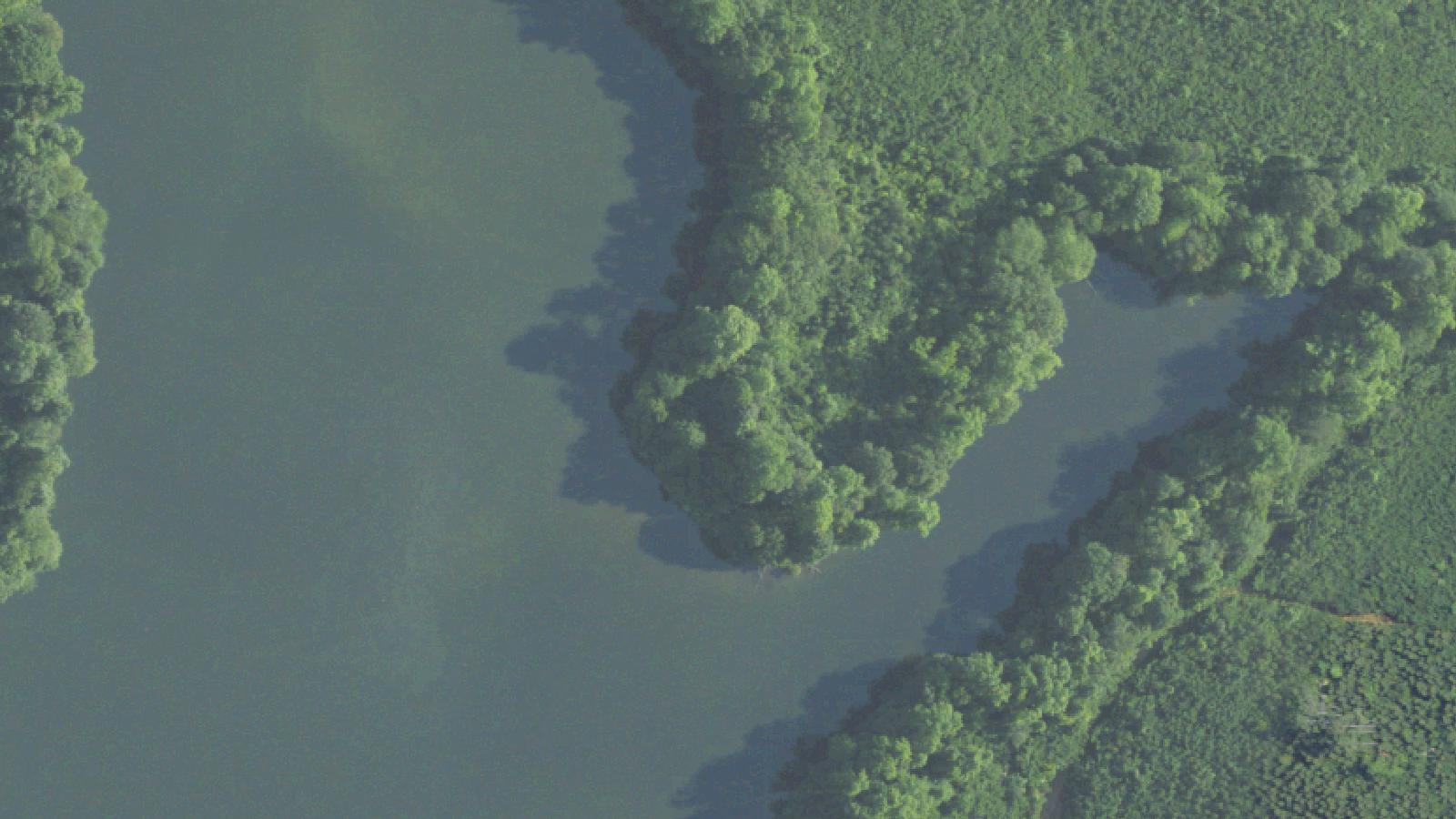 Aerial survey · USDA NAIP
Mulga, AL
Bayview Bridge carries Mulga Loop Road over Bayview Lake just south of Village Creek, in unincorporated Jefferson County near the community of Mulga, west of Birmingham. The current concrete span replaced an earlier cast-iron bridge that was sunk into the lake in the late 1970s. The bridge crosses a man-made lake constructed in the early 20th century to support the Bayview mining and steam-plant community.
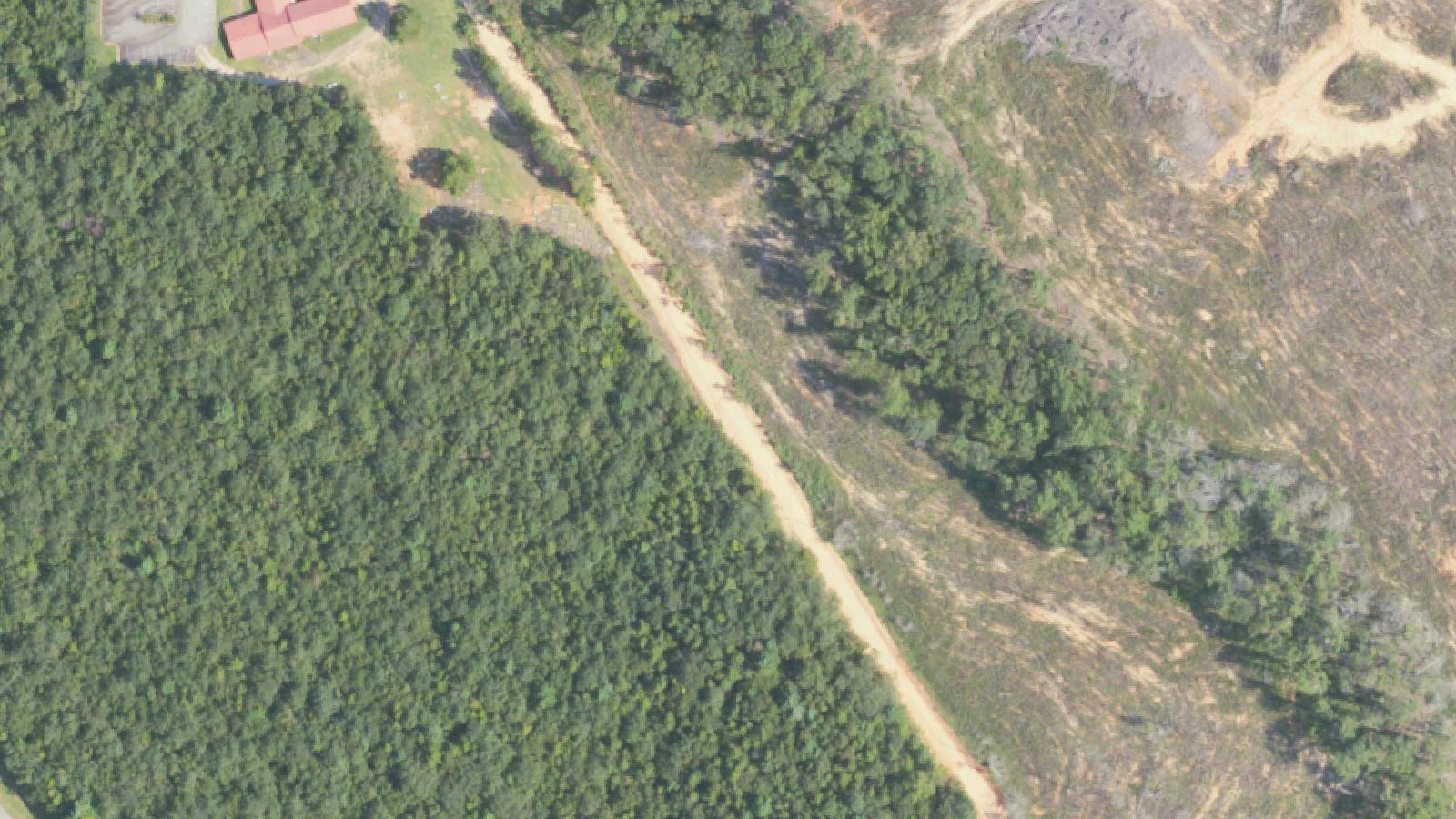 Aerial survey · USDA NAIP
Opelika, AL
Double Hill Road near Opelika, Alabama follows the course of a pre-statehood native trail and later a horse-and-wagon route connecting Columbus, Georgia, to Auburn and Opelika. A small Daniel family cemetery is situated along the road, containing the grave of Mary Melissa Daniel (born 1846). The road has been part of Lee County's rural landscape since before Alabama achieved statehood in 1819.
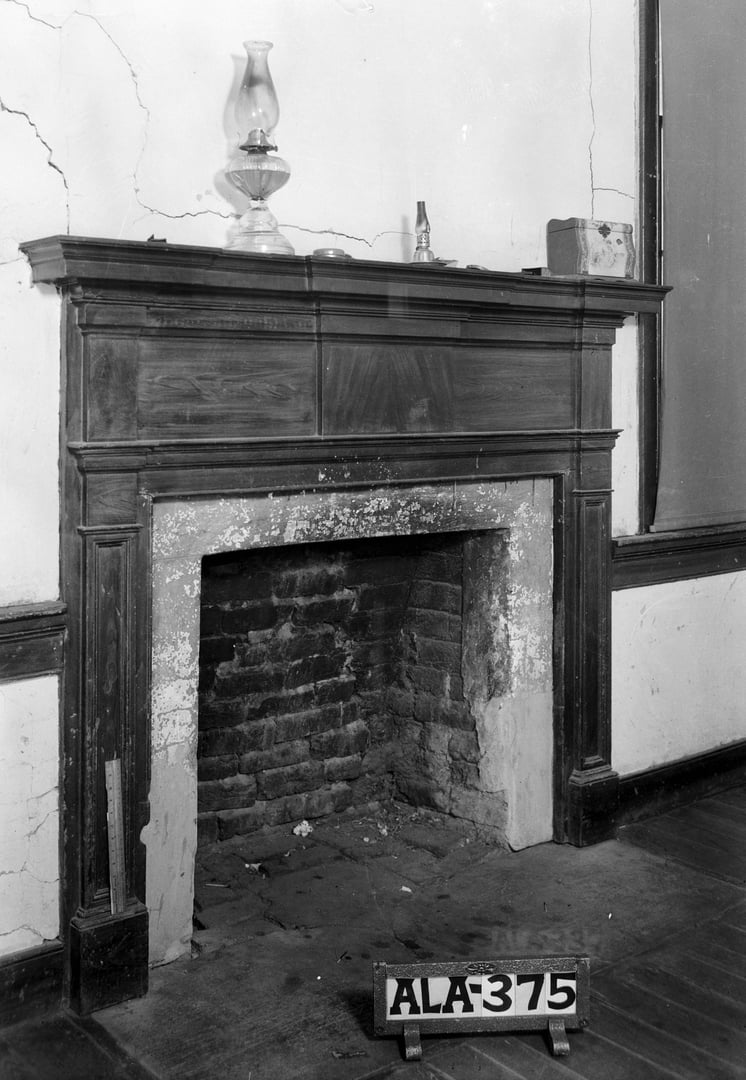
Florence, AL
The Forks of Cypress was a cotton plantation near Florence in Lauderdale County, built for Irish immigrant James Jackson and completed in 1830. Architect William Nichols designed it as the only Alabama house with a two-story colonnade of 24 Ionic columns wrapping the entire structure. The house burned after a lightning strike on June 6, 1966; the columns survived and remain a landmark.