Pre-statehood native trail corridor · Early 19th-century wagon road connecting Georgia and east Alabama settlements · Daniel family cemetery with documented 19th-century graves
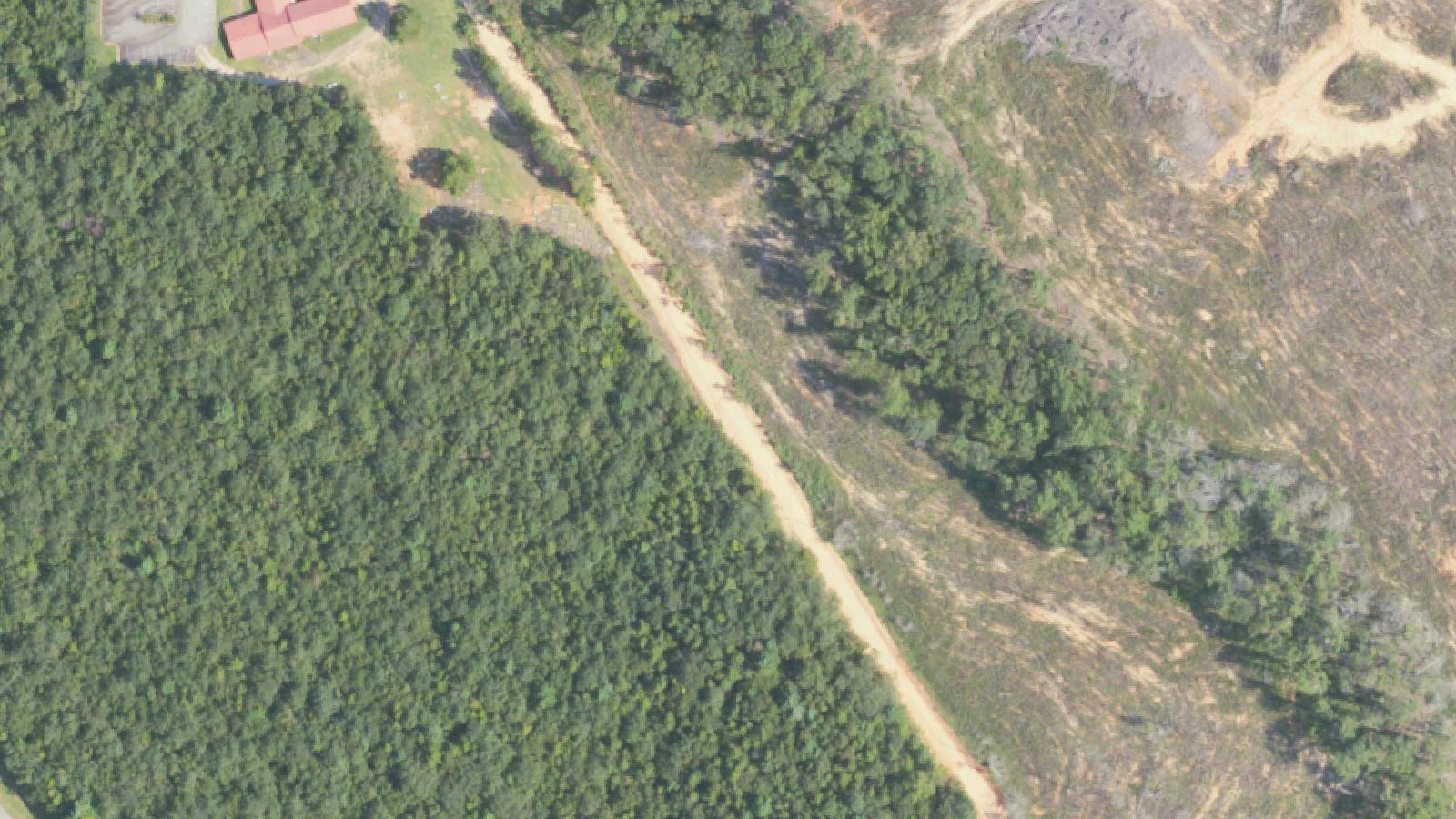
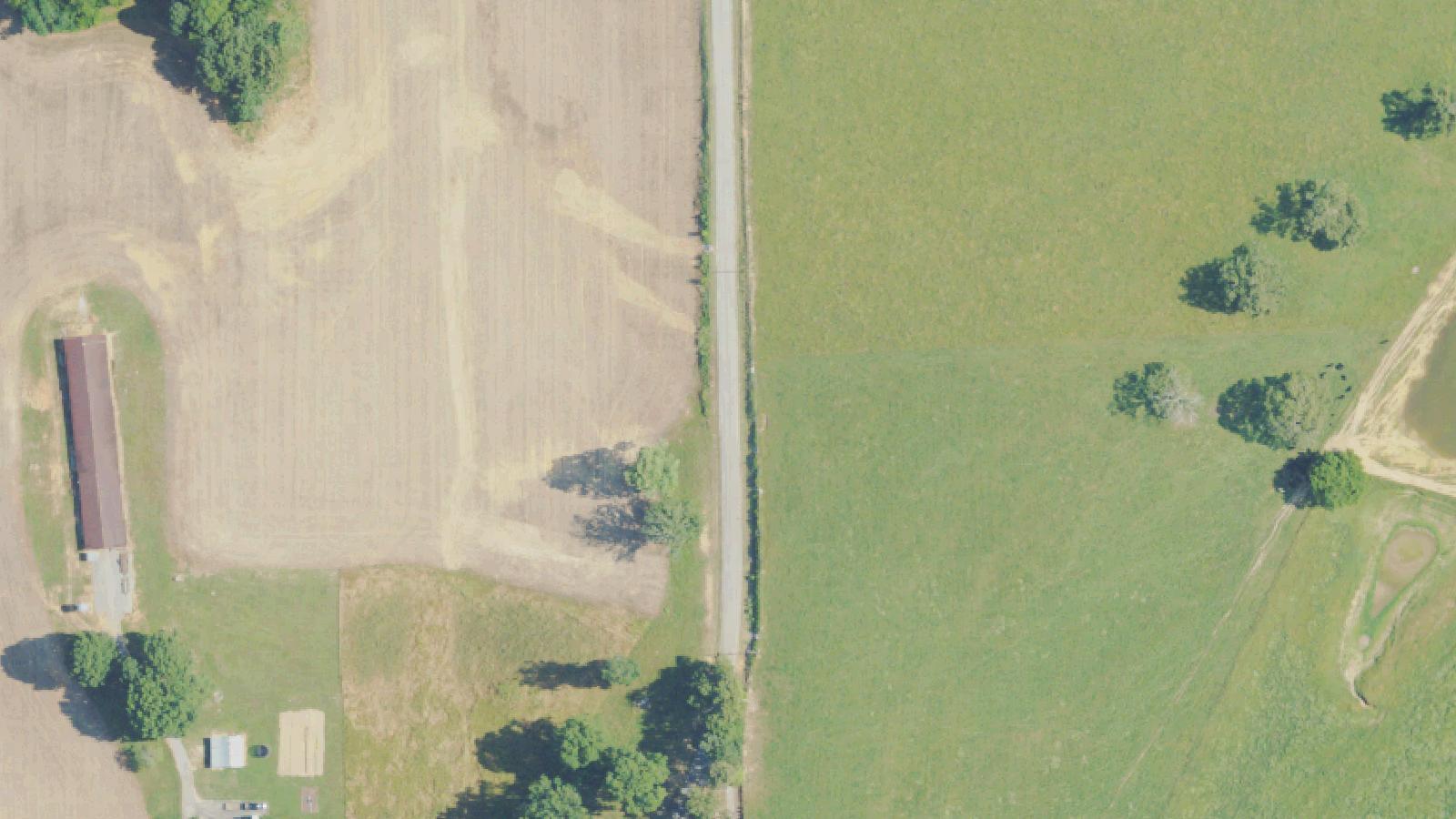
Double Hill Road is one of the older routes in Lee County, Alabama, following a corridor that predates the state itself. The road traces the path of what was originally a native trail and later served as a primary horse-and-wagon route connecting Columbus, Georgia, to the settlements of Auburn and Opelika in the early 19th century. As white settlement expanded in the region after the Creek cession of 1832, the road became an important artery for the emerging cotton economy of east Alabama.
Alongside the road sits a small family cemetery associated with the Daniel family, one of the area's early settler households. Among the graves documented within the cemetery is that of Mary Melissa Daniel, born 1846, whose stone has survived to the present day. The cemetery is surrounded by wooded land and is not operated as a public burial ground.
The road has changed considerably over the decades — widened and paved in sections — and the surrounding landscape has been altered by development. However, the Daniel cemetery and several stretches of the original route retain their 19th-century character and have become the focus of local paranormal tradition documented by regional investigators.
Sources
- https://www.amazon.com/Haunted-Auburn-Opelika-America/dp/1609492307
- https://www.southernspiritguide.org/road-revenants-haunted-alabama-roads-bridges/
- https://www.hauntedplaces.org/opelika-al/
Charging horseman apparitionPhantom horse-drawn carriageSense of being watched near cemeteryAtmospheric cold spots reported near bridge
According to accounts documented in the 2011 book Haunted Auburn and Opelika by Faith Serafin, Michelle Smith, and John Mark Poe, Double Hill Road hosts at least two distinct apparition traditions. The first involves a man on horseback who appears suddenly in the road, charges toward approaching vehicles, and then vanishes. Witnesses have interpreted the horseman as possibly the spirit of a highwayman who operated in this area during the mid-19th century. Sightings of this figure reportedly became less frequent as the road was altered and widened over time.
The second apparition is a ghostly coach drawn by two horses, allegedly observed near the junction where an old cemetery formerly stood, with a documented sighting in 2000. The lore surrounding the carriage apparition connects it to the energy of the Daniel family burial ground adjacent to the road.
Local tradition also attaches a witch legend to the figure of Mary Daniel, who is said to have lived along the road in the latter 19th century. According to the folk account, following the death of a child at the bridge, Mary Daniel summoned spiritual 'watchers' to guard the family cemetery. A historical Mary Melissa Daniel (born 1846) does appear in the roadside cemetery, though the supernatural attributes are folkloric elaboration without documentary support. The Southern Spirit Guide includes Double Hill Road in its directory of haunted Alabama roads, corroborating the persistence of these traditions in local memory.
Notable Entities
Unidentified horseman (possibly 19th-century highwayman)Phantom carriage and horses
Media Appearances
- Haunted Auburn and Opelika (History Press, 2011) by Faith Serafin, Michelle Smith, and John Mark Poe