French and Indian War Era · Frontier Settlement History · West Virginia State Forest
The mountain overlooking White Sulphur Springs in Greenbrier County carries the name of a woman who survived something most people around her did not. In September 1756, Nicholas Carpenter was killed near Fort Dinwiddie — one of the chain of frontier forts built in Virginia's western reaches as protection against raids during the French and Indian War. Catherine Carpenter, known as Kate, fled to the mountain's peak with her child and waited.
The details of what happened next depend on which account you follow. Multiple versions of the story exist, and the West Virginia Encyclopedia notes the uncertainty explicitly: the historical record is thin enough that what is documented and what is legend have become difficult to separate.
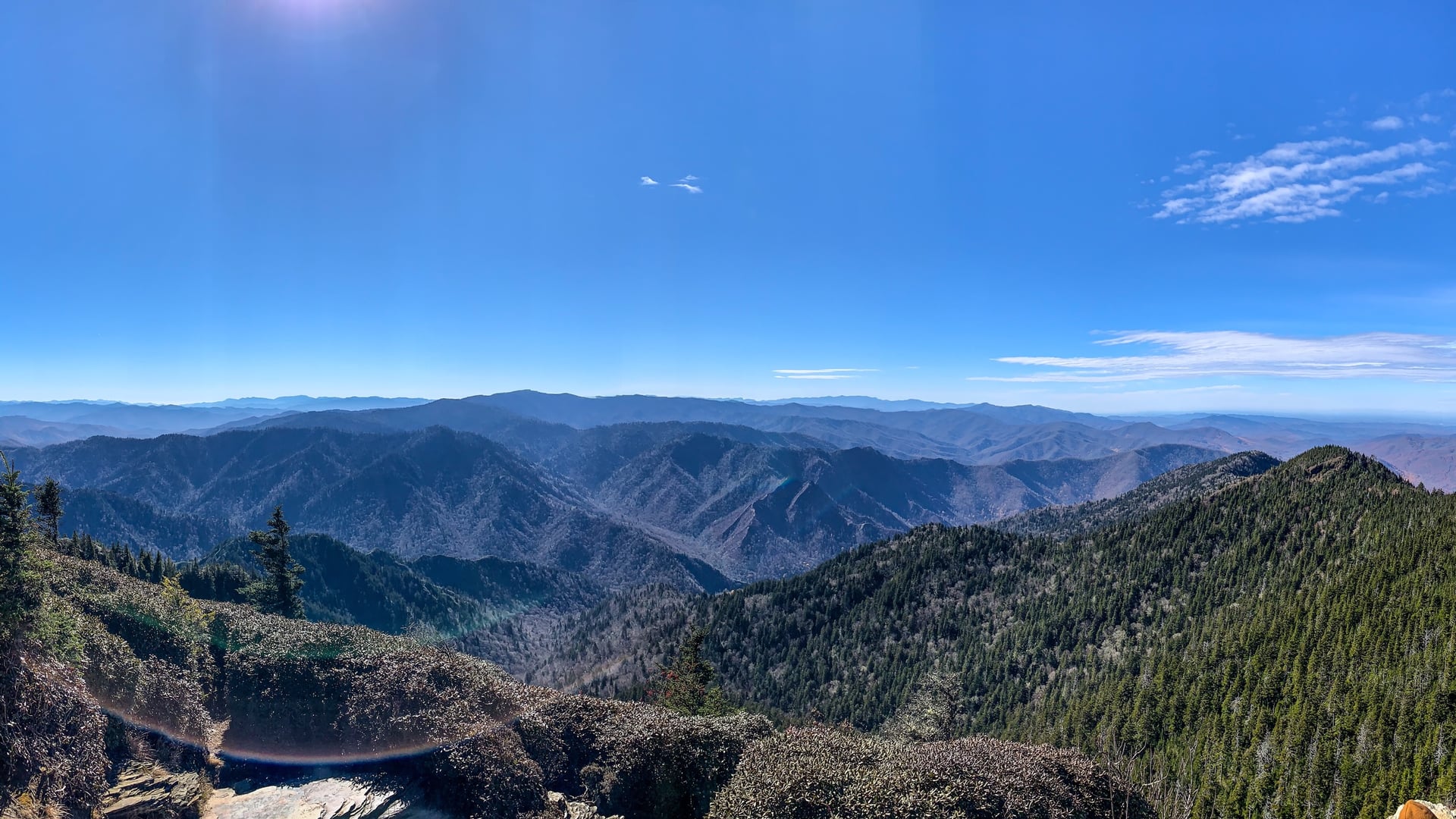
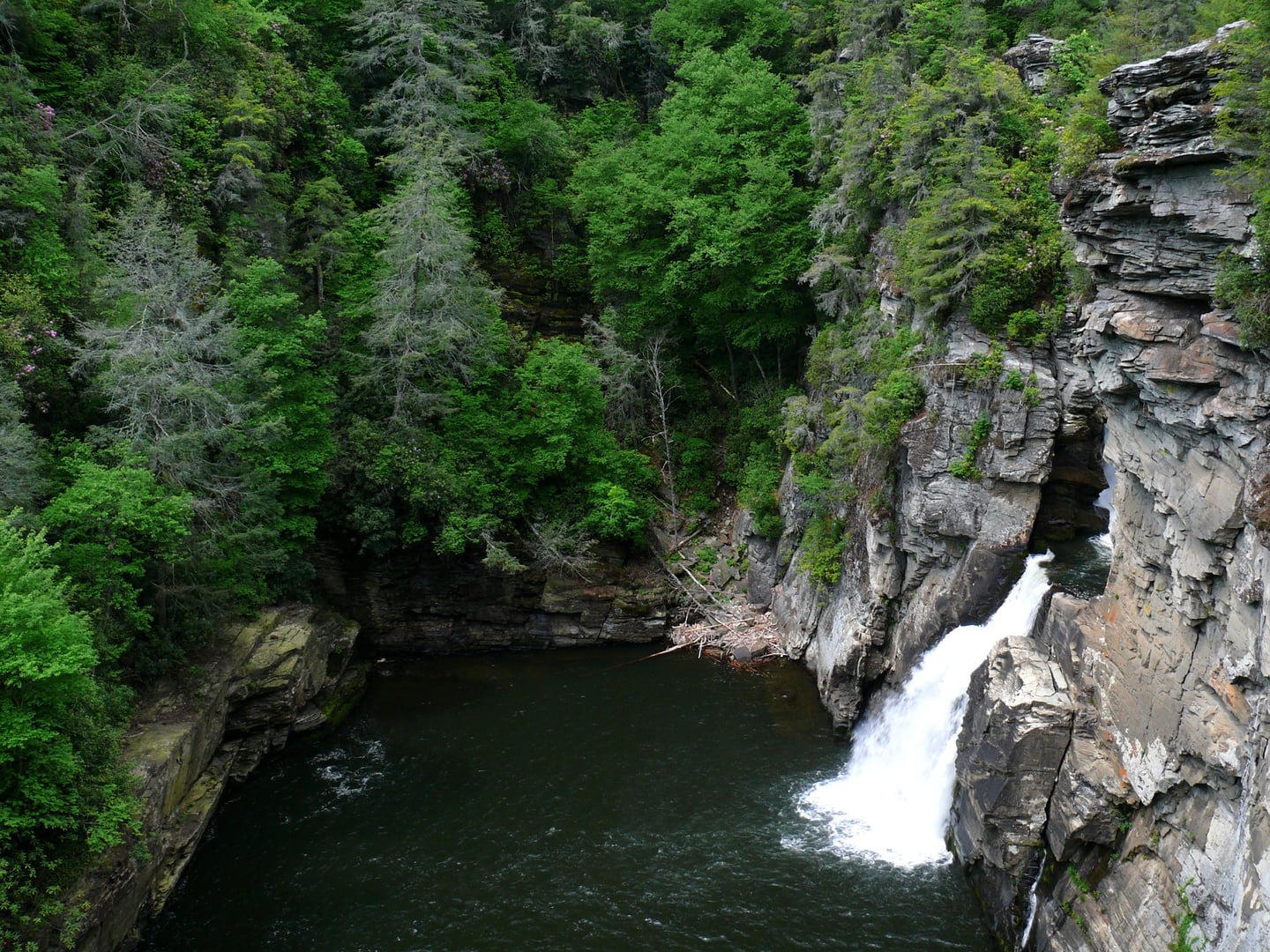
The mountain is the highest point in Greenbrier State Forest, reaching 3,280 feet. The state forest itself covers 5,133 acres between Lewisburg and White Sulphur Springs, and the Kate's Mountain Loop trail — 8.7 miles, rated challenging — is the primary hiking access to the summit. Thirteen miles of total trail connect the forest's various features, including the Rocky Ridge Trail and shorter loops suitable for less experienced hikers.
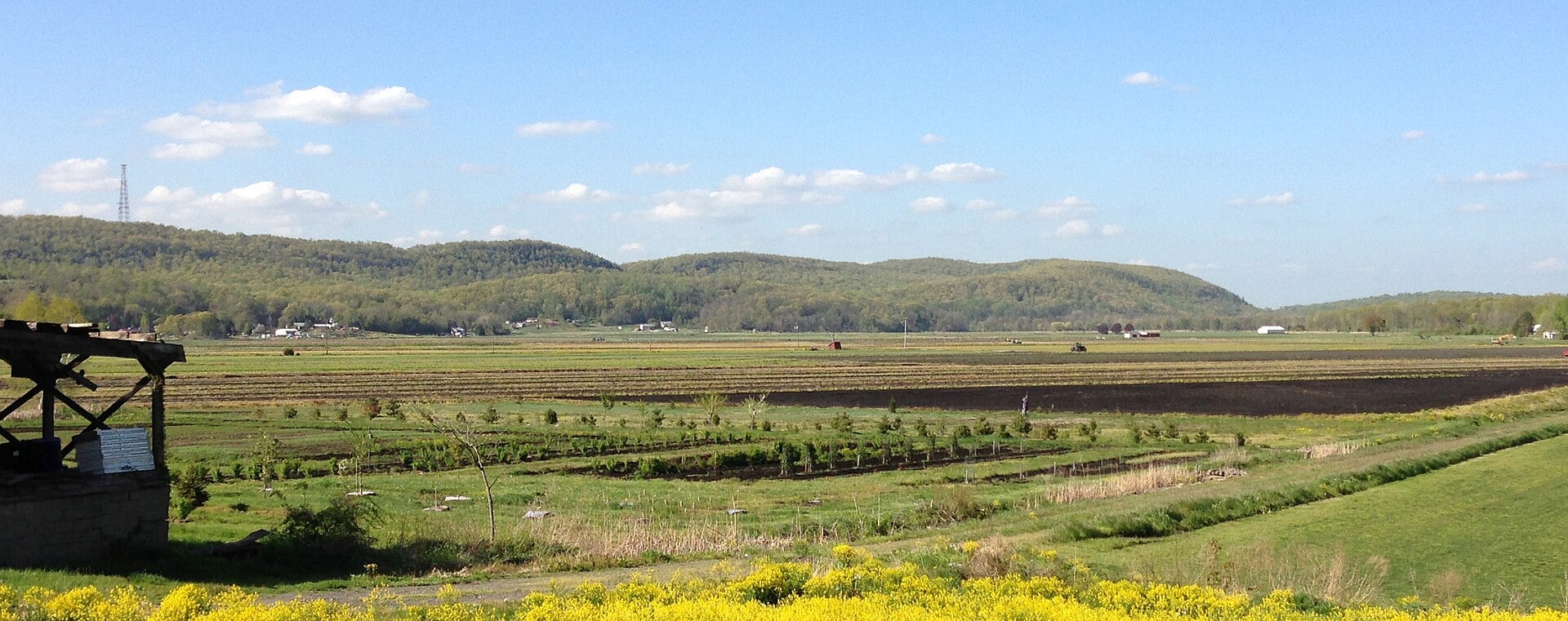
The forest is adjacent to The Greenbrier resort in White Sulphur Springs, which sits below the mountain on the valley floor. The underground government bunker beneath The Greenbrier — built during the Cold War and kept secret for decades — extends into the mountain's base, a fact that has added a modern layer to the area's already complicated relationship with secrecy and the unknown.
Sources
- https://theresashauntedhistoryofthetri-state.blogspot.com/2011/03/kates-mountain.html
- https://en.wikipedia.org/wiki/Kate%27s_Mountain
- https://www.wvencyclopedia.org/entries/1102
- https://wvstateparks.com/parks/greenbrier-state-forest/trails/
ApparitionsPhantom soundsShadow figuresResidual haunting
The paranormal reports from Kate's Mountain are grouped into three distinct categories that have remained consistent across decades of accounts.
The most commonly reported phenomenon is lights. Witnesses describe them as hovering, moving, and then accelerating out of the visible range — behavior distinct from aircraft or distant traffic. The mountain's elevation and isolation make conventional explanations harder to apply than they might be in lower-lying terrain.
The marching sound stands apart for its duration and specificity. The original account describes a sustained noise described as an army marching — rhythmic, directional, consistent — lasting approximately ten minutes before fading. The sound was not attributed to a visible source. Whether this represents acoustic phenomena associated with the mountain's ridge geometry or something else is not resolved in available sources.
The third category is a form described as fog-shaped but moving with intentionality — sometimes described as a large animal like a panther, sometimes as an upright humanoid shape at the edge of the treeline. These sightings are brief and occur at dusk or in low-light conditions.
Teresa's Haunted History of the Tri-State, a regional paranormal research blog, documents the Kate Carpenter legend and connects it to the mountain's atmosphere: the idea that her death — or her survival, depending on the version of the story — left something on the ridgeline. Some accounts describe hearing a shortened child's scream. Others report a headless woman seen moving through the forest at night.
The nearby Greenbrier bunker has generated its own theories: that the hum sometimes heard on the mountain is connected to infrastructure that extends beneath it. This explanation, while satisfying in its specificity, does not account for the pre-bunker history of the mountain's paranormal reputation.
Notable Entities
Kate Carpenter