Est. 1875 · Oldest home in Hinton historic district · C&O Railroad heritage · Summers County house museum
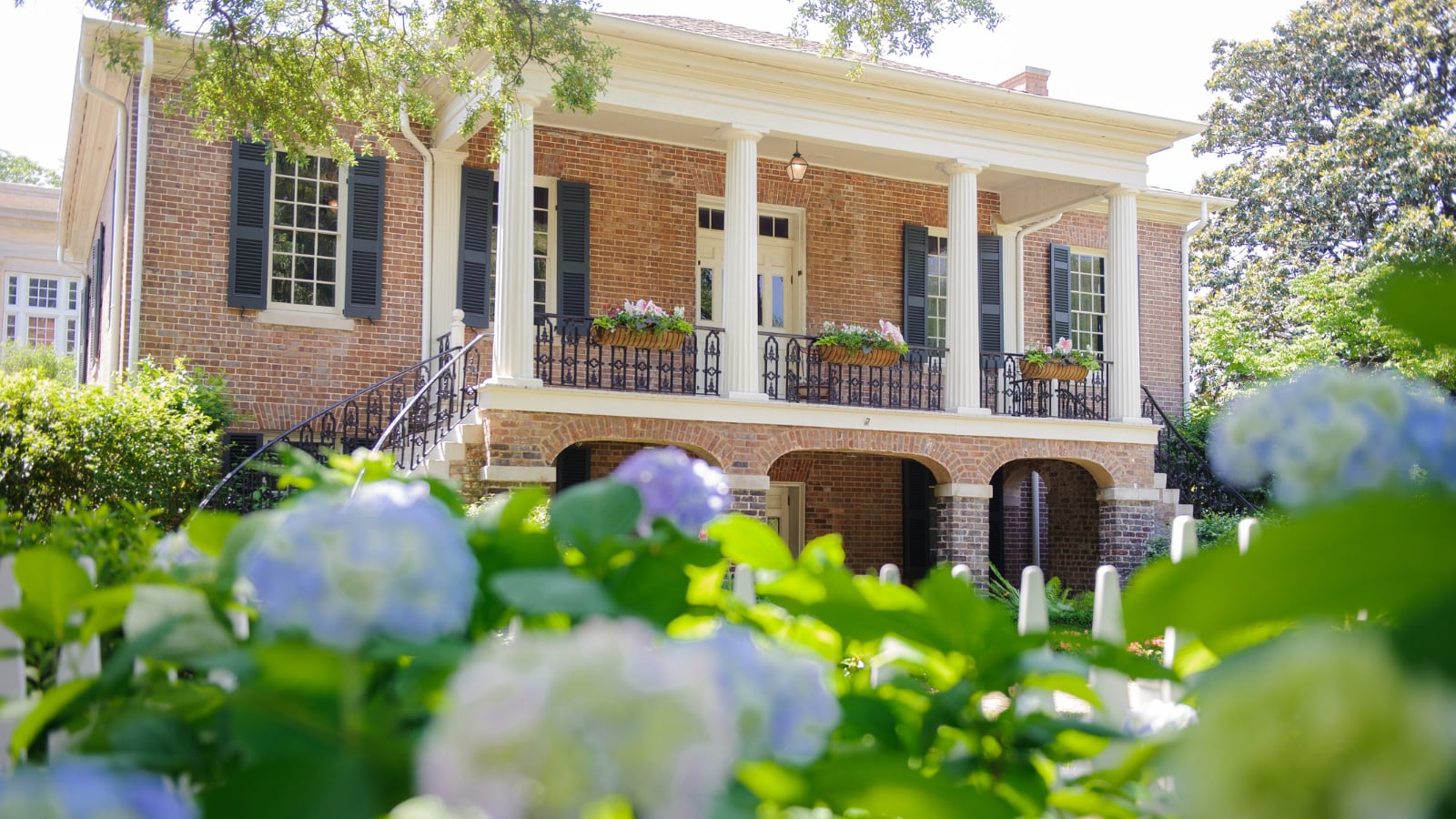
Hinton grew up around the Chesapeake & Ohio Railroad, which reached the Summers County site in the early 1870s. Edgar and Elizabeth Campbell built their home on Summers Street around 1875, at the start of that boom, and operated one of the town's first general stores out of the basement level.
In 1876 the Campbells deeded the house to their daughter Alice and her husband, John W. Flannagan, who had married in December 1875. Flannagan became a C&O Railroad engineer and was one of the line's senior men. On March 12, 1907, he was at the throttle of the westbound 'Fast Flying Virginian' when it wrecked a few miles east of Hinton; Flannagan was killed in the accident, along with others aboard. The house later passed to the Murrell family when the Flannagans' daughter Mary married Robert O. Murrell in 1902, and a family member occupied it until the 1980s.
The property is now operated as the Campbell-Flannagan-Murrell House Museum, interpreting the families' lives and the history of Hinton, and serving as a center for local heritage events. Its history is documented by the museum, the Clio public-history project, and Visit Southern West Virginia.
Sources
- https://www.cfm-fmh.org/
- https://theclio.com/entry/42615
- https://visitwv.com/partners/campbell-flannagan-murrell-house-musuem/
- https://www.wvva.com/2025/01/19/appalachian-ghost-tours-investigate-hinton-museum/
- http://theresashauntedhistoryofthetri-state.blogspot.com/2025/08/haunted-hinton-campbell-flanagan.html
The museum's haunted reputation is recent and low-key. In January 2025, WVVA-TV reported on a paranormal investigation at the house carried out by Appalachian Ghost Tours. In that coverage, the museum's board president said she had heard unexplained footsteps inside the house when she was there alone, the most specific account attached to the building.
Given the home's long single-family occupancy and its connection to the Flannagan family — including the engineer killed in the 1907 Fast Flying Virginian wreck — local interest in the site's reputed activity has grown. The reports remain limited to footsteps and the impressions of investigators rather than any documented, repeated phenomenon. We present them as an emerging local legend layer on a well-documented house museum, and we keep the family history at the center.