Paranormal Museum and Collection · Adaptive Reuse of a Former School Building · Marshall County Dark Tourism
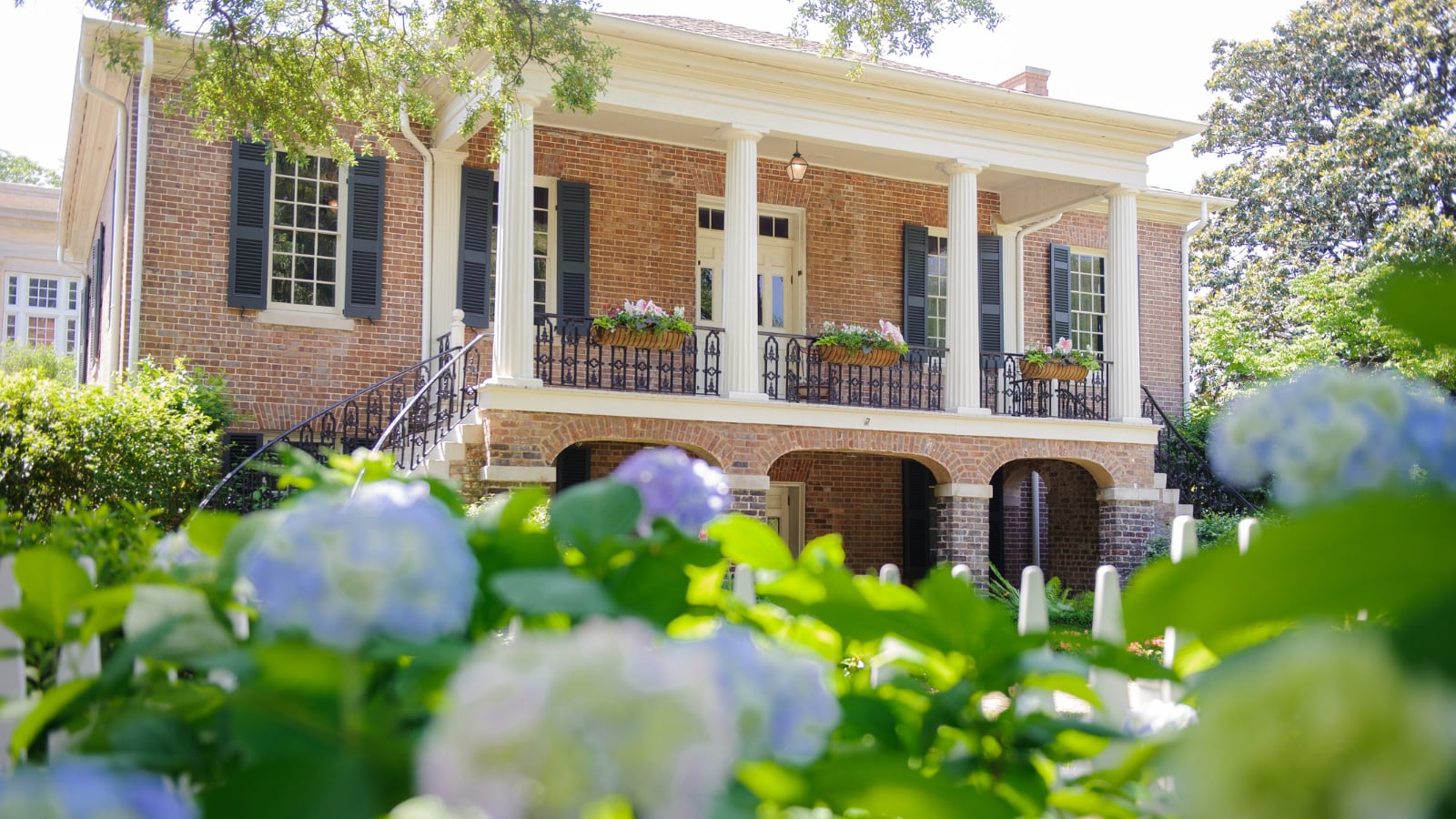
Stephen Hummel opened the Archive of the Afterlife in 2011. The museum later moved to the former Sanford School building at 86 Railroad Street in Cameron, a small town in Marshall County in West Virginia's northern panhandle, not far from Moundsville. It bills itself as the National Museum of the Paranormal.
The collection runs to hundreds of objects, a mix of historical oddities and items the museum describes as haunted or cursed. Among the most often cited are a 1930s porcelain embalming table, an old photograph from Wheeling the museum calls 'Annie,' an antique doll head named 'Lydia,' a haunted children's book, several Ouija boards, and an execution cap said to be associated with the electric chair once used at the West Virginia State Penitentiary in nearby Moundsville. The penitentiary, which closed in 1995, is one of the region's best-known dark-tourism sites, and the cap ties the museum's holdings to that history.
The museum operates on a seasonal schedule, generally open from spring through late fall on Thursday, Friday, and Saturday afternoons, with off-season visits by appointment. Admission is by donation. Hummel and visitors describe the building itself as active, and the museum runs as both a display space and an informal stop for paranormal enthusiasts traveling the Moundsville-Wheeling corridor.
Sources
- https://long-weekends.com/articles/fallwinter-2021/archive-of-the-afterlife-the-national-museum-of-the-paranormal/
- https://www.atlasobscura.com/places/archive-of-the-afterlife
- https://archive-afterlife.weebly.com/
Disembodied voicesShadow figuresObject-attached activity
The Archive of the Afterlife frames itself around the idea that objects can carry activity, and much of its reported phenomena attaches to specific pieces in the collection rather than to the building as a whole. The photograph called 'Annie' and the doll head 'Lydia' are among the items most often singled out in accounts of unexplained activity.
Staff and visitors describe disembodied voices, footsteps, and shadow figures inside the former school. Because the museum doubles as a gathering point for paranormal enthusiasts, much of its lore is generated on-site by guests using recorders and other equipment during visits and after-hours sessions. The execution cap associated with the West Virginia State Penitentiary draws particular attention given the penitentiary's own reputation a short drive away in Moundsville.
The museum's claims are presented as entertainment and personal experience rather than documented investigation, and the objects' provenance and 'haunted' attributions come from the museum itself. What is consistent across coverage is that the collection is real, the building is open to the public on a seasonal schedule, and the site has become a fixture of northern West Virginia's paranormal-tourism circuit.
Notable Entities
Annie (haunted photograph)Lydia (haunted doll head)
Where this legend is told