Guided Tour
House Museum Tour
Docent-led tour of the restored 1880 Kirkman family home, with period rooms, family history, and the stories long attached to the house.
- Duration:
- 1 hr
HauntBound archive · catalog record
Reported phenomena, as catalogued
An 1880 Italianate Victorian in Walla Walla, restored as a house museum, where staff and visitors report figures they connect to the Kirkman family.
214 N Colville St, Walla Walla, WA 99362
Research updated September 2026
Age
All Ages
Cost
$
Admission by donation; seasonal ghost-tour tickets priced separately. Check the museum website for current hours and event dates.
Access
Limited Access
Two-story 1880 brick house with stairs; main floor is most accessible. Period furnishings and narrow passages.
Equipment
Photos OK
Est. 1880 · Built 1880 as the home of stockman and businessman William Kirkman · Example of Italianate Victorian residential architecture in Walla Walla · Occupied by three generations of the Kirkman family · Restored and operated as a house museum interpreting the Victorian era
William Kirkman, an English-born stockman and businessman, and his wife Isabella built their two-story brick home at 214 N Colville Street in Walla Walla in 1880, in the Italianate style then fashionable for prosperous Victorian families. The Kirkmans had already lost several children before moving into the house, and the home became the center of family life for the surviving children, including William Jr., Fanny Ann, Myrtle Belle, and Leslie Gilmore.
The house witnessed the ordinary milestones of a 19th-century family of means, including births, illnesses, and William Kirkman's own funeral. Two further generations of Kirkmans occupied the property before it passed out of family hands. By the late 20th century the building had been converted to other uses and faced demolition before preservationists intervened.
The Kirkman House Museum board acquired and restored the home, reopening it as a house museum that interprets Walla Walla's Victorian era through the Kirkman family's furnishings and records. The museum operates on a seasonal schedule and supplements its history programming with guided ghost-themed tours during October, drawing on accounts collected from staff and visitors. Local newspaper coverage in the Walla Walla Union-Bulletin and regional travel features have documented both the museum's restoration history and its reputation among visitors.
Sources
The Kirkman House has carried a reputation for unusual activity for years, and the museum has folded those accounts into its seasonal programming rather than shying away from them. Board member and tour guide Rick Tuttle, quoted in the Walla Walla Union-Bulletin, has described stories collected from staff and visitors who say they have seen members of the Kirkman family moving through the house or looking out from behind the curtained windows.
The figures most often named in these accounts are William, Isabella, and Fanny Ann Kirkman, the family members most closely tied to the home's history. Visitors describe a sense of being watched, footsteps, and the impression of someone present in an empty room. One frequently repeated anecdote holds that a volunteer once gave a tour to a guest later understood to have been one of these figures.
The museum presents this material as collected local lore rather than verified phenomenon, and its October ghost tours pair the stories with the documented family history. The Union-Bulletin's coverage of Walla Walla ghost tours places the Kirkman House among the recurring stops on the city's seasonal haunted walks.
Notable Entities
Docent-led tour of the restored 1880 Kirkman family home, with period rooms, family history, and the stories long attached to the house.
The museum runs guided ghost-themed tours on Saturdays in October, recounting the family history and the figures volunteers and visitors say they have seen in the house.
Some links on this page may earn HauntBound a small commission when you book, at no extra cost to you. Our editorial picks are independent. Full disclosure
Every HauntBound history is researched from documented sources. We clearly separate verified historical fact from paranormal folklore.
Free Guide
10 verified stops, rated for families, mapped in order. Free.
One email to confirm, then the guide link. Unsubscribe anytime.
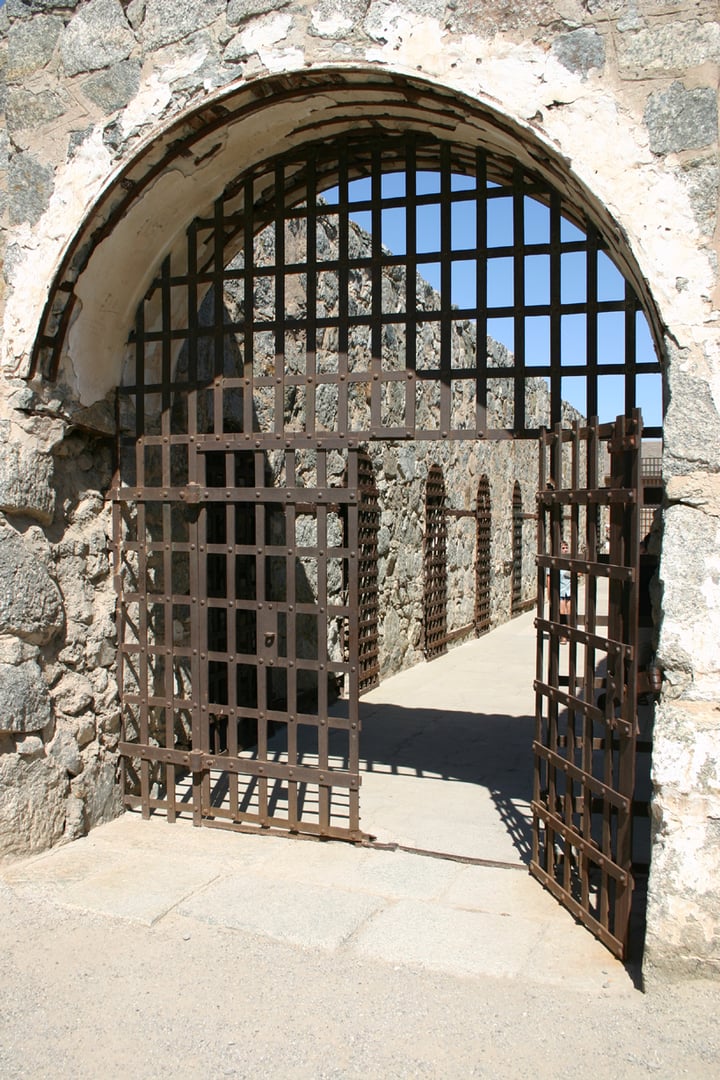
Yuma, AZ
Yuma Territorial Prison operated from 1876 to 1909 on a bluff overlooking the Colorado River in Yuma, Arizona. It held 3,069 prisoners during its 33-year operation, including 29 women. The facility became a state historic park and has been voted by USA Today readers as the Best Haunted Destination in the nation.
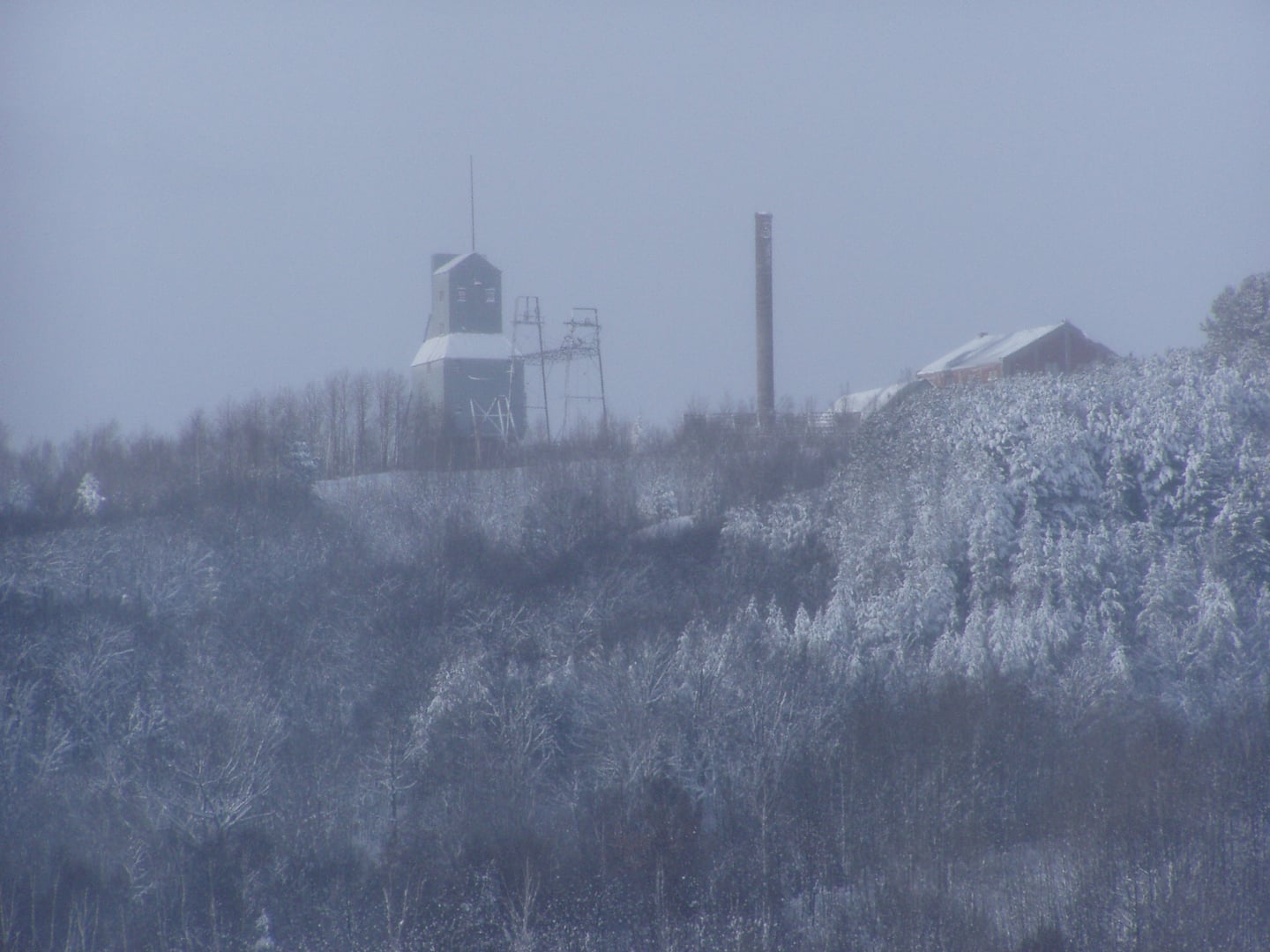
Hancock, MI
The Quincy Mining Company began extracting copper from the Keweenaw Peninsula in 1846 and operated continuously until 1945, producing nearly a billion pounds of copper. During that period, 253 workers died in documented underground accidents. At its deepest, the mine reached 9,000 feet — the deepest copper mine in the world at the time — and its No. 2 shaft hoist house is a National Historic Landmark.
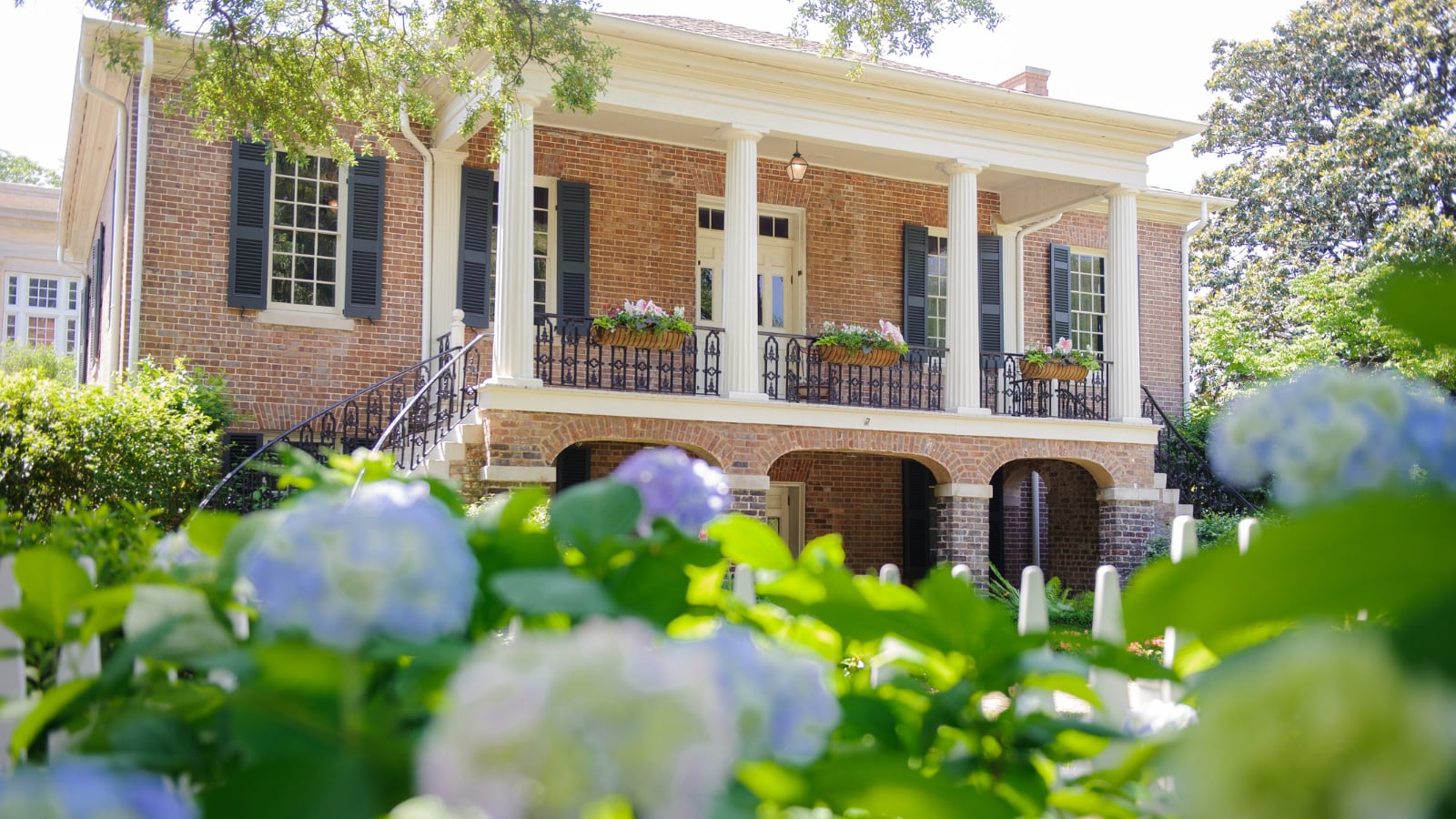
Tuscaloosa, AL
Gorgas House was built in 1829 as a dining hall for the newly founded University of Alabama. It is the oldest surviving building on the campus. Confederate Brigadier General Josiah Gorgas, who served as the Confederate Army's chief of ordnance during the Civil War, became president of the University of Alabama and lived in the house from 1878 until his death there in 1883.