Drive-By
Exterior Viewing on S Cedar Street
View the 1905 Neo-Classical Carnegie Library building from S Cedar Street; the columned facade and inscription stones are visible from the public sidewalk.
- Duration:
- 15 min
HauntBound archive · catalog record
Reported phenomena, as catalogued
Spokane's first dedicated library building, designed by Preusse & Zittel and opened in 1905 with $85,000 in Andrew Carnegie funding; now an architecture office, with library walking-tour lore of a bespectacled first-head-librarian ghost.
10 S Cedar St, Spokane, WA 99201
Research updated September 2026
Age
All Ages
Cost
Free
Free exterior viewing from S Cedar Street; interior is a private architecture office.
Access
Accessibility not stated
Historic Neo-Classical building; interior access restricted to Integrus Architecture staff and clients.
Equipment
Photos OK
Est. 1904 · Spokane's first dedicated library building · Designed by Preusse & Zittel, one of Spokane's most prolific architectural firms · Funded primarily by Andrew Carnegie ($85,000 of $100,000 construction cost) · Listed on the National Register of Historic Places, 1982 · Adaptive-reuse renovation in the 1990s as the Integrus Architecture office
Following Spokane's rapid growth after the arrival of the Northern Pacific Railroad in 1881, the city's library services had operated for two decades from rented and borrowed spaces. Concerned about women and children having to walk past saloons and gambling halls to reach the library, civic leaders organized a campaign for a dedicated library building. Local mining and timber magnate Amasa B. Campbell donated the land at the corner of Cedar and Riverside.
The Spokane architecture firm of Preusse & Zittel — which also designed Our Lady of Lourdes Cathedral, the Fernwell Building, and Holy Names Academy — was selected to design the building in the Neo-Classical style favored for Carnegie libraries. The cornerstone was placed in September 1904; reports note that Campbell was annoyed his name appeared above Carnegie's on the cornerstone. The building was completed and opened in 1905, with $85,000 of the $100,000 construction cost coming from Andrew Carnegie's library-philanthropy program.
The Carnegie building served as Spokane's main library until a new central library was built decades later. After the main library moved, the building stood vacant for over a decade before architecture firm Integrus Architecture undertook a 1990s adaptive-reuse renovation, converting it to their primary office. The building was added to the National Register of Historic Places on August 3, 1982.
Sources
The Carnegie Library is included on the Spokane Public Library's official haunted walking-tour PDF, which is unusual in itself — the public-library system curates the tour, and the inclusion of its predecessor branch adds an institutional-curatorial weight to the lore. Per the walking-tour document, KXLY's coverage of the related 'Spooky Walking Tour' community event, and the Cinder Smoke downtown-Spokane ghost-tour writeup, the ghost is identified as the building's first head librarian.
Reports describe a bespectacled face appearing in the windows after dark; the walking-tour PDF characterizes the librarian as 'a real piece of work' in life and notes that he is now said to haunt the architects who occupy the building. The Cinder Smoke writeup adds that 'the first head librarian's ghost still roams the building to this day.' The named identity of the first head librarian is not surfaced in published paranormal coverage, but multiple independent Spokane-area outlets repeat the same core attribution.
Notable Entities
View the 1905 Neo-Classical Carnegie Library building from S Cedar Street; the columned facade and inscription stones are visible from the public sidewalk.
Some links on this page may earn HauntBound a small commission when you book, at no extra cost to you. Our editorial picks are independent. Full disclosure
Every HauntBound history is researched from documented sources. We clearly separate verified historical fact from paranormal folklore.
Free Guide
10 verified stops, rated for families, mapped in order. Free.
One email to confirm, then the guide link. Unsubscribe anytime.
Spokane, WA
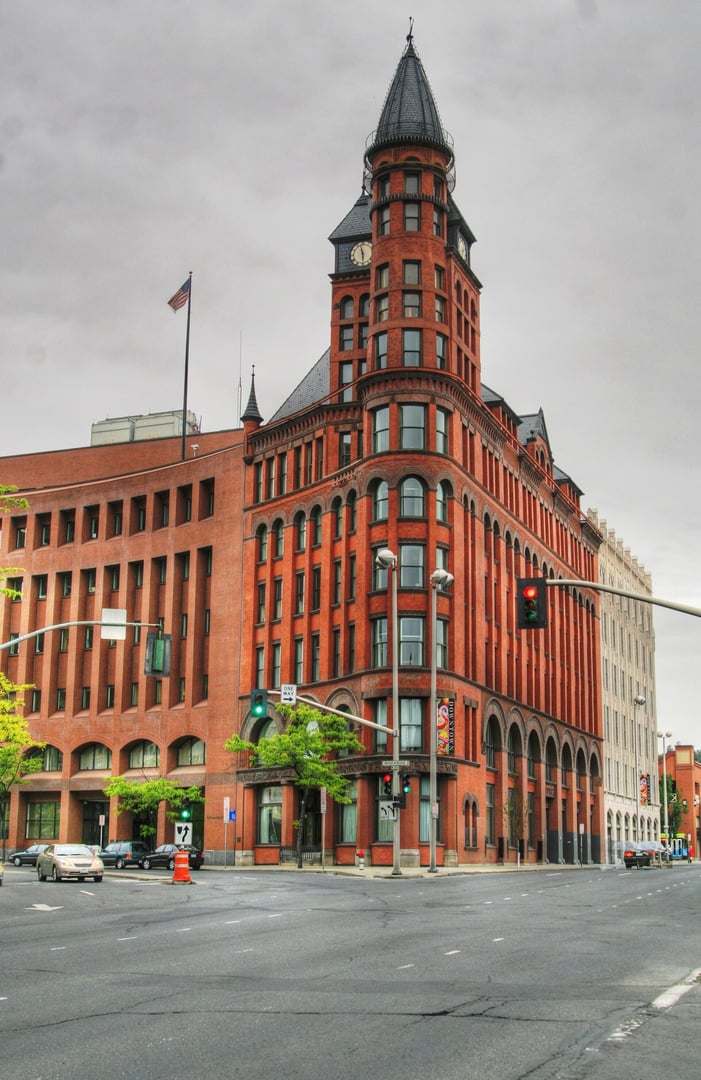
Begun March 1890 and completed October 1891 for the Spokane Falls Review newspaper. Designed by Alabama-born architect Chauncey B. Seaton in Romanesque-eclectic style with red pressed brick, Montana granite, and a 146-foot candle-snuffer tower. W.H. Cowles acquired the paper in 1893; the Cowles family has continuously published The Spokesman-Review from the building since.
Spokane, WA
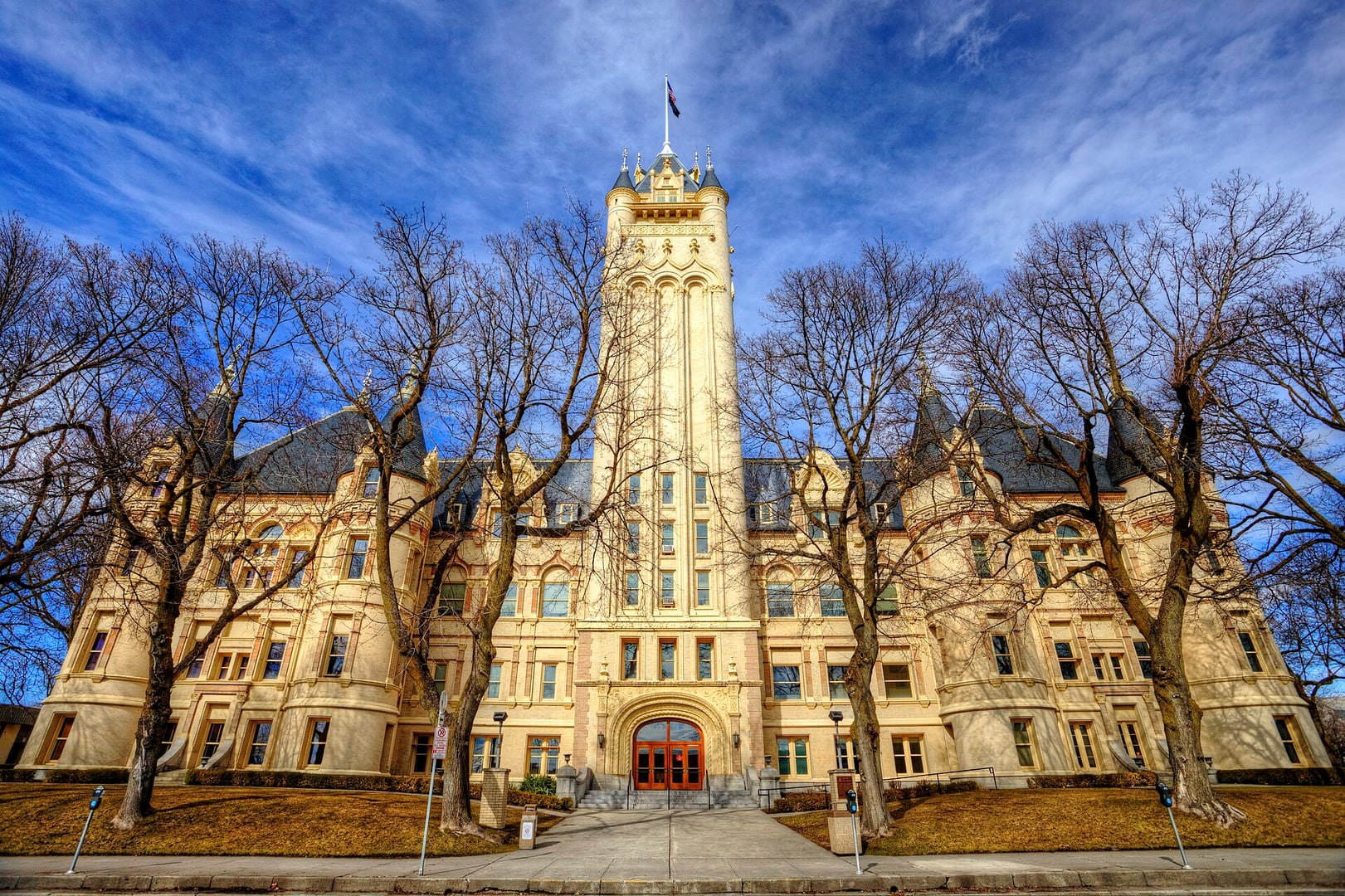
Designed by 29-year-old Willis A. Ritchie following an 1893 design competition; constructed 1894-95 by contractor David B. Fotheringham. Built in French Renaissance Châteauesque style, the building has been compared to the Château d'Azay-le-Rideau. Opened November 20, 1895; added to the National Register of Historic Places in 1974.
Port Townsend, WA
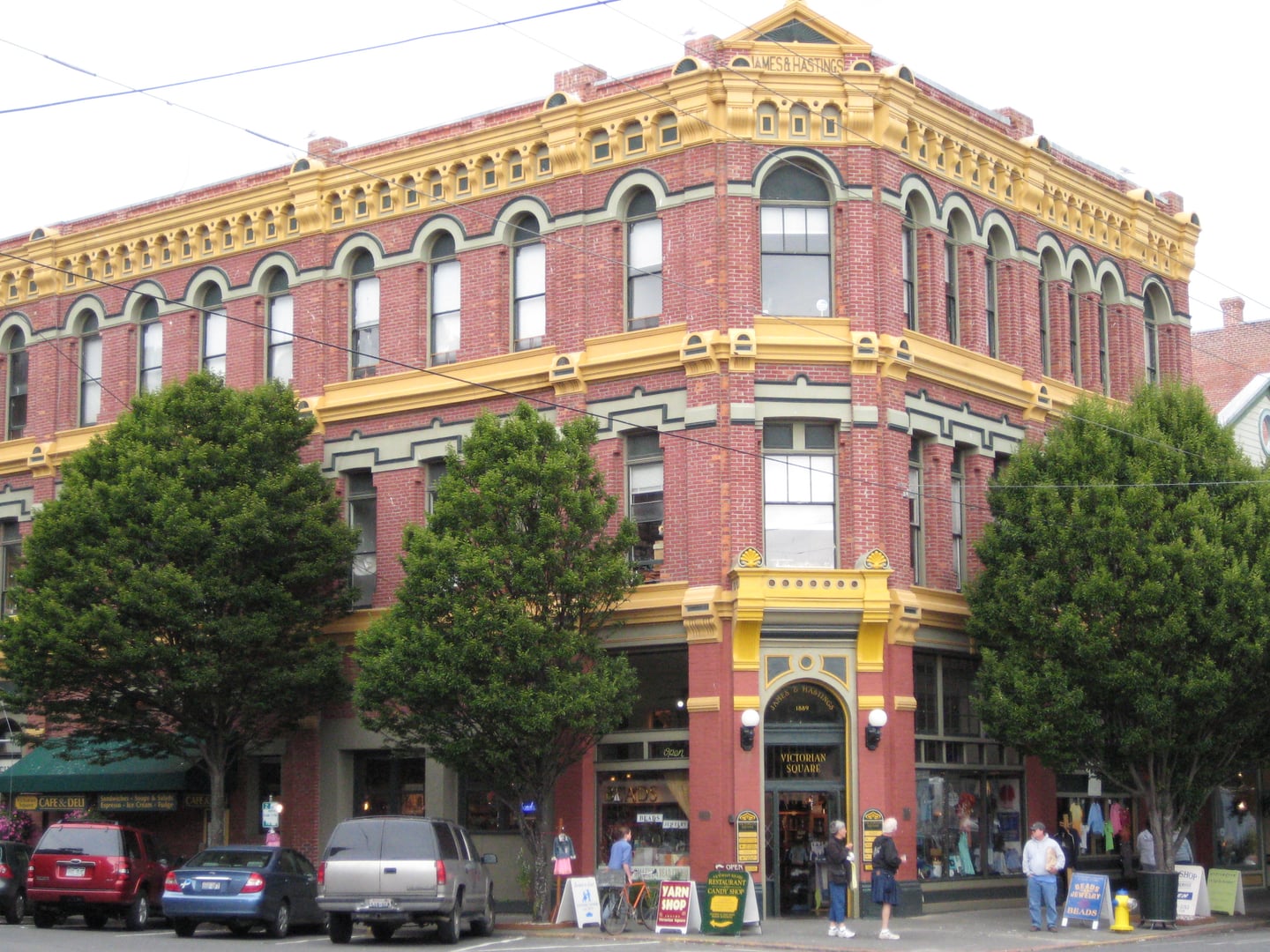
The James and Hastings Building was built in 1889 at the northeast corner of Water and Tyler Streets by Francis W. James and Lucinda Hastings. The four-story brick-and-stone commercial block is a contributing property to the Port Townsend Historic District and today houses retail tenants including Wynwoods Gallery and Bead Studio.