Drive-By
Exterior Viewing & Retail Visit
View the 1889 four-story brick block at the corner of Water and Tyler and visit ground-floor retail tenants including Wynwoods Gallery and Bead Studio.
- Duration:
- 30 min
HauntBound archive · catalog record
Reported phenomena, as catalogued
An 1889 four-story brick commercial block at the corner of Water and Tyler in downtown Port Townsend, home to Wynwoods Gallery and a documented account of phantom chain sounds.
940 Water St, Port Townsend, WA 98368
Research updated May 2026
Age
All Ages
Cost
Free
Retail tenant access during business hours; building exterior publicly viewable.
Access
Wheelchair OK
Street-level retail entries accessible; upper floors via stairs.
Equipment
Photos OK
Est. 1889 · Contributing property to the Port Townsend Historic District (NHL 1977) · Built by Francis W. James and Lucinda Hastings, widow of co-founder Loren B. Hastings · Four-story brick-and-stone commercial block representing the high end of 1889 Port Townsend construction
The James and Hastings Building occupies the northeast corner of Water and Tyler Streets at 940 Water Street. It was completed in 1889 as a partnership between Francis W. James and Lucinda Hastings (widow of Loren B. Hastings, a Port Townsend founder). The four-story brick and stone commercial block represents the upper end of the city's Victorian-boom commercial construction.
As with most Port Townsend boom-era buildings, the planned transcontinental railroad terminus that drove speculative construction never arrived, and after 1893 the building shifted through a series of commercial tenants. In the modern era the ground floor has hosted retail businesses, with Wynwoods Gallery and Bead Studio among long-tenured tenants on Water Street.
The building is a contributing property to the Port Townsend Historic District, listed on the National Register of Historic Places in 1976 and designated a National Historic Landmark in 1977. It is referenced in the city's catalog of historic commercial architecture and remains in continuous mixed retail and upper-floor use.
Sources
Paranormal lore at the James and Hastings Building is concentrated at Wynwoods Gallery and Bead Studio, one of the building's longer-running retail tenants. Per the Port Townsend Leader and a 2004 correspondence with Laura Reutter of Ravenstone Tiles, Wynwoods proprietor Lois Venarchick reported hearing what sounded like loud, dropped metal chains while staying late at her gallery — with no visible or identifiable source.
The Peninsula Daily News' 'Spirits call Port Townsend home all year round' feature and the Gig Harbor Now 'Day Tripper' Puget Sound Loop article both include the building in their downtown Port Townsend haunted-stop catalogs. GhostQuest and HauntedHouses.com aggregate additional anecdotal lore characterizing the gallery's resident spirit as mischievous, said to move merchandise and unroll yarn or bead strands, with a particular interest in red items. Other lore in the same sources describes a male apparition in old-fashioned clothing seen in the building. The building is included as a stop on Let's Roam's 'Phantoms of Port Townsend' self-guided ghost tour.
With at least four independent outlets carrying the chain-sound account (PT Leader, Peninsula Daily News, Gig Harbor Now, and the Let's Roam tour), the lore exceeds single-source status while still being concentrated at the gallery and best understood as cultural memory rather than independently verified paranormal evidence.
Notable Entities
View the 1889 four-story brick block at the corner of Water and Tyler and visit ground-floor retail tenants including Wynwoods Gallery and Bead Studio.
Some links on this page may earn HauntBound a small commission when you book, at no extra cost to you. Our editorial picks are independent. Full disclosure
Every HauntBound history is researched from documented sources. We clearly separate verified historical fact from paranormal folklore.
Free Guide
10 verified stops, rated for families, mapped in order. Free.
One email to confirm, then the guide link. Unsubscribe anytime.
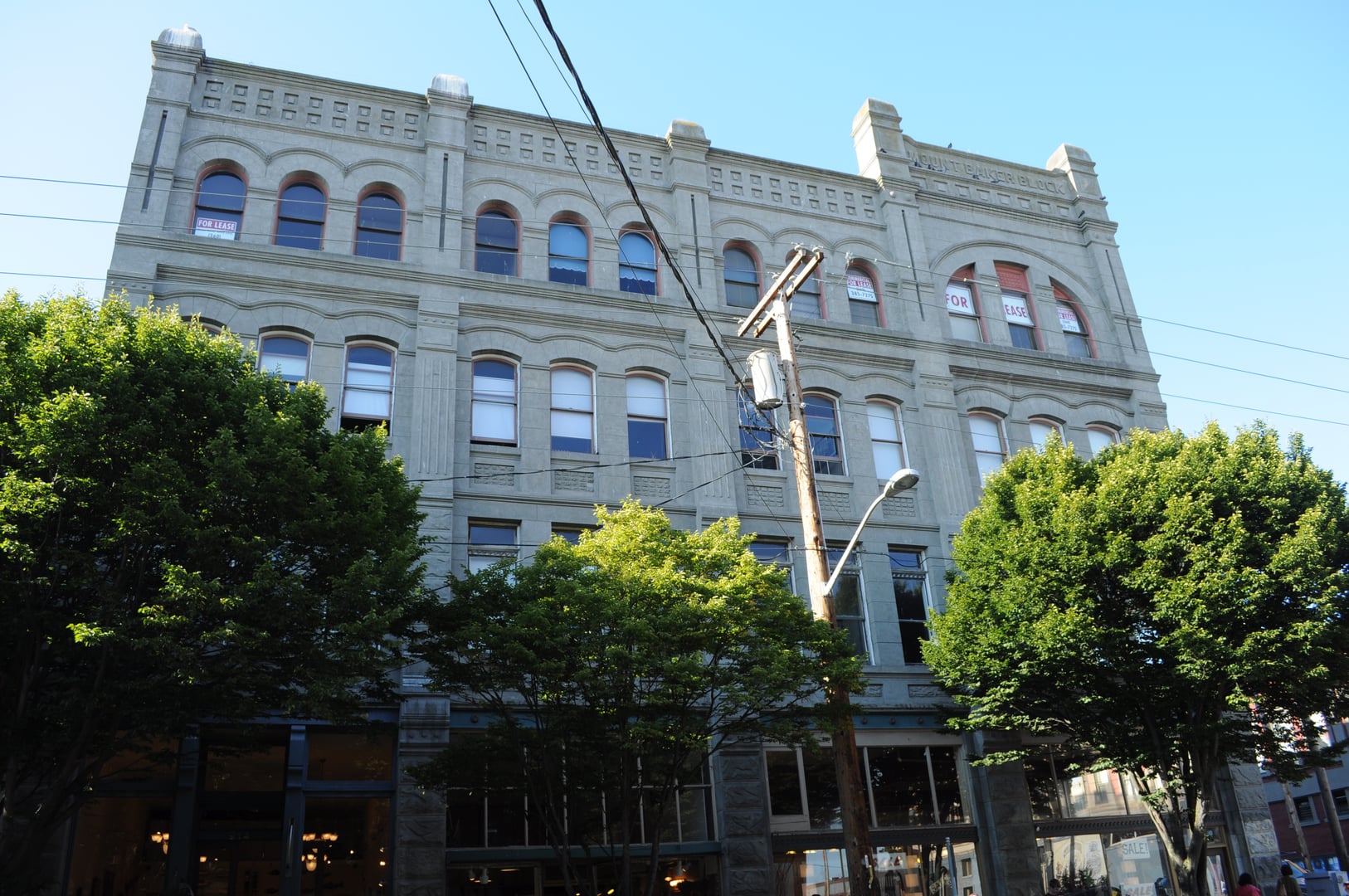
Port Townsend, WA
The Mount Baker Block was built in 1890 by Charles Eisenbeis Sr., a German emigrant baker who became Port Townsend's first mayor and one of its most powerful merchants. It is one of several Eisenbeis-commissioned buildings constructed during the 1889 boom; today it houses commercial offices and studios.
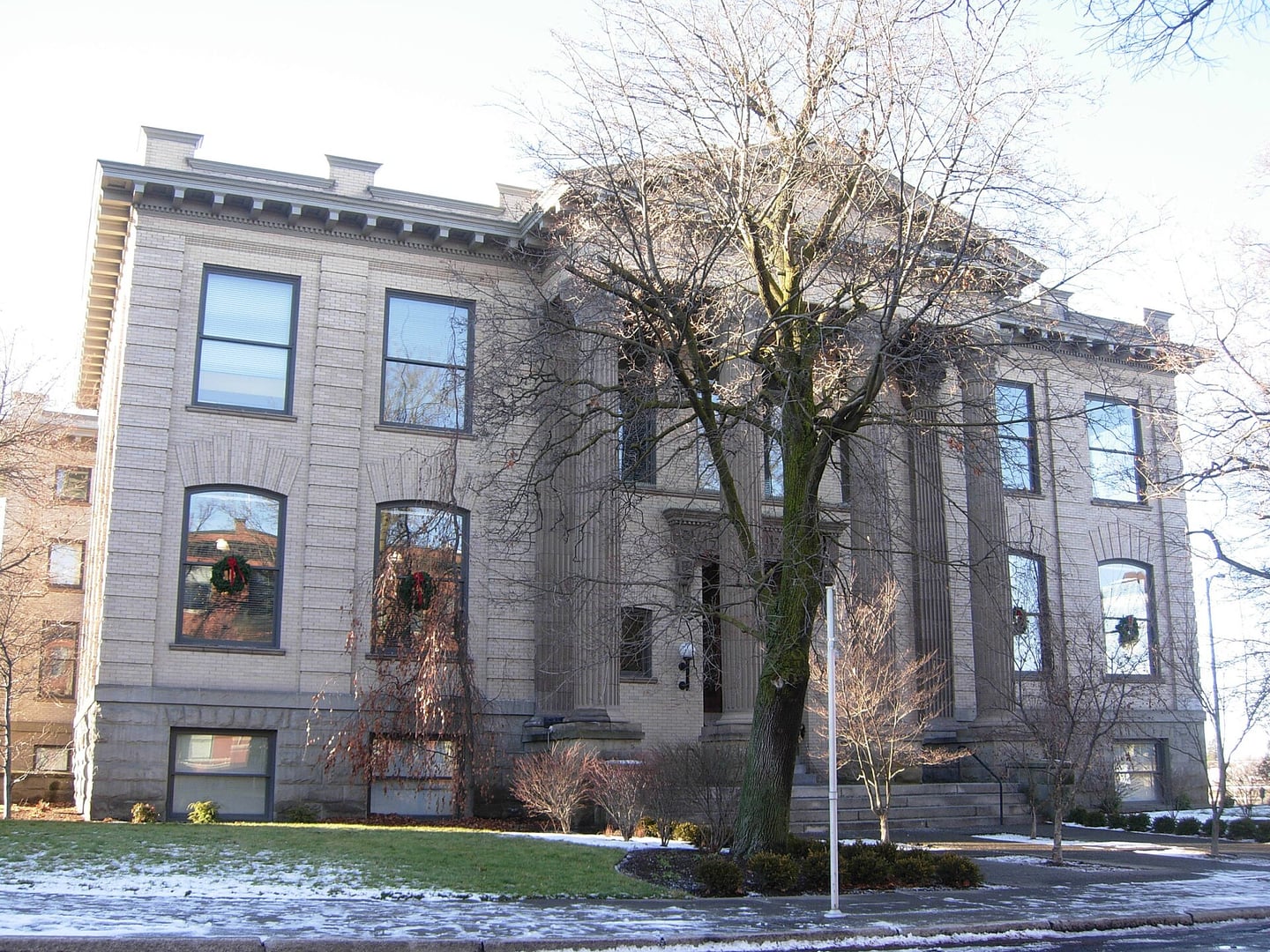
Spokane, WA
Spokane's first dedicated library building, designed by architects Herman Preusse and Julius Zittel; cornerstone placed September 1904 and the building opened in 1905. Construction cost $100,000, with $85,000 from Andrew Carnegie's library philanthropy. Listed on the National Register of Historic Places in 1982; renovated in the 1990s for Integrus Architecture's primary office.
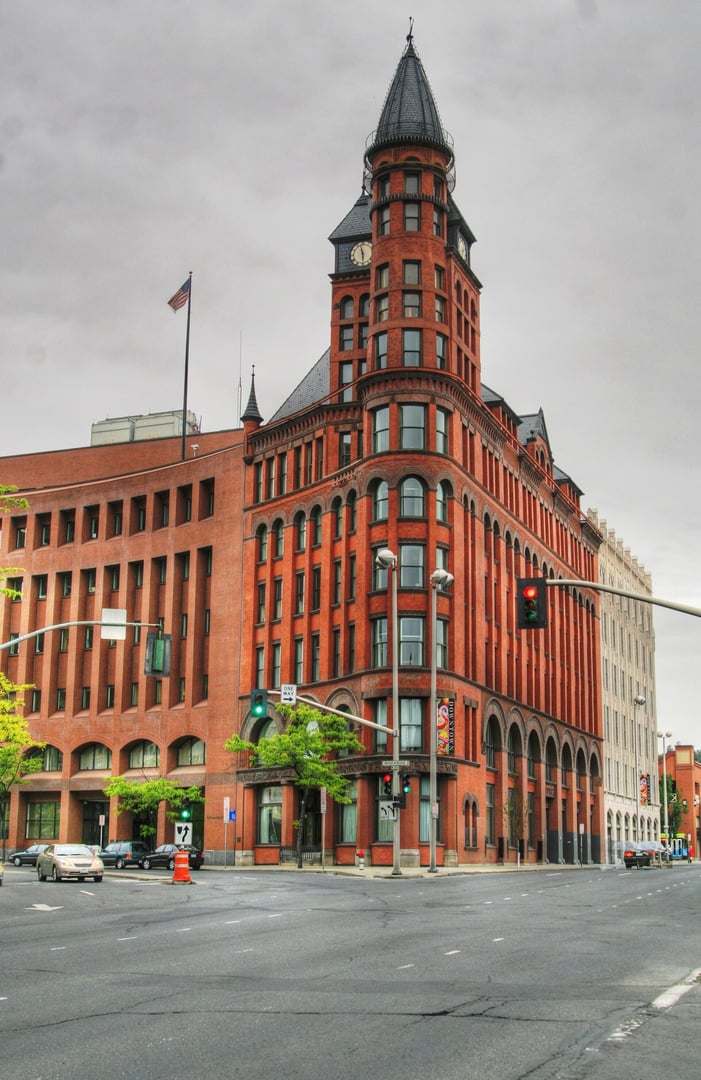
Spokane, WA
Begun March 1890 and completed October 1891 for the Spokane Falls Review newspaper. Designed by Alabama-born architect Chauncey B. Seaton in Romanesque-eclectic style with red pressed brick, Montana granite, and a 146-foot candle-snuffer tower. W.H. Cowles acquired the paper in 1893; the Cowles family has continuously published The Spokesman-Review from the building since.