Est. 1854 · Oldest standing residence in Olympia, built 1854 · Designed in Carpenter Gothic style · Home of pioneer lawyer and territorial legislator Daniel R. Bigelow (1820-1905) · Bigelow was last surviving member of the first Washington territorial legislature · Listed on the National Register of Historic Places · Opened as public museum in 2005 by the Olympia Historical Society
Daniel R. Bigelow arrived in the Puget Sound region in 1851 after traveling the Oregon Trail from his home in the East. A Harvard Law School graduate, he staked a 160-acre donation land claim and began practicing law in the small community that would become Olympia. In the summer of 1854, following his marriage to Ann Elizabeth White — a schoolteacher who had also come west on the trail — he constructed the house that still stands at 918 Glass Avenue NE.
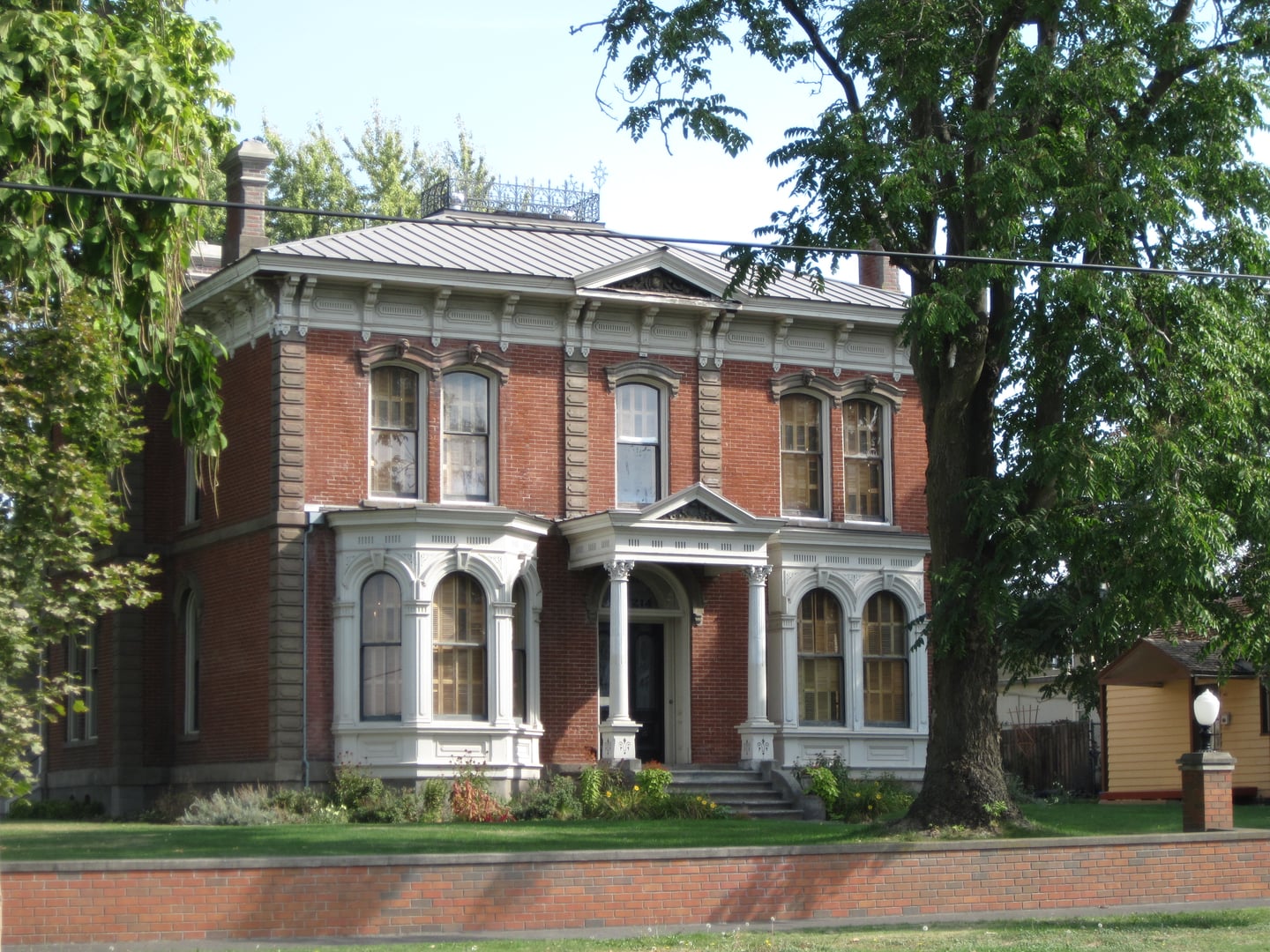
The house exemplifies the Carpenter Gothic style: steep gabled roofline, decorative woodwork, and a verticality that was fashionable in mid-19th-century domestic architecture. Bigelow furnished it with items that crossed the continent and accumulated over a lifetime of practice in the territory.
Bigelow himself was a consequential figure in early Washington. He served in the first territorial legislature and was a consistent advocate for temperance, women's suffrage, and public education — causes that placed him ahead of most of his contemporaries. He died on September 15, 1905, described at the time as the last surviving member of that first territorial legislature. His wife Ann survived him by more than two decades, dying in 1926. Subsequent generations of the family occupied the house until 2005.
The Bigelow House Preservation Association formed in 1994 to prevent the property from being sold to developers. The association restored the house to its territorial-era appearance, named it the Bigelow House Museum in 1995, and opened regular public tours in 2005. It is operated by the Olympia Historical Society and listed on the National Register of Historic Places.
Sources
- https://en.wikipedia.org/wiki/Daniel_R._Bigelow_House
- https://olympiahistory.org/visitor-information/
- https://olympiahistory.org/bigelow-house-story/
Well-dressed male apparition near staircaseFigure seen examining displays in front rooms, vanishes when approachedApparition initially mistaken for a late visitor by staff closing for the day
The haunting reports at the Bigelow House Museum are understated and consistent. Museum volunteers and staff closing the house at the end of the day have described seeing a figure in the front rooms: a well-dressed man, appearing distinct enough to be initially mistaken for a late-arriving visitor, who vanishes when approached or when the viewer looks away. The figure is most commonly reported near the staircase and in the rooms containing the original territorial-era furnishings.
The attribution to Daniel Bigelow is informal but widely held among people who work regularly in the house. Bigelow's documented attachment to the property — he lived there from 1854 until his death in 1905, raised eight children in it, and was deeply invested in the community life of early Olympia — gives the identification a certain local coherence. There is no documentation of a traumatic event in the house; the ghost tradition is one of presence rather than disturbance.
No paranormal investigation team has published formal findings from the museum, and the Olympia Historical Society does not promote the haunting in its official materials. The reports come primarily from people who work regularly in the building.
Notable Entities
Daniel R. Bigelow (1820-1905), pioneer lawyer and territorial legislator, attributed by staff
Where this legend is told