Drive-By
Disaster Site Drive-By
View the White River crossing near the site of the 1887 Hartford Railroad Disaster from public roadways.
- Duration:
- 30 min
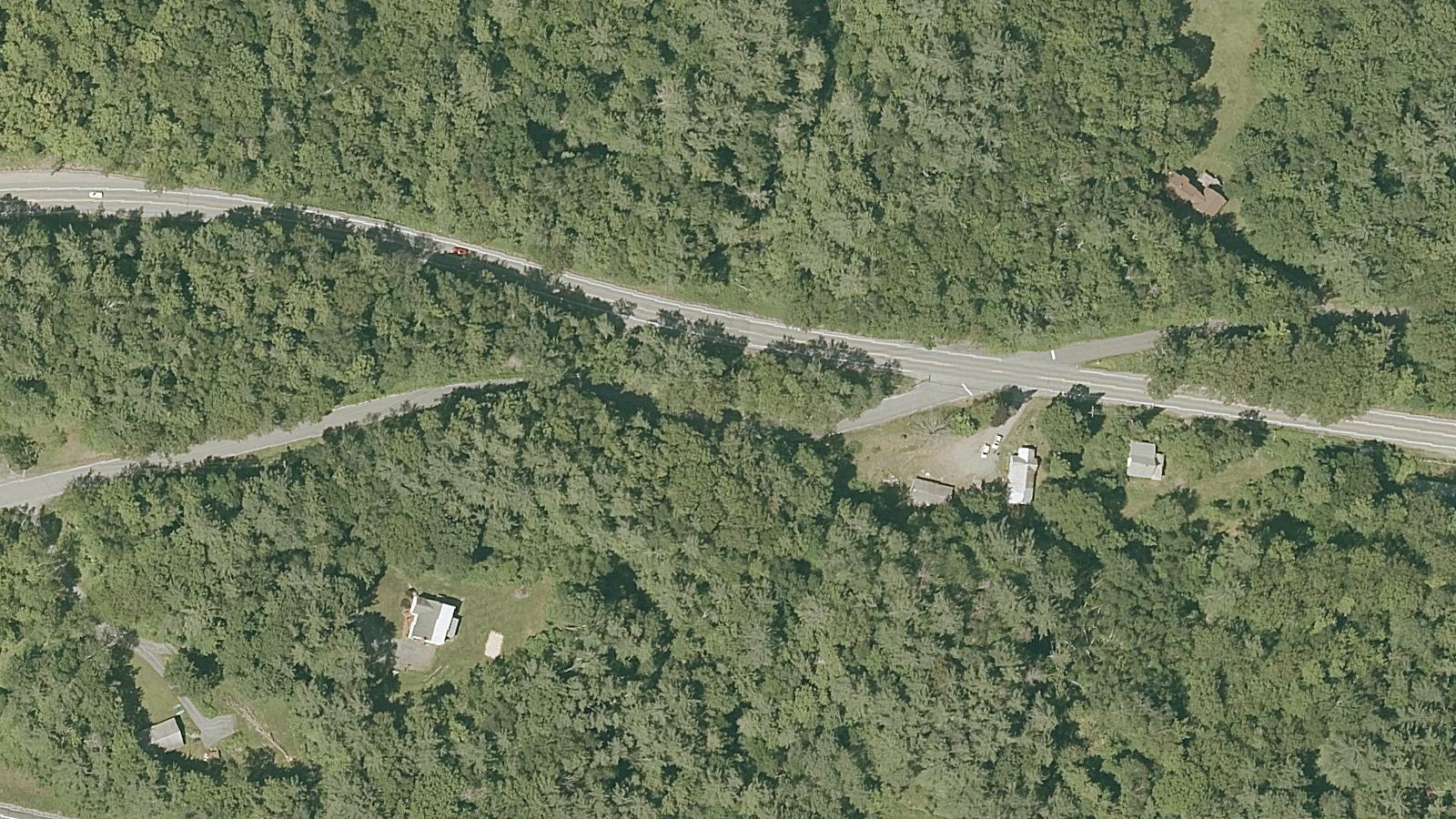 Aerial survey · USDA NAIP · public domain
The White River crossing at West Hartford, Vermont, where the state's deadliest train wreck killed roughly 37 people in a 1887 fire-and-ice disaster; visitors report a small boy's ghost by the river and the smell of smoke.
Route 14 at the White River, West Hartford village, Hartford, VT 05084
Research updated October 2026
Age
All Ages
Cost
Free
Free; viewable from the public roadway.
Access
Limited Access
Rural roadside; active rail line nearby. Do not trespass on tracks or trestle.
Equipment
Photos OK
Site of the 1887 Hartford Railroad Disaster, the deadliest train accident in Vermont history (~37 dead) · Investigation by Dartmouth's Robert Fletcher contributed to U.S. railroad safety reform · Adjacent 1929 West Hartford highway bridge listed on the NRHP (1992)
In the early morning hours of February 5, 1887, the Vermont Central Railroad's northbound 'night express,' bound for Montreal, left White River Junction and approached the long wooden trestle that carried the line across the White River near the village of West Hartford. At roughly 2:10 a.m., several rear cars derailed; the two sleepers and two passenger cars broke away and fell about 40 feet onto the ice-covered river below.
Many passengers were trapped in the wreckage as the wooden cars ignited from their overturned coal stoves and oil lamps, and the trestle itself caught fire. An estimated 37 people died—some in the flames, some trapped in the cars, and some in the frigid river—and roughly 50 were injured, making it the worst railroad disaster in Vermont history.
Dartmouth College engineering professor Robert Fletcher examined the track and found defects in several rails, theorizing that a broken axle on the car named 'Pilgrim' triggered the derailment. The disaster prompted significant changes in U.S. railroad safety practices and is documented in the Vermont Historical Society's journal and contemporary accounts.
The original wooden trestle was rebuilt, and the rail crossing of the White River near West Hartford remains in use today. The nearby West Hartford highway bridge (a 1929 Parker through-truss carrying Route 14) was listed on the National Register of Historic Places in 1992. HauntBound notes the 'eight deaths' figure circulated in some online folklore is inaccurate; documented sources place the toll near 37.
Sources
The mass casualties of the 1887 wreck gave rise to a durable local haunting tradition at the White River crossing. According to vermonter.com and Obscure Vermont, the most frequently reported phenomenon is the apparition of a small boy who appears near or just above the river, as if standing on the ice where the cars fell. Witnesses also describe a spectral railway worker, the persistent scent of burning wood with no source, and plaintive cries, wailing, and screams said to re-enact the night of the disaster.
The Shadowlands seed for this site claimed eight deaths including 'a boy and his father'; HauntBound has corrected the death toll to the documented figure of roughly 37 and notes that no specific named child or father can be independently verified from the disaster record. The 'boy ghost' is described in the corroborating folklore sources only as an unidentified child.
The site is presented here as a historically grounded tragedy with an associated haunting tradition. Reports are anecdotal; HauntBound makes no claim that the phenomena are paranormal in origin.
Notable Entities
View the White River crossing near the site of the 1887 Hartford Railroad Disaster from public roadways.
A roadside historical-tragedy stop along the White River in West Hartford.
Some links on this page may earn HauntBound a small commission when you book, at no extra cost to you. Our editorial picks are independent. Full disclosure
Every HauntBound history is researched from documented sources. We clearly separate verified historical fact from paranormal folklore.
Free Guide
9 verified stops, rated for families, mapped in order. Free.
One email to confirm, then the guide link. Unsubscribe anytime.
Stowe, VT
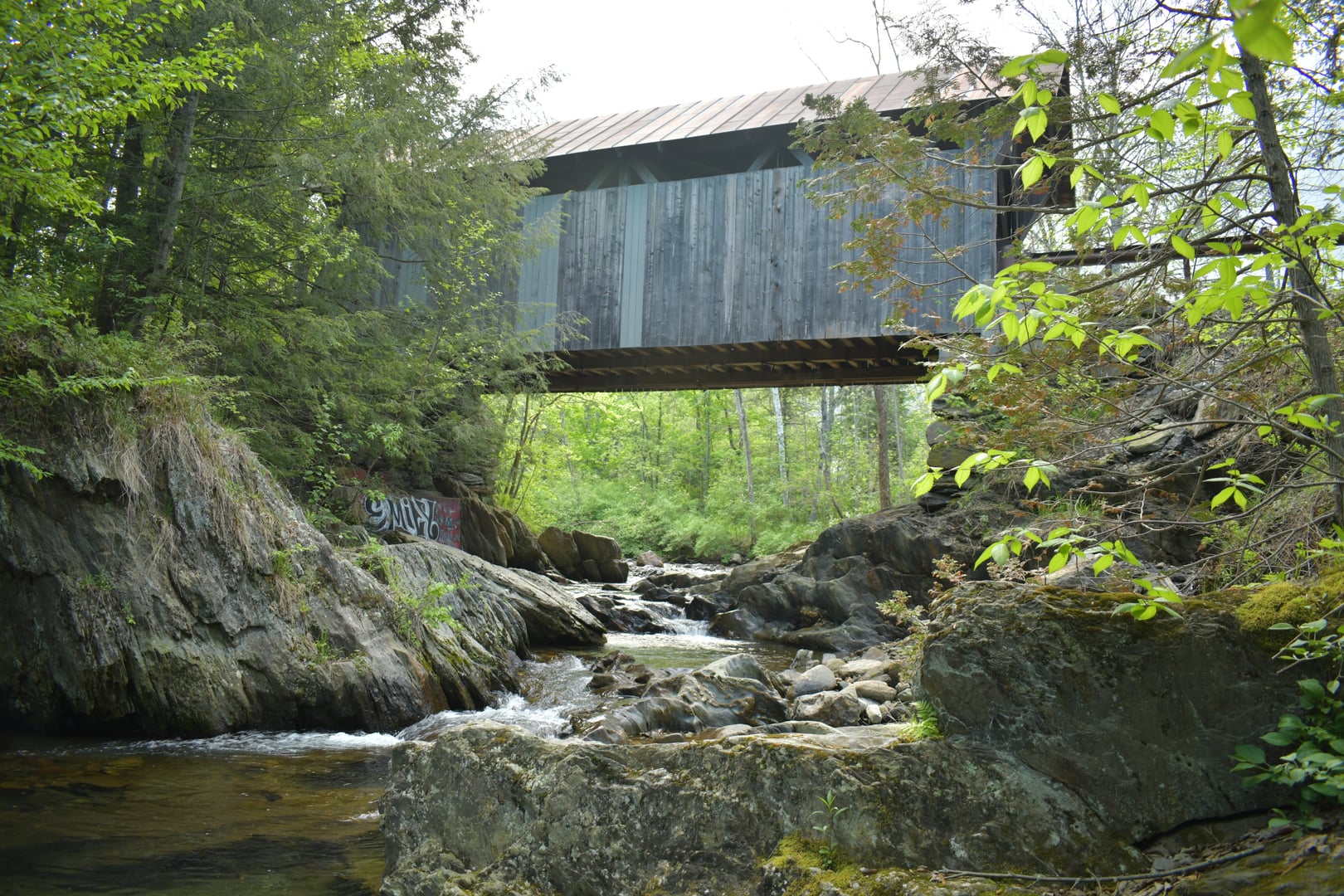
The Gold Brook Covered Bridge, locally called Emily's Bridge, was built in 1844 over Gold Brook in Stowe, Vermont. Its National Register nomination identifies it as Vermont's only timber-Howe-truss bridge carrying a public highway at that time, and it was listed on the National Register of Historic Places in 1974.
Gatlinburg, TN
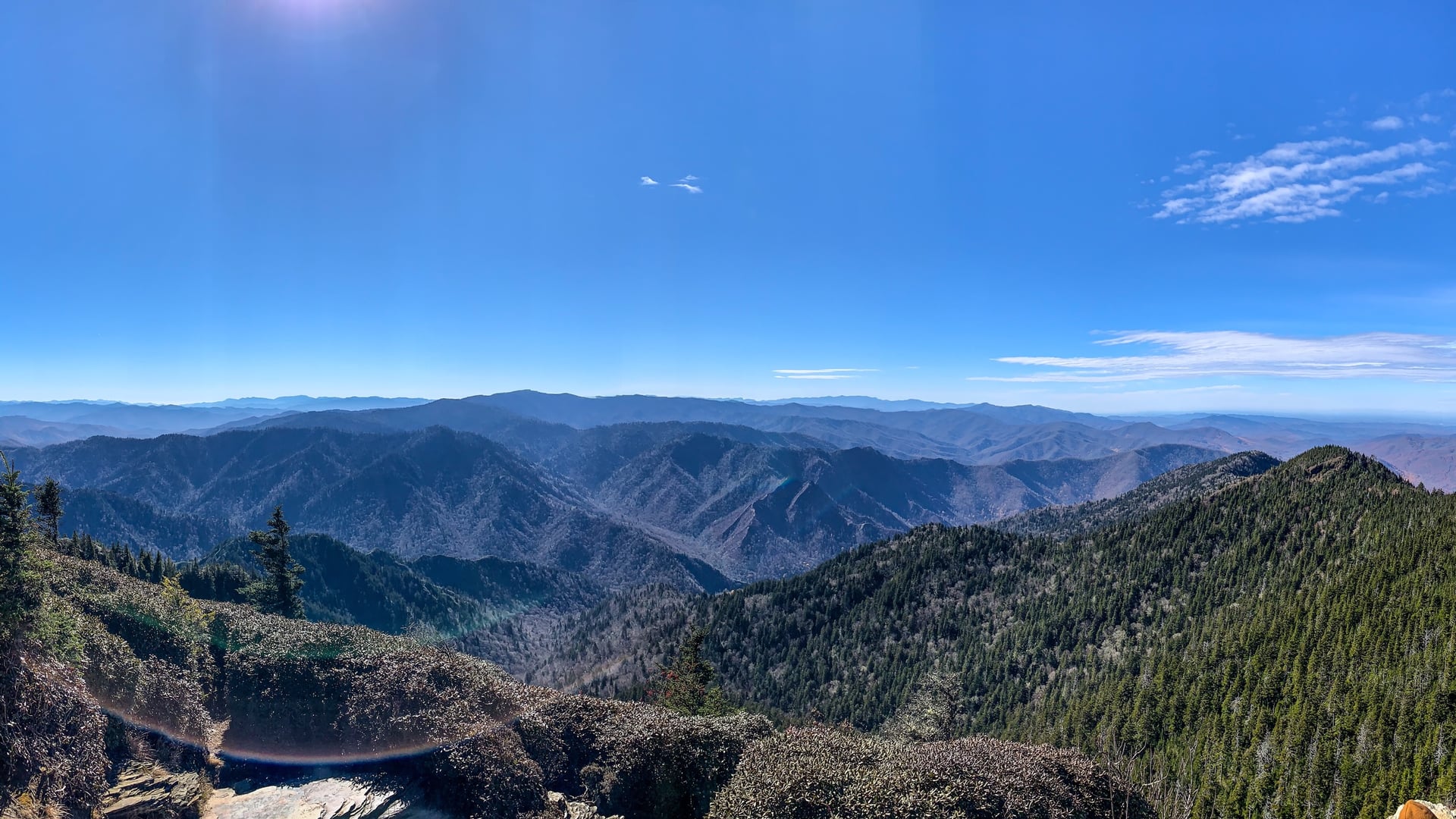
Great Smoky Mountains National Park preserves 522,427 acres of southern Appalachian terrain across Tennessee and North Carolina. The land was the heart of the Cherokee Nation before forced removal in 1838 along what became the Trail of Tears, and home to Appalachian Scots-Irish and English settler communities through the early twentieth century. Congress authorized the park in 1926; it was formally dedicated by Franklin D. Roosevelt on September 2, 1940.
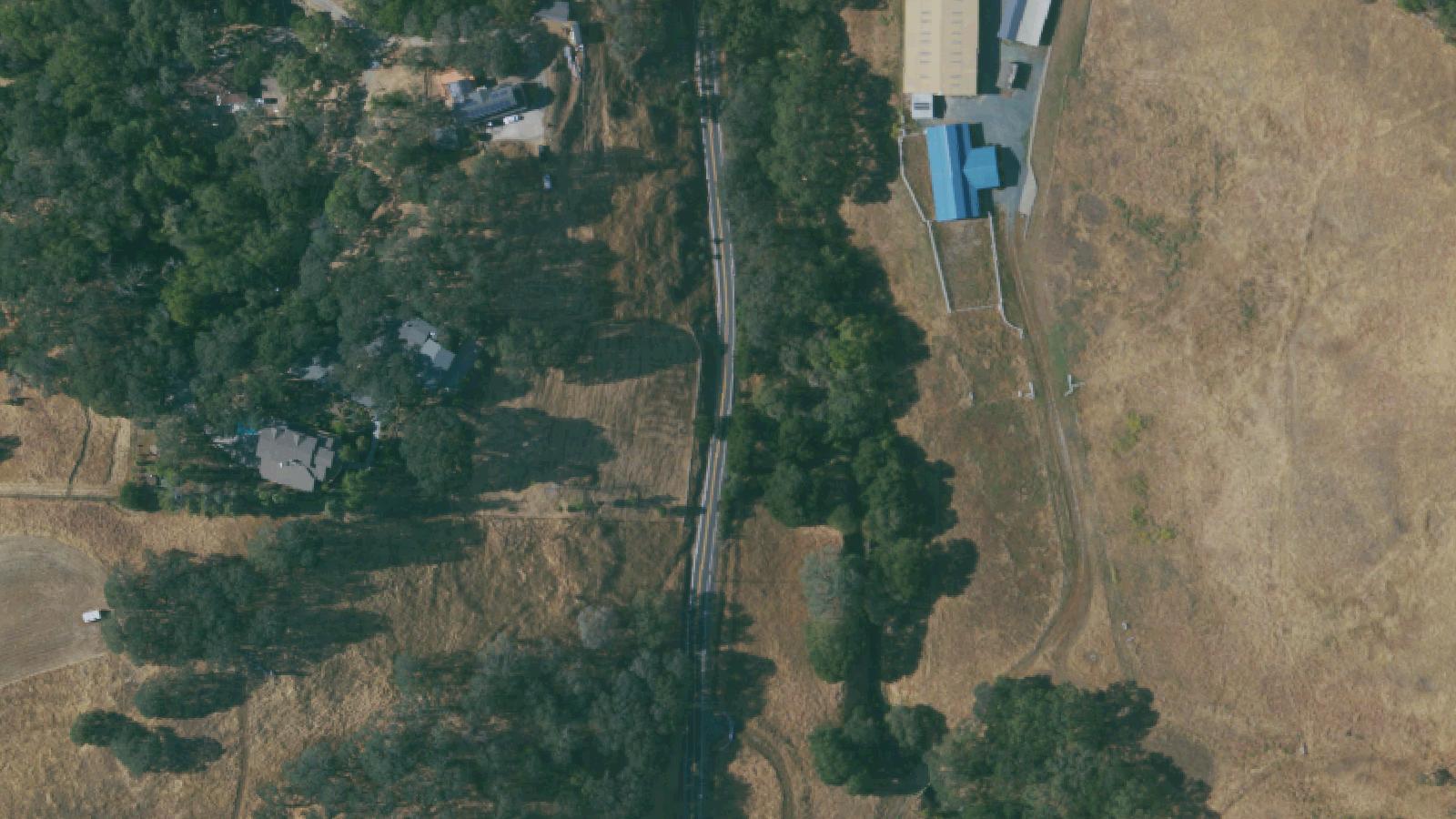 Aerial survey · USDA NAIP
Livermore, CA
Morgan Territory Road traces a 19th-century logging route connecting Santa Cruz timber operations to Eastern Contra Costa County. The surrounding land takes its name from Jeremiah Morgan, an Alabama-born pioneer who crossed the plains by ox-wagon in 1849 and established a ranch on Mount Diablo's eastern flank in 1857. The East Bay Regional Park District began acquiring the surrounding preserve in 1975; it now encompasses 5,230 acres.