Outdoor Exploration
Roadside Covered-Bridge Visit
Visit the historic Gold Brook Covered Bridge, also known as Emily’s Bridge, from the roadside. Approach from Route 100 via Gold Brook Road.
- Duration:
- 30 min
HauntBound archive · catalog record
Reported phenomena, as catalogued
An 1844 Howe-truss covered bridge in Stowe, Vermont, famous statewide as the home of 'Emily,' a vengeful spirit blamed for unexplained scratches on passing cars and disembodied cries in the night.
Covered Bridge Road at Gold Brook Road, Stowe, VT 05672
Research updated October 2026
Age
All Ages
Cost
Free
Free to visit; public roadway open year-round.
Access
Limited Access
Narrow rural road and single-lane covered bridge; no sidewalks, uneven shoulder.
Equipment
Photos OK
Est. 1844 · Listed on the National Register of Historic Places (1974) · Timber-Howe-truss bridge identified in its National Register nomination as Vermont's only example carrying a public highway at that time · Vermont's most widely recognized haunted-folklore landmark
The Gold Brook Covered Bridge spans Gold Brook on Covered Bridge Road in the Stowe Hollow area of Stowe, Lamoille County, Vermont. Built in 1844, the single-span structure measures roughly 48.5 feet long and 17 feet wide, with a roadway width of about 13.5 feet. Its National Register nomination identifies it as Vermont's only timber-Howe-truss bridge carrying a public highway at that time.
The bridge was added to the National Register of Historic Places in 1974 for its engineering and historical significance. The bridge crosses the brook in a rural residential area south of Stowe village. Its National Register nomination described it as carrying a public highway; the official destination guide gives the approach from Route 100 via Gold Brook Road.
Despite its fame as a haunted site, the 'Emily' legend attached to the bridge has no documented historical basis. The Vermont Historical Society and other researchers have found no record of anyone named Emily dying at or near the bridge, and the story appears to have emerged in the late 1960s or early 1970s. A local resident, Nancy Wolfe Stead, has said she invented a version of the Emily tale to entertain and scare local youngsters, and the modern legend spread from there.
The bridge has since become one of Vermont's best-known roadside attractions and a fixture of regional ghost-tour and Halloween itineraries. It was featured on the Travel Channel paranormal series 'Most Terrifying Places in America' in an episode titled 'Cursed Towns' (2018).
Sources
According to the most-repeated version of the legend, a young woman named Emily fell in love with a man whose family opposed the match. The pair planned to meet at the covered bridge to elope, but he never came; distraught, Emily is said to have died at the bridge, and her spirit is described as an angry presence that lingers there. Per the Vermont Historical Society and Atlas Obscura, no historical record supports any such death, and a local woman, Nancy Wolfe Stead, has stated she made up a version of the story to frighten neighborhood kids; the modern legend appears to date only to the late 1960s or 1970s.
Visitors and ghost-lore writers report a consistent set of phenomena at the bridge: claw-like scratches or gouges found on cars after driving through, a strange voice or cries heard from inside the covered span, cold sensations, and a whitish glowing figure said to move along the bridge at night, as documented by Atlas Obscura, the Vermont Historical Society's coverage, and regional folklore outlets.
The bridge's reputation has been amplified by media attention, including a 2018 Travel Channel feature on 'Most Terrifying Places in America.' HauntBound presents the Emily story as enduring Vermont folklore; the historical evidence points to it as a 20th-century invention rather than a verified haunting.
Notable Entities
Media Appearances
Visit the historic Gold Brook Covered Bridge, also known as Emily’s Bridge, from the roadside. Approach from Route 100 via Gold Brook Road.
A roadside stop on Stowe-area covered-bridge and ghost-lore itineraries.
Some links on this page may earn HauntBound a small commission when you book, at no extra cost to you. Our editorial picks are independent. Full disclosure
Every HauntBound history is researched from documented sources. We clearly separate verified historical fact from paranormal folklore.
Free Guide
9 verified stops, rated for families, mapped in order. Free.
One email to confirm, then the guide link. Unsubscribe anytime.
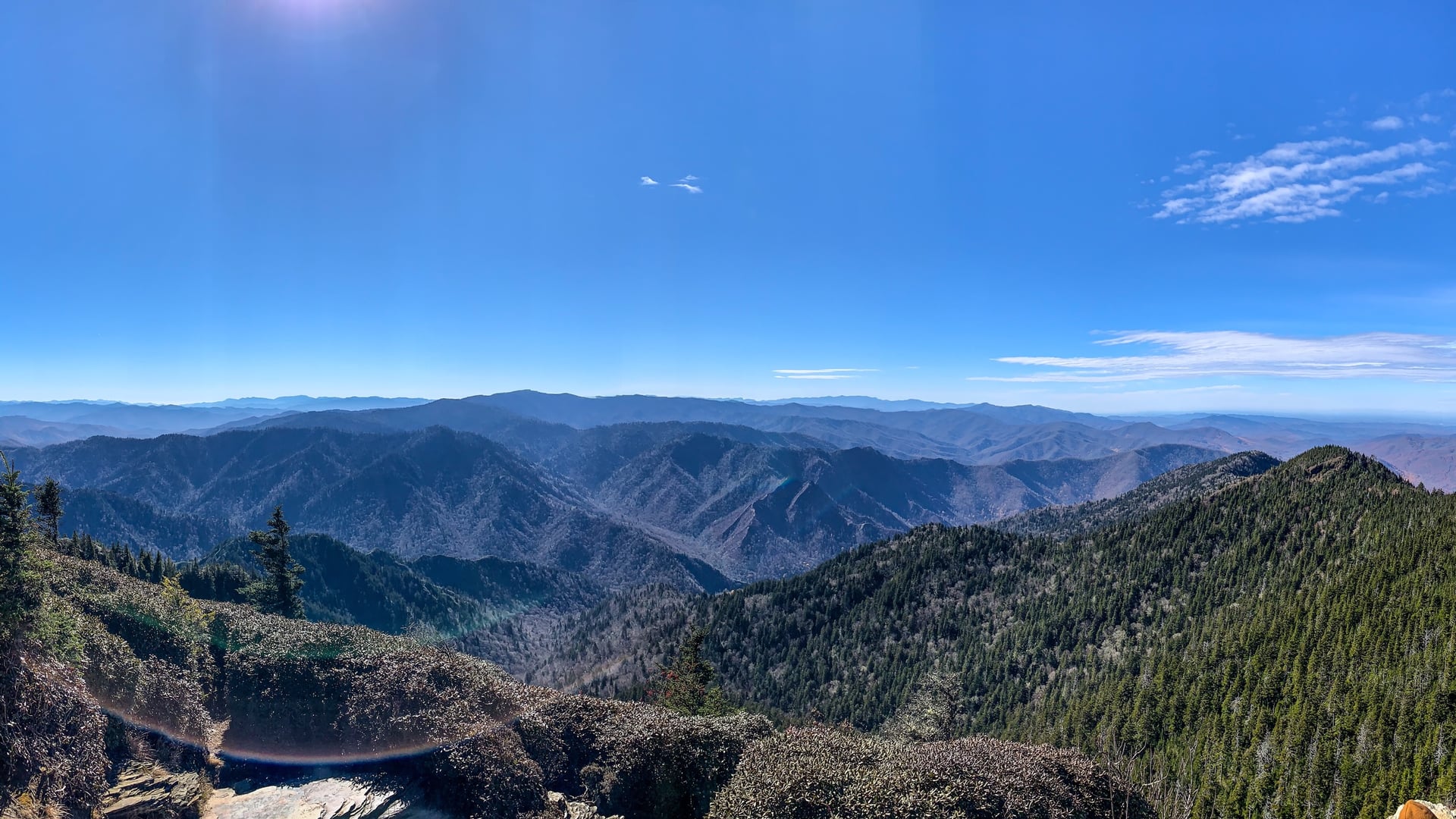
Gatlinburg, TN
Great Smoky Mountains National Park preserves 522,427 acres of southern Appalachian terrain across Tennessee and North Carolina. The land was the heart of the Cherokee Nation before forced removal in 1838 along what became the Trail of Tears, and home to Appalachian Scots-Irish and English settler communities through the early twentieth century. Congress authorized the park in 1926; it was formally dedicated by Franklin D. Roosevelt on September 2, 1940.
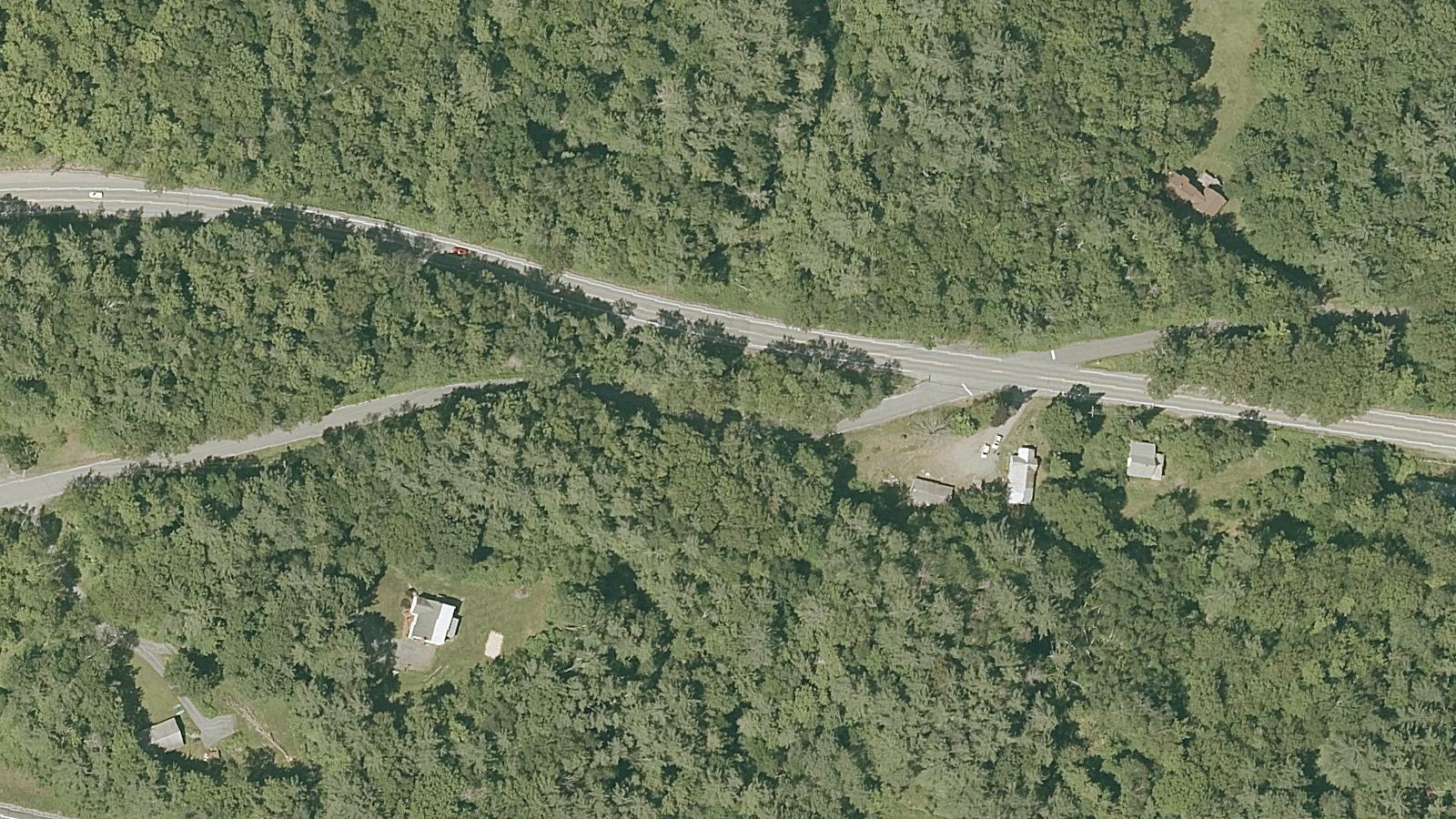 Aerial survey · USDA NAIP
Hartford, VT
On February 5, 1887, the Vermont Central night express derailed and plunged from the wooden railroad trestle into the frozen White River at West Hartford, Vermont. The wooden cars caught fire from overturned stoves and lamps, killing roughly 37 people in the deadliest railroad accident in Vermont history.
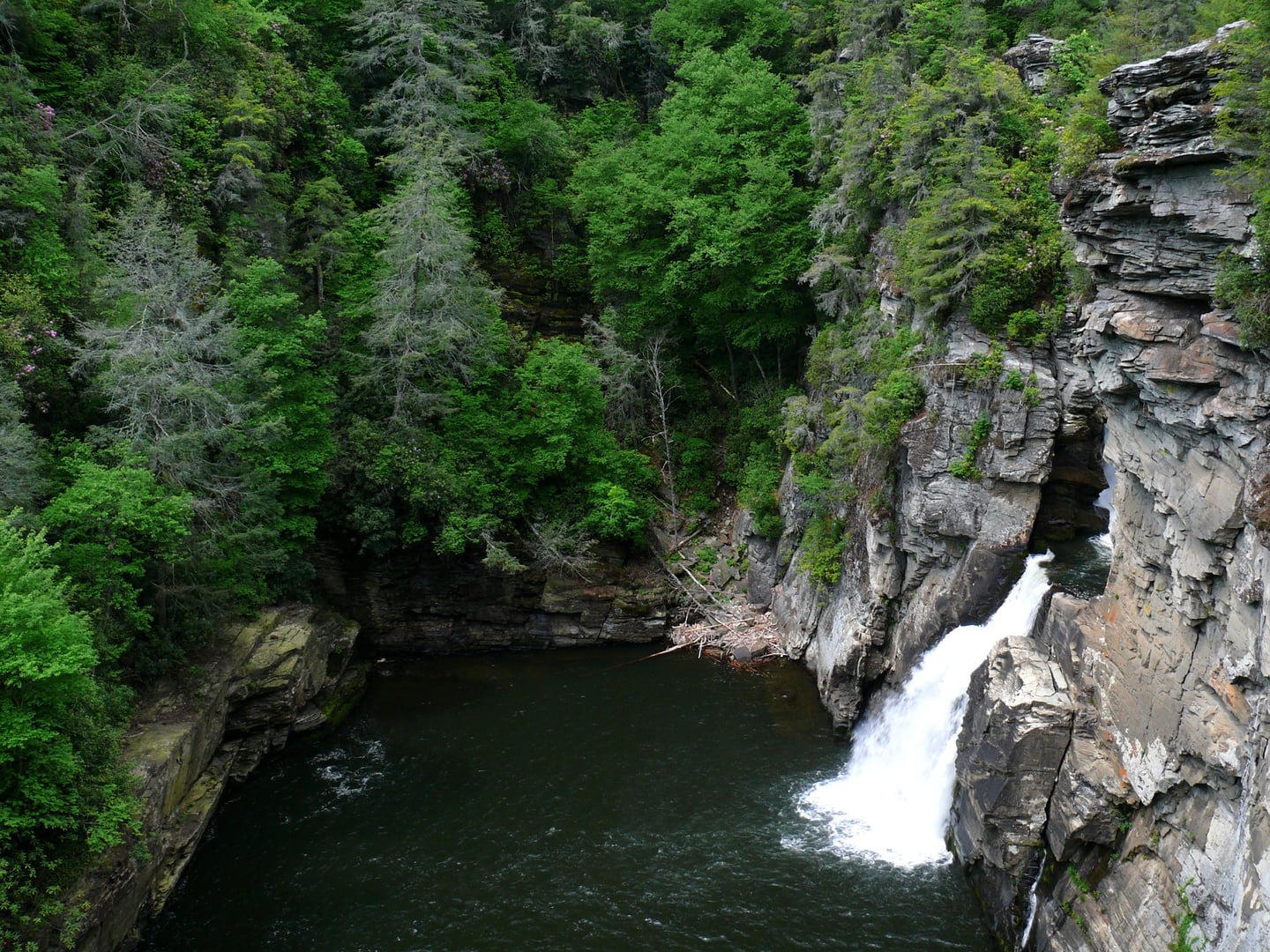
Marion, NC
Linville Gorge, carved by the Linville River through the southern Blue Ridge Mountains of Burke and McDowell Counties, is the deepest river gorge in the eastern United States. Managed as wilderness within Pisgah National Forest, the gorge has been associated with the Brown Mountain Lights phenomenon since at least 1910, when documented reports began appearing in print. USGS scientist George R. Mansfield conducted the first formal government investigation in 1922.