Est. 1856 · Gold Rush Era Settlement · Logging History · Regional Conservation
The road through Morgan Territory began as a functional logging corridor in the 1800s, cut through the hills between Livermore and Clayton to move timber from the Santa Cruz coast toward the farming and ranching communities of Eastern Contra Costa County. The terrain was steep, the route isolated, and traffic sparse enough that the road gained a reputation for being one of the lonelier stretches in the East Bay foothills.
The surrounding territory takes its name from Jeremiah Morgan, born in 1818 on the banks of the Tennessee River in Alabama. Morgan joined a party of six men crossing the plains by ox-drawn wagon in 1849, attempted gold mining briefly, returned to Iowa, and then came back to California with his family in 1853. By 1857 he had established a cattle ranch in the area that would become known as Morgan Territory, acquiring thousands of acres on the eastern slope of Mount Diablo.
The East Bay Regional Park District began acquiring land in the area in 1975, starting with fewer than 1,000 acres. Through gradual purchase, the Morgan Territory Regional Preserve now encompasses 5,230 acres of oak woodland, chaparral, and grassland. The preserve is managed as a public open space and borders Mount Diablo State Park to the west.
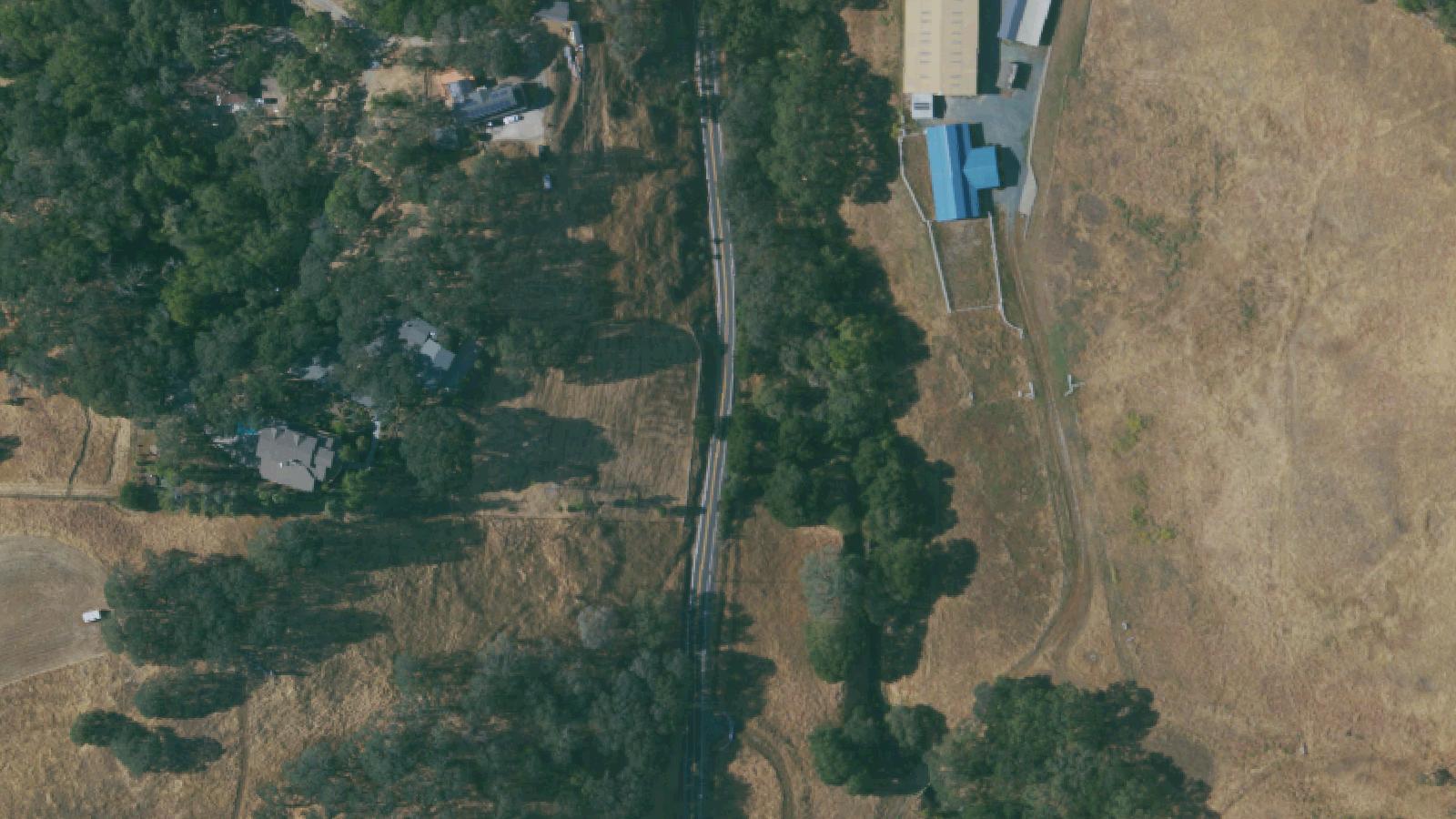
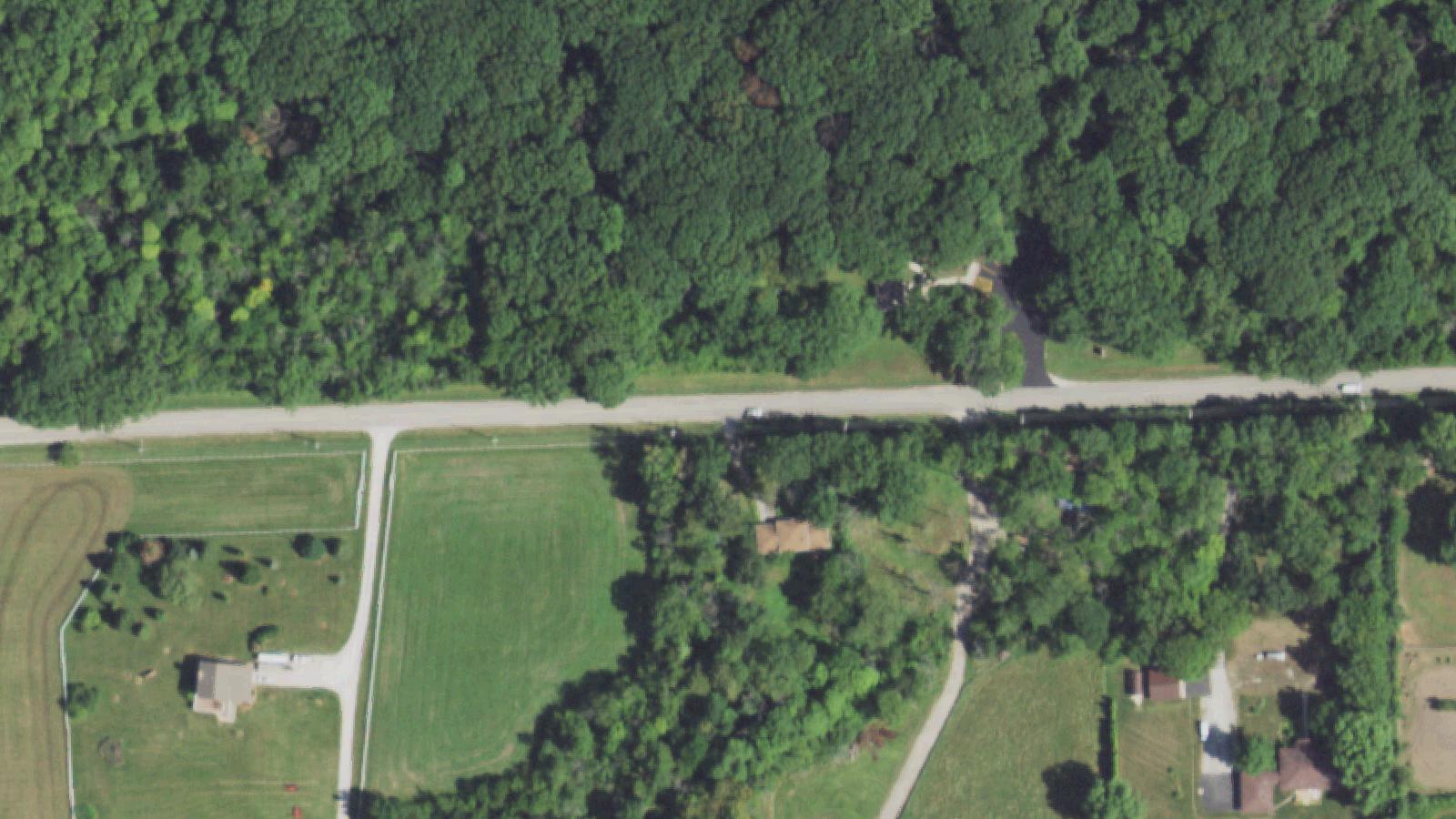
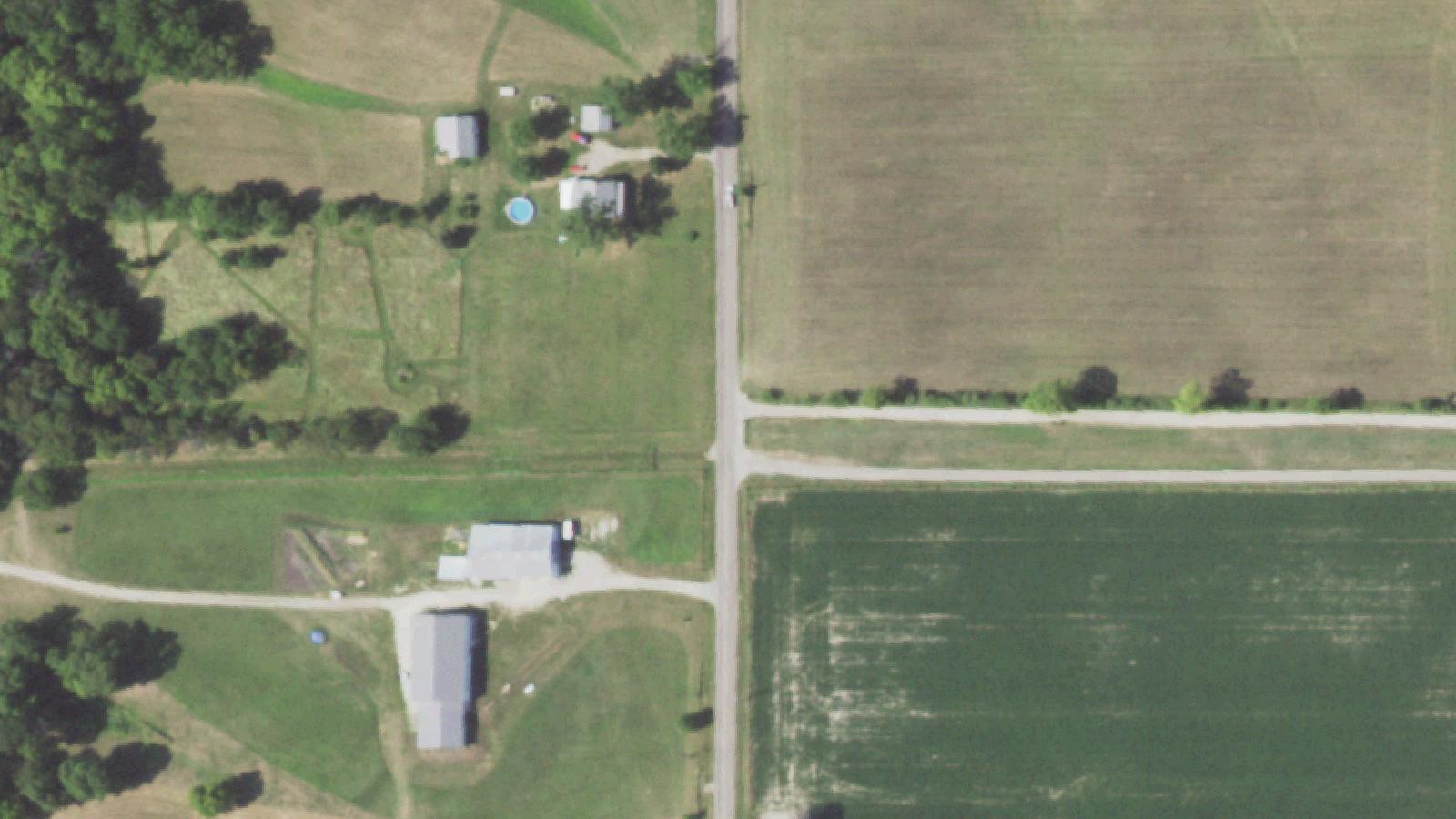
Morgan Territory Road itself runs along the eastern edge of this preserve, connecting the Livermore Valley to Clayton. The road remains lightly traveled, with no streetlights and limited cell coverage. The Morgan Territory Regional Preserve entrance address is 9401 Morgan Territory Road.
Sources
- https://en.wikipedia.org/wiki/Morgan_Territory_Regional_Preserve
- https://www.ebparks.org/parks/morgan-territory
- https://www.dangerousroads.org/north-america/usa/12202-searching-for-murrietas-treasure-on-morgan-territory-road.html
ApparitionsSensed Presence
The legend of Joaquin Murrieta — California's most mythologized Gold Rush outlaw — has left traces across the foothills of Central and Northern California, and the Morgan Territory hills are one of those traces. Murrieta, known in some accounts as California's El Dorado bandit, is said to have buried a cache of stolen loot somewhere in the Morgan Territory area, beneath an oak tree near the old logging road.
The most specific account on record dates to the 1950s. A husband and wife driving home from Livermore after dark reported seeing a figure standing beside a large oak tree off the roadside. They thought little of it — the road is dark, they were tired — but when they later described the sighting to friends and family, they learned for the first time about the buried-loot legend. The coincidence rattled them. They went back, found nothing, and never located the specific tree again.
Since then, periodic reports have described a solitary figure near the road on dark nights — always near an oak, never identifiable, never lingering long enough to investigate. Visitors who return looking for the spot described in previous accounts consistently report that nothing looks right in daylight, and nothing can be pinpointed at night.
The Murrieta legend itself is complicated by history: Joaquin Murrieta may be partially or wholly a folk composite, built from several real bandits operating in the 1850s and merged into a single romantic outlaw figure. Whether the figure on Morgan Territory Road is Murrieta's ghost, a residual impression tied to the land, or the product of a very dark and very winding road on tired eyes — no one has found the oak tree or what might be under it.
Notable Entities
Joaquin Murrieta