Self-Guided Visit
Church & Graveyard Tour
Tour the church interior, dating to roughly 1682, and walk the graveyard containing burials spanning four centuries. Staff interpreters are present during open hours.
- Duration:
- 1 hr
HauntBound archive · catalog record
Reported phenomena, as catalogued
Oldest surviving brick church in British North America, with four centuries of burials and a Civil War ghost story.
14477 Benns Church Blvd, Smithfield, VA 23430
Research updated September 2026
Age
All Ages
Cost
$
Admission fee for museum and grounds; see website for current rates.
Access
Wheelchair OK
Flat gravel and grass paths through the churchyard; church interior is accessible.
Equipment
Photos OK
Est. 1682 · National Historic Landmark · Colonial Architecture · Anglican History · Civil War Camp Ruffin
The church now known as St. Luke's stands on land in Isle of Wight County that has been a site of Anglican worship since the early colonial period. Architectural historians have dated the structure's construction to somewhere between 1632 and 1682, making it a candidate for the oldest surviving brick church built in what is now the United States. The Virginia Landmarks Register and the National Register of Historic Places recognize it accordingly, and it was designated a National Historic Landmark in 1969.
The structure is built in the Gothic Perpendicular style, featuring tracery windows, a stepped gable, and a brick buttressed tower — design features that link it directly to English parish churches of the period. The interior retains original elements including a 1665 Bible and communion silver, portions of the original woodwork, and a seventeenth-century font.
The churchyard surrounding St. Luke's has accumulated burials since the colonial era, making it one of the oldest continuously used burial grounds in the commonwealth. During the Civil War, Confederate forces established Camp Ruffin on the property. Soldiers quartered horses inside the church, stored weapons among the pews, and used the graveyard as a camp ground. Damage from that occupation contributed to a state of deterioration that threatened the building by the late nineteenth century, when preservation efforts began in earnest.
The Friends of St. Luke's Church completed a major restoration in the early twentieth century, and the site now operates as a museum open to the public, staffed by interpreters and archivists. The research library and artifact collection document Isle of Wight County history from the colonial period through the Civil War.
Sources
Two recurring paranormal accounts are attached to St. Luke's. The first involves the Reverend Alexander Norris, said to have died by a fall inside the church that broke his neck. Visitors have reported a male figure in period clerical dress moving through the churchyard and around the church exterior, which local accounts identify as Norris. The claim about Norris's manner of death has circulated in regional ghost lore sources, though it has not been independently confirmed in the church's archival record.
The second account involves a phantom horse-drawn wagon. Multiple visitors over the years have described seeing or hearing a wagon drawn by horses moving through the property at dusk, carrying what appears to be a coffin. The wagon's route and disappearance — typically described as passing along the old road alignment and vanishing near the church — is the detail most often repeated in regional accounts.
Both reports are characteristic of residual-type haunting claims at historic burial sites: repeated sensory impressions tied to specific locations and times of day. The churchyard's four centuries of use, combined with the church's documented Civil War disturbance, provide the historical backdrop these accounts consistently invoke.
Notable Entities
Tour the church interior, dating to roughly 1682, and walk the graveyard containing burials spanning four centuries. Staff interpreters are present during open hours.
Some links on this page may earn HauntBound a small commission when you book, at no extra cost to you. Our editorial picks are independent. Full disclosure
Every HauntBound history is researched from documented sources. We clearly separate verified historical fact from paranormal folklore.
Free Guide
9 verified stops, rated for families, mapped in order. Free.
One email to confirm, then the guide link. Unsubscribe anytime.
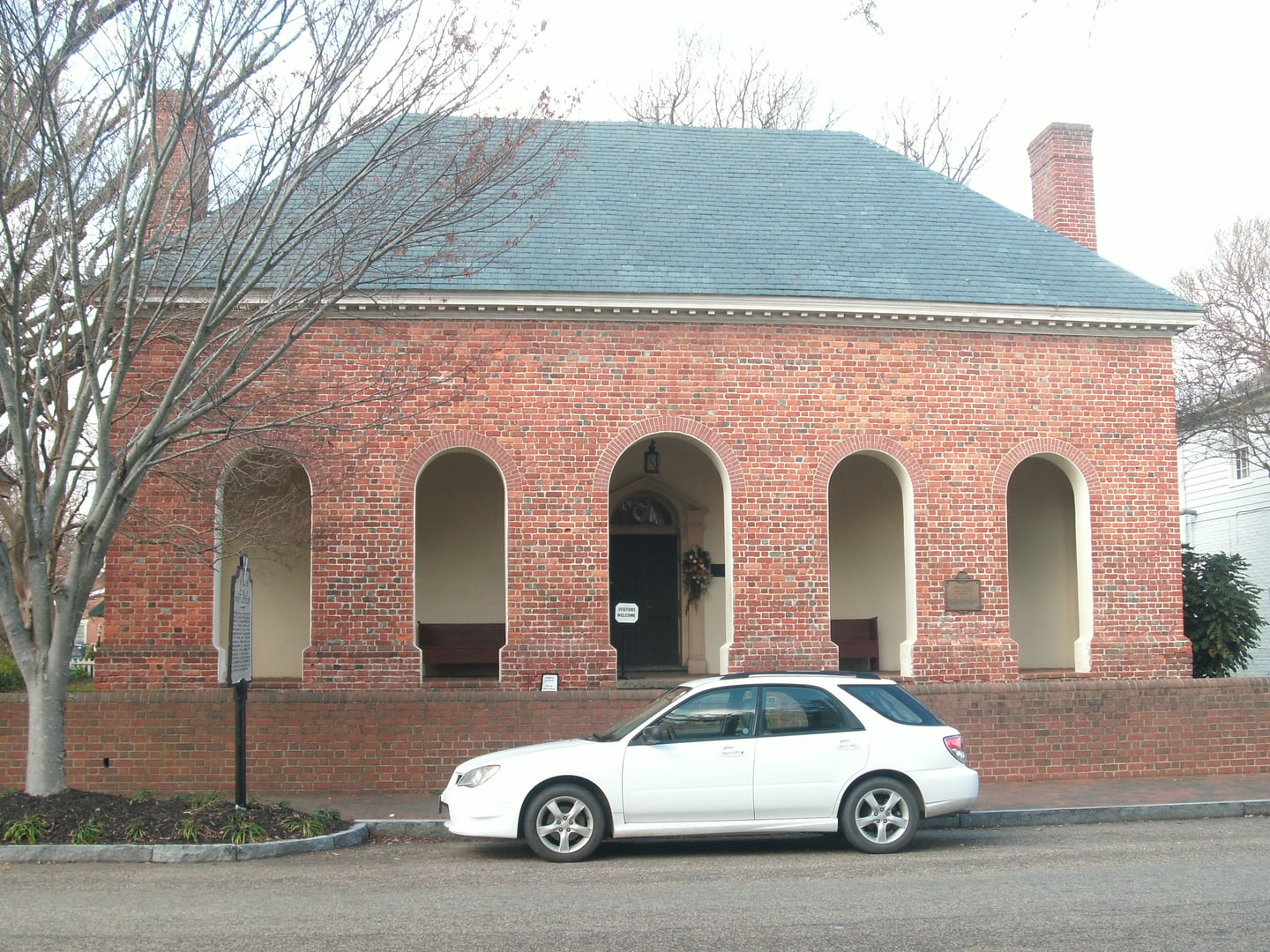
Smithfield, VA
Built in 1750-51, the Old Isle of Wight Courthouse is one of only a handful of surviving colonial courthouses in Virginia. Its rounded exterior walls, modeled after the Colonial Capitol in Williamsburg, made it architecturally distinctive in the colonial Tidewater. It served as the center of Isle of Wight County's civil and criminal justice for 50 years.
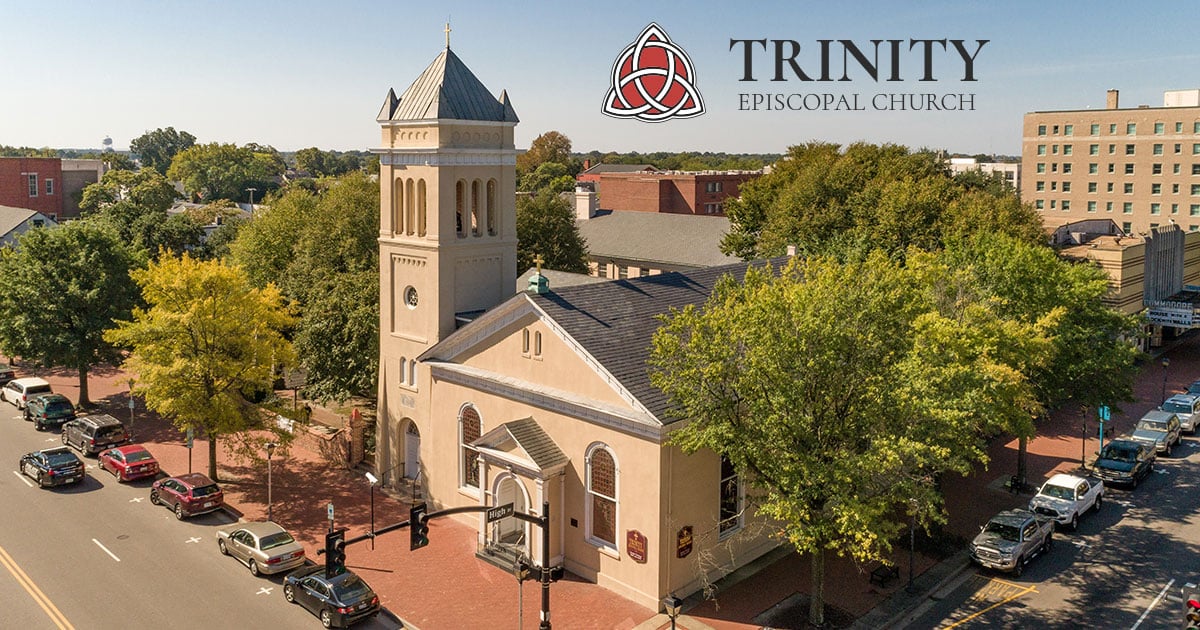
Portsmouth, VA
Trinity Episcopal Church in Portsmouth's Olde Towne Historic District traces its congregation to 1762. The current building was constructed 1828-1830. During the Civil War the church served as a Confederate hospital, and the crew of the CSS Virginia worshipped here before the ironclad's 1862 battle with the USS Monitor.
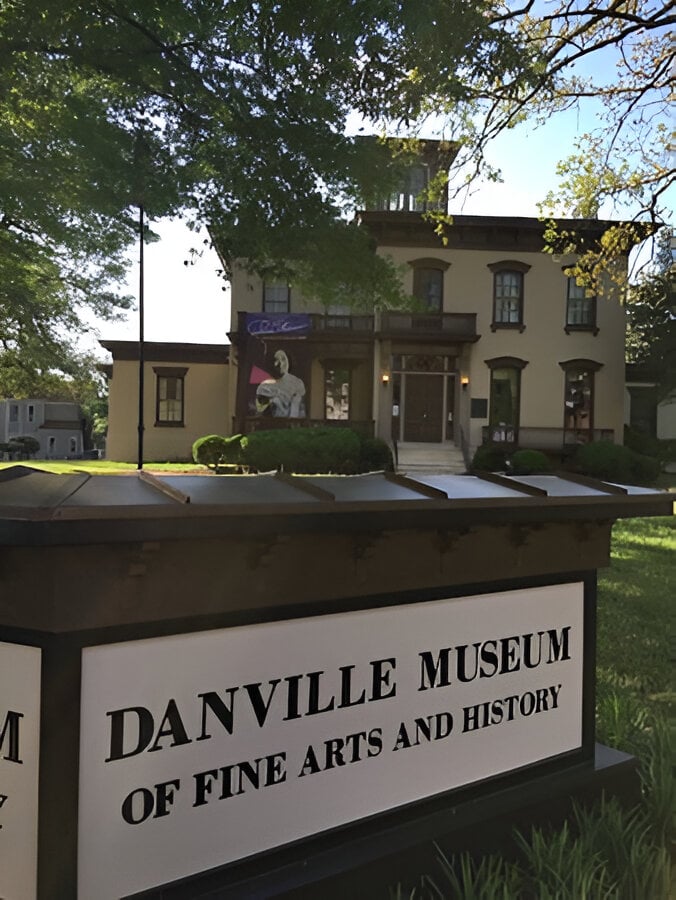
Danville, VA
Built in 1859 for William T. Sutherlin, a Danville tobacco merchant, the mansion became the temporary Confederate capital from April 3-10, 1865, when Jefferson Davis and his cabinet fled Richmond following its fall. Davis issued his final presidential proclamation from this house before the Confederacy's surrender.