Est. 1750 · Colonial Courthouse · National Register of Historic Places · Colonial Justice System · Williamsburg Architectural Influence
The Old Isle of Wight Courthouse at 130 Main Street in Smithfield was constructed between 1750 and 1751, placing it among the last generation of courthouse buildings erected under colonial Virginia's county court system. The structure is notable for its rounded exterior walls, a design element drawn from the Williamsburg Capitol building, which was the architectural model for several Virginia courthouses built during the mid-eighteenth century.
For approximately five decades the courthouse served as the administrative and judicial center of Isle of Wight County, handling everything from property disputes and probate matters to criminal proceedings requiring public punishment. The colonial-era court records preserved from this period document a range of offenses and sentences — floggings, fines, public stocks — that the community administered within and immediately outside the building.
The courthouse was decommissioned when Isle of Wight County relocated its government seat to Isle of Wight Court House (now Windsor) in 1800. The building survived largely intact, and it is now listed on the National Register of Historic Places as a contributing structure in Smithfield's historic district. It stands as one of only a handful of colonial-era courthouses remaining in Virginia.
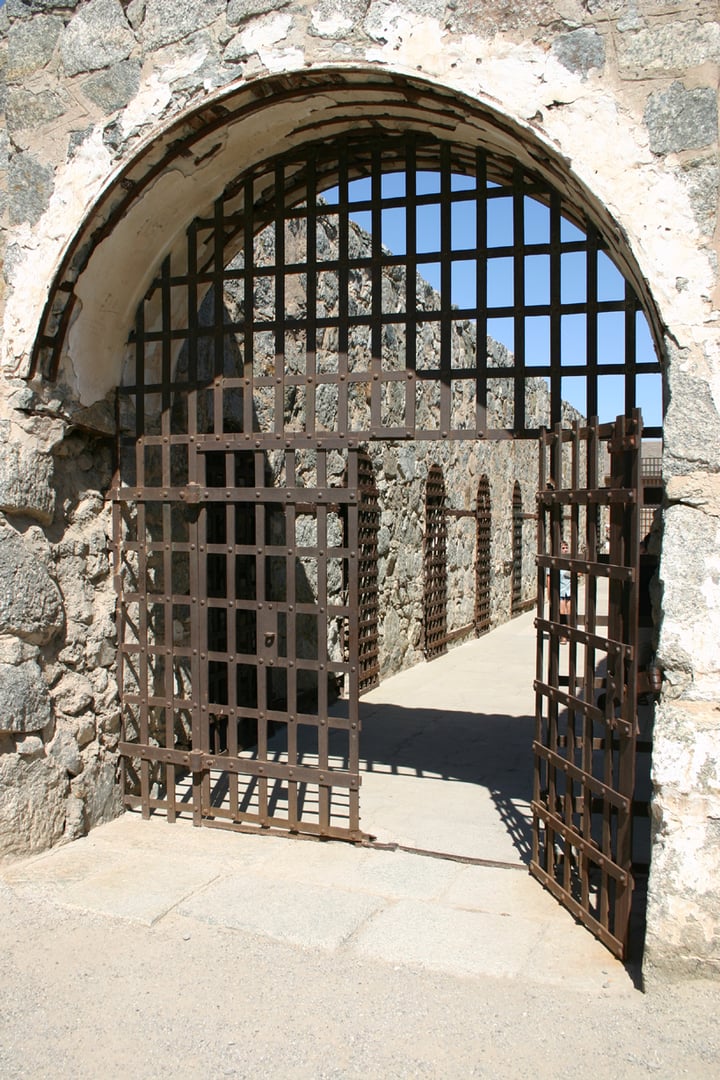
The adjacent Old Jail, which operated during the same period, still stands and is often included in historic walking tours of downtown Smithfield alongside the courthouse. Both structures represent the most concentrated surviving example of colonial justice infrastructure in the Hampton Roads region.
Sources
- https://en.wikipedia.org/wiki/Old_Isle_of_Wight_Courthouse
- https://www.smithfieldtimes.com/news/ghosts-of-smithfields-past-8760/
Atmospheric uneaseUnexplained sounds
The Old Isle of Wight Courthouse anchors the annual Halloween ghost walk through downtown Smithfield, an event covered by the Smithfield Times in 2020. Costumed guides and actors portray individuals documented in the courthouse's surviving criminal records, with the most memorable figure being a habitually intoxicated man brought before the court multiple times on drunk and disorderly charges. The character's recurrence in the docket has made him a local legend.
The courthouse's adjacent Old Jail is described in regional ghost lore as independently haunted, with reports of unattributed sounds and a general atmosphere of unease that tour participants consistently note. The two structures together — courthouse and lockup — form what Smithfield Times coverage characterizes as Smithfield's most concentrated haunted walking route.
The ghost walk format means that much of what visitors experience is staged; the question of independent paranormal claims at the courthouse itself is harder to disentangle from the theatrical performance. What is clear from the documentary record is that the building's actual criminal history provides legitimate material for the accounts being dramatized.