Est. 1860 · Kalorama Estate Heritage · 19th-Century Staunton Domestic History · Gospel Hill Historic District
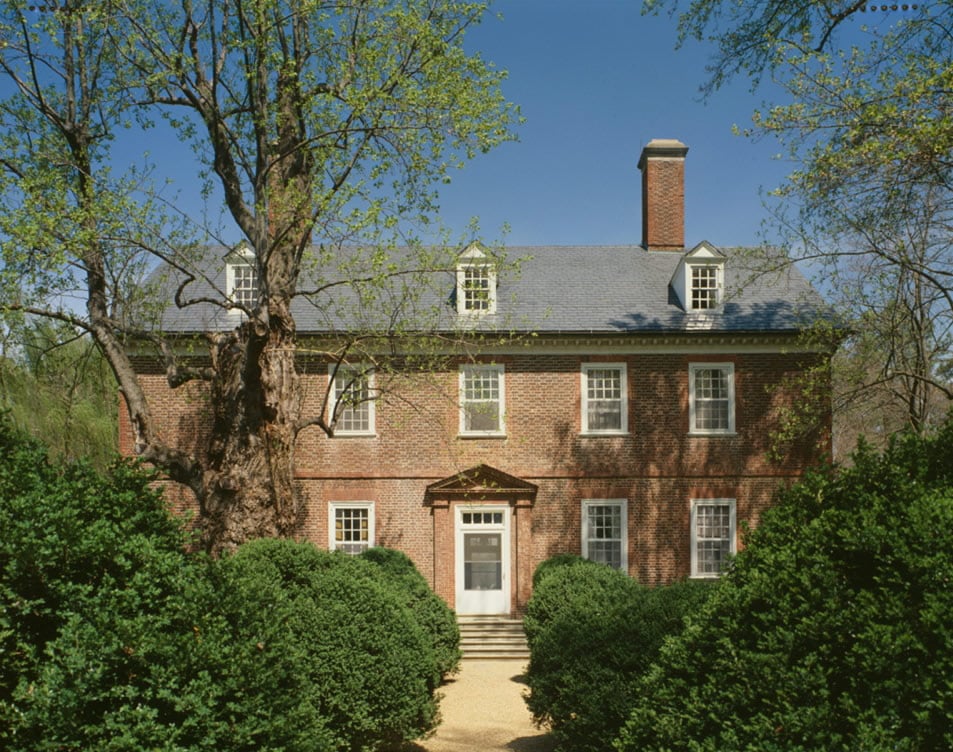
The history of this property begins with Daniel Sheffey, who purchased land in Staunton in 1805 and named his estate Kalorama — Greek for "fine view." After Sheffey died in 1830, his widow Maria and five daughters used the main property to operate the Virginia Female Institute, a boarding school for young women. Around 1860, one of those daughters, Margaret Sheffey, built a smaller adjacent dwelling known as Little Kalorama to house herself and her dependent sister.
The property changed hands several times before Captain John McQuaide, a Confederate veteran with dry goods and distillery interests, acquired it at auction in 1887. When McQuaide died in 1899 leaving estate debts, John M. Spotts purchased the house in September 1900. The Spotts family, including daughter Charlotte, occupied the residence for the next 88 years.
Charlotte Coffman — née Spotts — became the figure most associated with the house's darker reputation. Local oral history and the current venue owners describe her as "the Black Widow," a designation tied to multiple deaths in her orbit over the decades. The Victorian Arts and Culture organization, which now operates from the property, documents her story in their historical programming.
The home's previous lives include a stint as a boarding school connected to the adjacent Kalorama estate and years as a private residence before restoration. The Staunton Historic Society has contributed to the documentation of the property's long occupancy history.
Sources
- https://victorianartsandculture.com/about-the-house
- https://visitstaunton.com/things-to-do/haunted-staunton/
Multiple deaths associated with propertyPresence of Charlotte CoffmanGeneral haunting reputation
Charlotte Coffman is the animating figure in the house's paranormal reputation. Known in local accounts as "the Black Widow," she is connected in oral history to a succession of deaths over the decades the Spotts family occupied the home. The Victorian Arts and Culture organization, which runs ticketed ghost events and historical tours from the property, documents her story as a central thread of their programming.
The Visit Staunton tourism office includes the Spotts-Coffman House among the city's most prominent haunted sites, citing its 260-year history and the Black Widow narrative as distinguishing features. Ticketed evening events — Victorian Ghostly Encounters — have been offered at the property, combining post-mortem Victorian photography with accounts of the house's documented deaths and paranormal reports.
No specific apparition accounts from independent investigators have been published in local news sources, but the property's reputation is longstanding enough that it appears on Staunton's official tourism haunted sites list alongside the Blackburn Inn and DeJarnette Sanitarium.
Notable Entities
Charlotte Coffman