Est. 1865 · Last major Civil War battle in Virginia before Lee's surrender at Appomattox, April 6, 1865 · Nearly 7,700 Confederate casualties and captures in a single afternoon · Overton-Hillsman House served as Union 6th Corps field hospital; original bloodstains visible on floors · Virginia state park preserving intact battlefield terrain
The Battle of Sailor's Creek, fought on April 6, 1865, came at the end of the Appomattox Campaign — the final desperate pursuit of Lee's Army of Northern Virginia after the fall of Petersburg and Richmond. As Lee's army moved west in search of resupply and a route south, Union forces cut across its columns. At Sailor's Creek, three separate engagements unfolded in a single afternoon.
The Union 6th Corps under Horatio Wright struck the Confederate corps of Richard Ewell near the Hillsman Farm, while other Union forces engaged Confederate columns under John B. Gordon and Richard Anderson. By day's end, nearly 7,700 Confederate soldiers had been killed, wounded, or captured — including eight general officers. The losses represented approximately a quarter of Lee's remaining effective strength. When Lee learned of it, he reportedly said: 'My God, has the army dissolved?' He surrendered at Appomattox Court House three days later.
The Overton-Hillsman House, a Federal-period farmhouse predating the war, stood directly in the path of the 6th Corps advance. Union surgeons converted it to a field hospital within hours of the fighting ending. Records indicate 358 Union soldiers and 161 Confederate soldiers received treatment there. The surgery performed in a farmhouse without anesthetic or antiseptic left permanent evidence: the original wide-board pine floors of the Hillsman House still carry bloodstains from the surgeries conducted that day.
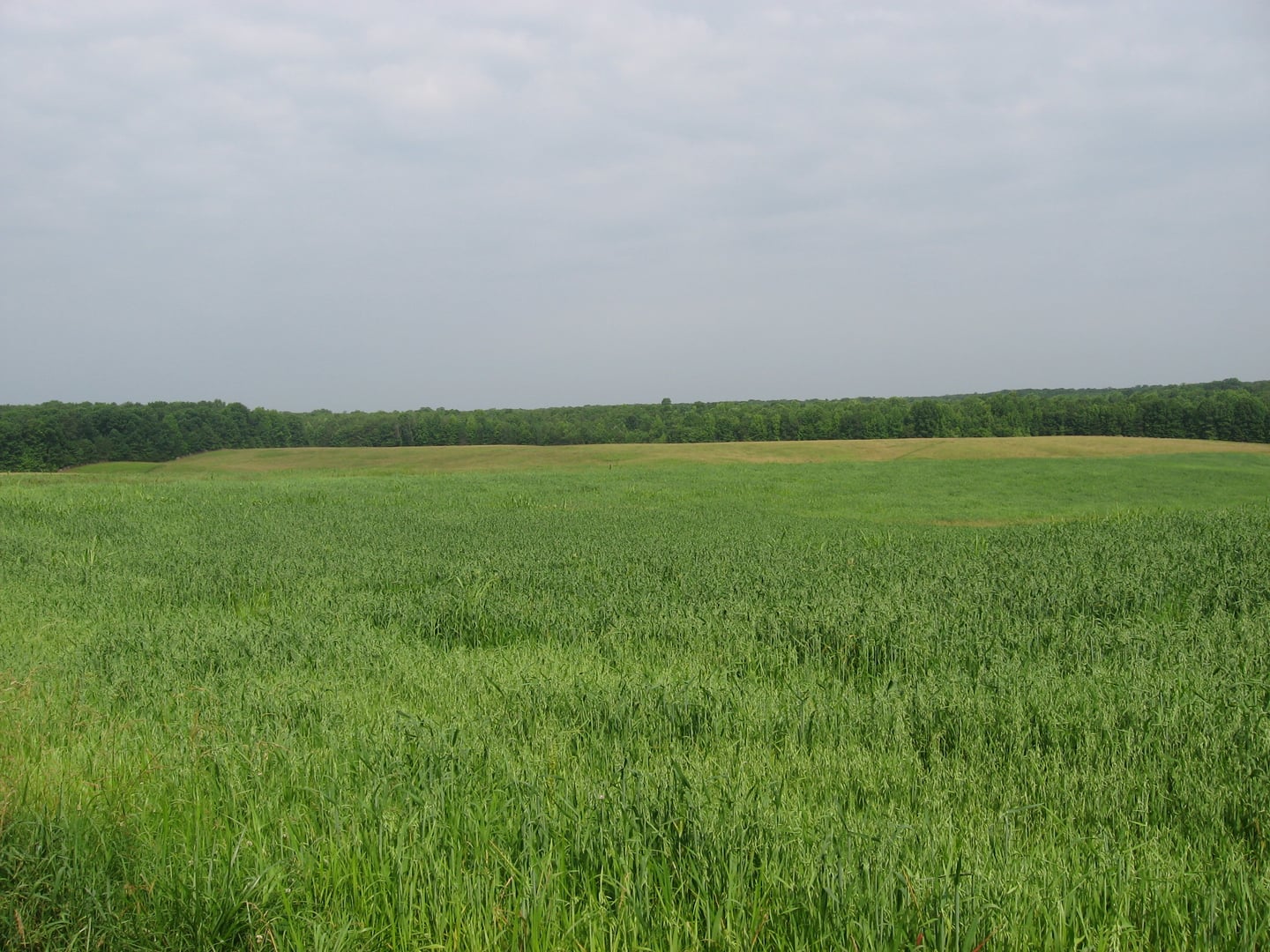
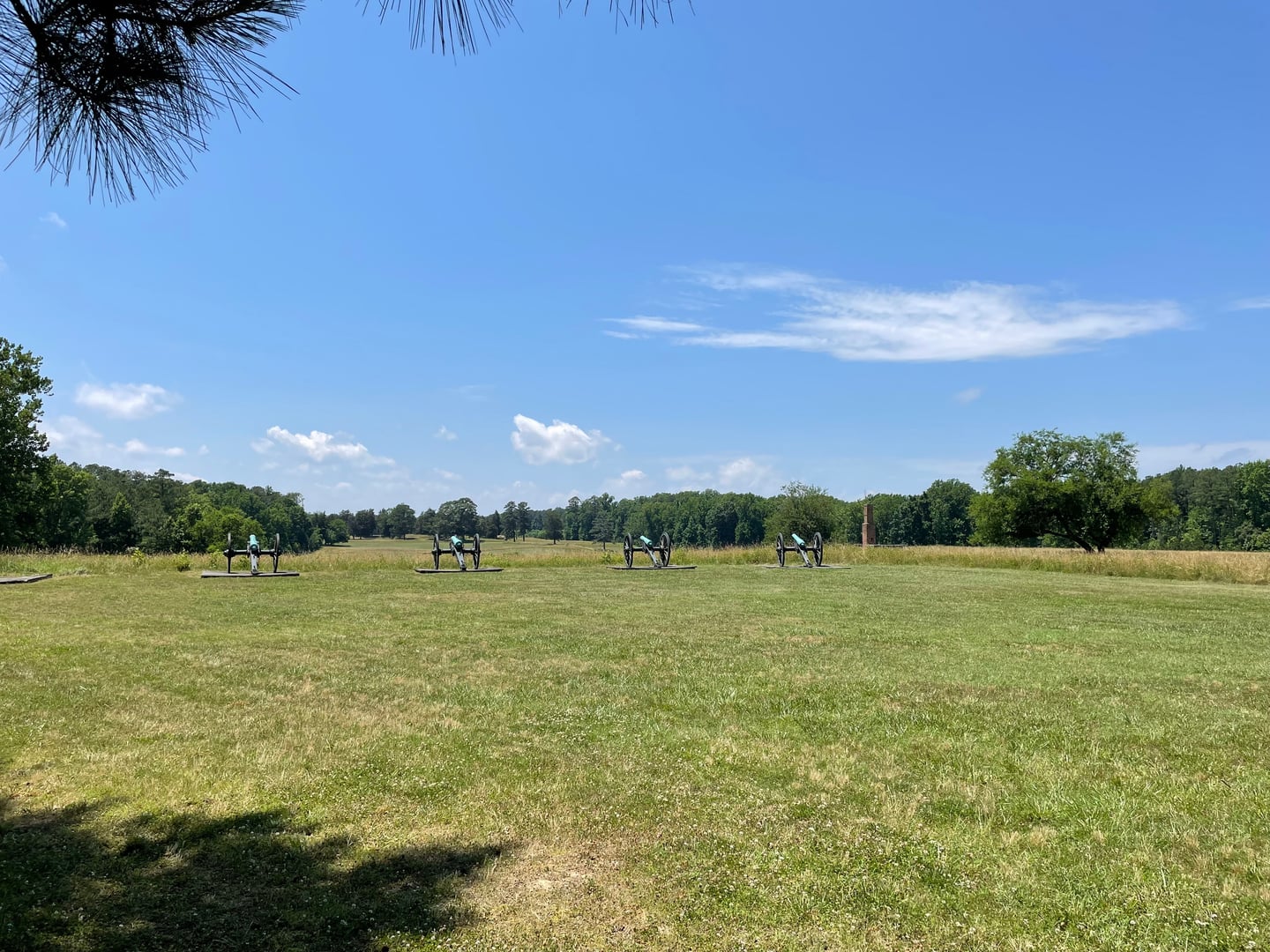
Virginia acquired the site as a state park. The Hillsman House is interpreted and open seasonally, with the bloodstained floors visible to visitors. The surrounding battlefield terrain, including the creek bottom and surrounding ridgelines where the fighting occurred, is accessible via maintained trails.
Sources
- https://www.dcr.virginia.gov/state-parks/sailors-creek
- https://en.wikipedia.org/wiki/Battle_of_Sailor%27s_Creek
- https://www.ameliamonitor.com/articles/unexplained-occurrences-at-sailors-creek-battlefield/
Disembodied footsteps on upper floors of Hillsman HouseVoices — murmuring, crying, commands — in surgical roomsCold spots near blood-stained areas of the farmhouseSounds of distant rifle fire on the battlefield trailsShouted commands and running sounds on open ground near the creek
The Sailor's Creek battlefield and Hillsman House have accumulated a local reputation for paranormal activity, documented in regional news and on dark-tourism sites. The most consistent accounts come from the Hillsman House interior: visitors and seasonal staff report footsteps on the upper floors when no one is present, disembodied voices — described variously as murmuring, crying, or clipped commands — and cold spots concentrated near the rooms where surgical operations were conducted in 1865. The bloodstained floors that are visible to visitors lend the interior a particular weight.
On the battlefield trails, accounts describe sounds that don't correspond to the environment: what visitors describe as the crack of distant rifle fire, shouted commands, and the sound of running or movement across the open ground near the creek where the fighting was concentrated. A local newspaper documented unexplained occurrences at the park, gathering accounts from multiple unconnected visitors who reported similar audio phenomena without coordination.
A regional travel site documented specific visitor paranormal reports at the Hillsman House including disembodied voices and battle sounds on the trails. None of the accounts have been corroborated by organized paranormal investigation, and the park itself does not promote supernatural claims. The documented facts — a single afternoon of mass killing, an immediate field hospital in the farmhouse, surgery performed on the floor that still bears its evidence — are what attract dark-history visitors as much as any ghost tradition.
Where this legend is told