Est. 1962 · 1891 Maritime Disaster · Norwegian-American Memorial · Virginia Beach Boardwalk History · Life Saving Service · Transatlantic Memorial
On the morning of Good Friday, March 27, 1891, the Norwegian barque Dictator was fighting its way north along the Virginia coast toward the Chesapeake Bay entrance. The ship, out of Pensacola, Florida, with a cargo of Georgia Pine lumber bound for West Hartlepool, England, had taken a severe storm in the Bahamas that smashed two lifeboats and sprung the hull. The pumps were broken. Adverse winds and rising seas drove the Dictator onto the shoals south of Cape Henry.
The crew of the Seatack Life Saving Station launched into the surf and saved Captain Jørgensen and nine crew members. Seven people died: among them Johanne Pauline Jørgensen, the captain's wife, and Karl, their young son. Karl's body was recovered and initially buried in a local cemetery. After reports spread of a child's voice crying from the burial site, Karl was exhumed and reinterred at Elmwood Cemetery beside his mother's grave; the accounts of crying ceased after the reburial.
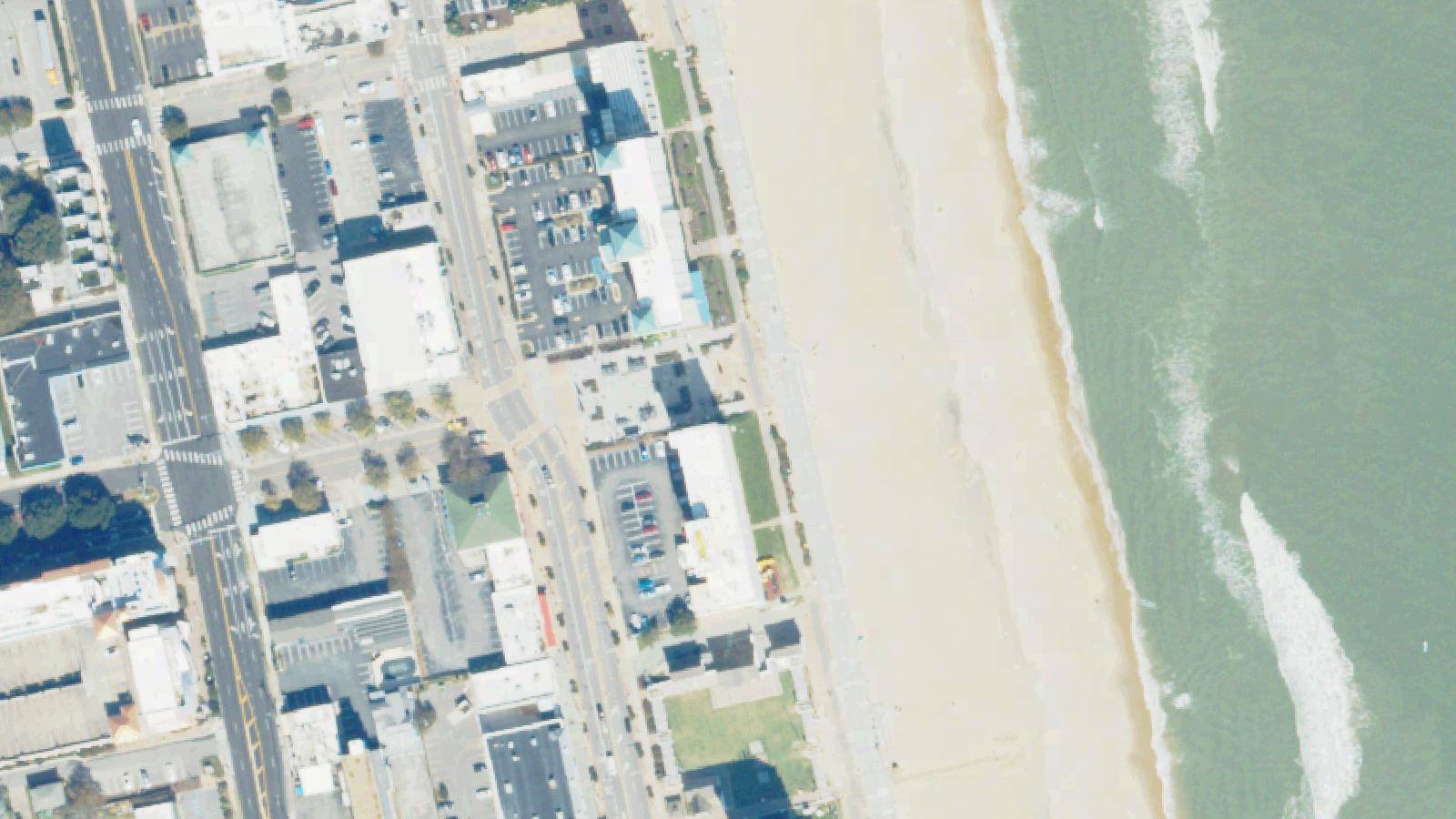
The Dictator's wooden female figurehead washed ashore following the wreck. The manager of the Princess Anne Hotel had it placed upright on the beach facing the ocean — a spontaneous memorial that stood on the beachfront for decades. Hurricane Barbara in 1953 destroyed the weathered wood. In 1962, Norwegian sculptor Ornulf Bast was commissioned to create two identical nine-foot bronze replicas of the figurehead. One was erected on the Virginia Beach boardwalk at 25th Street on September 22, 1962; the other stands in Moss, Norway, the Dictator's home port. Both face their respective oceans.
The monument is designated a Virginia public art installation and is documented on the Historical Marker Database with a dedicated marker describing the wreck.
Sources
- https://en.wikipedia.org/wiki/Norwegian_Lady_Statues
- https://www.hmdb.org/m.asp?m=114335
- https://vbpublicart.org/gallery/norwegian-lady
Phantom soundsApparitionsChild's voice
The ghost lore attached to the Norwegian Lady statue begins not with the monument but with the burial. Karl Jørgensen, the captain's son, was pulled from the sea and buried at a Virginia Beach cemetery. In the weeks following, witnesses at the cemetery — and on the beach nearby — described hearing a child's voice, characterized as crying or calling. The accounts were consistent and persistent enough that Karl's body was exhumed and moved to Elmwood Cemetery, where it was reinterred beside his mother Johanne's grave. The accounts of the voice stopped after the reburial.
The detail is documented in multiple historical sources covering the Dictator wreck, including the Historical Marker Database entry for the monument, and has been treated as one of the more genuinely documented ghost stories in Virginia Beach's maritime history — unusual in that the response to it (the reburial) is itself a historical act, not merely a later embellishment.
Since the 1962 erection of the monument, ghost tour operators in Virginia Beach have incorporated the site into walking tours. US Ghost Adventures' Virginia Beach tour documents accounts of sailors' apparitions on the beach near the monument, consistent with the history of the wrecked crew. The monument — a nine-foot bronze woman facing the sea — anchors the visual and emotional weight of the lore: she is still watching, and the accounts suggest that others may still be watching with her.
The identical statue in Moss, Norway, creates an unusual quality: the grief is documented on both sides of the Atlantic, and the monument is simultaneously a local Virginia Beach landmark and a piece of Norwegian national memory.
Notable Entities
Karl JørgensenJohanne Pauline Jørgensen
Where this legend is told