Drive-By
Exterior View
View the cubic 1787 brick building exterior from the public sidewalk; do not enter without arrangement.
- Duration:
- 10 min
HauntBound archive · catalog record
Reported phenomena, as catalogued
The oldest Masonic hall in continuous use in the United States (cornerstone 1785, completed 1787); used as a War of 1812 makeshift hospital, now home of Richmond Randolph Lodge No. 19 and reportedly haunted by 'Uncle Joshua' and other figures.
1805 E Franklin St, Richmond, VA 23223
Research updated May 2026
Age
All Ages
Cost
$
Privately owned by Richmond Randolph Lodge No. 19; interior access by occasional public open-house events or scheduled ghost tour stops only.
Access
Limited Access
Historic 1787 building with stairs and no elevator.
Equipment
No Photos
Est. 1787 · Oldest Masonic hall in continuous use in the U.S. · Members included Edmund Randolph and John Marshall · Lafayette made honorary member here (1824) · War of 1812 makeshift hospital · Library of Congress HABS documentation
Construction on Mason's Hall began with a cornerstone laid in 1785 and was completed by 1787. The simple Federal-style cubic brick building stands at 1805 East Franklin Street in Richmond's Shockoe Bottom neighborhood and has been documented in the Library of Congress Historic American Buildings Survey. It is the oldest Masonic hall in continuous operation in the United States.
The lodge — Richmond Randolph Lodge No. 19, a chartered lodge of the Grand Lodge of Virginia — has met in the building from its completion to the present. Early members included Edmund Randolph (the first U.S. Attorney General and a future Secretary of State) and John Marshall (later Chief Justice of the United States). In 1824 the Marquis de Lafayette was inducted as an honorary member during his celebrated tour of the United States.
During the War of 1812 the hall served as a makeshift hospital. Nurses and surgeons treated wounded soldiers in the upper hall, where multiple men reportedly died. This wartime function is the most-cited historical anchor for the building's haunted reputation.
The building remained in continuous Masonic use through the Civil War (during which Richmond was the Confederate capital) and into the 21st century. It has been documented in WTVR coverage of its 2016 public opening and is regularly featured in Richmond ghost-tour walking-tour content. The Lodge has historically been measured about its public profile — the 2016 WTVR feature was framed as 'addressing some of its mysteries.'
Sources
Mason's Hall is one of the recurring stops on Richmond's major ghost-tour circuits, with documented narrative content from US Ghost Adventures' Richmond Ghost Tour (which maintains a dedicated 'Mason's House' page), Haunts of Richmond's Shadows of Shockoe walking tour, and RVA Ghosts' Sinister Secrets of Shockoe Bottom tour. The WTVR 2016 feature and the Wikipedia article on Mason's Hall further document the building's haunted reputation as part of its public profile. Across these sources the building's reputation is sourced primarily to its use as a War of 1812 hospital — tour content describes wounded soldiers who died on the upper floor and whose presences are said to linger.
US Ghost Adventures identifies four named entities at the hall, including 'Uncle Joshua,' described as the original caretaker, whose distinctive keychain rattle is reportedly heard in empty corridors. Locals on the surrounding Franklin Street block have reported strange lights in the upper windows late at night, even when the building is locked and dark, and disembodied conversation and arguments seeming to roll out from inside after midnight.
The 2016 WTVR feature recorded the Lodge's own measured response to the lore — the brothers acknowledged the stories without confirming or denying specific phenomena. Because the named entities (Uncle Joshua and others) are sourced only to ghost-tour materials and have not been independently corroborated against primary historical records, this entry treats the named-entity claims as tour-tradition rather than verified, while documenting the multiple independent ghost-tour operators carrying the lore.
Access to the building's interior is by Lodge open-house events or arranged ghost-tour stops only; HauntBound publishes Mason's Hall primarily as an exterior viewing site and a guided ghost-tour stop.
Notable Entities
Media Appearances
View the cubic 1787 brick building exterior from the public sidewalk; do not enter without arrangement.
Some links on this page may earn HauntBound a small commission when you book, at no extra cost to you. Our editorial picks are independent. Full disclosure
Every HauntBound history is researched from documented sources. We clearly separate verified historical fact from paranormal folklore.
Free Guide
9 verified stops, rated for families, mapped in order. Free.
One email to confirm, then the guide link. Unsubscribe anytime.
Richmond, VA
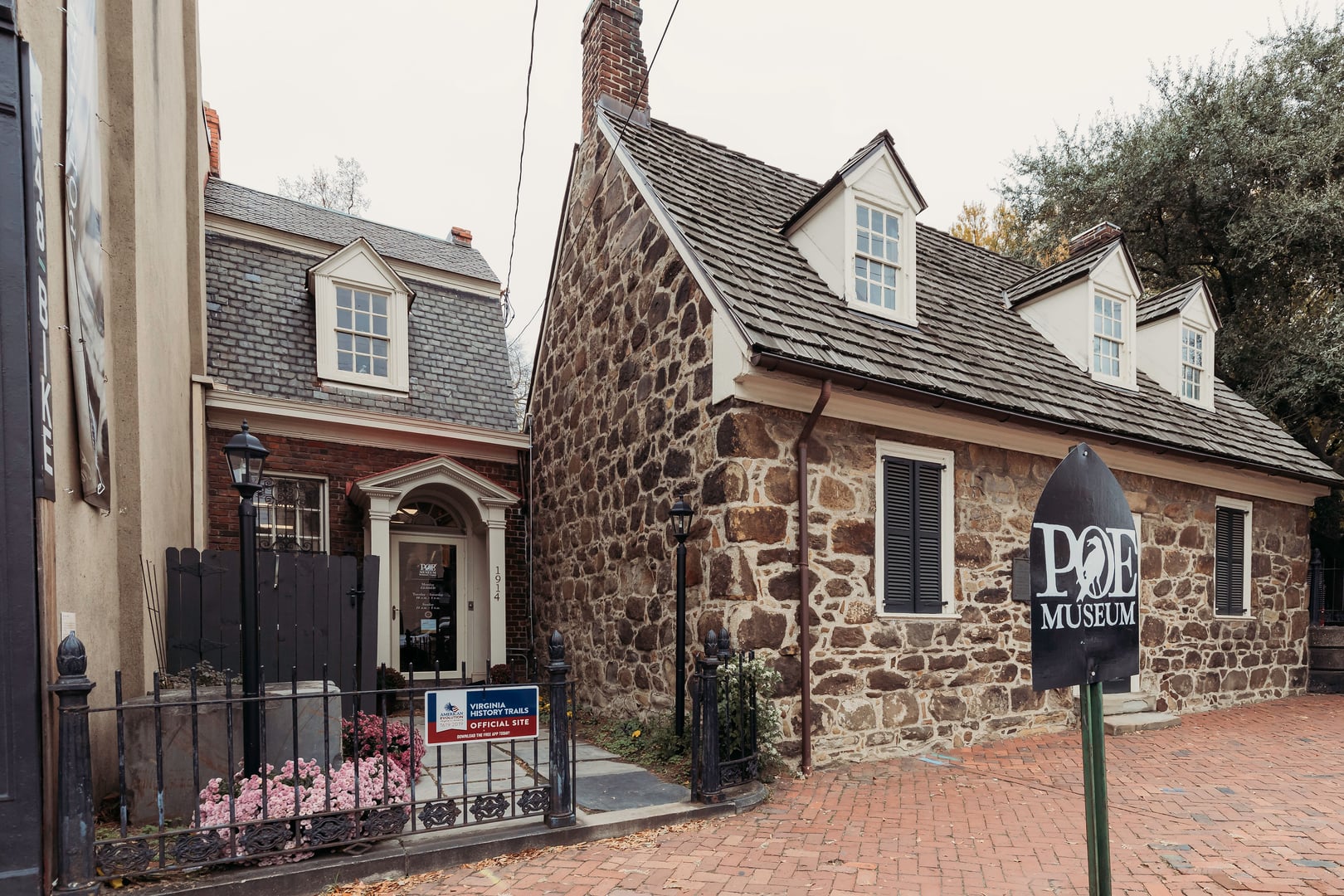
The Edgar Allan Poe Museum opened as the Poe Shrine in 1922 and is centered on the Old Stone House, built around 1740 by German immigrant Jacob Ege and widely cited as the oldest original residential building in Richmond. The complex occupies five buildings in Shockoe Bottom and holds one of the world's most comprehensive collections of Poe manuscripts, personal artifacts, and first editions.
Richmond, VA
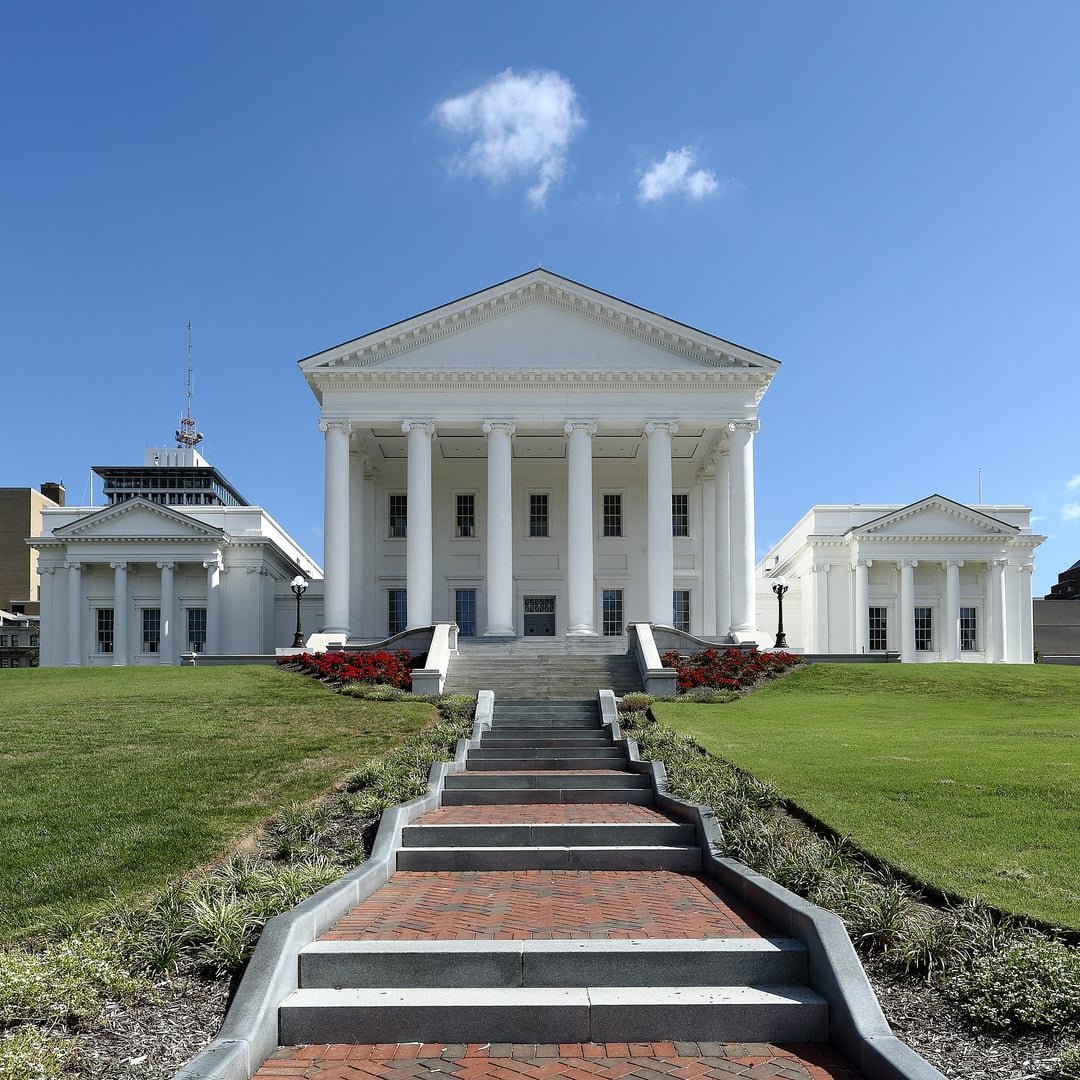
The Virginia State Capitol was designed by Thomas Jefferson with assistance from French architect Charles-Louis Clérisseau, completed in 1788. It is the second-oldest U.S. state capitol building still in use. On April 27, 1870, the floor of an upper-story courtroom collapsed during a crowded mayoral hearing, killing approximately 62 people and injuring 251 in what became known as the Capitol Disaster.
Providence, RI
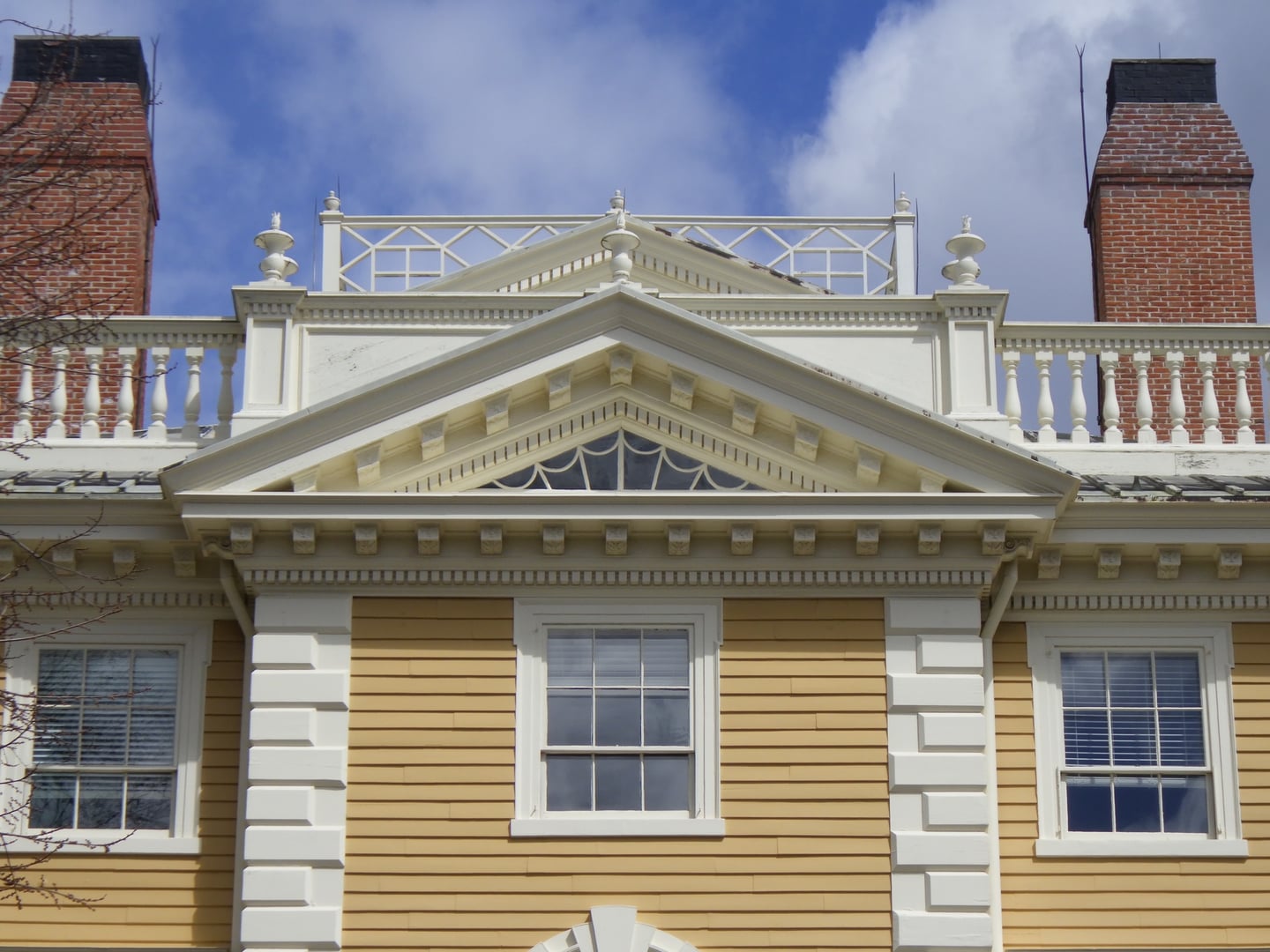
The Nightingale-Brown House at 357 Benefit Street is a three-story wood-frame mansion built 1791-1792 for Colonel Joseph Nightingale. It was the seat of the Brown family from 1814 to 1985 and is described as one of the largest surviving American 18th-century wood-frame structures. The building is now home to Brown University's John Nicholas Brown Center for Public Humanities and Cultural Heritage.