Est. 1823 · Antebellum Plantation Architecture · Siege of Petersburg Command Post · Virginia House Museum · Lincoln Petersburg Visit
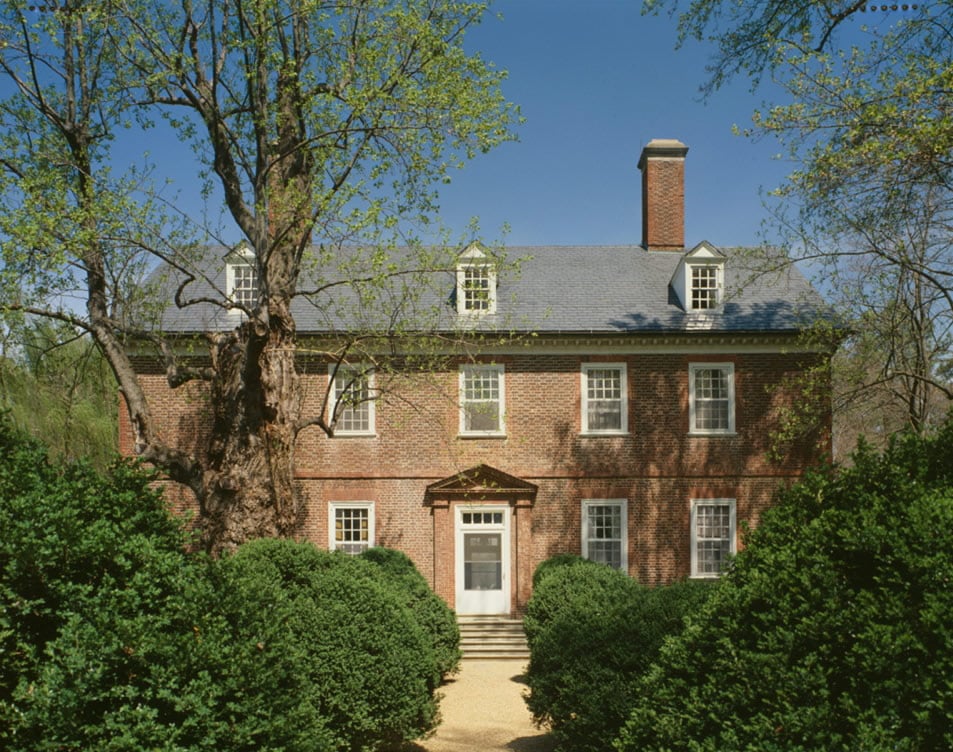
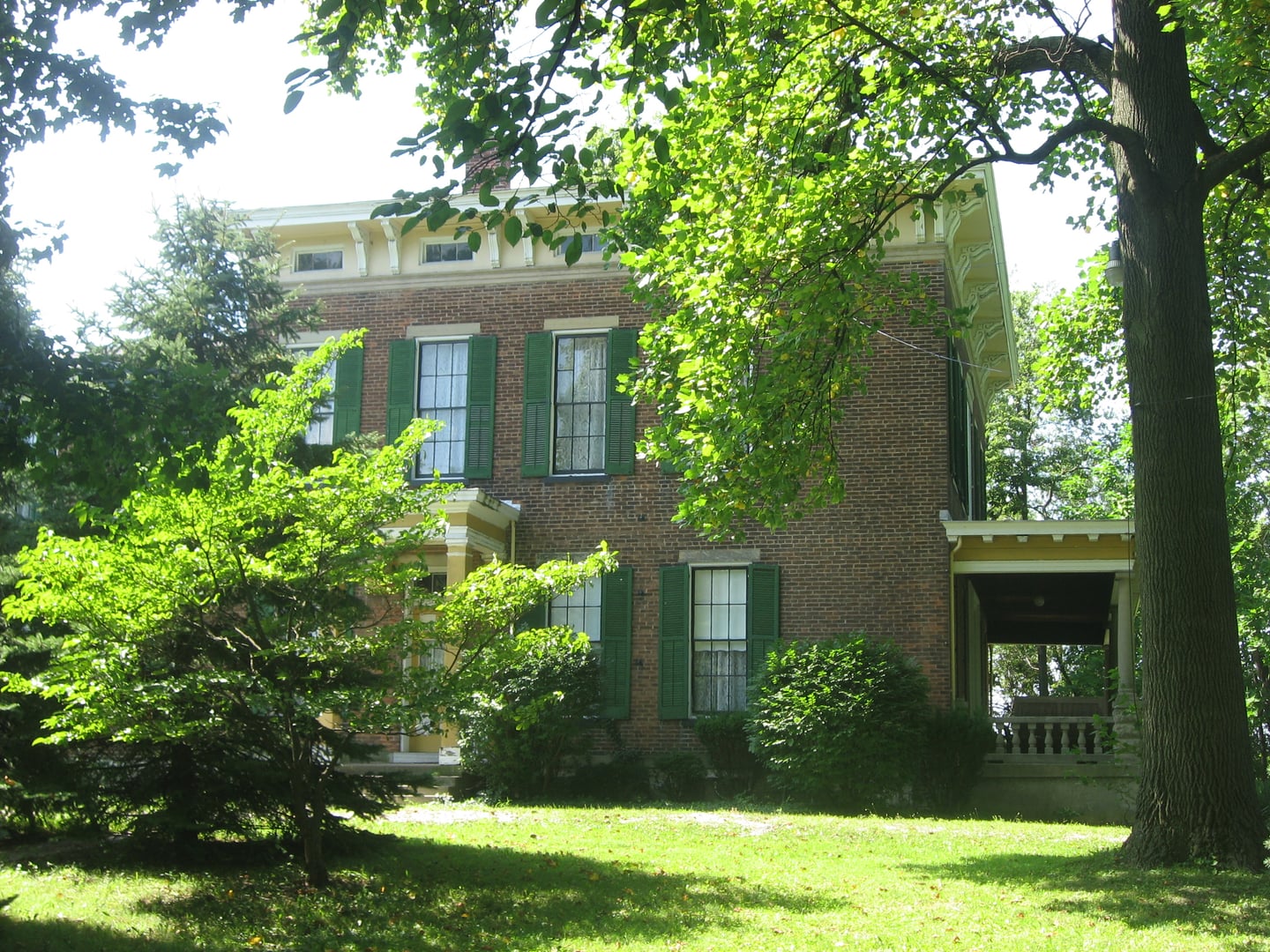
Robert Bolling IV began construction of Centre Hill in 1823 on elevated ground above Petersburg, commissioning an architectural design that reflected both his wealth and his family's prominence in the Tidewater planter class. The Bolling family had been one of the most consequential in colonial Virginia, and Robert IV maintained that position through a tobacco and cotton merchant enterprise that made him one of Petersburg's leading citizens.
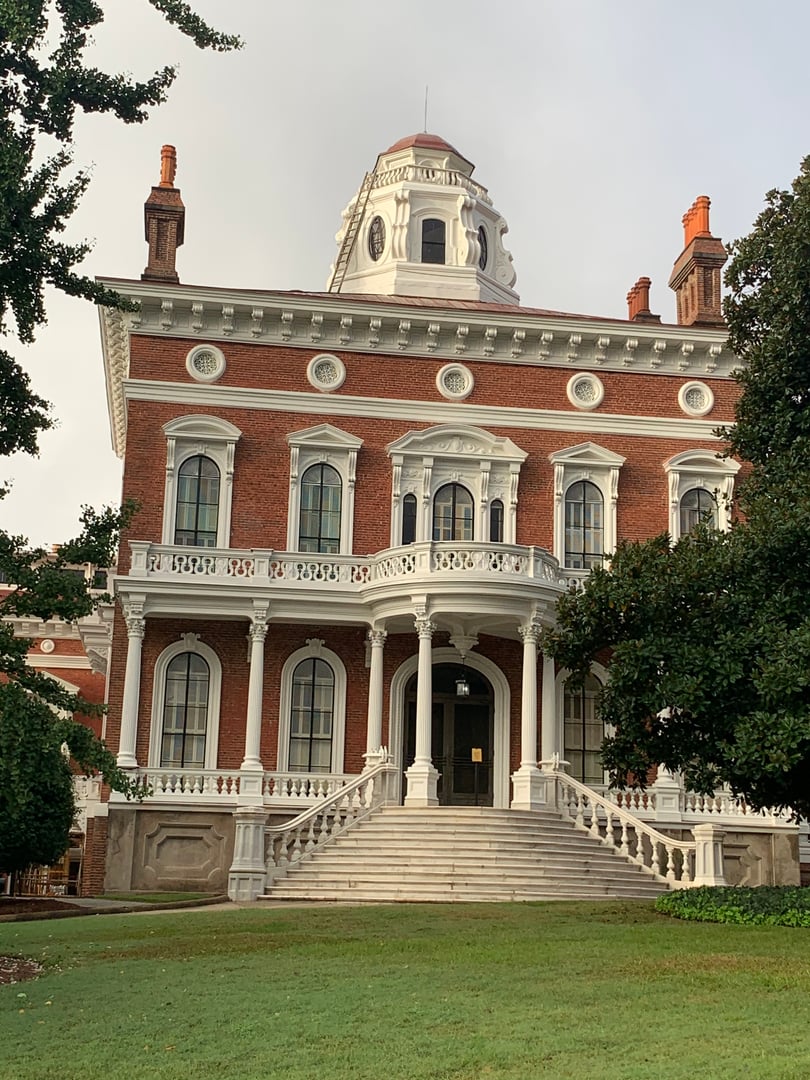
The house passed through several significant renovations across the nineteenth century, each reflecting the changing tastes and fortunes of its owners. A major remodeling in the 1840s added Greek Revival elements; a subsequent owner in the 1880s, Charles Davis, installed the formal Colonial Revival features visible today, including the columned portico and the elaborate interior woodwork.
During the Siege of Petersburg — June 1864 through April 1865 — the Union and Confederate lines ran through the surrounding city. The house served as a command post during this period. President Abraham Lincoln visited Petersburg briefly after its fall in April 1865 and is reported to have inspected the city's defenses from this location, though the documentary record for this visit is fragmentary.
The City of Petersburg acquired Centre Hill and opened it as a museum in 1901. It operated as one of Virginia's earliest house museums and has been continuously maintained. Restoration work in the late twentieth century returned several rooms to their antebellum appearance. The museum is documented as an anchor of Petersburg's heritage tourism circuit alongside Petersburg National Battlefield.
Sources
- https://visitpetersburgva.org/attractions/centre-hill-museum/
- https://www.petersburgva.gov/CivicAlerts.aspx?AID=516&ARC=719
- https://civilwartalk.com/threads/the-timely-apparitions-petersburg-virginia.205572/
Phantom cavalry soundsPhantom footstepsPhantom soundsApparitions
The Ghost Watch at Centre Hill rests on one of the more precisely documented recurring paranormal claims in Virginia. The event: on January 24, beginning at approximately 7:30 p.m., sounds associated with military arrival — cavalry horses, boots on the staircase, the clinking of equipment, the front door slamming — have been reported by occupants and guests in an unbroken chain of accounts since at least the 1870s.
Townshend Bolling, who owned the property in the late nineteenth century, documented the phenomenon and is credited with naming the tradition 'listening parties.' He and his household gathered annually on the date to await the sounds. That a Victorian-era owner not only acknowledged the reports but institutionalized them as a family custom makes Centre Hill unusual: most haunting traditions are reconstructed retrospectively, while this one has a named nineteenth-century proponent and a surviving organizational form.
The City of Petersburg has continued the listening party tradition in its modern form as the Ghost Watch event, which has been held annually for decades and draws local attendees who come specifically to listen on the date in question. The Civil War Talk forum thread from 2021 documents the historical context researchers have proposed for the January 24 date, including military engagements near Petersburg during the siege.
A separate visual account, not tied to the January 24 phenomenon, describes a figure in white on the mansion's staircases and at windows. This apparition is variously described as a woman and is a common fixture of antebellum mansion hauntings without a specific narrative attachment at Centre Hill.