Est. 1832 · Portsmouth's First Public Cemetery · 1855 Yellow Fever Mass Burial Site · 240+ Confederate Soldier Graves · National Register of Historic Places · Olde Towne Historic District
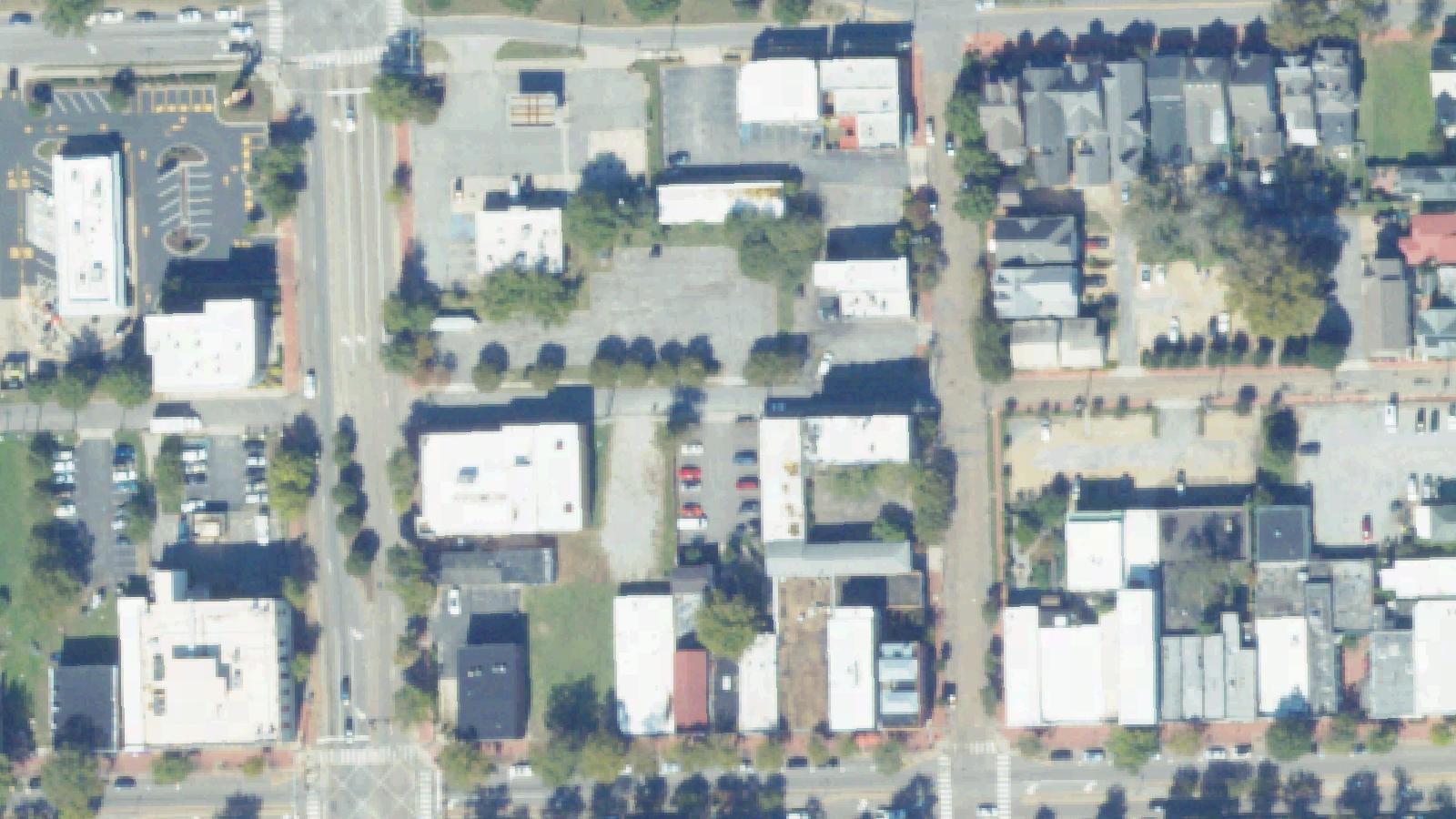
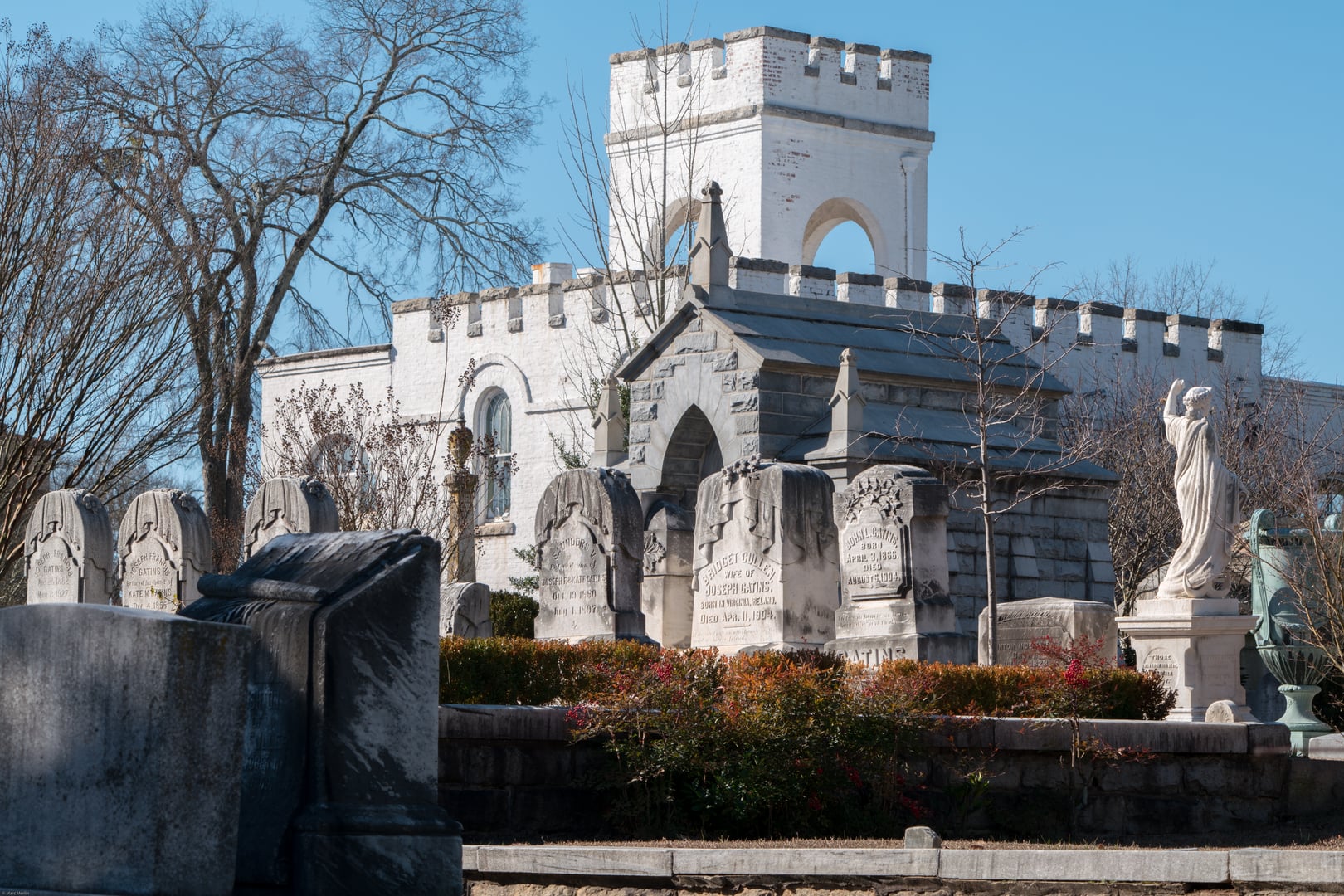
Cedar Grove Cemetery occupies a city-block-sized tract in Portsmouth's Olde Towne Historic District, bounded by Georgetown Street and London Boulevard. Established in 1832, it was the first dedicated public burial ground for the city of Portsmouth and has received continuous burials across its nearly two centuries of use.
The cemetery's defining historical event is the yellow fever epidemic of 1855. That summer, the disease struck Portsmouth and neighboring Norfolk simultaneously, killing thousands of residents in a matter of months. Cedar Grove absorbed an extraordinary number of victims — Wikipedia and local historical sources document that the cemetery holds the largest known mass burial of 1855 yellow fever dead in any cemetery in the country. Contemporary estimates suggest that approximately 10 percent of Portsmouth's total population died in the epidemic that year. The mass burial sections of Cedar Grove represent one of the largest single-event public health catastrophes in 19th-century American urban history.
The cemetery also contains the graves of more than 240 Confederate soldiers, interred during and after the Civil War. Portsmouth's position as a major Confederate naval base during the conflict, and its early fall to Union forces in 1862, produced an unusual mix of Confederate and Union military history within a compact geographic area.
Cedar Grove Cemetery was listed on the National Register of Historic Places, recognizing its significance as an intact 19th-century urban burial ground with documented ties to two of the major historical traumas of the antebellum and Civil War South. It flanks the broader Olde Towne Historic District and is a standard stop on Portsmouth's ghost walk circuit.
Sources
- https://en.wikipedia.org/wiki/Cedar_Grove_Cemetery_(Portsmouth,_Virginia)
- https://elephantsmarch.wordpress.com/2016/05/18/historical-cemetery-series-cedar-grove-cemetery-portsmouth/
Atmospheric uneaseSensed presence
Cedar Grove Cemetery's paranormal reputation is inseparable from the historical record of the 1855 yellow fever epidemic. When any single cemetery holds the mass remains of a tenth of a city's population, lost within months to an epidemic that was not yet understood or treatable, the grounds carry a weight that local ghost-walk tradition has recognized for generations.
The cemetery features in the Olde Towne Ghost Walk's historical circuit, where guides connect the scale of the epidemic deaths — entire city blocks depopulated in a season — to the surrounding neighborhood's atmospheric character. Specific paranormal claims for Cedar Grove in published sources are sparse; the site's dark-historical draw rests on documented historical fact rather than elaborated ghost lore.
Visitors who have walked the epidemic sections of the cemetery describe a distinctive quiet and what some characterize as a crowded sense of presence — an experience that the historical context, rather than any verified paranormal report, seems to produce. The Confederate burial sections add a separate layer of Civil War-era grief to the grounds.