Est. 1839 · Recorded Texas Historic Landmark (1972) · National Register of Historic Places (1985) · Austin's oldest municipal cemetery · 1842 Comanche-raid monument · Historically segregated Black, Latino, and Jewish sections
Oakwood Cemetery was established in 1839, only months after the Republic of Texas chose the site of Waterloo on the Colorado River as its new capital and renamed it Austin. The cemetery was initially called City Cemetery and occupied a hillside northeast of the new town. It is now bounded roughly by Navasota Street on the west, with an annex established in 1914 across Comal Street to the east.
The oldest standing monument inside the cemetery commemorates two settlers killed during a Comanche raid on the new capital in 1842, one of several raids tied to the long pattern of violence between settler communities and the Comanche during the Republic of Texas period and the early years of Texas statehood. The presence of this marker, and Oakwood's role as a burial ground for the early Anglo settlement, are documented on the cemetery's Recorded Texas Historic Landmark plaque and on the National Register nomination.
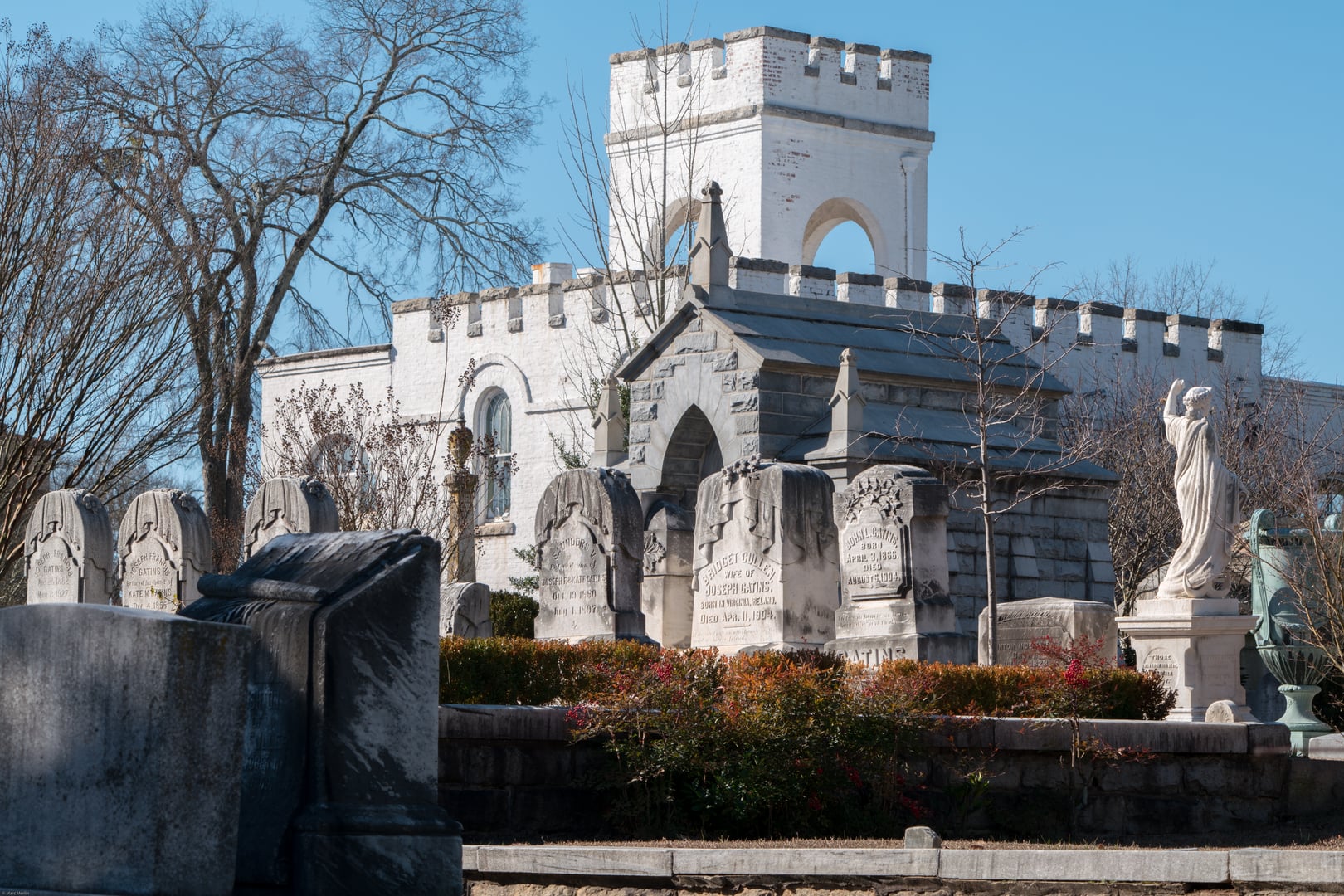
Oakwood holds the graves of Texas governors, Civil War veterans (both Union and Confederate), former enslaved people, founders of Austin's Black community, prominent Tejano families, and members of Austin's historic Jewish community. The cemetery includes historically distinct sections that reflect the segregated funerary practices of nineteenth- and twentieth-century Austin; SAVE Austin's Cemeteries and the Black Cemetery Network have documented the Black sections in particular.
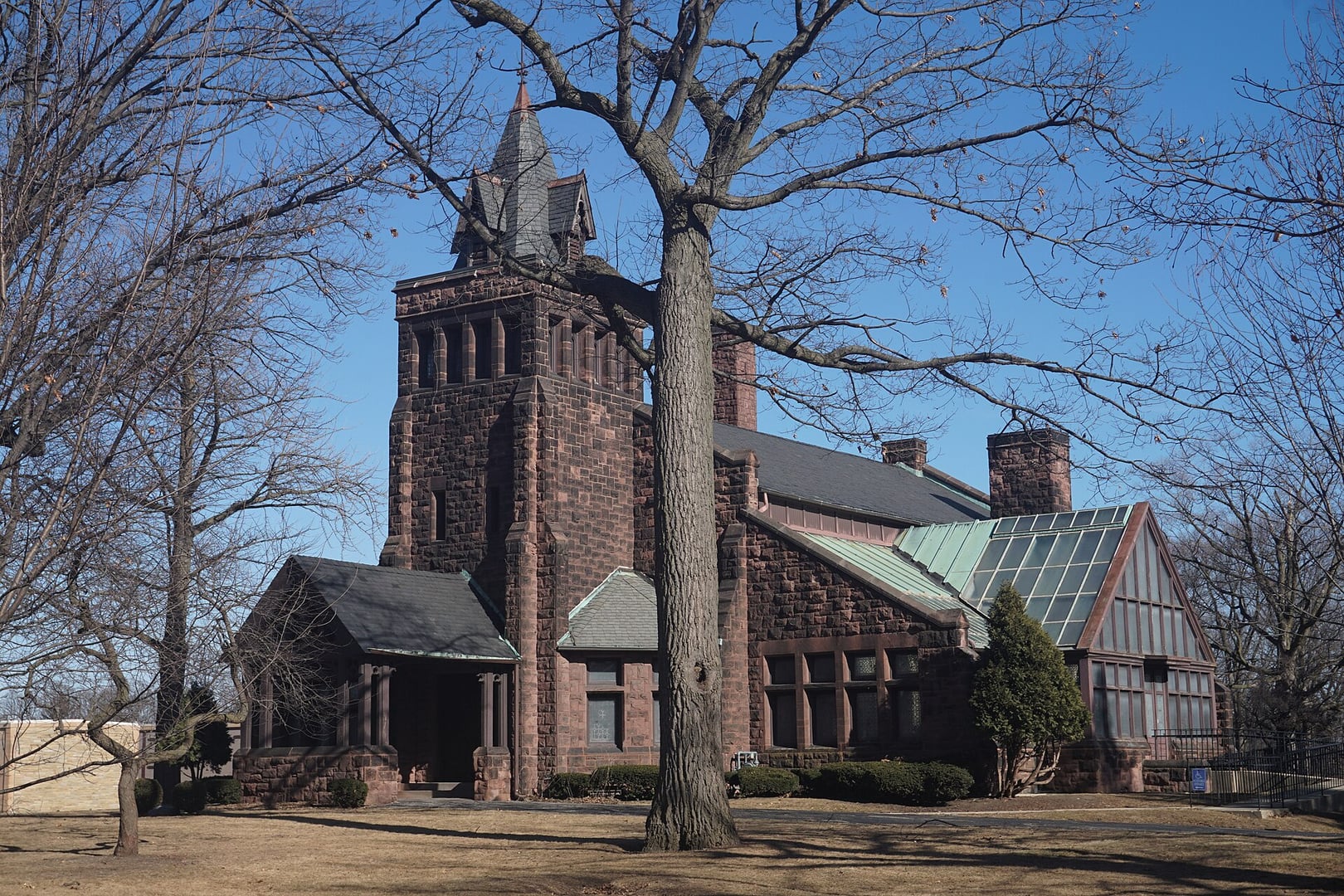
The 1914 Oakwood Cemetery Chapel near the Navasota Street entrance was restored in the 2010s by the City of Austin Parks and Recreation Department and an archeological project recovered remains and artifacts during the rehabilitation. The chapel now hosts free public exhibits interpreting the cemetery's history.
Oakwood became a Recorded Texas Historic Landmark in 1972 and was added to the National Register of Historic Places in 1985. The cemetery remains an active municipal burial ground managed by the City of Austin Parks and Recreation Department.
Sources
- https://en.wikipedia.org/wiki/Oakwood_Cemetery_(Austin,_Texas)
- https://www.austintexas.gov/parks/locations/oakwood-cemetery-chapel
- https://www.tclf.org/landscapes/oakwood-cemetery-austin-texas
- https://www.sachome.org/oakwood-cemetery
- https://blackcemeterynetwork.org/bcnsites/oakwood-cemeterytx
Cold spotsOrb photographyFeeling of being watchedEVPsReports of a statue whose hand position appears to change
Oakwood Cemetery's ghost lore is among Austin's oldest and is consistently included in regional ghost-tour itineraries. Ghost City Tours' "Haunted Austin" page and Paranormal Traveler's feature "Oakwood Cemetery: Austin's Haunted Historic Ground" both describe persistent visitor reports of cold spots, orb photographs, EVPs captured during nighttime investigations, and a strong feeling of being watched while walking among the older sections.
One piece of local lore recurs across multiple tour-operator sources: visitors describe a cemetery statue whose hand positions appear to differ between visits, attributed in tour narration to the statue's subject or to unidentified presences in the surrounding plots. The cemetery's oldest standing monument, which commemorates two victims of an 1842 Comanche raid, anchors much of the older lore.
HauntBound treats Oakwood's haunted reputation with editorial care because of the cemetery's overlapping histories. The 1842 raid was a real, lethal event that resulted in fatalities on both the Anglo settler and Comanche sides during a period of sustained violence and displacement of Indigenous peoples from central Texas; the burial ground also holds segregated sections reflecting the lived experience of Black, Tejano, and Jewish Austinites under Jim Crow. Paranormal reports here are presented as testimony about an emotionally significant place, not as the basis for "ancient curse" or "angry Indian burial ground" tropes, which would misrepresent both the historical record and the people interred at Oakwood.
The Original Austin Ghost Tours and Ghost City Tours both treat Oakwood as a respect-first stop. As a working municipal cemetery, Oakwood is open to the public during daylight hours; nighttime visits outside posted hours are prohibited, and tour operators must follow City of Austin Parks and Recreation rules.
Notable Entities
Unidentified presences among 19th-century graves