Est. 1756 · UNESCO World Heritage Site (San Antonio Missions, 2015) · San Antonio Missions National Historical Park · Oldest European-built water system in continuous use in the US (acequia) · 1826 Comanche attack on mission grounds · Texas Revolution area
Mission San Francisco de la Espada traces its predecessor to San Francisco de los Tejas, founded near present-day Weches in 1690. After several relocations driven by drought, disease, and shifting settlement patterns, the mission was permanently established at its current site along the San Antonio River in 1731, becoming the southernmost of the five missions in the San Antonio chain.
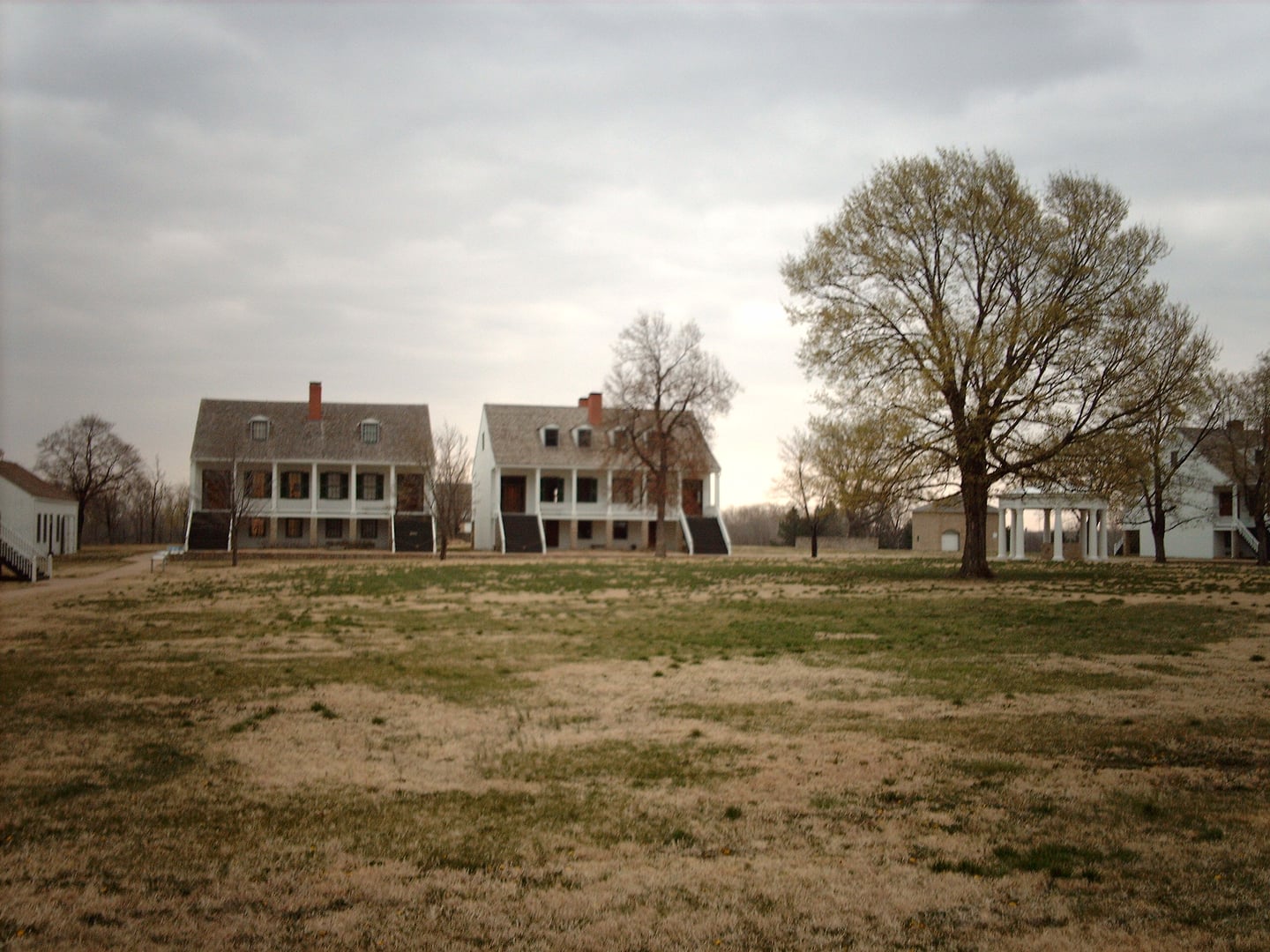
The friary was built in 1745 and the church completed in 1756. Like the other missions, Espada functioned as a self-contained community: a church and convento for the friars, residences for the Native American converts, workshops, and an agricultural operation supported by the acequia system — portions of which survive and remain in use today. The Espada acequia and aqueduct, built in the mid-eighteenth century, are among the oldest European-built water infrastructure in continuous use in the United States.
In 1826, the mission grounds were attacked by Comanche forces in one of the documented raids on the San Antonio chain during the mission period's late years. The mission population and what remained of the original community structure were significantly diminished by this period. The Texas Revolution brought further military activity to the region; Mexican and Texian forces moved through the area in the 1835–1836 campaigns.
The mission and its surrounding complex were secularized in 1794 but the chapel continued as an active Catholic parish. It was incorporated into San Antonio Missions National Historical Park and is part of the UNESCO World Heritage designation awarded to the San Antonio Missions in 2015.
Sources
- https://www.nps.gov/saan/planyourvisit/espada.htm
- https://www.ksat.com/news/local/2023/10/27/8-haunted-places-and-urban-legends-on-the-south-side-of-san-antonio/
- https://www.legendsofamerica.com/tx-sanantoniomissions/
Apparitions of Spanish soldiers on horseback near the chapelFigure of a man at prayer near chapel entranceAnomalous activity at dawn and dusk on mission grounds
Mission Espada's paranormal reputation draws from its documented history of conflict and from the accumulated accounts of the many people buried in and near its grounds over more than two centuries of active use.
KSAT's 2023 south-side San Antonio coverage includes Espada in a list of haunted locations, citing visitor accounts of Spanish soldiers on horseback visible near the chapel. The accounts describe mounted figures in period-appropriate clothing observed at a distance, most often at dawn or dusk, on the mission grounds — figures that do not respond to approach and disappear before close observation is possible.
A separate and less frequently reported account describes a man in plainclothes kneeling in prayer near the chapel entrance — accounts that regional sources attribute to one of the mission's converted Indigenous members, though no specific individual is named in any published source. The inclusion here is consistent with documented mission history — the chapel did serve Native American converts — rather than burial-ground fakelore; no claims are made about unmarked graves or cursed land.
Legends of America's coverage of the San Antonio Missions notes that Espada, as the most remote and least visited of the five missions, has accumulated fewer documented accounts than the Alamo or San José, but that those accounts are more consistently detailed in the witness reports that do exist.
Media Appearances
- KSAT 8 haunted places south side of San Antonio (2023)
Where this legend is told