Est. 1854 · National Historic Site · Buffalo Soldier Post · San Antonio-El Paso Road · Trans-Pecos Frontier Defense
Fort Davis was established in 1854 to protect emigrants, freight wagons, mail coaches, and travelers along the San Antonio-El Paso Road, a route across the Trans-Pecos region of West Texas. The post was named for then-Secretary of War Jefferson Davis, and operated until 1891.
After the Civil War, the fort became one of the Western posts where the Army's all-Black regiments — the 24th and 25th Infantry and 9th and 10th Cavalry, collectively known as the Buffalo Soldiers — were stationed. The Buffalo Soldier presence at Fort Davis is central to the site's interpretive programming and to its standing as a primary location for studying African American military service in the post-Reconstruction West.
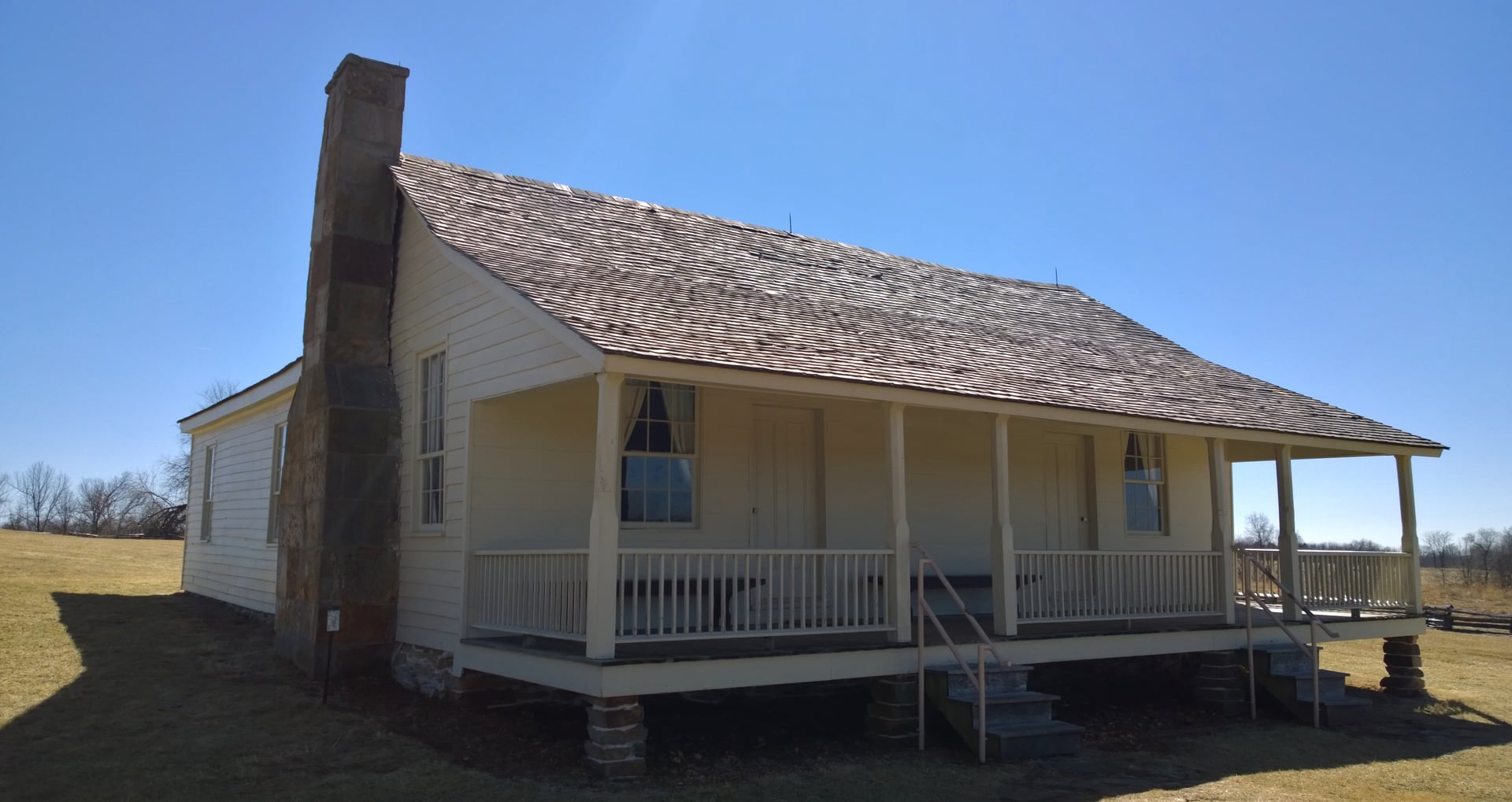
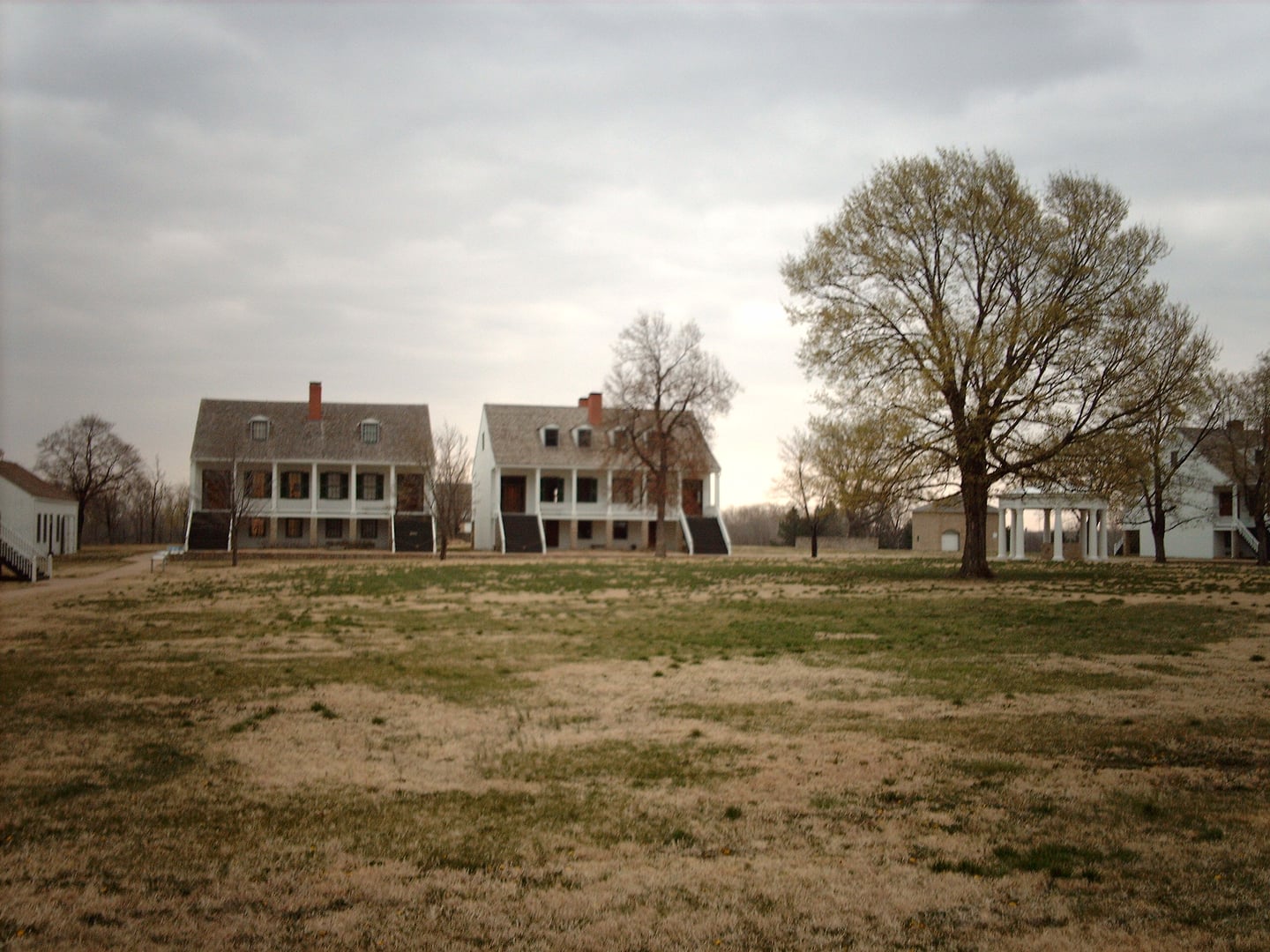
The fort sits in the Davis Mountains at an elevation of about 5,000 feet, in a sheltered canyon that supplied the post with water and protection from prevailing winds. Twenty-four buildings remain roofed and partially or fully restored, and more than a hundred ruins and stone foundations mark the footprint of the larger nineteenth-century post. Five of the standing buildings are refurnished to the 1880s, presenting officers' quarters, barracks, and support spaces as they would have appeared during the post's later operating years.
Fort Davis was designated a National Historic Site in 1961 and is administered by the National Park Service. The visitor center includes an orientation film and exhibits on the post's military history, the Buffalo Soldier regiments, and life on the West Texas frontier. The site is open year-round, seven days a week from 8 a.m. to 5 p.m.
Sources
- https://www.nps.gov/foda/
- https://en.wikipedia.org/wiki/Fort_Davis_National_Historic_Site
- https://npshistory.com/publications/foda/index.htm
- https://www.nps.gov/foda/planyourvisit/hours.htm
ApparitionsPhantom smellsCold spots
The best-known story tied to Fort Davis concerns Alice Walpole, said to have been the wife of a lieutenant from Alabama posted to the fort. Regional accounts describe Alice as deeply unhappy with the assignment to far West Texas. According to the legend, during a period of Apache raiding she walked out from the post in search of wild roses and never returned. Her body was never recovered.
The lore that grew from this account describes a woman in a blue cape glimpsed leaving the gate, and the scent of wild roses lingering in and around the officers' quarters. Both motifs surface across regional travel writing and Texas ghost-story collections.
Visitors and reenactors at the site have also reported the impressions of soldiers in the cavalry barracks and parade ground, framed in the lore as residual atmosphere rather than active encounters. The hospital building is mentioned in some accounts as a place where staff have reported temperature shifts.
The National Park Service does not market Fort Davis as a paranormal destination. The lore appears in regional travel writing and ghost-story collections — Tanglewood Moms's Texas military-ghost feature among them — but is presented at the site itself within the fuller frame of post-Reconstruction frontier history.
Notable Entities
Alice Walpole — The Lady in the Blue Cape