U.S.-Dakota War of 1862 · First Permanent U.S. Fort in North Dakota · Frontier Military History
Fort Abercrombie was established in 1858 on the Red River and moved in 1860 to higher ground on the west bank, near the present-day town of Abercrombie, North Dakota. As the first permanent U.S. military post in the area that would become North Dakota, it earned the nickname Gateway to the Dakotas. The fort served as a logistical hub for emigrant trains, freight wagons, and military expeditions pushing west and north through the Dakota frontier.
The fort's defining episode came during the U.S.-Dakota War of 1862. Beginning in late August of that year, Dakota Sioux warriors besieged the post for more than six weeks, attacking the small garrison and surrounding settlers in repeated engagements. The fort was not protected by blockhouses or a palisade during the siege; defensive structures were built afterward.
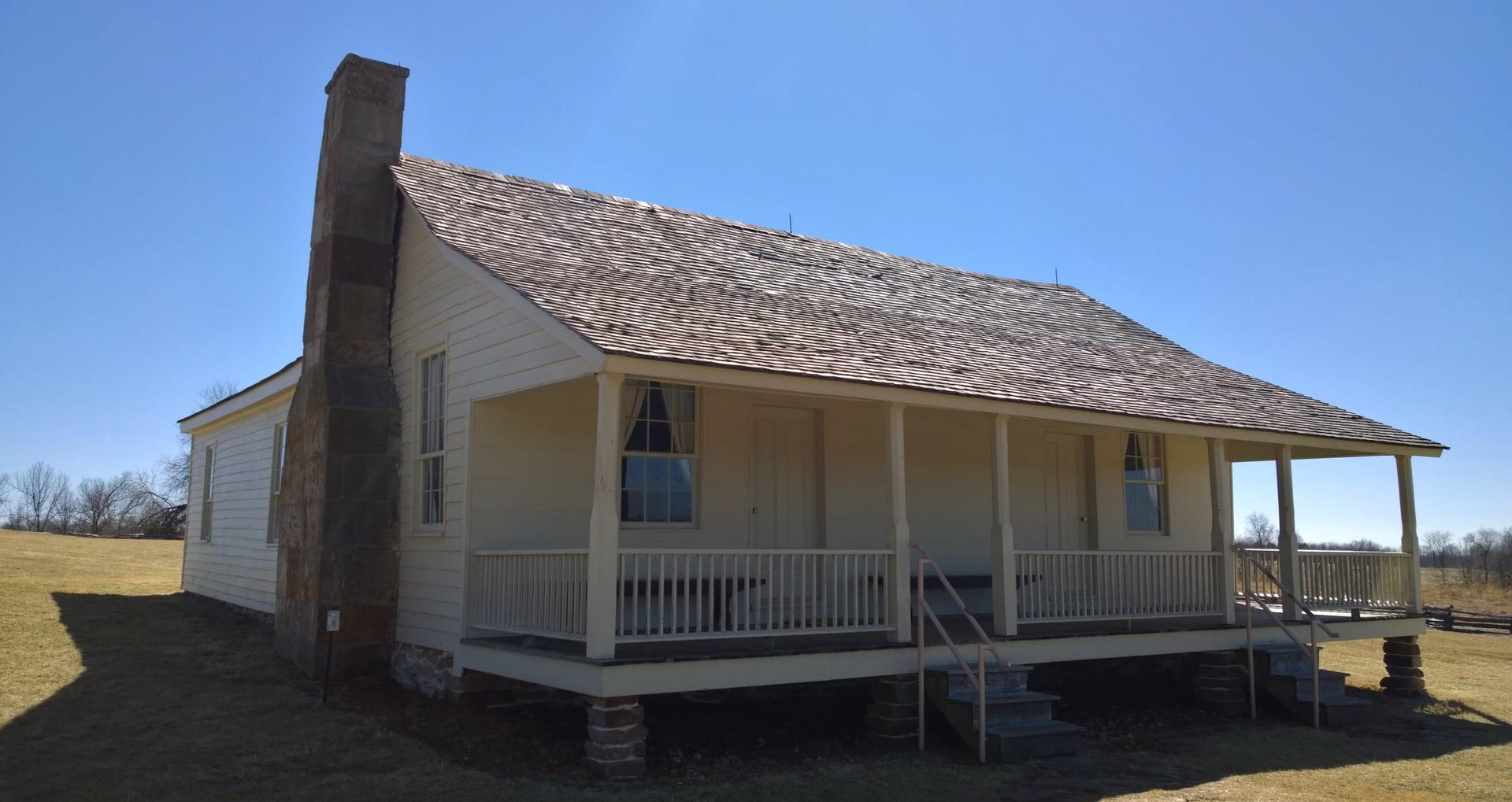
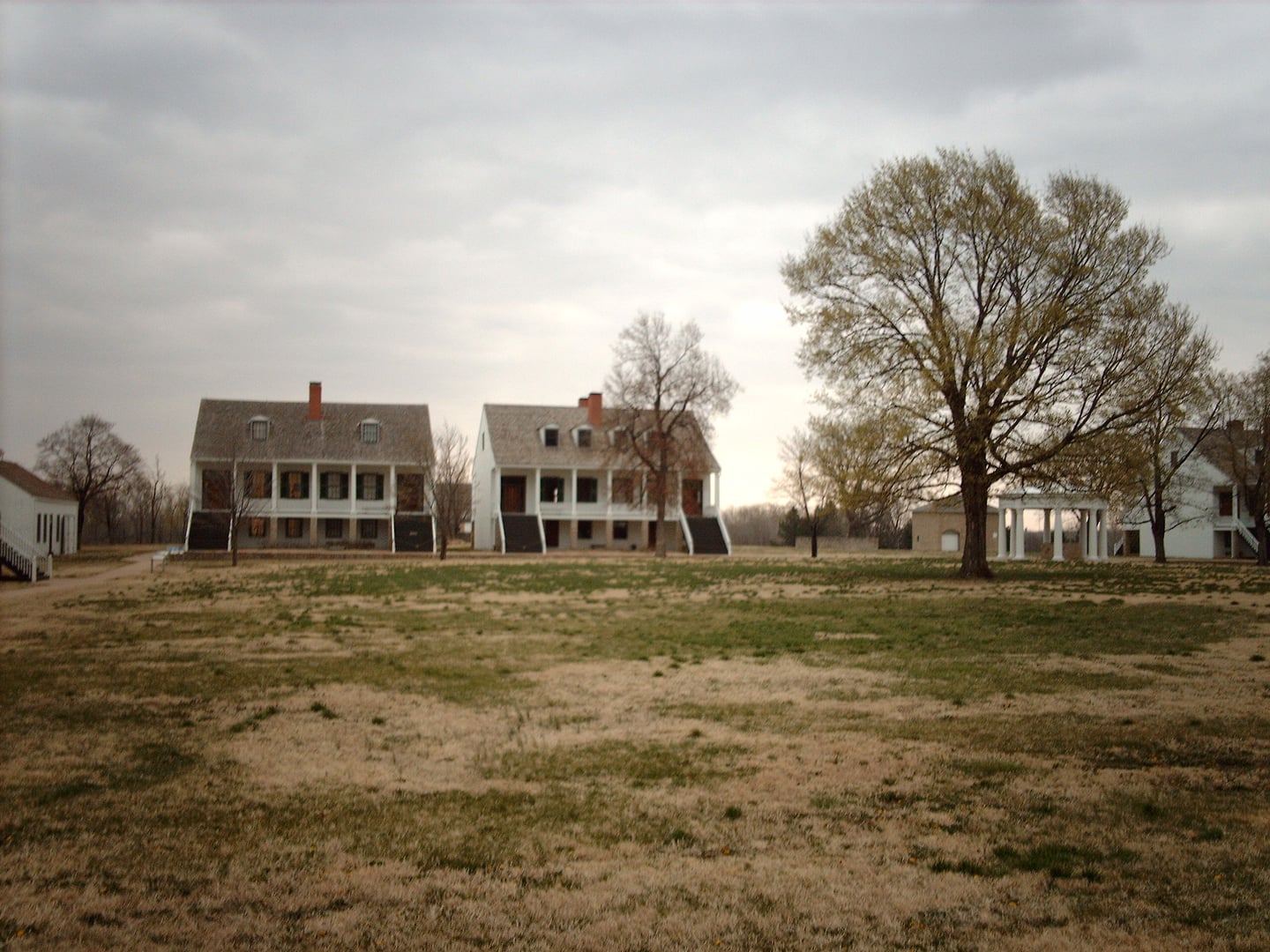
The army formally abandoned Fort Abercrombie in 1877. The State Historical Society of North Dakota now manages the site as a state historic property. The grounds include the original guardhouse and reconstructed blockhouses; a WPA project in 1939–1940 reconstructed three blockhouses and the stockade and returned the guardhouse to the site. The site is included on the North Dakota state historic site network and operates seasonally with year-round access to the grounds.
Sources
- https://en.wikipedia.org/wiki/Fort_Abercrombie
- https://www.history.nd.gov/historicsites/abercrombie/
- https://www.history.nd.gov/historicsites/abercrombie/abercrombiehistory.html
- https://blog.statemuseum.nd.gov/blog/history-alive-fort-abercrombie
- https://ghostsofnorthdakota892857007.wordpress.com/2016/10/20/fort-abercrombie/
ApparitionsPhantom soundsDoors opening/closing
The fort's reputation among regional paranormal investigators rests largely on its intact 1862 history. The guardhouse standing on the grounds today is the original structure, not a reconstruction, and is the focus of most reported activity. One often-cited account describes investigators observing the front door of the guardhouse unlatch and swing open on its own, with no visible cause and no occupant on either side.
Reports of phantom musket fire and distant cries are most often associated with late summer, near the anniversary of the siege. A regional Ghosts of North Dakota feature describes battle-era apparitions and unattributed sounds on the grounds. None of the accounts have been published with named witnesses or formal investigation logs.
The site's value lies in the verified history rather than the folklore. Visitors interested in the paranormal layer should plan a daytime visit to the interpretive center and walk the grounds at their own pace.