Est. 1860 · Lake Worth Historic Architecture · World War II Aviation Connection
The land that holds the Whiting Castle saw its first stone structure in the 1860s, a modest rock farmhouse built on a rise overlooking what would later become Lake Worth. The Lake Worth dam was completed in 1914 and the resulting reservoir reshaped the landscape; the farmhouse, previously inland, became a property with shoreline. According to local accounts, the property changed hands in a poker game in the early 1920s, won by Samuel Whiting, a Canadian-born businessman.
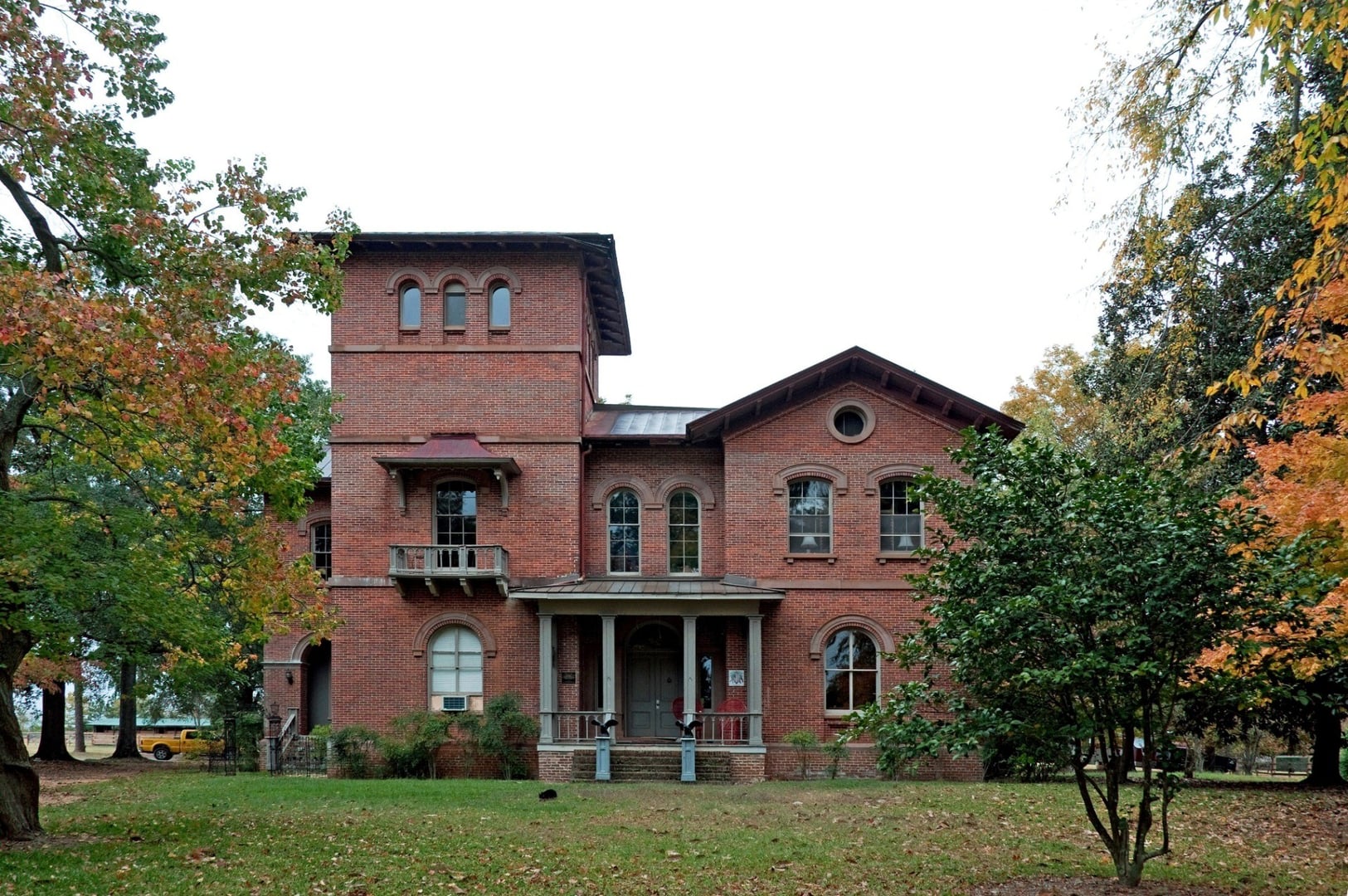
The Whitings began an extensive renovation under Mrs. Bess Whiting's direction. Over more than a decade of construction, the original rock farmhouse was incorporated into a substantially larger structure: a round, crenellated front wing was added, then a rear tower that gave the property its keep-like silhouette. Construction was complete around 1938. Mrs. Whiting named the finished residence Inverness, after the Scottish castle.
During World War II, the property was leased by the Vultee Aircraft Corporation, which used the castle as an entertainment and lodging venue for visiting aviation industry figures. Local accounts list visitors including Jimmy Stewart and Dwight D. Eisenhower during the Vultee tenancy, which ran from 1944 to 1954.
The property fell into disrepair through the late 20th century, vacant and threatened with condemnation. It was purchased and restored by private owners and is currently occupied as a private residence. The Whiting Castle is not open to the public; the property's owners have not invited visitors. The structure is visible from the public road on the Lake Worth shoreline.
Sources
- https://castlesy.com/the-whiting-castle-on-lake-worth-fort-worth-texas
- https://ghostcitytours.com/fort-worth/haunted-fort-worth/castle-of-heron-bay/
- https://www.texasmonthly.com/the-daily-post/texas-castles-early-years/
- https://dallasterrors.com/the-castle-of-heron-bay/
ApparitionsResidual haunting
The most-told story about the Whiting Castle is the one the documented history does not support: that a young man built the house in 1860 as a wedding gift for his bride, who was found floating in Lake Worth on the wedding day. The legend holds that the groom married his late fiancée's sister months later, and that the original bride's apparition runs from the front door of the castle, across the road, and toward the water before disappearing.
The historical record places the actual castle's completion in 1938, not 1860; the original 1860s structure was a modest rock farmhouse rather than a wedding house. The legend nonetheless persists in local folklore and ghost-tour itineraries. The factual record offers no documented bride's death at the property.
Reports of paranormal activity at the castle, separate from the bride legend, include sightings of a male figure in the windows of the upper tower and the sense among passers-by of being watched from the property after dark. These reports cluster in the period when the castle stood vacant in the late 20th century, when its broken windows and overgrown grounds invited the kind of attention that abandoned buildings reliably draw.
The property is private. Trespassing is prosecuted. The castle's reputation is sustained mostly by the legend's narrative shape rather than by documented contemporary witness accounts, and its visibility from the road keeps the story in circulation without ever requiring direct access to the building.