Est. 1783 · Colonial-Era Tavern · Windham Center Historic District · Local Preservation Effort
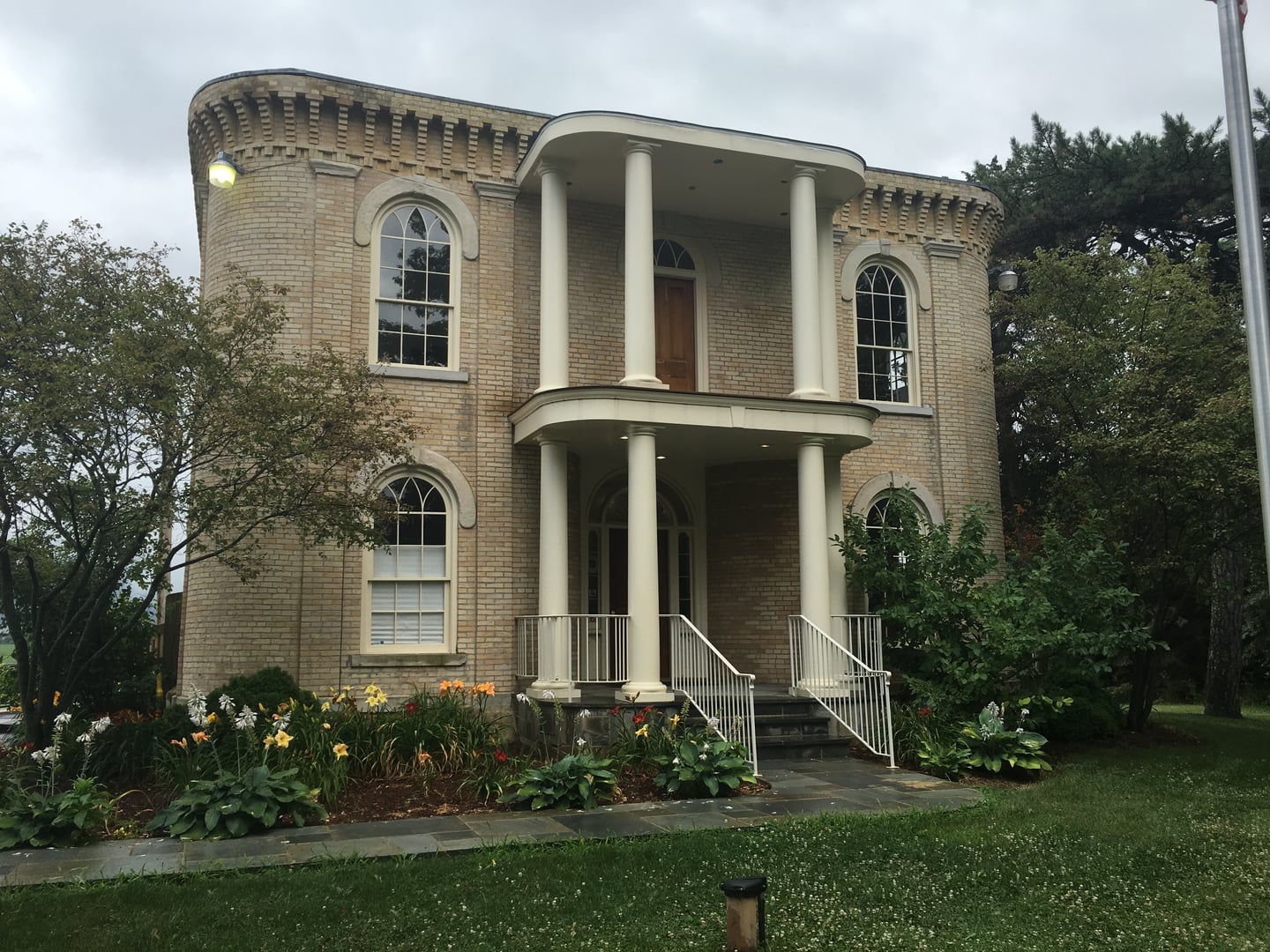
The Windham Inn was built in 1783 at the heart of the Windham Center Historic District, a colonial village center anchored by the Congregational Church, the village green, and the intersection of two early turnpikes. Known as the Windham House until around 1890, the building served generations of travelers passing through eastern Connecticut.
Originally constructed as a three-story structure, the inn began to buckle around 1850 and was reduced to its current two-story form. Three dormer windows were added at approximately the same time. Preliminary findings from a more recent structural assessment commissioned by Windham Preservation Inc. suggested that there may never have been a true third story, and that the buckling may have been confined to two bays removed from the east end of the building.
In the modern era, the inn was converted into residential apartments, with residents historically including UConn faculty, doctoral students, and other professionals connected to the university. The building remains a contributing structure in the Windham Center Historic District and has been the subject of ongoing preservation work and feasibility studies. As of the most recent published preservation materials, the property's long-term use was being studied by Windham Preservation Inc.
Sources
- https://historicbuildingsct.com/windham-inn-1783/
- https://preservationct.org/windham-feasibility-study-windham-inn
- https://en.wikipedia.org/wiki/The_Center_(Windham)
Phantom soundsPhantom voices
The folklore tied to the Old Windham Inn is brief and consistent. A woman, identified in regional ghost-story collections as having been accused of witchcraft and killed, is said to remain present in the building. Residents and overnight visitors have reported the sound of a baby crying in the corridors at hours when no infant lives in any of the apartments.
No named individual has been associated with the witchcraft story in available primary sources, and Connecticut's documented witch trial history is concentrated in the Hartford and New Haven Colonies in the 17th century, not in Windham, which was settled later. The folklore appears to recycle the broader Connecticut witchcraft motif as backstory for an otherwise quiet colonial building.
No formal investigations, named entities beyond the unnamed woman, or media coverage of the inn's lore appeared in available sources.